

English Tripod Side Table
An English tripod side table brings compact versatility and period craftsmanship to any room, holding everything from lamps to evening drinks.
English Tripod Side Table
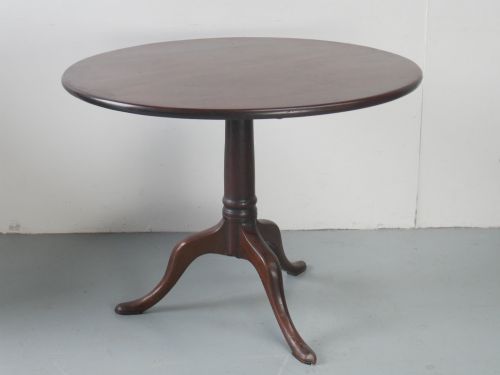
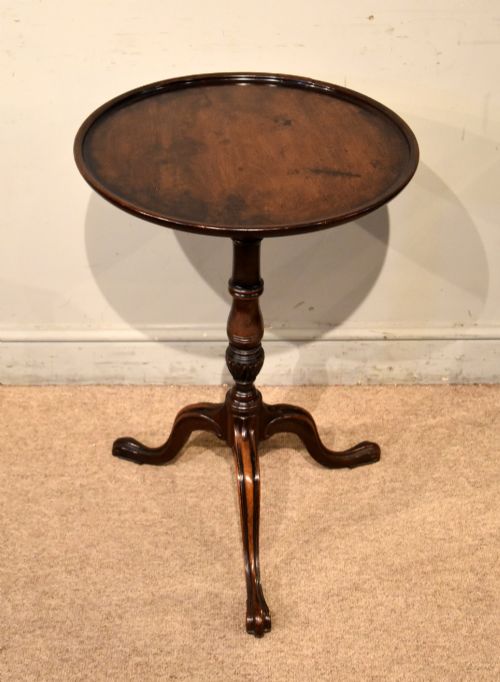
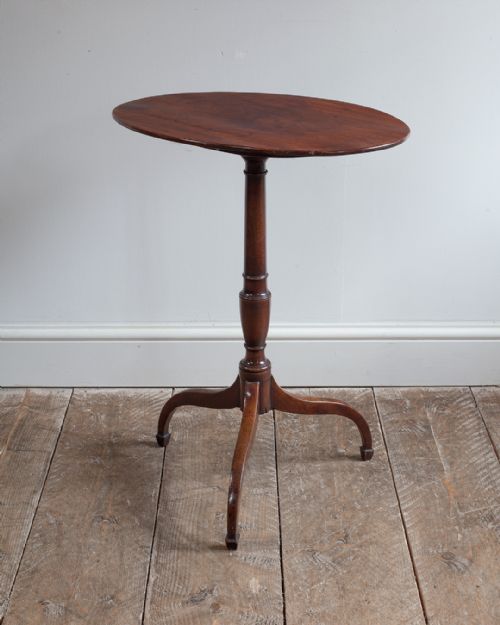
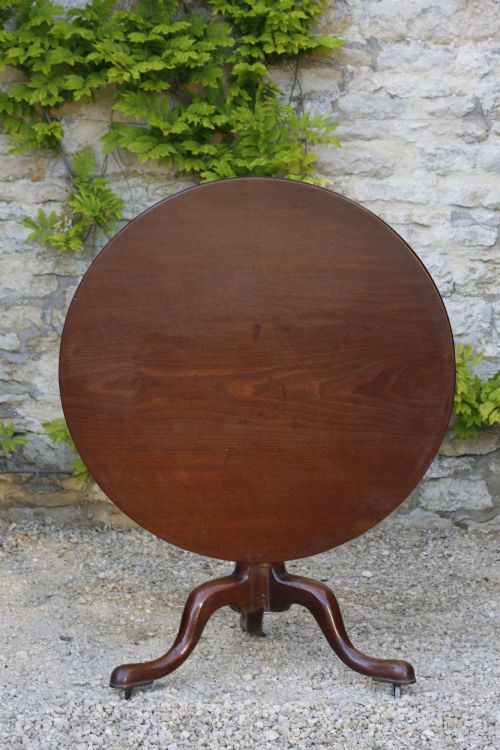
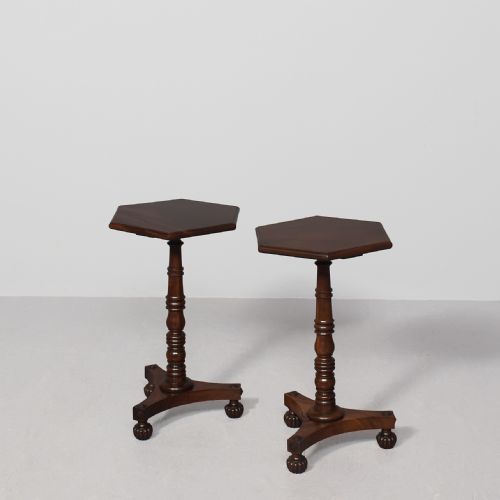
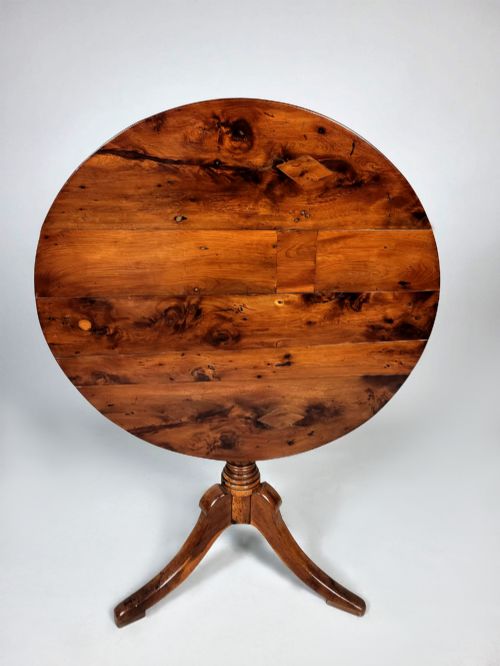
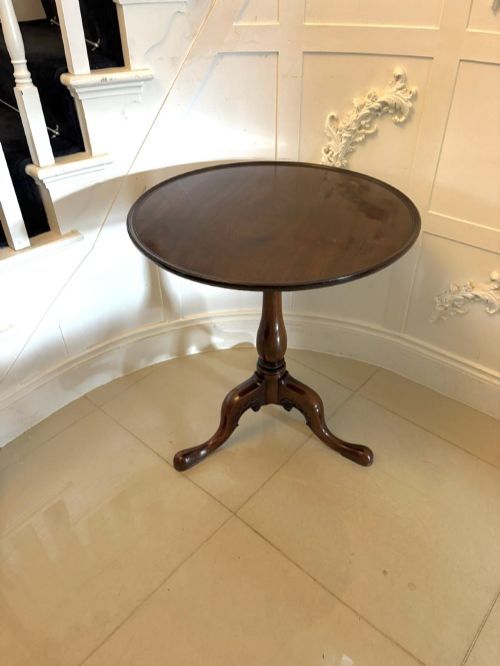
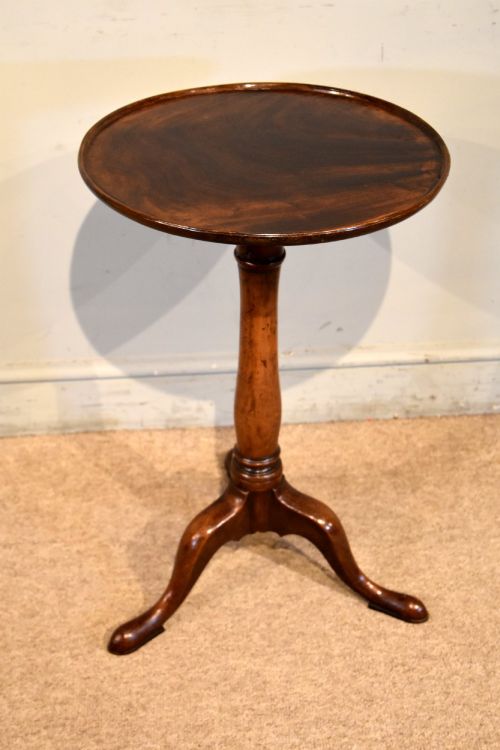
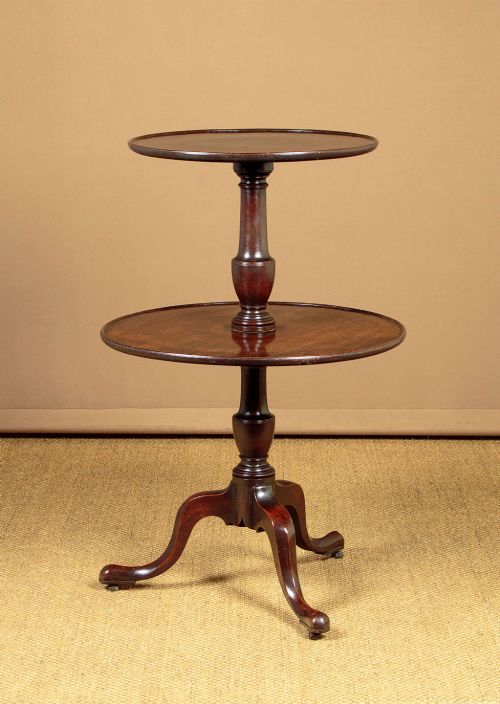
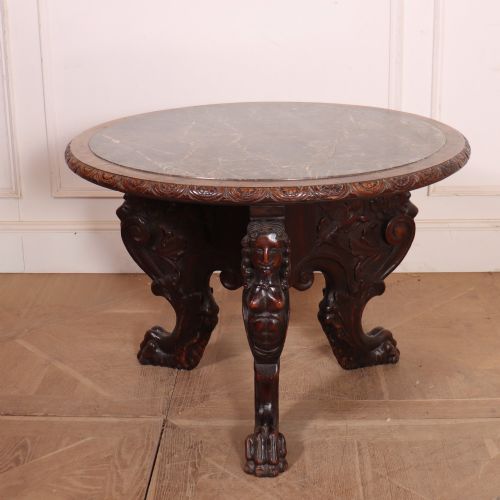
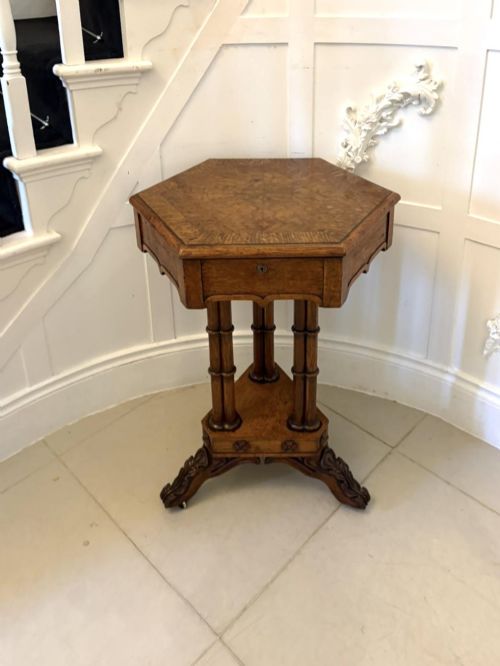
An English tripod side table stands on a central pillar supported by three splayed legs, offering a stable surface with a minimal footprint. These pieces appear across the eighteenth and nineteenth centuries, spanning Georgian, Regency, and Victorian periods.
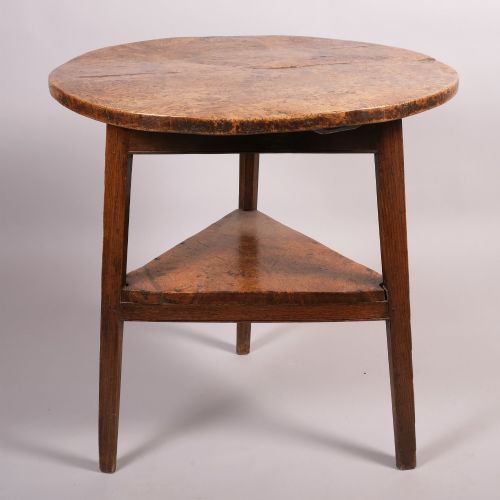
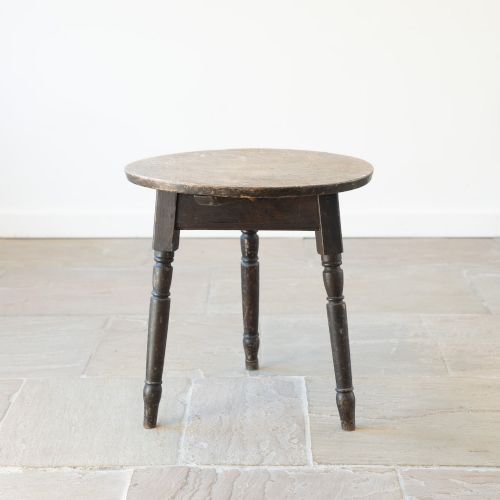
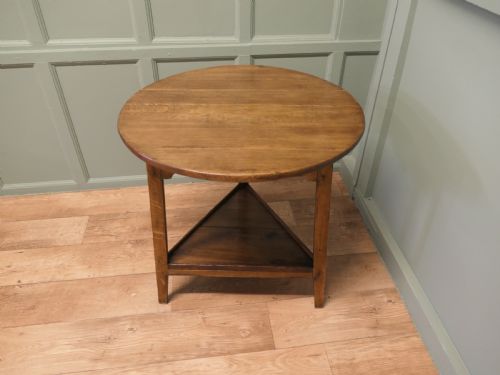
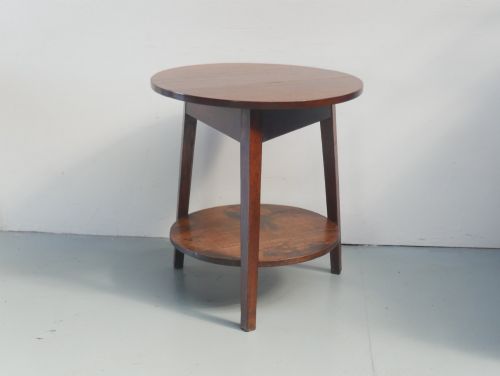
Country variants such as the sturdy oak cricket table use three legs for uneven flagstone floors in vernacular settings. More formal specimens display polished mahogany and walnut surfaces with carved columns and moulded edges.
Markers of Quality and Craft
Quality rests on the crispness of the carving, the selection of figured timber veneers, and the stability of the central boss and leg joints. A well-balanced table sits firmly on all three feet without wobble and operates its tilt mechanism smoothly.
Lesser pieces display plain, unfigured secondary boards and heavy, clumsy turning on the pillar, whereas finer examples show slender proportions, elegant cabriole legs, and precise hand-carving along the top edge or knees.
English Tripod Side Table Retail Price Guide 2026
Typical asking prices for english tripod side table among the pieces listed under this phrase on Sellingantiques today, from the lower quarter to the upper quarter. They describe what is for sale here now, not the wider market.
Listings feature woods including mahogany, oak, walnut, yew, fruitwood, and pine across Georgian and Victorian periods.
Swann and Millican·Gillows
The English Tripod Side Table Glossary
- Tilt-top
- A tabletop mounted on a hinge mechanism that pivots vertically to save space against a wall when not in use. This clever design became popular during the Georgian period.
- Cricket table
- A small three-legged table with a round wooden top, traditionally built with sturdy oak or elm for stability on uneven cottage floors. These represent early country furniture at its most functional.
- Pie-crust edge
- A decorative raised border carved directly into the solid timber top with undulating curves, resembling pastry work. Cabinetmakers reserved this technique for higher-end mahogany and walnut tables.
- Dumb waiter
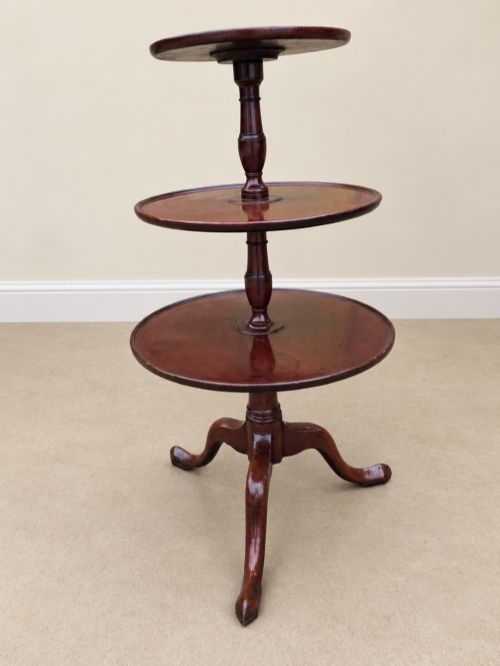
- A tiered serving stand featuring multiple revolving or stationary circular trays stacked on a single central column. Victorians utilised these in dining rooms to hold extra dishes and utensils.
- Wine table
- A diminutive occasional table designed specifically to hold a single glass or bottle beside a chair. They frequently feature small circular tops and slender tripod bases.
English Tripod Side Table: Frequently Asked Questions
What were English tripod side tables used for?
These versatile pieces served numerous domestic functions, from holding bedside lighting and holding evening wine glasses to displaying decorative porcelain.
In period homes, smaller variants moved easily around the parlour to accommodate afternoon tea or card games.
How do I spot a tilt-top mechanism?
Look beneath the circular surface where the tabletop meets the central column to find a small wooden catch, metal pivot block, or brass spring latch.
When released, the entire top tips upward into a vertical position for compact storage against the wall.
How do I tell a country table from a formal one?
Country examples utilise sturdy native woods like oak, elm, and fruitwood with simple turned pillars and plain round tops designed for durability.
Formal urban versions employ imported mahogany or figured walnut with carved cabriole legs, claw-and-ball feet, and ornate moulded borders.
How do I care for an antique wood table?
Keep the timber away from direct heat sources and strong sunlight to prevent the dry wood from splitting or fading the polish.
Apply occasional quality beeswax and buff gently with a soft cloth to maintain the natural lustre of the aged finish.