

English Style Table
An English style table brings traditional craftsmanship and timeless utility into a room, spanning centuries of regional design.
English Style Table
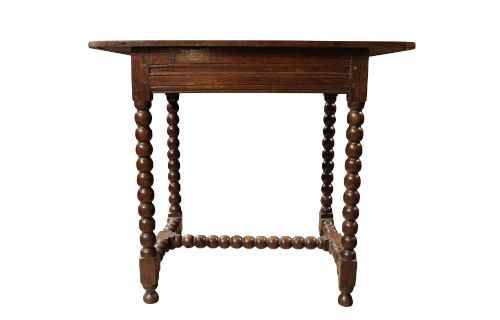
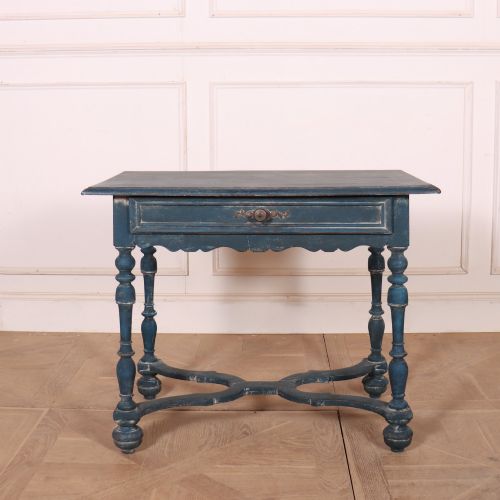
When you search for an english style table, you encounter a diverse array of furniture rooted in centuries of domestic history. The selection ranges from 18th century painted pieces to revival designs produced across the 19th and early 20th centuries.
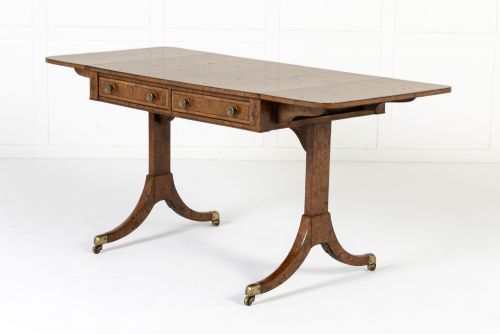
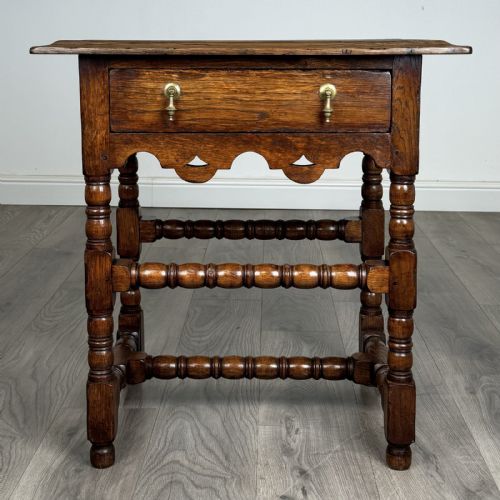
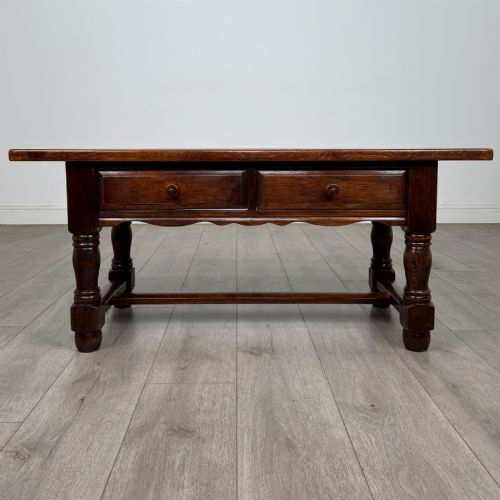
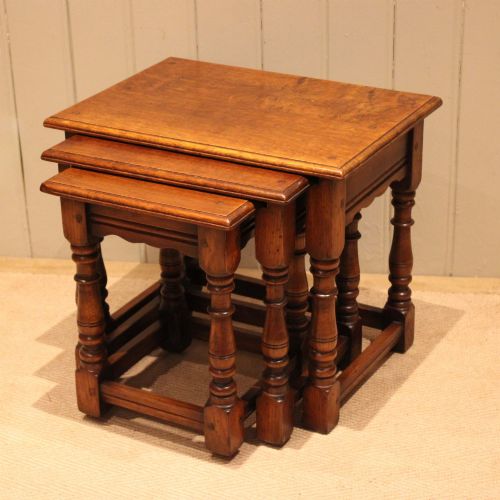
Side tables, coffee tables, and occasional tables form the most common forms you will meet on this page. These pieces reflect specific periods such as the Regency and Edwardian eras, utilising traditional timber constructions.
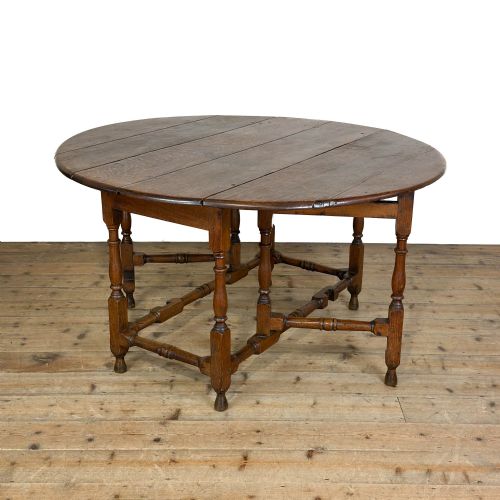
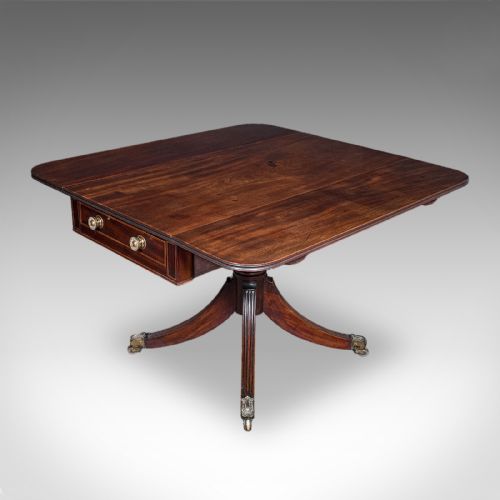
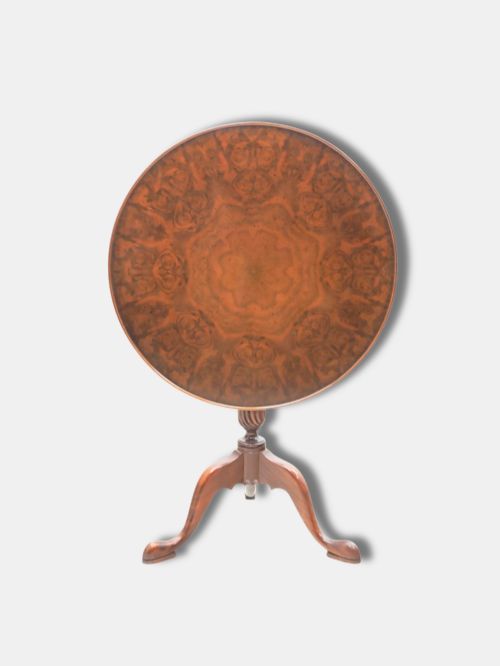
The materials span from solid oak and mahogany to walnut, elm, and pine. Whether you find a drop leaf gateleg form or a tripod table, each object demonstrates characteristic British cabinet-making traditions.
Materials and Construction Techniques
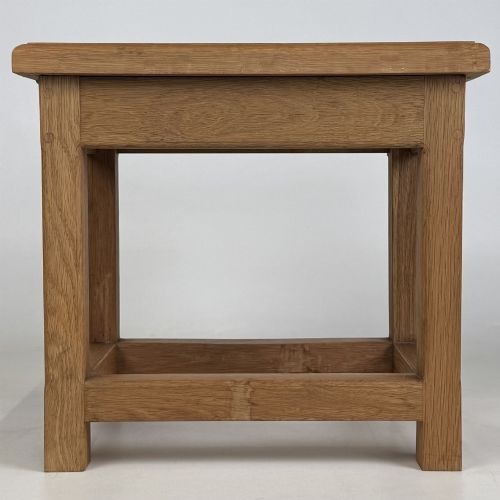
Carpenters relied heavily on native hardwoods like oak, elm, and walnut alongside imported mahogany for durability and grain figure. These timbers were shaped using traditional joinery methods, including mortise and tenon joints.
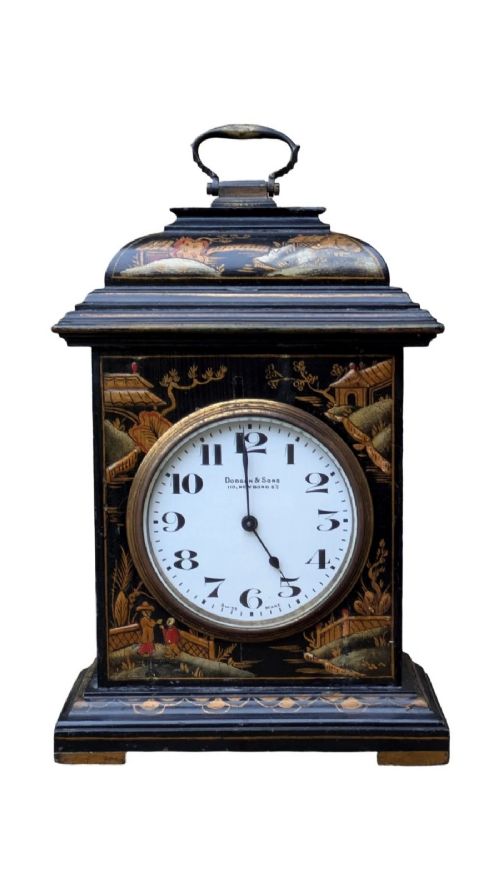
Surface treatments included clear polished finishes that highlighted natural wood grains, as well as decorative painted finishes and japanning. Brass hardware, such as hinges and drawer pulls, frequently completed the construction.
English Style Table Retail Price Guide 2026
Typical asking prices for english style table among the pieces listed under this phrase on Sellingantiques today, from the lower quarter to the upper quarter. They describe what is for sale here now, not the wider market.
Listings feature woods including oak, mahogany, walnut, pine, elm, yew, and glass across the 18th, 19th, and 20th centuries.
Distinctions in Quality
The standard of a piece rests upon the selection of timber and the precision of its joinery. Fine examples display carefully matched wood veneers, solid secondary woods, and well-executed turning or carving.
Proportion and structural integrity also separate finer workshops from mass production. Well-balanced forms with original hardware and stable frames represent the upper tier of surviving examples.
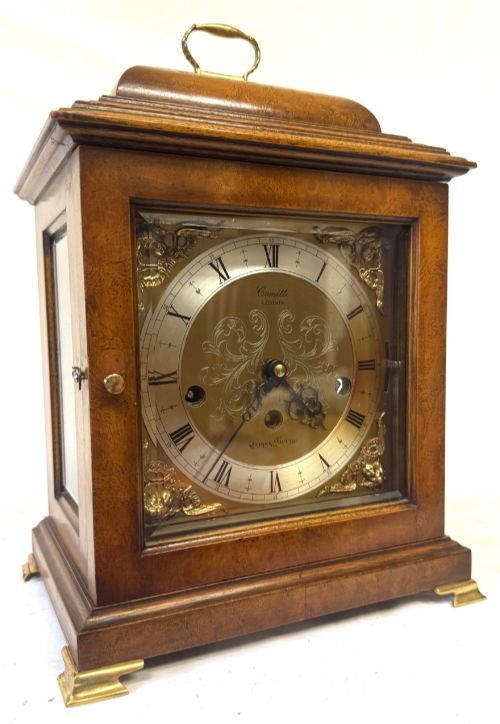
Comitti Of London·Mappin & Webb·Richard Winter Of Chieveley·John Davenport Of Longport
The English Style Table Glossary
- Gateleg table
- A drop leaf table featuring hinged legs that swing outward to support the raised flaps. This form maximises floor space when folded.
- Lowboy
- A small side table or dressing table with one or more drawers, standing on relatively tall legs. It originates from the late 17th and 18th centuries.
- Pembroke table
- A form of drop leaf table featuring two hinged flaps on opposite sides and usually a single drawer. It was designed for versatility in domestic interiors.
- Potboard dresser base
- A heavy base cabinet featuring an open lower shelf used for storing ceramics and kitchenware. It is characteristic of early vernacular oak furniture.
- Tripod table
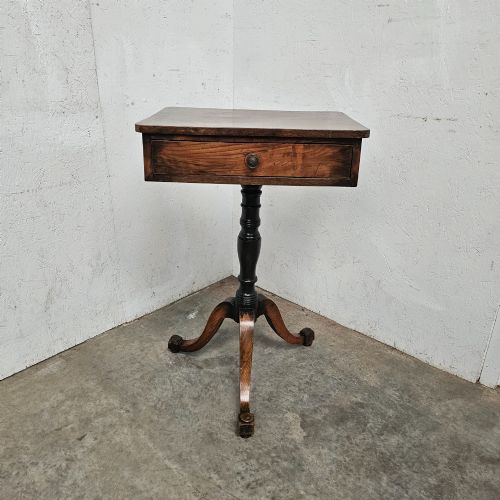
- A small occasional table supported by a central pillar resting on three spreading feet. This design became popular during the Georgian period.
English Style Table: Frequently Asked Questions
How do I identify a Regency table?
Regency tables often display neoclassical influences, dark mahogany timbers, and brass mounts or inlay. They reflect the design trends of the early 19th century.
Look for clean architectural lines, sabre legs, or pedestal bases supported by brass paw feet.
Where should I place an occasional table?
Occasional tables work well beside armchairs, in hallways, or as lamp stands in a living room. Their modest scale allows them to fit easily into smaller spaces.
Ensure the height matches nearby seating for practical use.
What is a gateleg table used for?
A gateleg table serves as a flexible surface that expands when dining or working and folds down against a wall when not in use. It is ideal for compact dining areas.
The hinged gate supports provide stability when the leaves are raised.
How do I care for antique wood surfaces?
Protect antique wood from direct sunlight and sudden temperature changes to prevent splitting. Dust regularly with a soft dry cloth.
Apply a quality beeswax periodically to nourish the timber and maintain its natural lustre.