

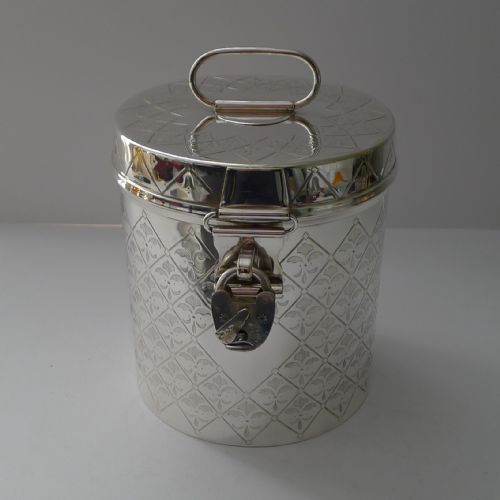
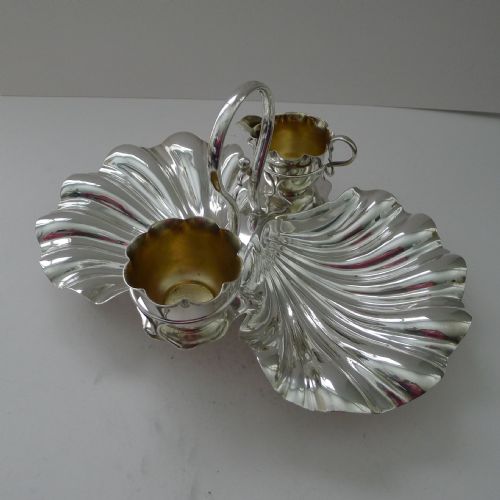


English Silver Plate Caddy
These pieces of english silver plate caddy bring domestic silver craft from the Victorian and Edwardian eras straight to the table.
English Silver Plate Caddy
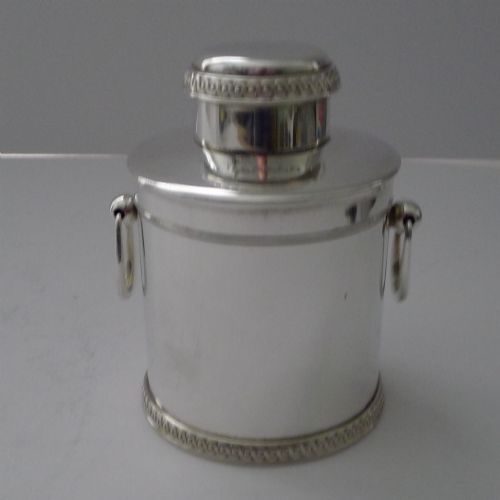
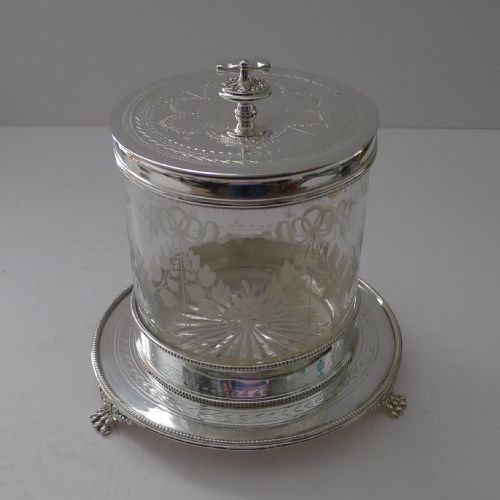
An english silver plate caddy encompasses domestic silver-plated containers designed for storing tea or biscuits, alongside related serving vessels from the Victorian and Edwardian periods. The selection includes drum form biscuit barrels, locking boxes, and tea canisters produced across the latter half of the nineteenth century and into the early twentieth century.
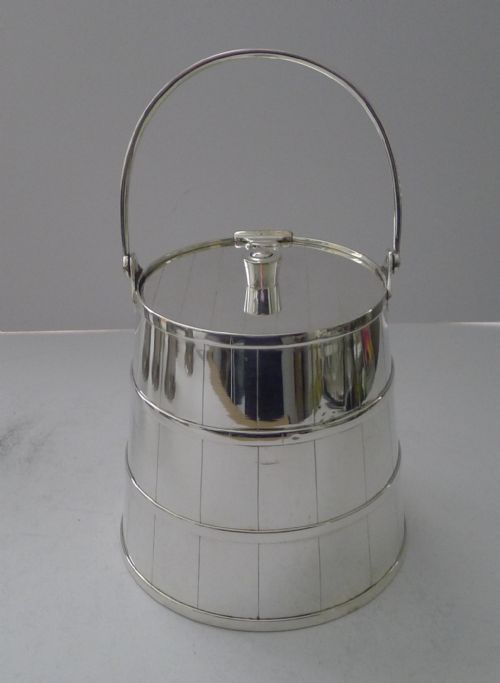
Visitors browsing this page will encounter various forms spanning decades of British metalwork, including oak and silver plate combinations and novelty designs. Makers utilised silver plate, electroplated nickel silver, and cut glass to construct these functional table accessories.
How They Were Made
Artisans combined silver plate and electroplated nickel silver with structural timber elements like oak to build durable containers. Metal mounts, hinges, and locking mechanisms required precision engineering from silversmiths working in workshops.
Interiors and bodies frequently incorporated cut glass, etched glass, or ceramic inserts, such as whisky carafes paired with metal caddies. Surface decoration involved chasing and engraving applied directly to the plated metal exterior.
English Silver Plate Caddy Retail Price Guide 2026
Typical asking prices for english silver plate caddy among the pieces listed under this phrase on Sellingantiques today, from the lower quarter to the upper quarter. They describe what is for sale here now, not the wider market.
Makers experimented with whimsy, producing biscuit boxes shaped like wagons, caravans, and double hearts.
What Varies in Quality
The standard of an english silver plate caddy depends on the depth of the plating and the integrity of the underlying metal base. Superior examples retain their original surface sheen and mechanical components without excessive wear to the silver layer.
Design complexity and maker attribution separate standard utility pieces from high-end productions. Elaborate novelty forms, locking mechanisms with working keys, and fitted wooden bodies demonstrate higher manufacturing investment.
Mappin & Webb·Daniel Arter·John Grinsell & Sons
The English Silver Plate Caddy Glossary
- Silver Plate
- A base metal coated with a thin layer of silver through electroplating or older methods. This technique made domestic hollowware accessible during the Victorian era.
- Electroplated Nickel Silver
- A strong alloy of copper, nickel, and zinc coated with silver. It served as a common foundation for nineteenth-century tableware.
- Biscuit Barrel
- A covered container designed for storing dry biscuits at the dining table. They frequently took cylindrical drum shapes during the late Victorian period.
- Cruet Set
- A collection of small bottles or containers held in a metal frame for condiments. These frames often match the construction style of contemporary caddies.
English Silver Plate Caddy: Frequently Asked Questions
What is an english silver plate caddy?
An english silver plate caddy refers to plated metal containers created during the Victorian and Edwardian periods for domestic use. They primarily include tea canisters and lidded biscuit boxes.
These pieces reflect the dining customs of the late nineteenth and early twentieth centuries, combining utility with decorative metalwork.
How were these caddies used?
Households utilised these vessels in formal dining rooms and sitting rooms to serve tea, biscuits, and spirits to guests. Locking boxes protected luxury foodstuffs from household staff or pests.
Their presence marked middle and upper-class hospitality during the height of the British Empire.
How do I date a silver plate caddy?
Dating relies on stylistic markers, registration marks, and maker stamps stamped into the metal base. Victorian examples display different aesthetic weights compared to Edwardian or 1930s pieces.
Materials like combined oak and silver plate point firmly toward late nineteenth-century manufacturing trends.
How do I care for silver plate?
Maintenance requires gentle cleaning with non-abrasive silver cloths to preserve the thin plate layer over the base metal. Avoiding harsh chemical dips prevents damage to internal ceramic or glass liners.
Displaying pieces away from damp environments protects structural oak components and prevents tarnishing.