



English Silver Jug
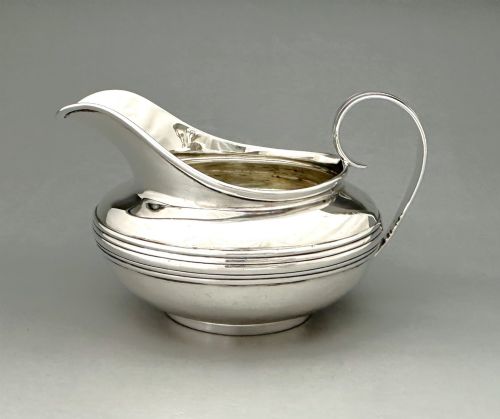
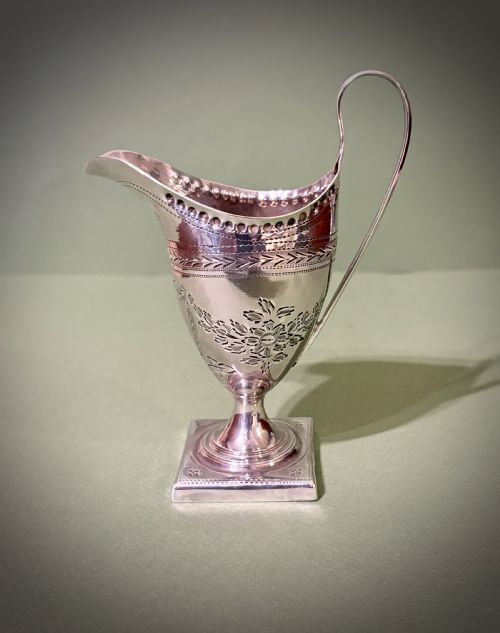
An english silver jug brings centuries of craftsmanship to the table, whether you need a graceful cream pourer or a substantial claret vessel.
English Silver Jug
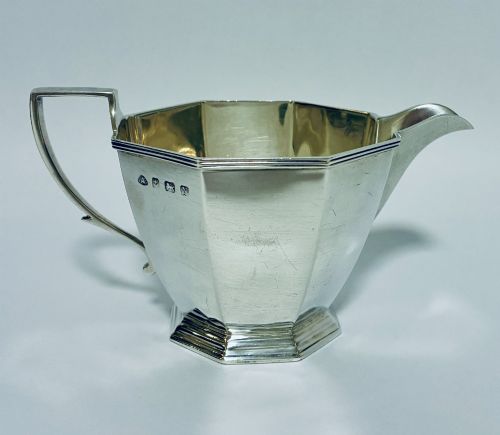
When searching for an english silver jug, buyers encounter a diverse array of functional vessels spanning the Georgian, Victorian, and Edwardian eras through to the mid-twentieth century.
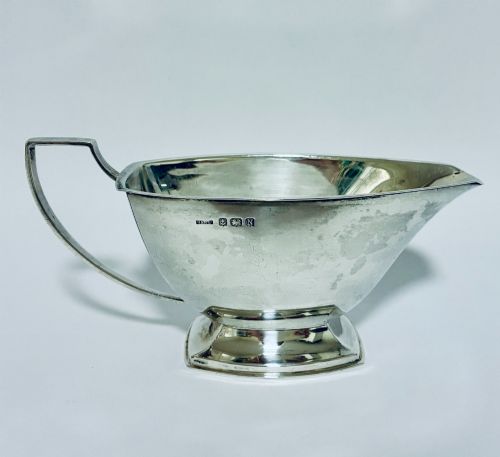
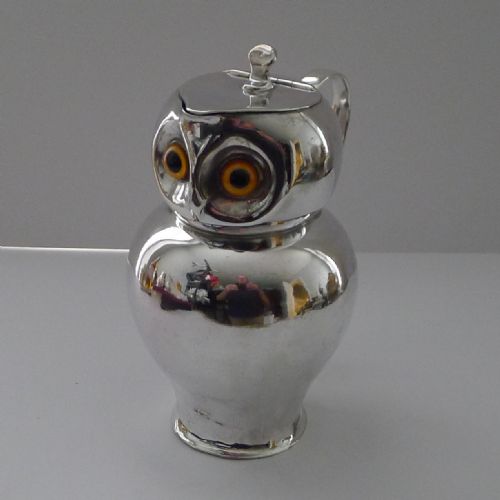
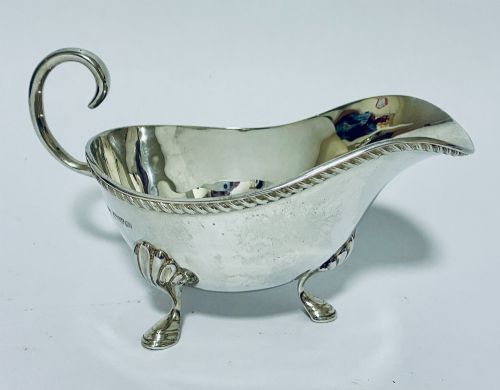
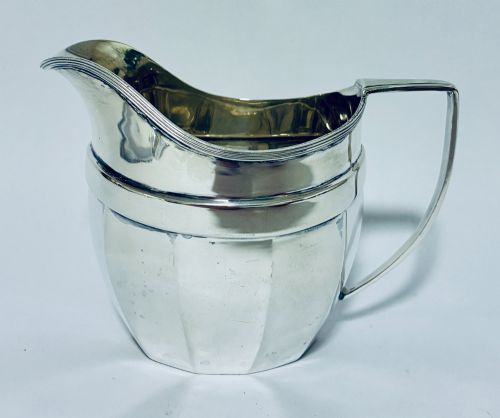
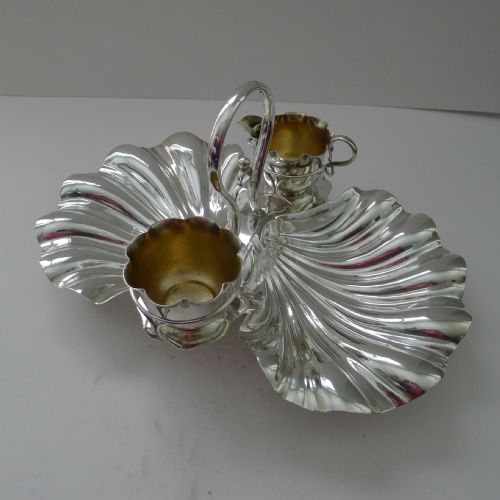
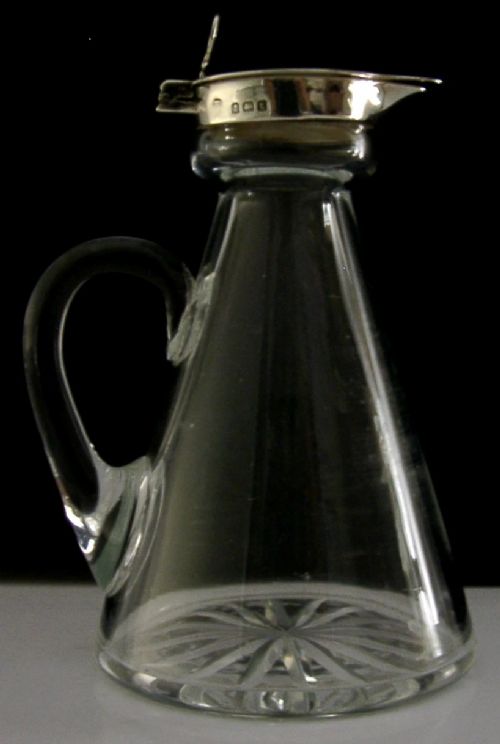
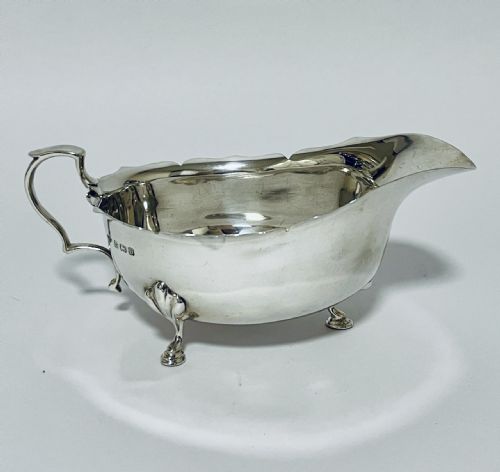
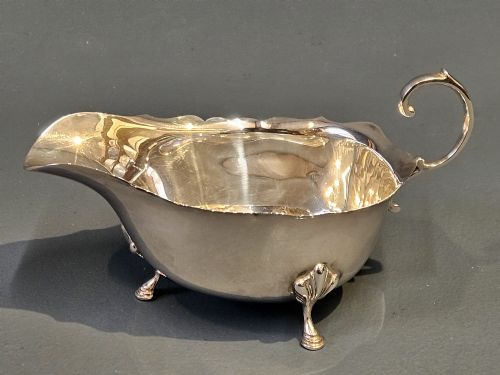
The selections range widely in form, incorporating small creamers and milk jugs, sauce boats, barware whisky noggins, and large decorative claret jugs.
Many examples combine solid sterling silver or silver plate with cut glass, ceramic stoneware, or earthenware bodies.
Materials and Technique
The pieces rely primarily on solid sterling silver, silver plate, or Old Sheffield plate, frequently paired with moulded cut crystal, salt-glazed stoneware, and ceramic bodies.
Silversmiths employed techniques such as casting, hand-hammering, and detailed engraving, while ceramic components often featured salt glazing or rich lustre finishes.
Assessing Quality
Quality rests upon the crispness of the chased or engraved detail, the weight and balance of the metal handle, and the structural integrity of the mounts.
In composite pieces, the standard is defined by the clarity of the cut glass or crystal and the secure, seamless fit of the silver rims and spouts.
Daniel Arter·Benjamin Smith·George Fox·Walker and Hall·Viner's
The English Silver Jug Glossary
- Sterling silver
- An alloy containing 92.5 percent pure silver by mass, standard for quality British tableware.
- Claret jug
- A large serving vessel, typically constructed from cut glass or crystal with an elaborate silver mount, handle, and hinged lid.
- Sauce boat
- An open boat-shaped vessel designed for gravies and sauces, frequently supported on three small feet.
- Whisky noggin
- A small spirit decanter or drinking jug, often featuring a star-cut base and a silver mount with a lip.
- Old Sheffield plate
- An early fused plating technique where a thin sheet of silver is fused to a copper core.
English Silver Jug: Frequently Asked Questions
How do I clean an antique silver jug?
Use a soft microfibre cloth and a reputable silver polish formulated to remove tarnish without being abrasive.
Avoid harsh chemical dips that can strip the original patina from engraved details and hallmarks.
Can I use these jugs for serving food?
Solid silver and silver-plated vessels designed for cream, milk, water, or wine remain entirely functional for modern dining.
Ensure you check the interior for any historical repairs or residue before serving consumables.
What is the difference between sterling and plate?
Sterling silver consists of solid precious metal marked with standard hallmarking symbols denoting purity and assay office origin.
Silver plate applies a thin layer of silver over a base metal such as copper, pewter, or nickel.
How do I identify the date of a piece?
British silver typically bears a series of hallmarks including a maker's mark, a standard mark, an assay office symbol, and a date letter.
Reference charts matching the specific letter shape to the town and year provide an exact date of manufacture.