



English Silver Hallmark Spoon
An English silver hallmark spoon carries centuries of silversmithing history in its stamped culls and lustrous metal.
English Silver Hallmark Spoon
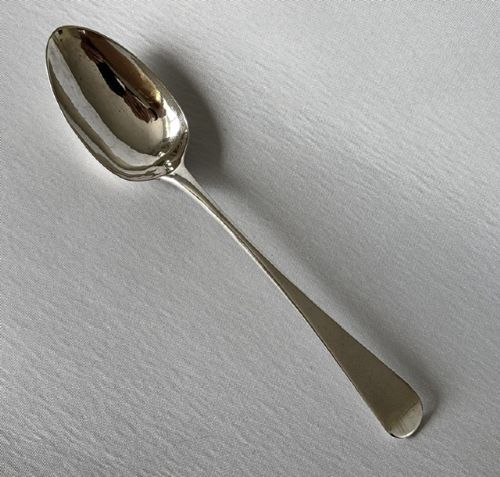
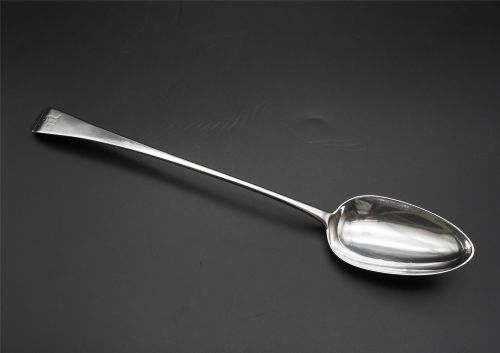
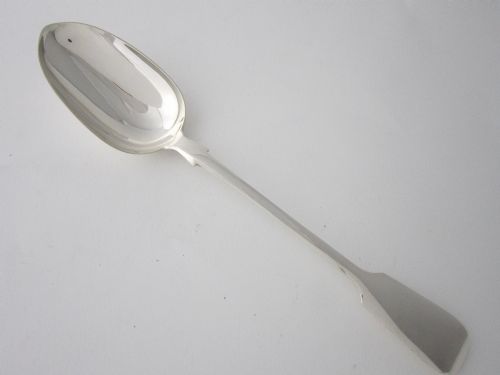
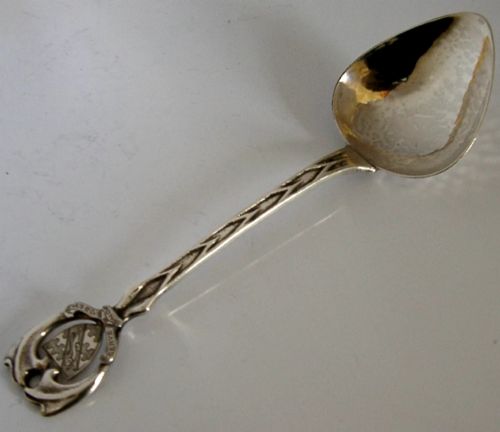
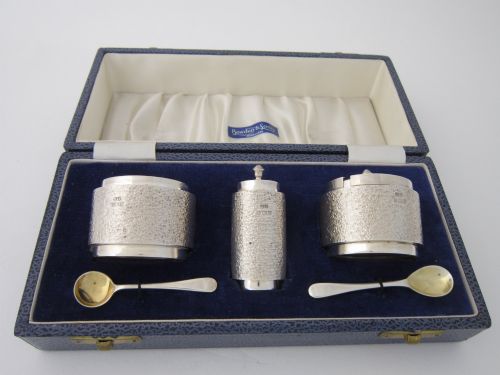
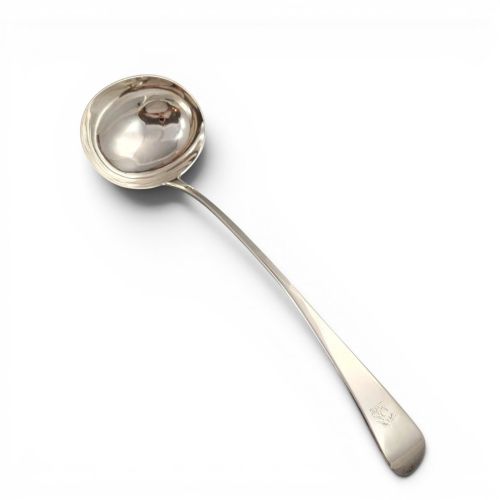
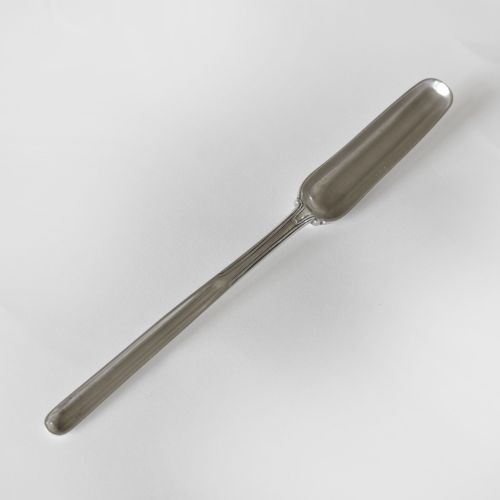
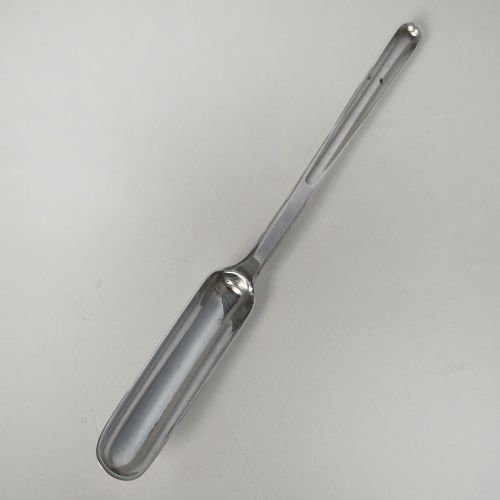
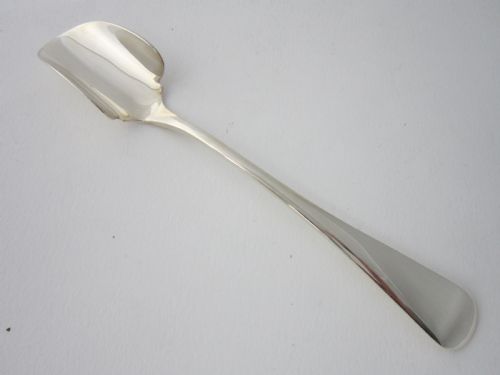
An English silver hallmark spoon encompasses everything from early seventeenth-century slip tops and trifids to Georgian soup ladles, Victorian caddy spoons, and mid-century condiment sets. These items range from practical dining implements like marrow scoops and basting spoons to decorative tea caddy spoons and coffee spoons.
Buyers browsing this selection frequently encounter Georgian table silver, seventeenth-century seal top spoons, and twentieth-century novelty pieces. The assortment spans centuries of domestic silver production, reflecting shifting dining habits and design styles from the Commonwealth period through to the mid-twentieth century.
The objects serve various historical functions, including serving soup, doling out tea leaves, extracting marrow, and stirring coffee. Each piece carries official assay office marks that verify its silver standard and year of manufacture.
How they were made
Silversmiths shaped these utensils primarily from sterling silver or Britannia standard silver, hammering and casting the metal into forms such as the Old English, Fiddle, and lace patterns. Artisans also utilised gold plate on specific items like silver-gilded coffee spoons.
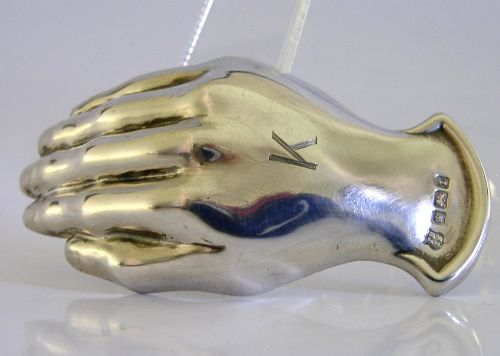
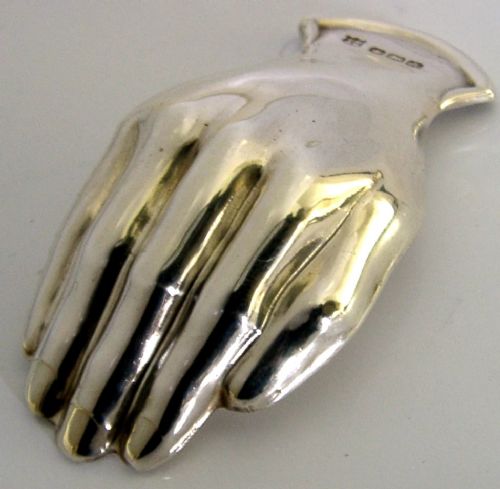
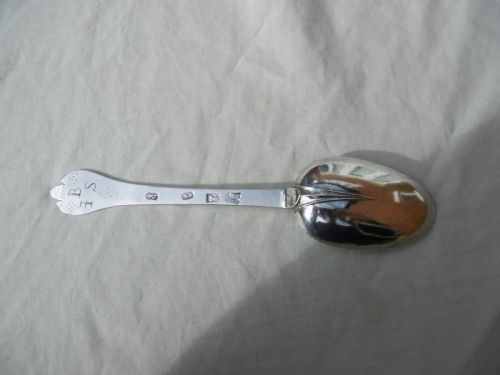
Makers struck the metal with punch marks to record the assay office, date letter, maker's mark, and silver standard, creating a permanent record of origin. Additional materials such as wood, glass, velvet, and fabric occasionally appear in fitted cases or associated sets.
Some seventeenth-century spoons double as personal seals, ready to stamp hot wax with a family crest after dinner.
What varies in quality
The crispness and legibility of the hallmarks greatly influence the standing of a piece, as clear stamps confirm authenticity and maker identity. Preservation of the original bowl shape and decorative engraving, such as bright-cut detailing or crests, distinguishes superior examples from heavily worn pieces.
The weight of the silver and the balance of the utensil in the hand demonstrate the maker's skill. Early hand-wrought pieces with intact original surfaces command distinct attention compared to items that have undergone excessive polishing over the centuries.
Peter and Jonathan Bateman·Jonathan Hayne·William Penstone·Daniel Cary·Thomas Issoa·Stephen Coleman·John Wilks·Hester Bateman·Wilmot Manufacturing Co·J Ladyman·Thomas Johnson·Cooper Brothers and Sons·WS Savage·Peter and Ann Bateman·Boaz Moses Landeck
The English Silver Hallmark Spoon Glossary
- Hallmark
- Official stamps pressed into precious metal to indicate the maker, standard of silver, assay office, and year of manufacture. These marks provide the primary documentation for dating antique silver.
- Seal top
- An early spoon style featuring a ornamental terminal shaped like a seal, popular during the sixteenth and seventeenth centuries. The flat end sometimes bore an owner's initials or crest.
- Trefid
- A late seventeenth-century spoon style characterised by a lobed, trifurcated terminal and a flat stem. This form evolved directly from earlier slip top and puritan designs.
- Caddy spoon
- A short-handled spoon specifically created for measuring dry tea leaves from a caddy into a teapot. These pieces often feature novelty bowls, shell designs, or bright-cut engraving.
English Silver Hallmark Spoon: Frequently Asked Questions
What is an English silver hallmark spoon?
An English silver hallmark spoon is a historical dining or serving implement bearing official government stamps that verify its metal purity, assay town, and production year. These items range from delicate tea spoons to large serving ladles.
Collectors prize them for their surviving condition, maker marks, and the distinct stylistic shifts they record across different centuries of British metalwork.
What were marrow scoops used for?
Marrow scoops were utilised at formal dining tables to extract animal marrow from bones for spreading on toast or adding to dishes. The double-ended design accommodated both large and narrow bone cavities.
By the Georgian era, these implements became standard additions to elite cutlery services.
How should I clean antique silver spoons?
You should wash antique silver gently in warm water with a mild, non-abrasive liquid soap and dry it thoroughly with a soft cloth. Avoid harsh chemical dips that strip away the natural patina accumulated over centuries.
Store the pieces in dry, tarnish-resistant environments away from direct sunlight.