


Vintage British Silver Tableware
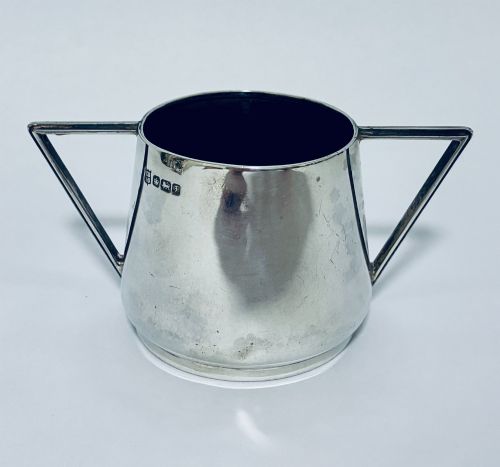
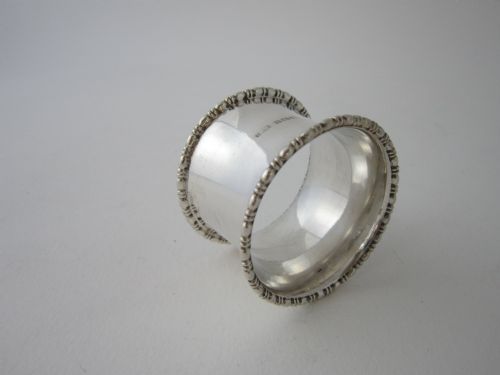
These vintage british silver tableware pieces range from Edwardian napkin rings to Art Deco sugar bowls, bringing functional elegance to the table.
Vintage British Silver Tableware
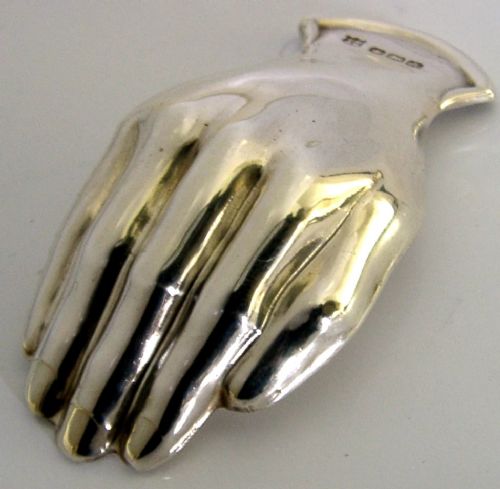
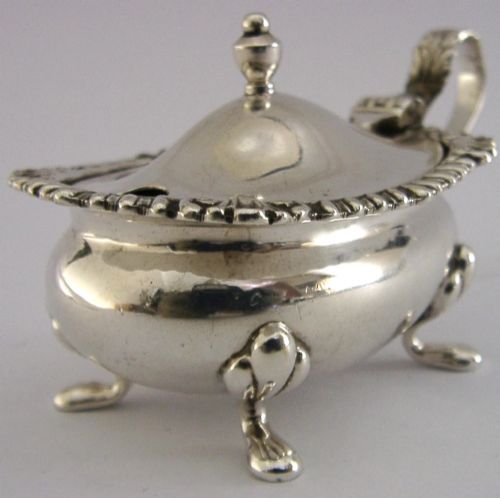
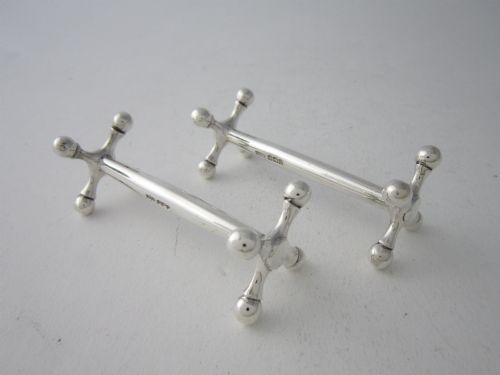
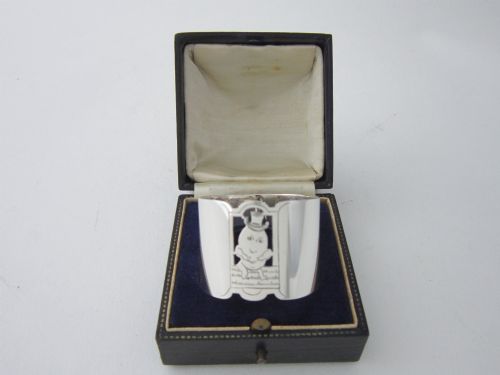
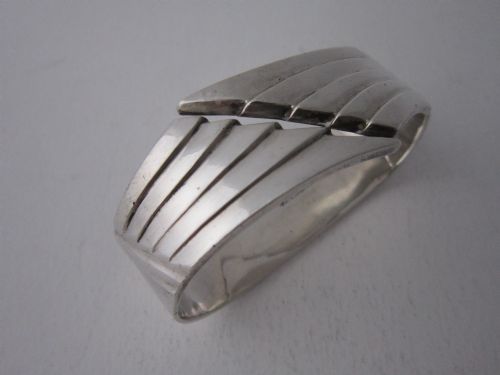
The selection includes specific forms like caddy spoons, knife rests, cream jugs, and candlesticks, often bearing hallmarks from reigns including George V and George VI. Pieces range from simple utilitarian designs to geometric Art Deco condiment sets and novelty items.
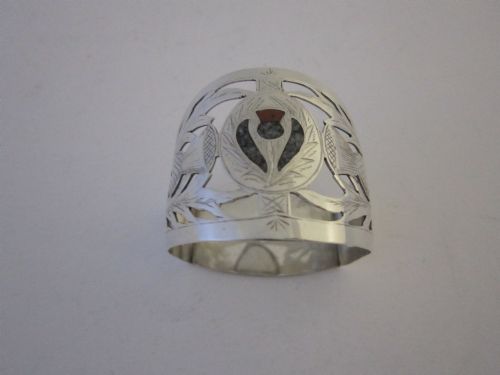
Earlier revivals and Georgian items also appear alongside mid-century pieces, reflecting changing dining customs across the decades. Most examples rely on solid sterling silver, occasionally paired with glass liners or decorative agate.
How vintage british silver tableware was made
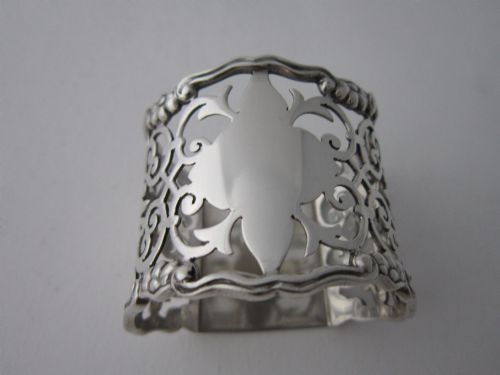
Silversmiths utilised traditional techniques such as casting, hammering, and piercing to shape sterling silver into intricate tableware forms. Components like condiment liners required fitted blue glass inserts, while decorative items incorporated natural materials like agate.
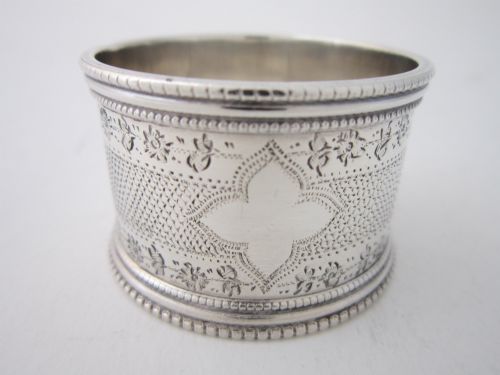
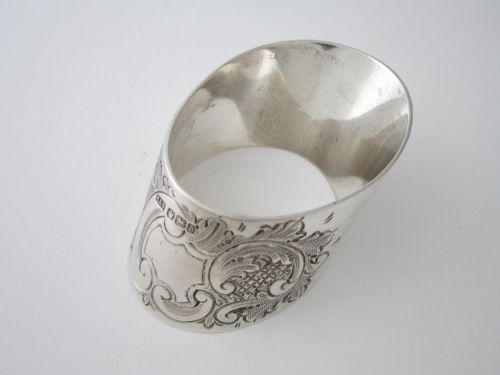
Makers applied surface finishing through polished techniques and detailed engraving, visible on napkin rings and serving spoons. Hallmarks were stamped directly into the metal to denote the standard of silver, assay office, and date of manufacture.
Materials appearing alongside silver include blue glass, agate, silk, and leatherette across various functional items.
What varies in quality in vintage british silver tableware
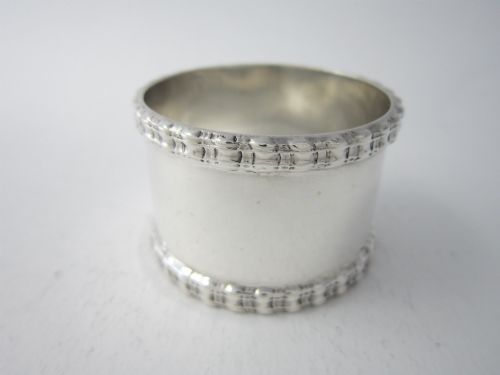
Weight and gauge of the sterling silver determine the physical substance and durability of items like napkin rings and toast racks. Thicker metal resists denting and maintains structural integrity during regular handling.
The clarity and completeness of hallmarks indicate the care taken in documentation and manufacturing standards. Finer pieces demonstrate precision in hinges, fitted components such as glass liners, and balanced proportions.
R. E. Stone·Robert Pringle And Sons
The Vintage British Silver Tableware Glossary
- Sterling silver
- An alloy containing 92.5 percent silver by mass, with the remainder consisting of other metals like copper. This standard composition provides the durability required for functional tableware items.
- Hallmark
- A set of official marks stamped onto silver articles by an assay office. These marks verify the purity of the metal, the maker, and the year of production.
- Condiment set
- A matched collection of small vessels designed to hold seasonings such as mustard, salt, and pepper at the dining table. These sets often include bespoke spoons and glass liners.
- Caddy spoon
- A small scoop specifically designed for measuring loose tea leaves from a storage caddy. They frequently feature decorative handles and novelty forms.
- Toast rack
- A small metal frame with vertical dividers used to hold slices of toast upright. This design prevents condensation from making the toast soggy before serving.
Vintage British Silver Tableware: Frequently Asked Questions
What is a silver toast rack used for?
A toast rack holds individual slices of toast upright on the breakfast table, allowing air to circulate around the bread so it remains crisp rather than soggy.
These pieces typically feature multiple arched dividers and a central carrying loop for easy placement during service.
How do I clean antique silver tableware?
Cleaning sterling silver requires a soft cloth and a specialised silver polish to remove tarnish without scratching the metal surface. Avoid harsh abrasives and abrasive dips that can damage intricate engraving or delicate hallmarks.
After polishing, wash the item in warm soapy water and dry it thoroughly with a lint-free cloth.
What does a blue glass liner do?
A blue glass liner sits inside open salt cellars or mustard pots to protect the sterling silver from corrosive food acids. These inserts allow the container to hold wet condiments safely.
Original liners add completeness to condiment sets and mustard pots from the Edwardian and mid-century periods.
How do I date British silver items?
Dating British silver involves reading the stamped hallmarks, which include a specific letter code corresponding to the year the piece was assayed. Additional marks identify the town office, such as the anchor for Birmingham or the leopard's head for London.
Maker's marks and reigning monarch profiles also help narrow down the decade of production.