




English Silver Dish
When you examine an english silver dish, you hold centuries of domestic metalwork spanning intimate nut bowls to grand presentation platters.
English Silver Dish
An english silver dish encompasses a wide variety of domestic and decorative vessels, ranging from small butter dishes and bon bon baskets to substantial fruit bowls and serving trays. Buyers searching this phrase encounter examples stretching from early pewter chargers and Queen Anne bleeding bowls up to mid-century modern sterling pieces.
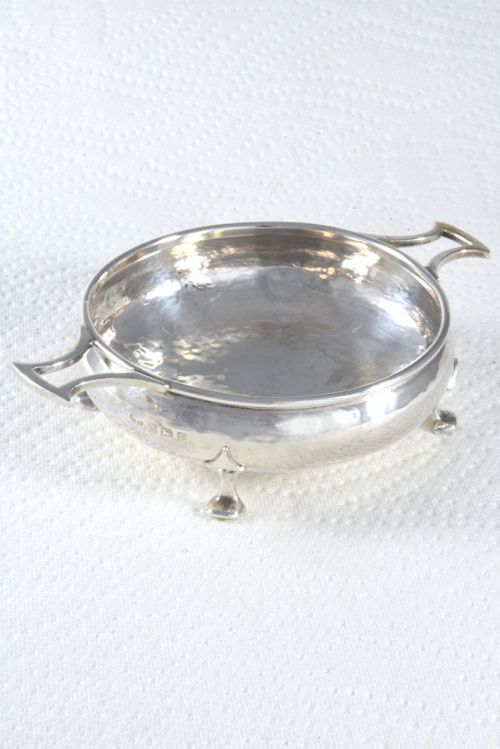
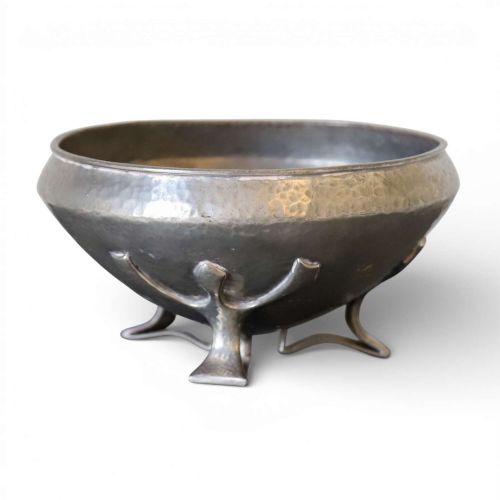
Arts and Crafts and Art Deco movements are well represented through works by notable makers and guilds, showcasing hammered surfaces and geometric silhouettes. Whether intended for dining, presentation, or display, these items reflect the shifting aesthetic priorities of British silversmithing over several hundred years.
How They Were Made
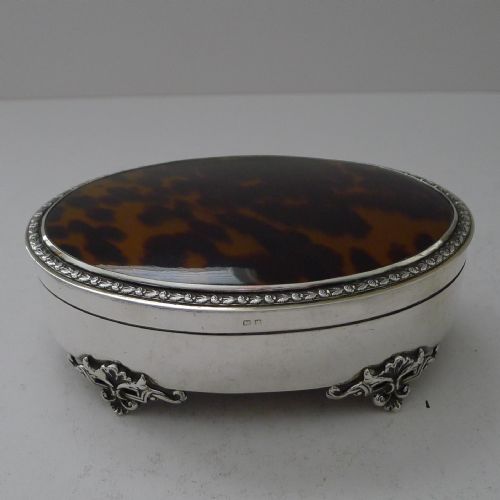
Traditional construction relies heavily on sterling silver or earlier Britannia standard silver, shaped through casting, raising from flat sheet metal, and piercing. Many domestic vessels combine silver with contrasting materials such as cut glass liners, ceramic bodies, oak mounts, or tortoiseshell panels.
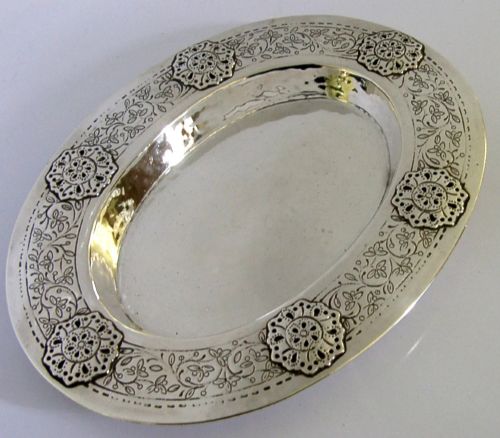
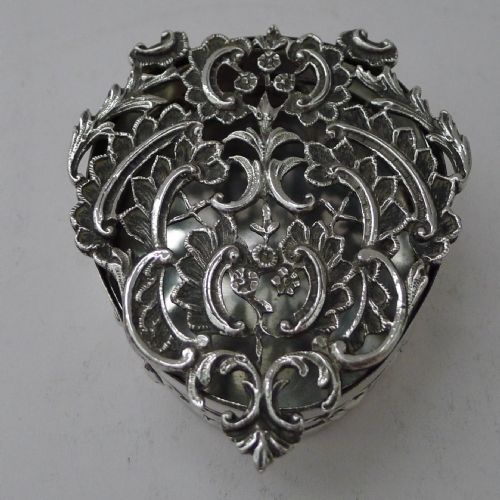
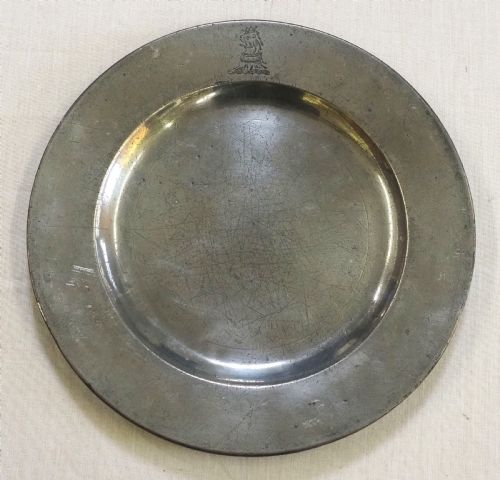
Surface ornamentation was achieved using techniques like chasing, embossing, and engraving, often depicting floral garlands, crests, or mythological scenes. Pewter items, popular in earlier centuries, were cast and lathe-finished with plain rims, while later silver-plated wares applied thin silver layers over base metals using developing industrial methods.
Listings feature items spanning the 17th, 18th, 19th, and 20th centuries, executed in sterling silver, pewter, ceramic, glass, and tortoiseshell.
What Varies in Quality
Quality in these vessels is dictated by the weight of the metal, the crispness of the chasing or piercing, and the integrity of any applied ornamentation. Heavier gauge silver provides structural rigidity and prevents distortion, distinguishing superior domestic items from lighter, mass-produced alternatives.
The involvement of recognised workshops, prominent silversmiths, or specific guilds elevates a piece, as does the retention of original glass liners, matching components, and clear hallmarks. Finer examples demonstrate deliberate hand-finishing, such as visible planishing marks on Arts and Crafts pieces or exquisitely detailed cast mounts.
A E Jones·Walker & Hall·William Neale·Liberty & Co·Oliver Baker·Daniel Arter·William Comyns·James Spackman·Fenton Brothers·William Bateman·Paul Storr·Mappin and Webb·Theo Fennell·Thomas Templeman·Gorham·Adie Brothers·Harrison Brothers & Howson·William Devenport·Stanley G Morris·Gillian Packard
The English Silver Dish Glossary
- Bon bon basket
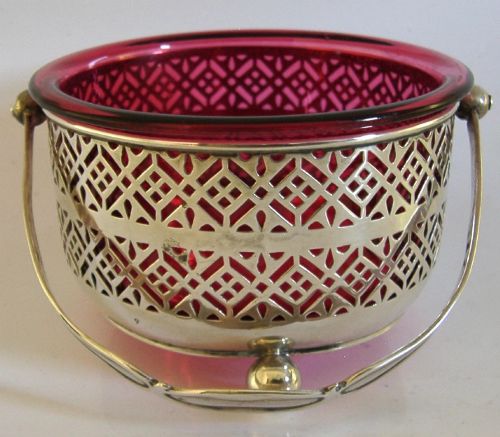
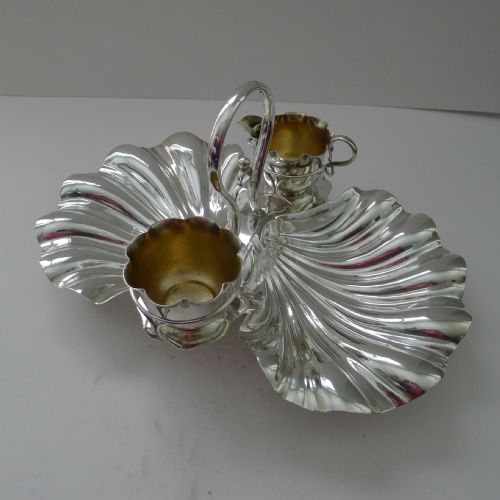
- A small, often pierced open vessel designed for holding sweets or small confectioneries during formal dining. These typically feature swing handles and delicate openwork frames.
- Tazza
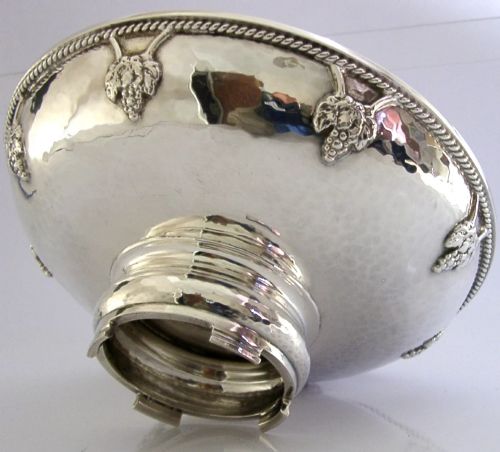
- A small shallow bowl or dish raised on a formal foot or pedestal base. This footed form elevates the display of fruit or sweetmeats on the table.
- Porringer
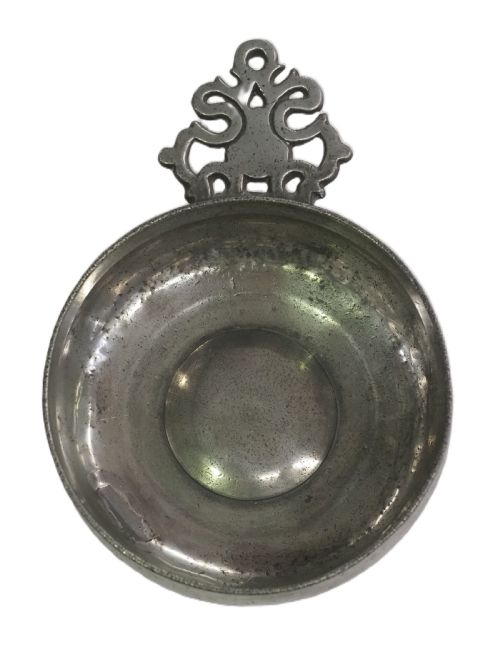
- A shallow, two-handled bowl used in earlier centuries for porridges, broths, or bleeding practices. Early examples are frequently fashioned from pewter or high-purity silver.
- Charger
- A large decorative or serving plate placed beneath other courses or used independently for display. These heavy platters often feature plain or moulded rims and family crests.
- Planishing
- A hammering technique used by silversmiths to smooth, shape, and harden metal surfaces while leaving a subtle texture. This method is particularly characteristic of the Arts and Crafts movement.
English Silver Dish: Frequently Asked Questions
What is the difference between sterling and silver plate?
Sterling silver is a solid alloy containing a standardised high proportion of pure silver combined with strengthening metals like copper. Silver plate consists of a thin layer of silver bonded to a base metal core, such as copper or nickel brass.
Hallmarks stamped directly into the metal typically identify solid silver pieces, whereas plated items often carry manufacturer marks indicating their plated nature.
How can I date an english silver dish?
British silver items almost universally rely on official assay office hallmarks to establish a precise date of manufacture. These stamped marks include date letters, maker's initials, and symbols indicating the city of assay and metal purity.
Pewter and unhallmarked base metal wares are dated by stylistic cues, maker touchmarks, and construction methods characteristic of specific centuries.
Were these dishes meant for daily use?
Many items, such as butter dishes, jam pots, and serving trays, were produced for active dining and household service. Others, including decorative tazzas and presentation bowls, served ceremonial functions or ornamental roles in period homes.
Their robust construction in solid silver or heavy plate means they remain well-suited for contemporary domestic use with proper care.