
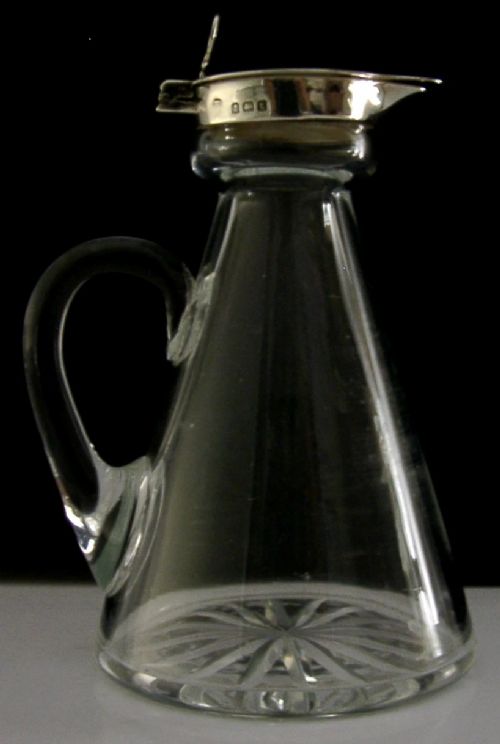


English Silver Decanter
When you handle an english silver decanter, you hold a piece of history designed for service, tradition, and the dining room table.
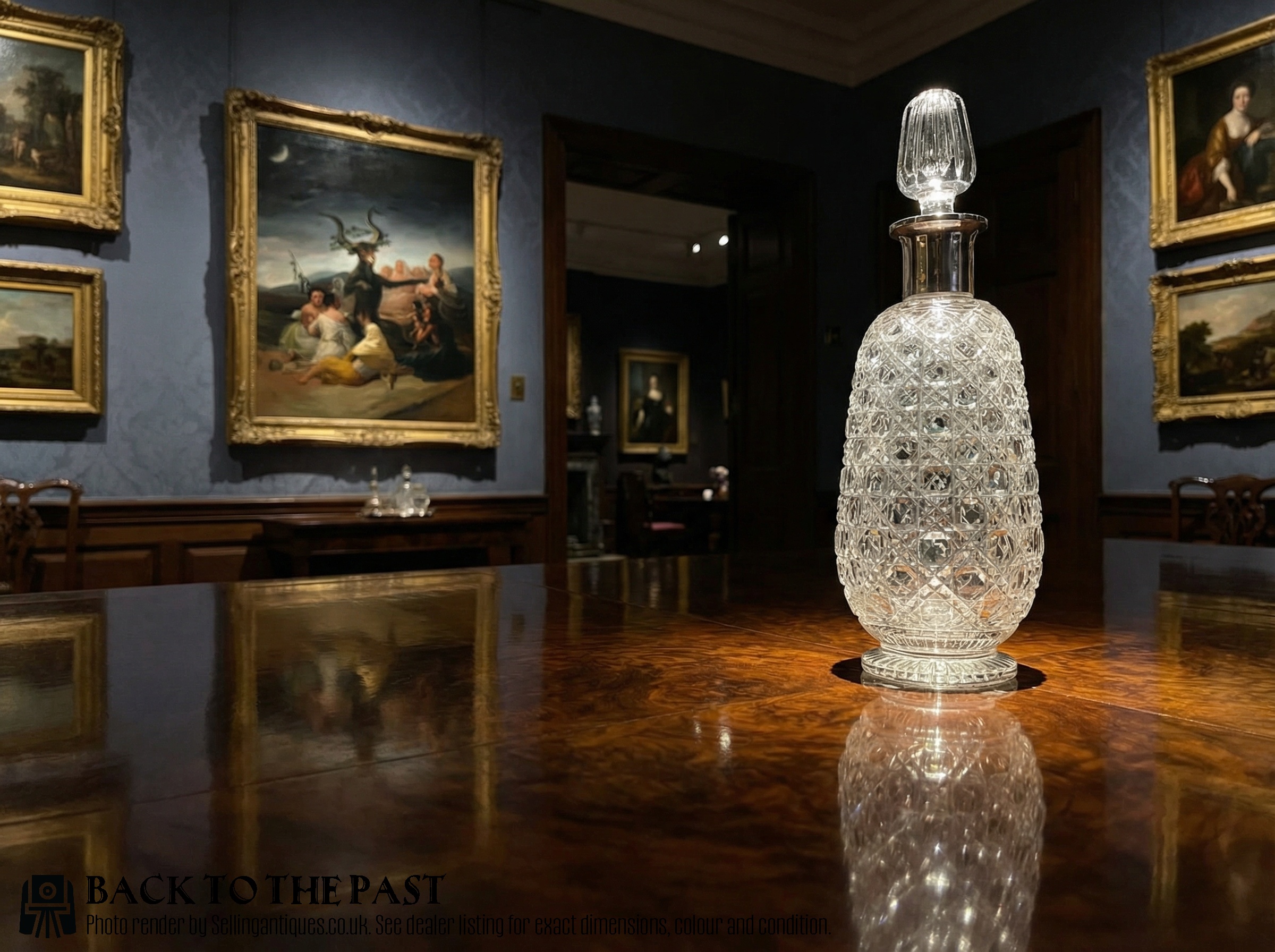
English Silver Decanter
An english silver decanter brings together heavy vessel glass and precious metal mounts, spans periods from the Georgian era to the mid-twentieth century, and serves drinks like whisky, claret, and port. The form changes from miniature whisky noggins and single flasks to large crystal bodies with collars, stoppers, and silver labels.
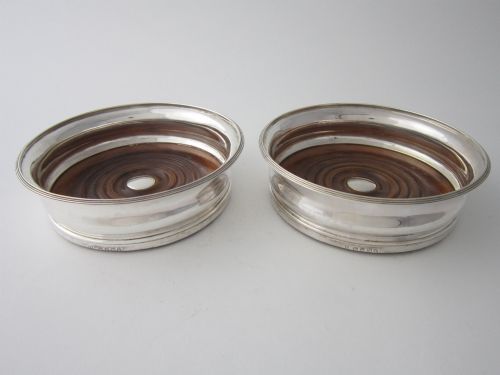
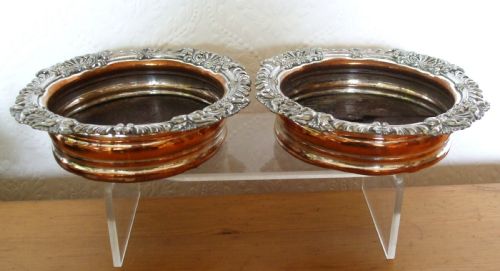
You will frequently encounter Edwardian and Victorian examples on this page, alongside Georgian pieces and later Art Deco designs. These vessels appear both as standalone bottles and housed within tantalus sets or serving trays alongside wine coasters and funnels.
Materials and construction methods
Makers shaped vessels from heavy cut crystal, moulded glass, and ceramic, pairing them with mounts of sterling silver or silver plate. Metal components required specialist casting, chasing, and hallmarking to verify purity and origin.
Collars, handles, and stoppers were fitted directly to glass bodies, while labels relied on thin sheet silver stamped with vine leaf motifs or specific drink names like port, sherry, and gin.
Listings feature vessels from the Georgian, Victorian, and Edwardian eras, utilising cut crystal, sterling silver, and silver plate.
Separating everyday utility from masterwork production
Quality rests in the weight of the glass, the clarity of the crystal cut, and the thickness of the silver mounts. Finer examples display crisp hallmarks, heavier sterling silver rather than plate, and tightly fitted stoppers.
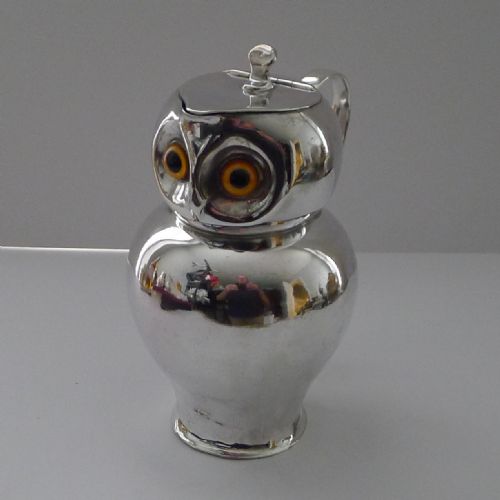
Design complexity also marks the upper tier, seen in locking mechanisms, novelty forms such as owls or spirit barrels, and complete matching service sets by recognised makers.
Solomon Hougham·Elizabeth Morley·Barnsley and Co·Mappin and Webb·Hukin and Heath·Mappin Brothers
The English Silver Decanter Glossary
- Decanter label
- A small silver tag hung by a chain around the neck of a bottle to identify the contents, such as port or claret. These often feature pierced lettering and vine leaf decoration.
- Tantalus
- A wooden or metal locking frame that secures decanters to prevent unauthorized access to the spirits inside. It typically houses two or three glass bottles.
- Whisky noggin
- A small individual spirit decanter or jug, often holding a single measure known as a tot. They frequently feature a single silver collar and a pouring lip.
- Wine funnel
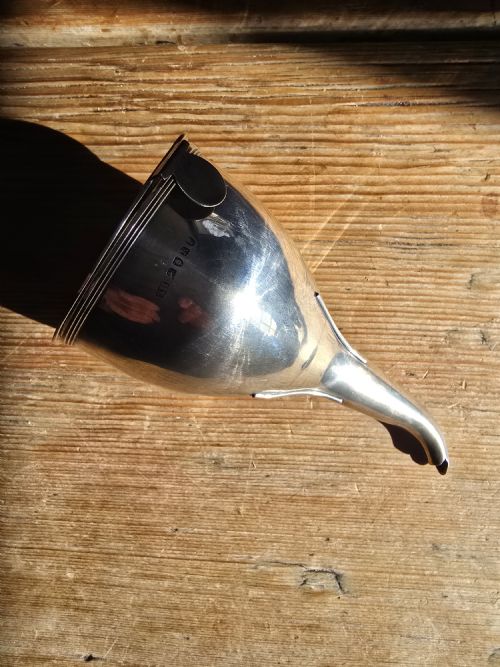
- A conical utensil used to decant wine into the bottle while filtering out sediment. Georgian examples in sterling silver are particularly sought after by collectors.
- Silver plate
- A base metal, such as copper or Britannia metal, coated with a thin layer of pure silver. It was widely used for coasters, frames, and novelty spirit barrels.
English Silver Decanter: Frequently Asked Questions
How do I use a silver decanter?
Pour wine or spirits directly from the bottle into the crystal vessel before serving at the dining table. Ensure the stopper is returned firmly after pouring to maintain the spirit.
For older vintages, use a silver wine funnel to strain sediment as the liquid enters the decanter. Clean the interior carefully after use to prevent staining on the glass.
What is a tantalus set?
A tantalus is a locking wooden or metal frame designed to hold two or three decanters securely in place. The mechanism prevents guests or servants from pouring drinks without the key.
Originating in the Victorian period, these sets often incorporate games boxes or compartments for cards alongside the spirits.
How do I date an english silver decanter?
Examine the silver mounts for town marks, date letters, and maker's stamps which indicate the exact year and assay office. Hallmarks provide the most reliable guide to the manufacturing date.
Stylistic cues, such as the heavy cutting of Victorian crystal or the geometric lines of Art Deco pieces, help narrow down the period when hallmarks are absent.
What is a whisky noggin?
A whisky noggin is a miniature decanter or jug meant for an individual serving of spirits. They usually consist of a small glass body with a sterling silver collar and handle.
These pieces were common in Edwardian bars and smoking rooms, often accompanied by a small silver label naming the contents.