
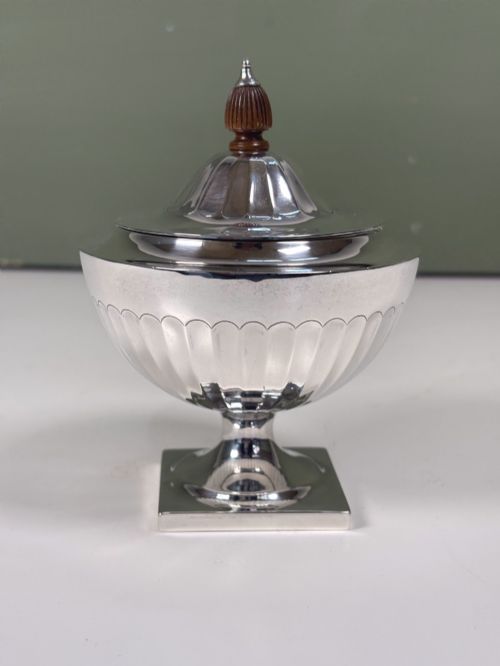


English Silver Caddy
An english silver caddy offers a tactile piece of tea-drinking heritage, designed to keep dry leaves secure in period homes.
English Silver Caddy
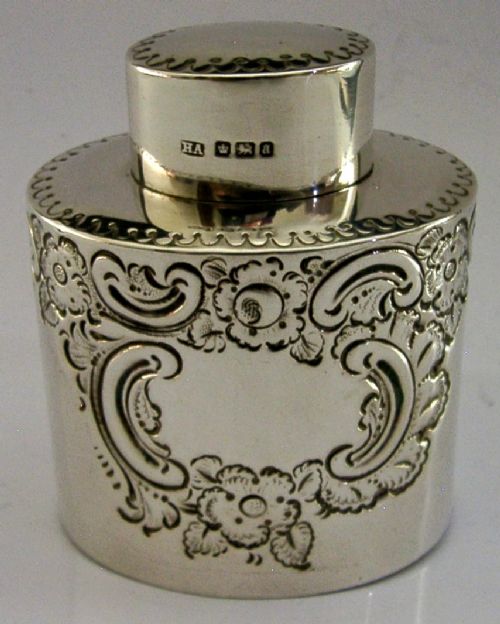
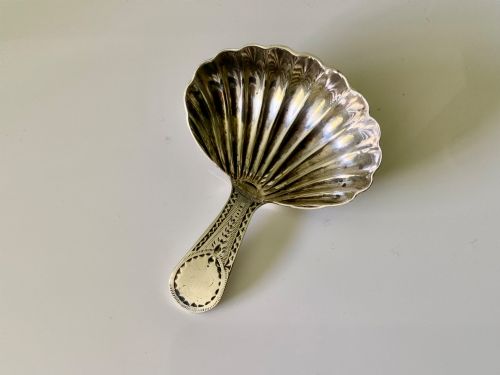
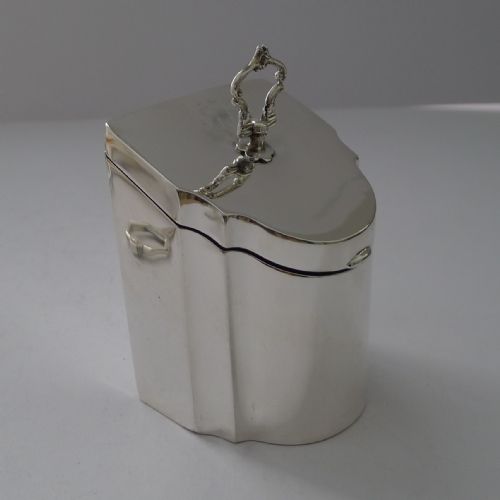
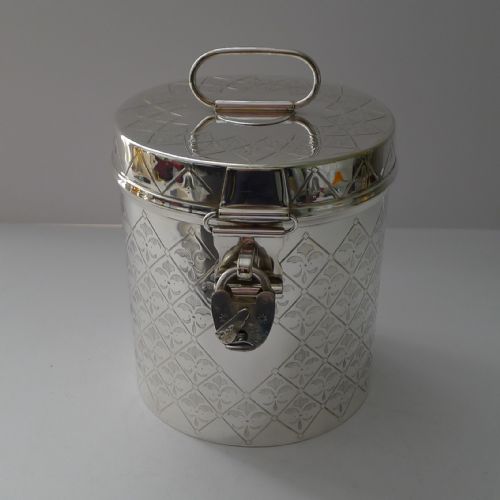
Buyers will most frequently encounter solid sterling silver caddies and associated caddy spoons dating from the late nineteenth and early twentieth centuries. These range from heavy, panelled Edwardian boxes to delicate Georgian spoons bearing bright-cut engraving.
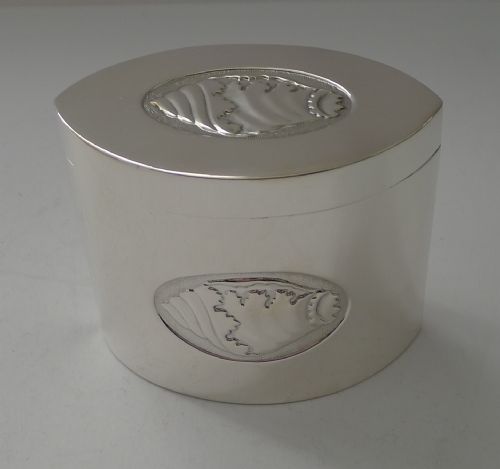
Alongside standard lidded boxes, the selections include related tea equipage items such as cut glass jars with silver mounts and specialised caddy spoons featuring shell bowls or figural handles.
How They Were Made
The objects are constructed predominantly from solid sterling silver or silver plate, utilising traditional silversmithing techniques such as casting, piercing, hammering, and hand engraving. Many examples incorporate wooden elements, oak bodies, or cut glass inserts to create sturdy vessels.
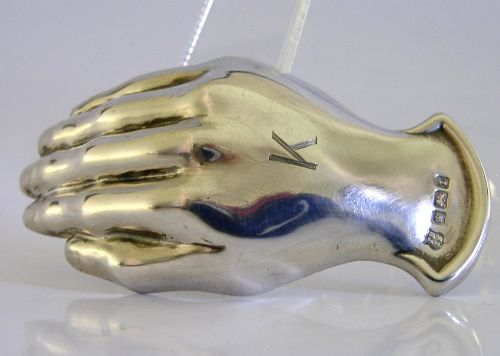
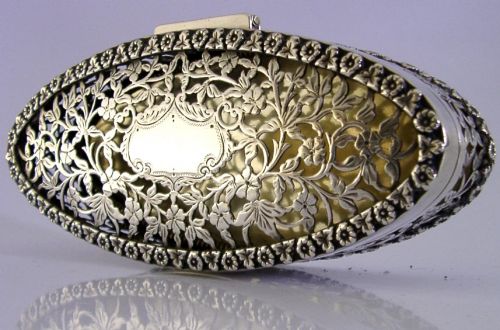
Makers applied decorative finishes ranging from smooth polished surfaces to planished Arts and Crafts textures and intricate cast cherub motifs. Hallmarks stamped directly into the metal provide verifiable records of the assay office, year of production, and maker's mark.
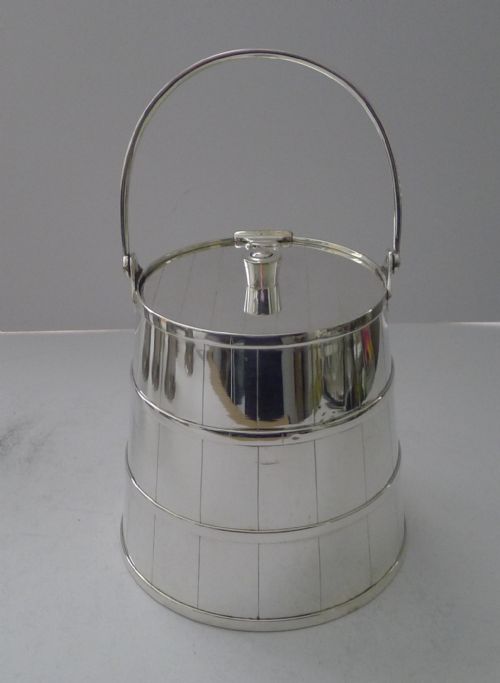
Several items disguise themselves as unexpected household objects, including miniature paint tins, animal figures, and rolling caravan wagons.
What Varies in Quality
Quality in an english silver caddy rests upon the thickness of the metal gauge, the crispness of any hand-engraved or cast decoration, and the structural integrity of the hinges and lids. Substantial weight and balanced proportions distinguish superior silversmith work from lighter production pieces.
The distinctiveness of the design also elevates certain items, particularly novelty forms or pieces bearing hallmarks from notable workshops. Preservation of clear, legible hallmarks and original interior foil or wooden linings adds significant collectible merit.
Mappin and Webb·Daniel Arter·William Rudkins·Ernest Druiff and Co·Asprey and Co·Atkin Brothers·Amy Sandheim·William Pugh
The English Silver Caddy Glossary
- Sterling Silver
- A standard alloy consisting of ninety-two point five percent silver by mass, with the remainder comprising other metals like copper for durability. This material forms the primary substance of high-grade antique boxes and spoons.
- Hallmark
- An official stamp or series of marks applied to precious metals to indicate the standard of purity, the assay office, and the year of manufacture. These symbols allow collectors to trace the exact origin of a piece.
- Caddy Spoon
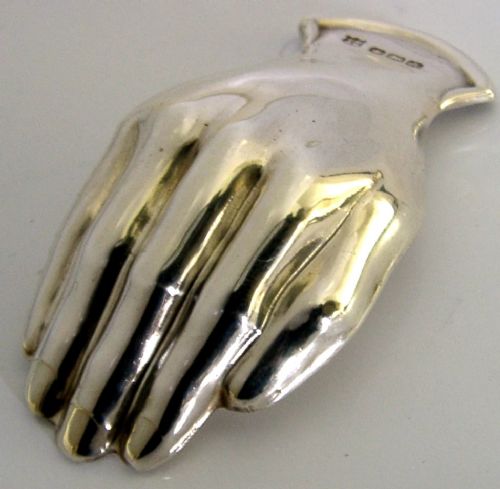
- A specialised small spoon utilised for measuring dry tea leaves from the caddy into the teapot. They frequently exhibit decorative bowls shaped like leaves, shells, or hands.
- Bright-Cut Engraving
- A surface decoration technique utilising faceted angled cuts to create sparkling geometric patterns on silver. This method was widely favored on late eighteenth and early nineteenth-century items.
- Planished
- A hand-hammered surface texture produced by striking metal with a polished hammer to create subtle flat facets. This finish is particularly characteristic of Arts and Crafts silverwork.
English Silver Caddy: Frequently Asked Questions
What is an english silver caddy used for?
These vessels were originally manufactured to store valuable loose tea leaves securely in domestic drawing rooms. Because tea was an expensive commodity in earlier centuries, the containers often featured secure lidded designs.
Today, they serve as decorative display items on sideboards or as functional containers for small dried goods. Collectors also utilise them to store specialty teas in a traditional manner.
How do I date an antique silver caddy?
Dating relies primarily upon the official hallmarks stamped into the metal surface by assay offices in cities like London, Birmingham, and Sheffield. A specific date letter within these stamps corresponds to the exact year the item was tested and finished.
Stylistic cues such as Victorian scrollwork, Edwardian weightiness, or Art Deco geometric lines also help assign a piece to a broad period when hallmarks are rubbed.
Are caddy spoons found inside the boxes?
Most antique caddy boxes are encountered separately from their original measuring spoons, as the two items became separated over generations of use. Collectors frequently assemble matched or period-appropriate pairings independently.
Standalone caddy spoons represent a distinct collecting category due to the vast diversity of figural and patterned handles produced by silversmiths.
How should I clean antique silver?
Maintenance requires minimal intervention using a soft cloth and specialised silver polish designed to preserve the metal surface and historical patina. Harsh abrasive cleaners must be avoided entirely to protect fine engravings and cast details.
Storing pieces in dry environments away from direct sunlight prevents rapid tarnishing and protects any internal wooden or glass components.