





English School Portraiture
English school portraiture captures likenesses across centuries in oil paint, offering a direct view into the faces of the past.
English School Portraiture
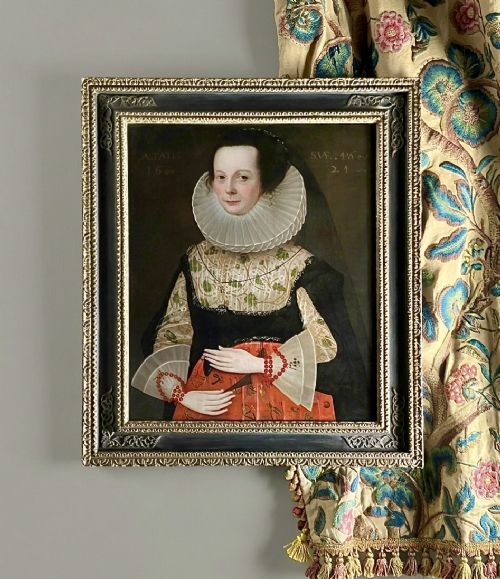
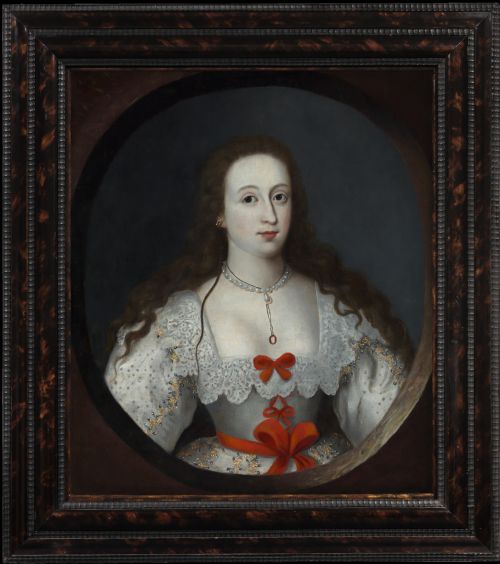
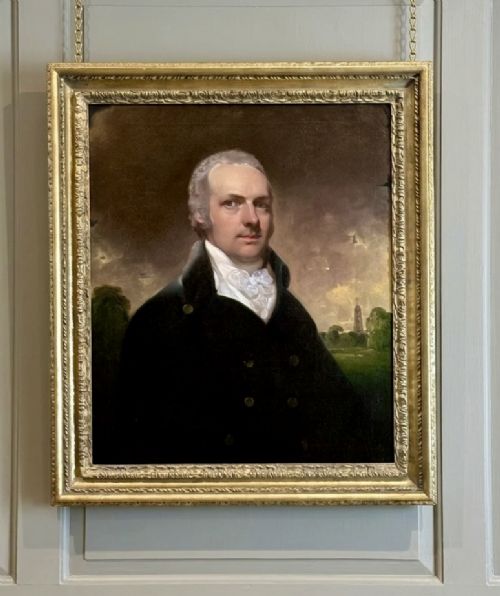
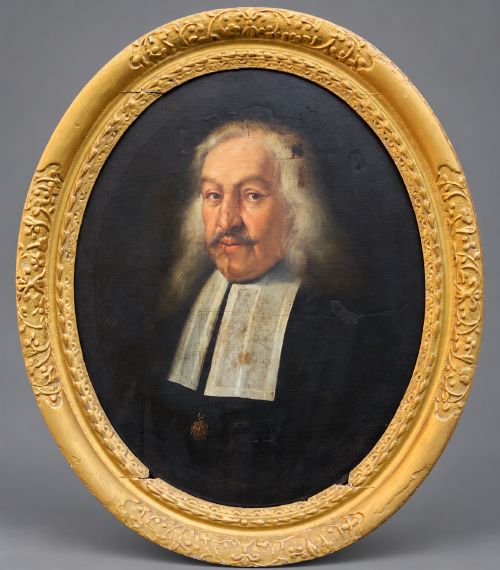
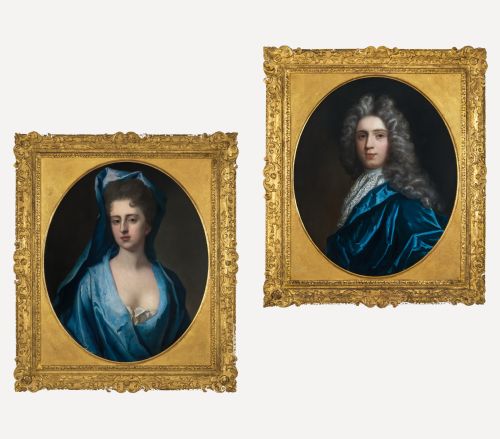
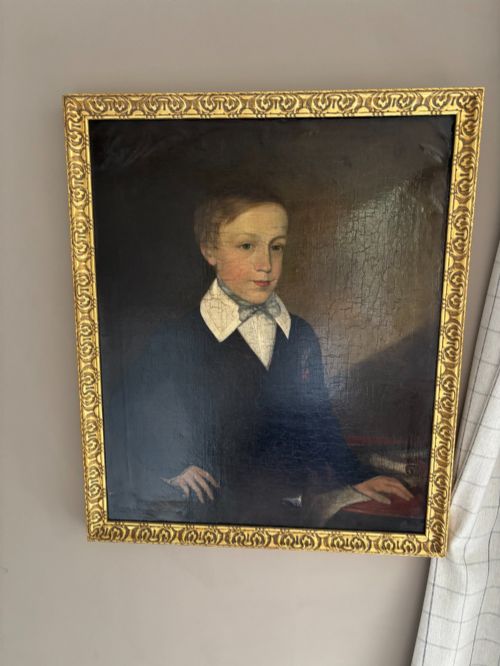
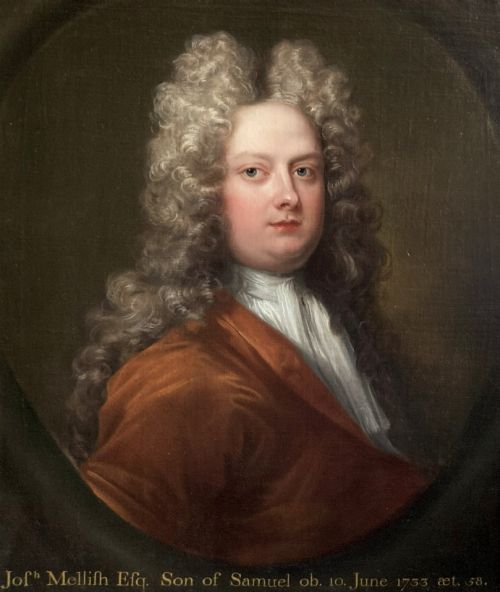
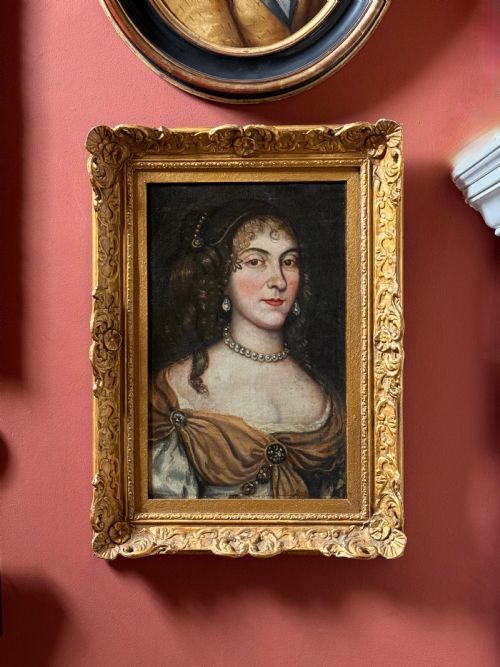
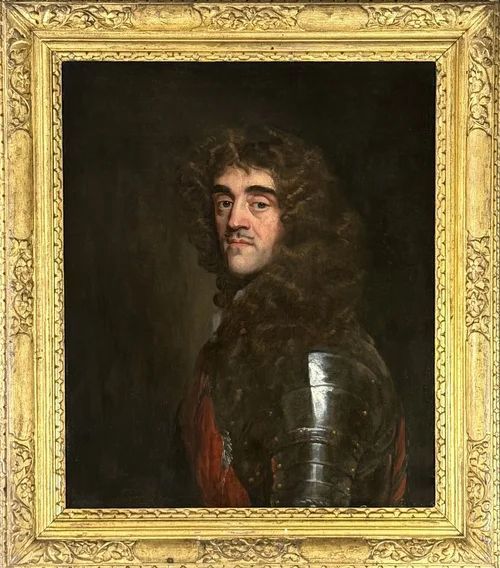
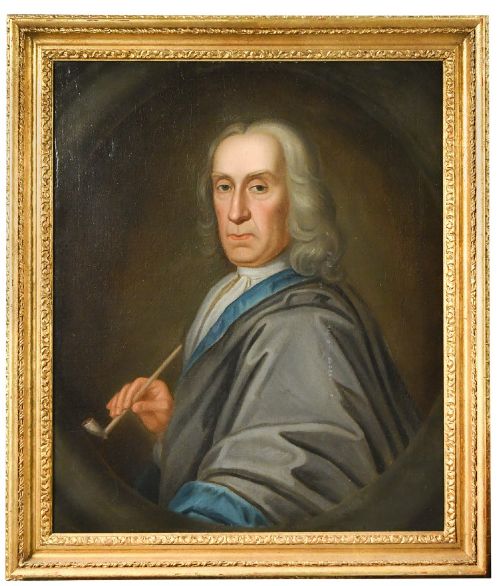
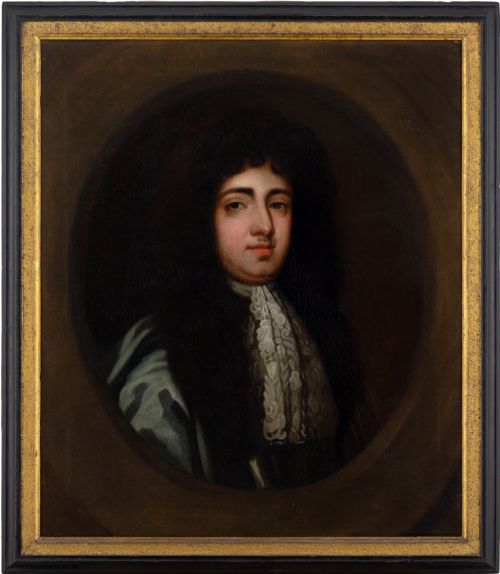
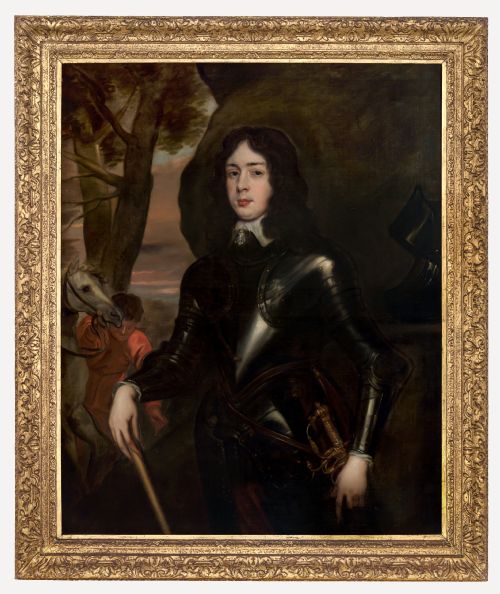
English school portraiture comprises oil paintings originating from various historical periods, capturing sitters ranging from nobility to children. When exploring this selection, a buyer encounters works spanning the seventeenth, eighteenth, and nineteenth centuries, alongside Georgian and Regency examples.
The subjects appear in diverse formats, from bust-length depictions to full-length studies. Anonymous canvases attributed to regional makers sit alongside identified works by named painters.
Assessing quality
Condition plays a central role in valuation, particularly the stability of the paint layer and the presence of historic restorations. Original stretchers and untouched surfaces elevate the standing of a canvas.
English School Portraiture Retail Price Guide 2026
Typical asking prices for english school portraiture among the pieces listed under this phrase on Sellingantiques today, from the lower quarter to the upper quarter. They describe what is for sale here now, not the wider market.
The selection includes portraits executed on both canvas and panel supports across the seventeenth, eighteenth, and nineteenth centuries.
Charles Jervas·Cornelius Johnson·Robert Byng·Enoch Seeman·Francis Alleyne·George Henry Harlow
The English School Portraiture Glossary
- Canvas
- A heavy woven fabric stretched across a wooden frame to serve as a support for oil paint. It provides a textured surface that interacts with the applied pigments.
- Giltwood
- Wood carved and coated with gold leaf or metallic powder to create a decorative frame. These frames often reflect the prevailing aesthetic of the period in which the portrait was painted.
- Oil paint
- A slow-drying medium consisting of pigments suspended in a drying oil, typically linseed. This medium allows artists to blend colours smoothly and achieve luminous glazes.
- Panel
- A flat wooden board used as a painting support before canvas became dominant in the seventeenth century. Oak panels are particularly common in early British works.
English School Portraiture: Frequently Asked Questions
How do I date an English school portrait?
Dating relies on the sitter's costume, hairstyle, and any visible inscriptions or dates on the canvas. The style of the frame and the physical characteristics of the canvas or panel also offer reliable chronological clues.
Comparison with documented works by known contemporaries helps narrow the decade of creation. Experts examine pigment composition and stretcher construction to confirm the period.
What does English school mean?
The term denotes works produced in England or by artists working within the British tradition, often when a specific authorship remains unknown. It groups together regional painters and anonymous hands sharing common stylistic influences.
Many pieces lack a signature but display technical traits characteristic of a particular century. This designation provides a framework for understanding the piece's cultural origin.
How should I care for an oil portrait?
Keep paintings away from direct sunlight, extreme temperature fluctuations, and high humidity to prevent the canvas from slackening and the paint from cracking. Display them on interior walls where the environment remains stable.
Dust the surface gently with a soft, dry brush without applying pressure. Avoid using liquid cleaners or chemical solvents on the paint layer.
Why are some sitters unidentified?
Sitters frequently lost their identities over the centuries as families dispersed and inventories were separated. Lack of documentation or family records left portraits anonymous.
In some instances, costume details and heraldry provide clues to a family lineage without revealing the exact individual. Researching regional dress can sometimes reconnect a face with a name.