


English School Portrait Art
English school portrait art captures centuries of British faces, recording likenesses from seventeenth-century nobility to Victorian subjects in oil and canvas.
English School Portrait Art
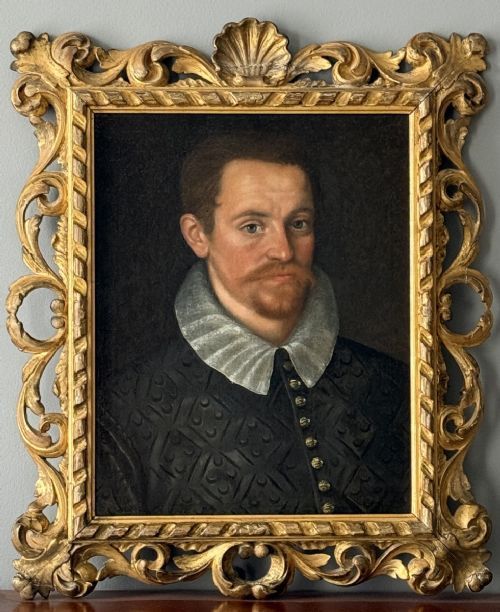
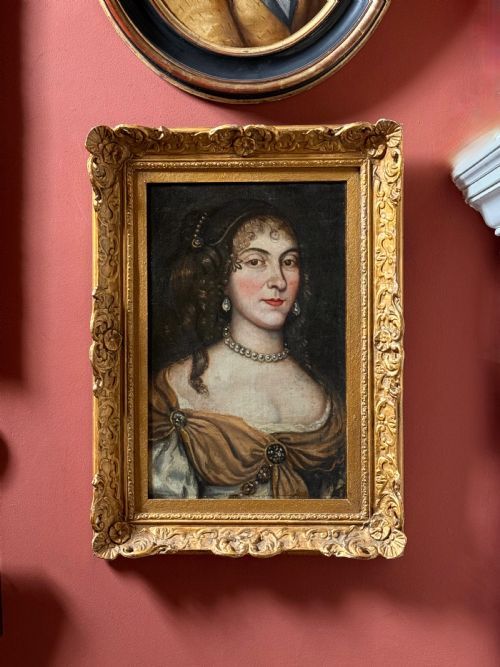
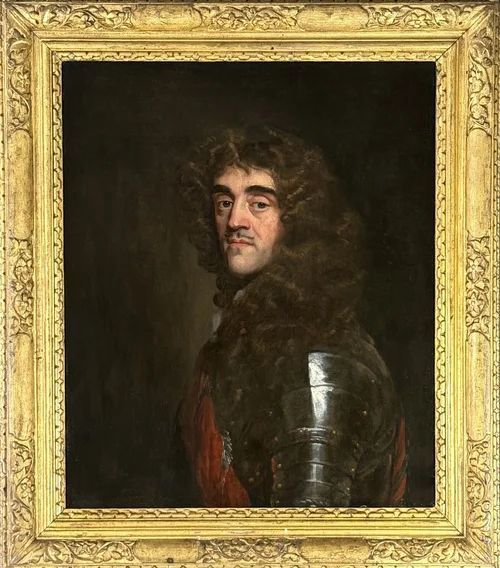
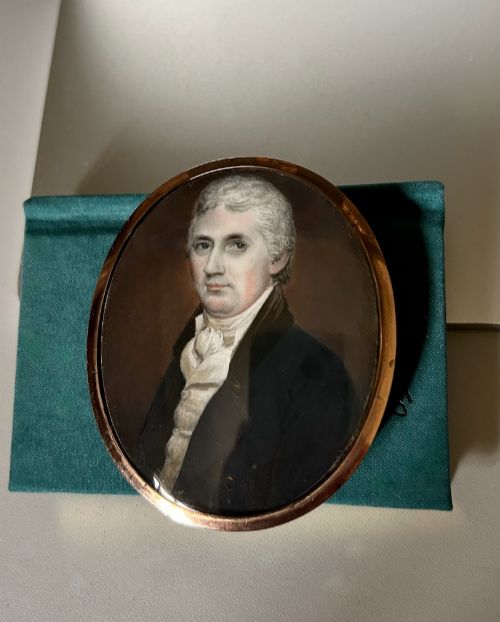
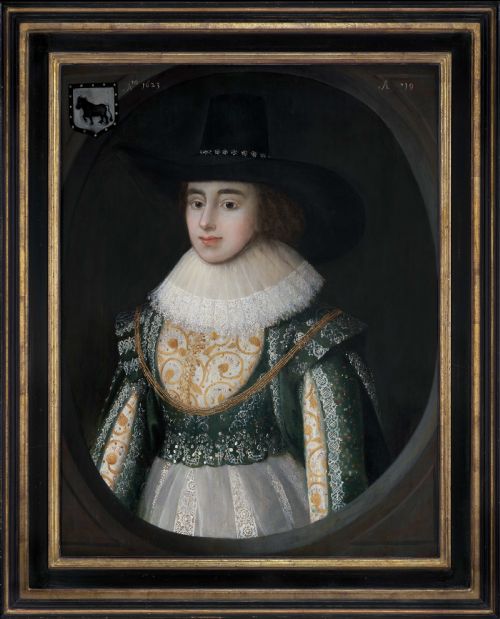
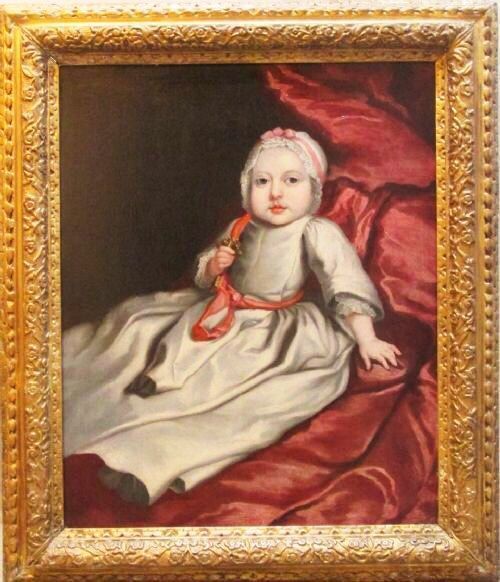
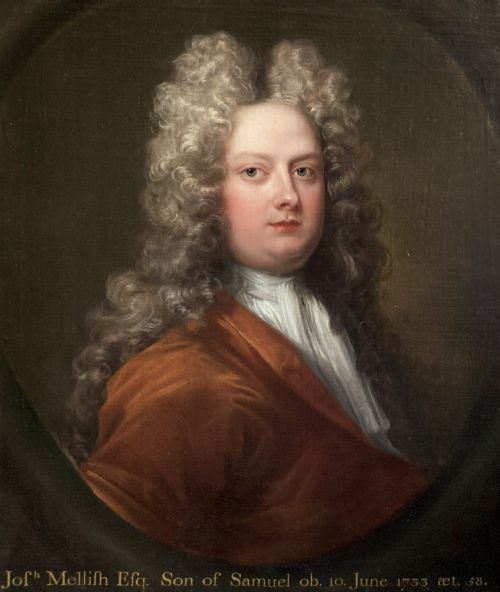
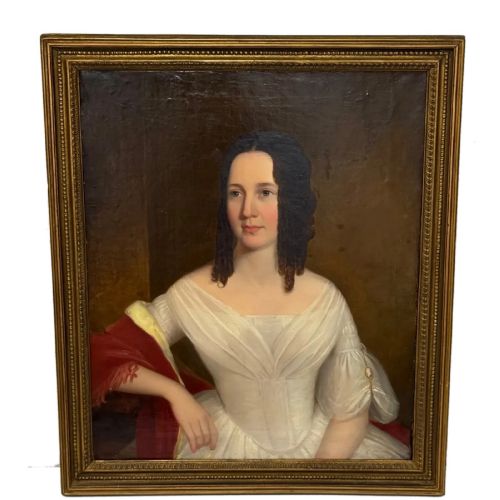
English school portrait art encompasses paintings depicting identifiable sitters and anonymous historical figures produced across several centuries by British artists and regional workshops. These works range from tightly rendered seventeenth-century panels to expansive nineteenth-century canvases and mid-century oils.
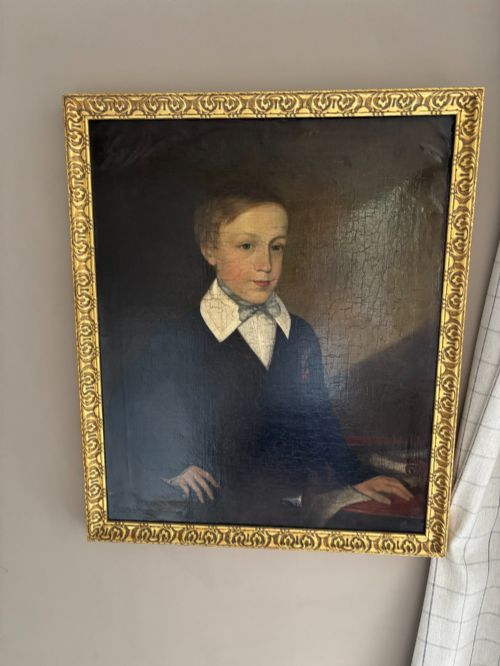
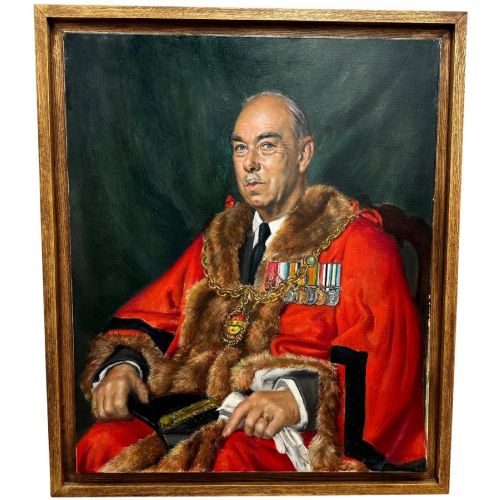
The pieces on this page lean heavily toward oil on canvas, though pastel, watercolour, and enamel works also appear alongside wood panel supports. Sitters include nobility, military officers, architects, mayors, and children, often captured in half-length or seated poses.
Many examples emerge from named circles or stylistic traditions, such as Jacobean, Georgian, and Victorian movements, providing a direct visual link to past eras of British society.
What Varies in Quality
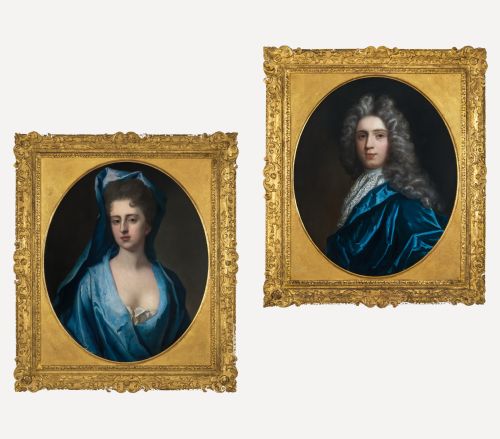
The standard of execution in English school portrait art rests upon the anatomical precision of the hands and face, the depth achieved in the textiles and drapery, and the handling of light across the subject. Master works display subtle tonal gradations that impart a convincing three-dimensional presence to the sitter.
Provenance and attribution also differentiate the works, as pieces tied directly to recognised hands, documented sitters, or established contemporary circles carry greater historical weight than anonymous regional examples. The preservation of the original canvas, pigment stability, and the integrity of the period giltwood frame further influence the standing of an individual piece.
The listings span from the seventeenth century through the Victorian era, utilising oil on canvas, wood panels, and paper.
Sir William Beechey·Charles Jervas·Bernard Hailstone·Henry Bone·Joshua Reynolds·James Watson·Michael Dahl·Thomas Murray·Mary Beale·Sir Godfrey Kneller·John Russell·Thomas Lawrence·John Greenhill·Trajan Hughes·Adriana Verelst·Cornelius Johnson·Anthony van Dyck·Thomas Beach·John Riley·John Closterman·Joseph Highmore·Hans Holbein·Alfred Egerton Cooper·Frederick Richard Say
The English School Portrait Art Glossary
- Canvas
- A heavy woven fabric stretched across a wooden stretcher frame to serve as a primary support for oil paint. It became the standard base for British portraiture from the seventeenth century onward.
- Giltwood
- Wood that has been coated with a thin layer of gold leaf or metallic powder. Frames made in this style were designed to complement the dark tones of oil portraits.
- Jacobean
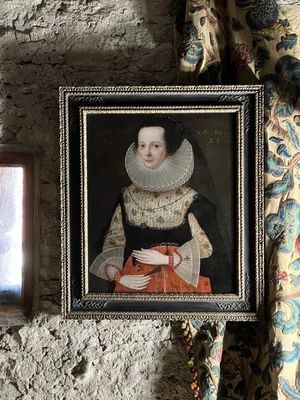
- The style of art and design spanning the reign of James I, noted in portraiture for stiffly posed sitters in elaborate embroidered doublets and stiff ruffs.
- Mezzotint
- A printmaking process of the intaglio family where tonal gradations are achieved by roughening the copper plate. It was frequently used to reproduce famous painted portraits.
- Panel
- A flat piece of wood used as a rigid support for paintings prior to the widespread adoption of stretched canvas. Early seventeenth-century works frequently utilise this medium.
English School Portrait Art: Frequently Asked Questions
What defines English school portrait art?
English school portrait art refers to paintings created by artists working within the British tradition, capturing local sitters using established regional techniques. These works document the changing fashions, social hierarchies, and artistic methods across centuries of British history.
The category bridges formal court commissions and simpler provincial works, offering a diverse record of historical likenesses.
How should I care for an oil portrait?
Oil portraits require stable indoor environments away from direct sunlight and excessive humidity to prevent the canvas from sagging or the paint from cracking. Gentle dusting with a soft, dry brush is generally sufficient for surface maintenance.
Avoid hanging antique pieces above active heat sources or on damp exterior walls to protect both the canvas and the historic frame.
How can I tell the period of a portrait?
The clothing, hairstyles, and ruffs or collars worn by the sitter provide the most immediate clues to a portrait's date. Technical elements, such as the weave of the canvas and the construction of the wooden stretcher or panel, also help confirm the era.
Stylistic conventions of the background, including the presence of draped curtains or landscape vistas, shifted predictably from the seventeenth to the nineteenth century.
What is the difference between a circle and a follower?
A portrait from the circle of an artist was painted by someone closely associated with that master, often working in the same studio and sharing techniques. A follower is an artist who was influenced by a master's style but worked independently, sometimes generations later.
Both terms help contextualize historical pieces where direct signatures are absent but stylistic lineage is clear.