

English Rustic Dining Chair
An english rustic dining chair brings vernacular charm to the table, combining honest local timbers with generations of practical use.
English Rustic Dining Chair
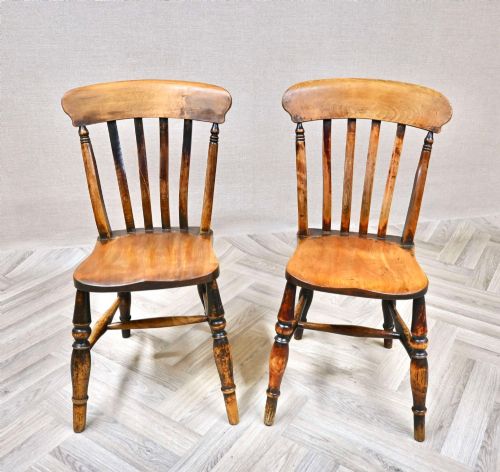
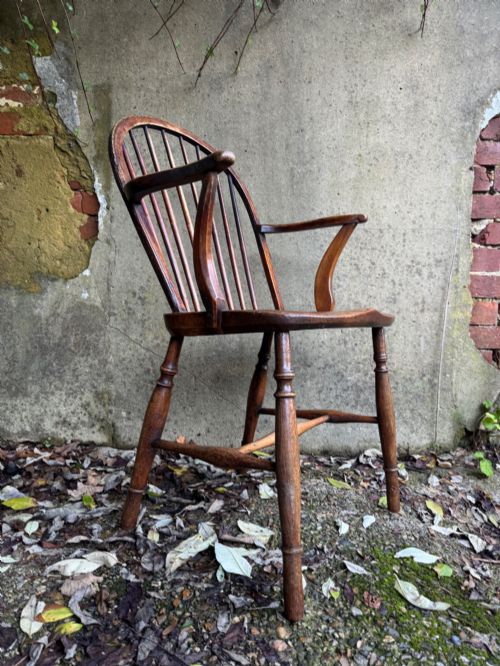
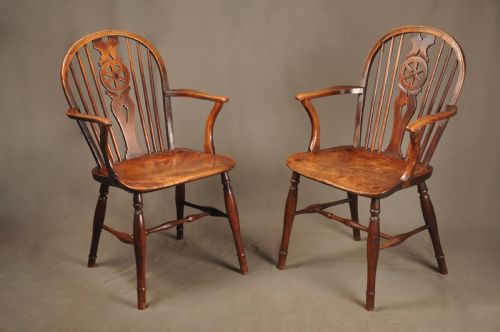
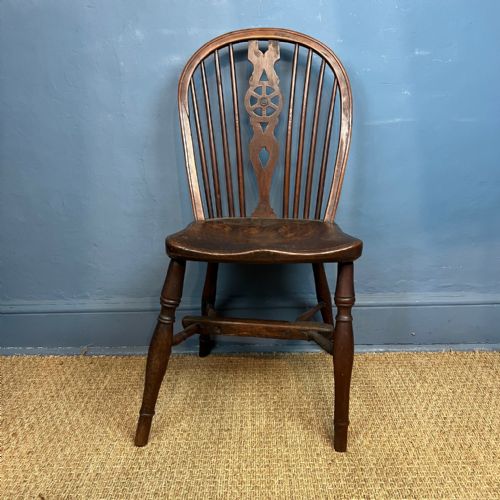
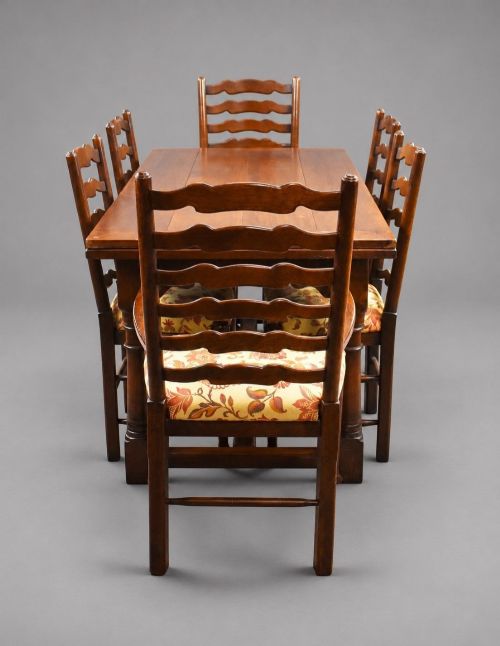
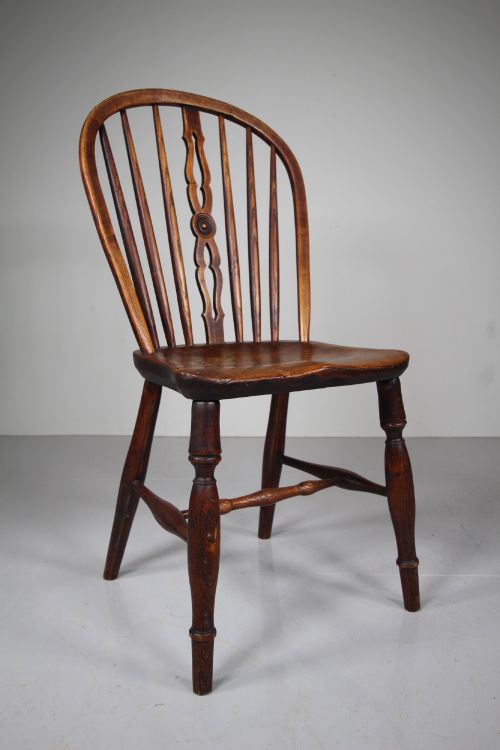
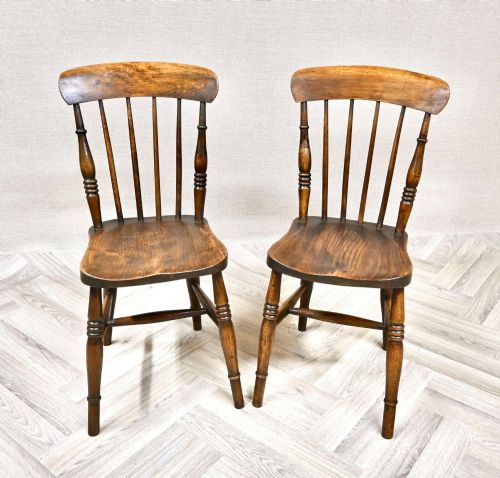
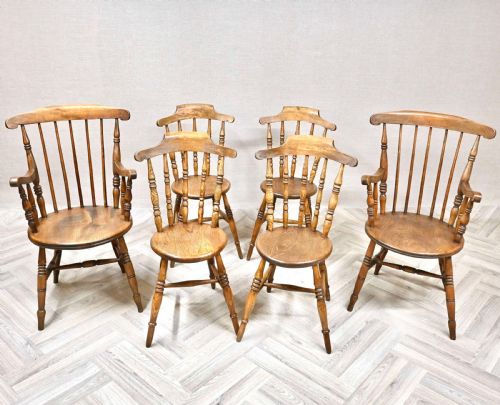
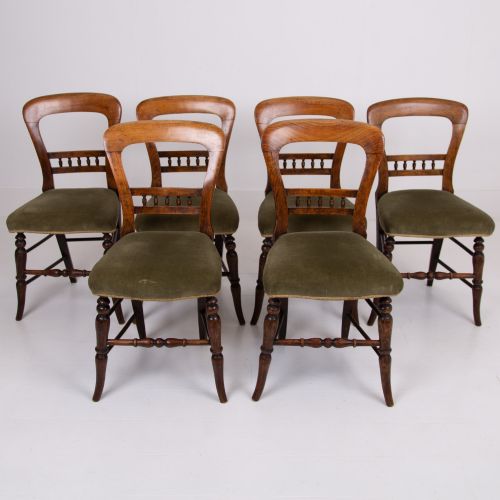
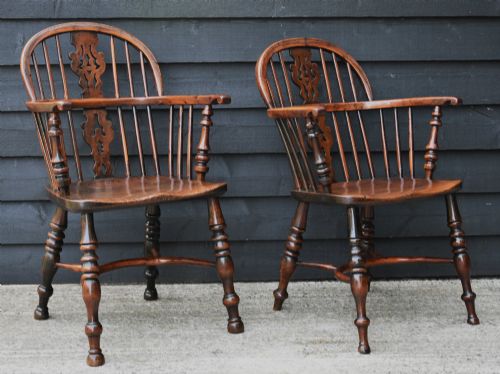
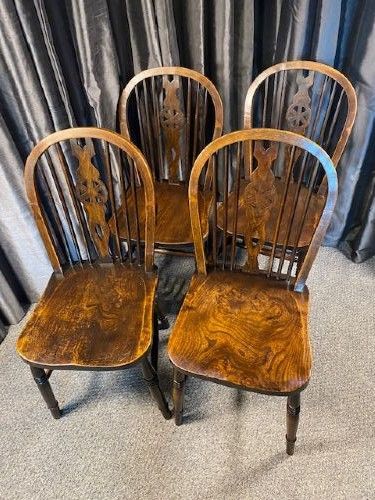
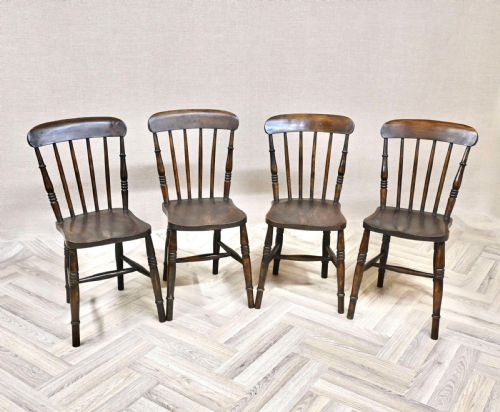
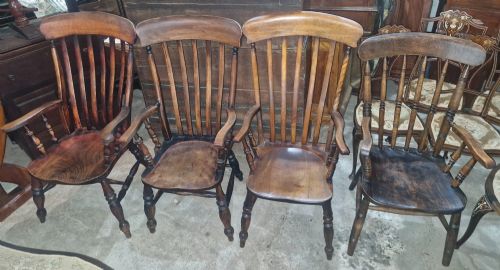
An english rustic dining chair encompasses vernacular seating made across rural workshops and farms from the eighteenth century into the twentieth. You will frequently encounter wheelbacks, stick backs, and ladderbacks designed for everyday domestic dining.
The material vocabulary centres on resilient regional timbers, predominantly elm seats paired with ash, beech, or oak frames. These pieces range from single farmhouse side chairs to substantial sets gathered from country kitchens.
Origins stretch from regional hubs like the Thames Valley to Shropshire, reflecting local traditions rather than strict London fashions. Regional turners shaped these chairs for durability and simple comfort around the hearth or table.
Materials and Construction
Elm provides a tough, interlocking grain ideal for solid saddle seats that resist splitting under heavy daily use. Turners used green or seasoned timber, pairing flexible ash for spindles with beech and oak for structural legs and stretchers.
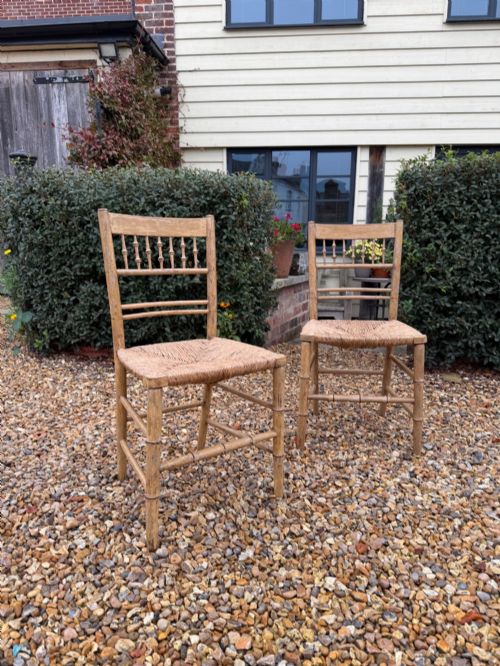
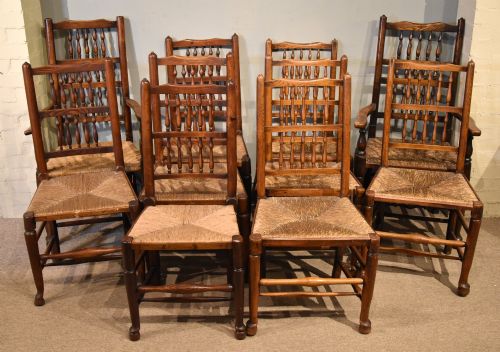
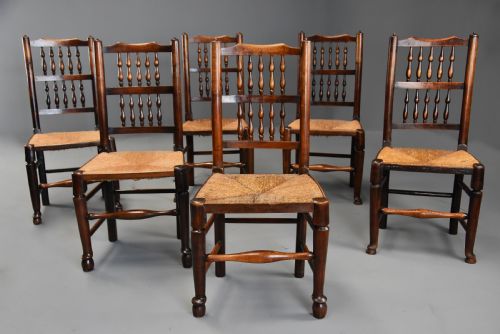
Joinery relies on wedged tenons and traditional pegging rather than modern adhesives, allowing frames to flex slightly without failing. Rush seating also appears woven onto ladderback frames, adding pliable texture to sturdy hardwood skeletons.
English Rustic Dining Chair Retail Price Guide 2026
Typical asking prices for english rustic dining chair among the pieces listed under this phrase on Sellingantiques today, from the lower quarter to the upper quarter. They describe what is for sale here now, not the wider market.
Assessing Quality and Character
Quality rests on the integrity of the timber selection and the sharpness of the original turning. Superior examples display deep figuring in the elm seat and well-defined spindles that have worn smoothly through long use.
Proportion and stance separate ordinary workshop output from finer vernacular pieces. A balanced hoop or comb back with pleasing rake to the legs shows the maker's eye for geometry and comfortable posture.
Worksop Allsop
The English Rustic Dining Chair Glossary
- Windsor chair
- A wooden chair featuring a solid carved seat into which the legs and back sticks are independently tenoned. This design evolved through various regional styles including hoop backs and comb backs.
- Lathe back
- A chair back incorporating flat, vertically arranged slats shaped on a woodturning lathe. These slats support the sitter while keeping the upper frame lightweight.
- Rush seat
- A woven seating surface constructed from dried marsh rushes twisted into cords. It offers a resilient, slightly springy texture common in traditional ladderback chairs.
- Bobbin turned
- A style of furniture leg or stretcher shaped to resemble a series of wooden reels or bobbins. This decorative turning technique appears frequently on seventeenth and eighteenth century oak seating.
English Rustic Dining Chair: Frequently Asked Questions
How do I spot a true Windsor chair?
Look for a thick solid wooden seat into which the legs and back spindles are driven directly. This distinct construction method sets Windsors apart from standard framed chairs.
Traditional versions rely on wedged joints rather than metal screws or modern brackets. The grain of the elm seat should be clearly visible beneath the surface wear.
Are ladderback chairs comfortable for dining?
Ladderbacks provide upright support that encourages good posture during long meals around the table. The horizontal slats fit naturally against the curve of the back.
Many examples feature woven rush pads that soften the seat. Adding loose squab cushions can further increase comfort without hiding the timber frame.
Can I mix different styles of country chairs?
Mixing wheelbacks, stick backs, and ladderbacks creates an authentic harlequin dining set look. Country homes often accumulated chairs over decades rather than buying matching suites.
Unity comes from shared materials like elm, ash, and oak, along with similar heights and proportions. Matching the wood tones helps disparate designs sit harmoniously together.
How should I care for antique elm and ash?
Keep wooden chairs away from direct heat sources and sudden temperature swings to prevent the timber from splitting. Apply a coat of natural beeswax periodically to nourish the dry grain.
Avoid harsh chemical cleaners that strip the historic finish. Gentle dusting with a soft cloth preserves the deep patina built up over generations of use.