


English Rural Oil Painting
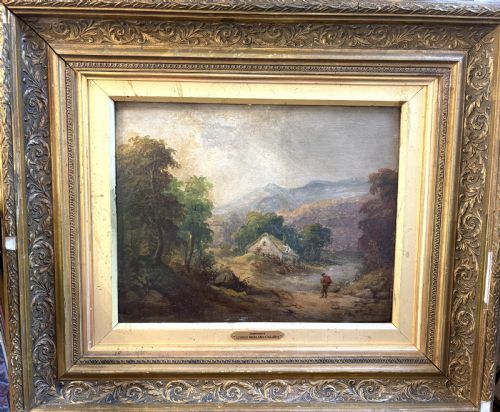
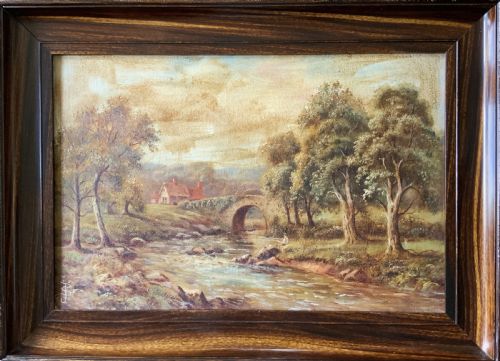
When you search for an english rural oil painting, you encounter canvases and panels depicting quiet countryside scenes from the nineteenth and early twentieth centuries.
English Rural Oil Painting
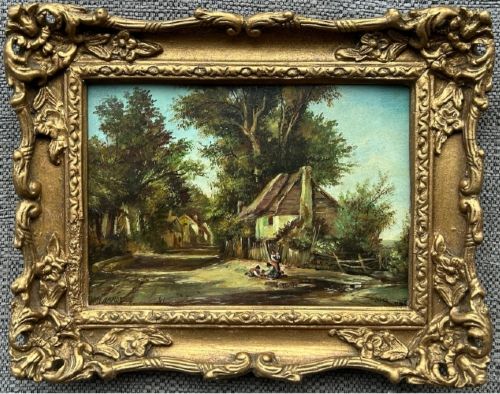
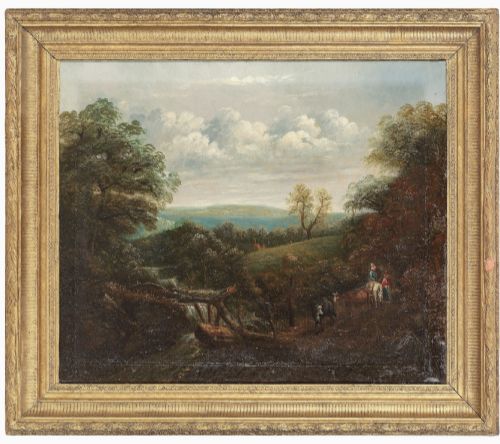
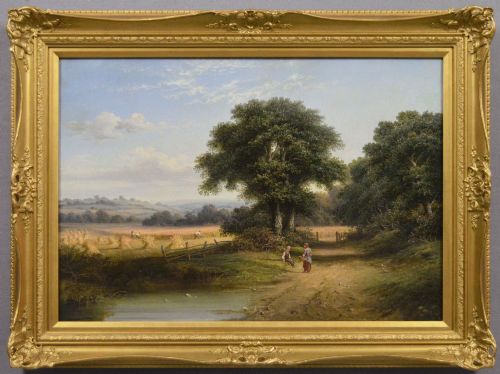
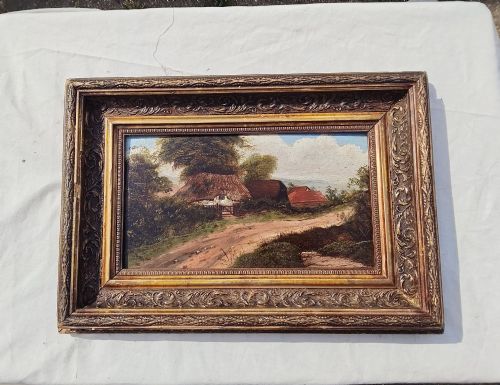
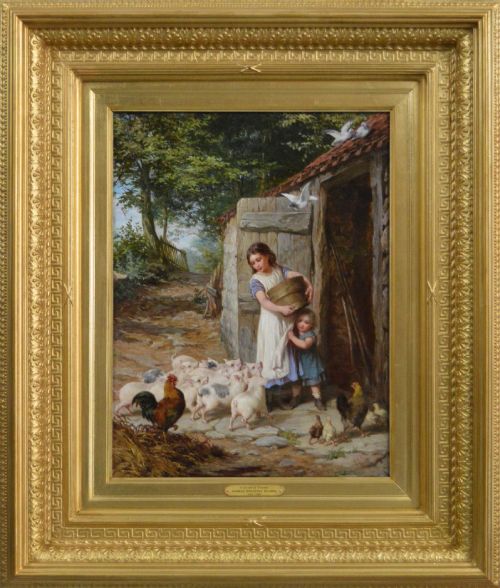
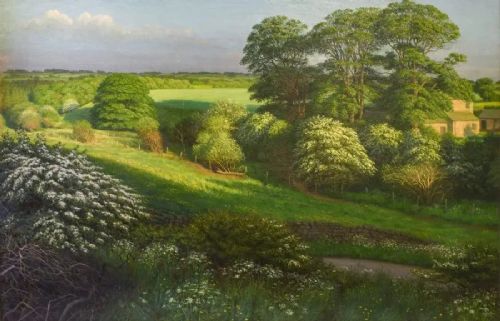
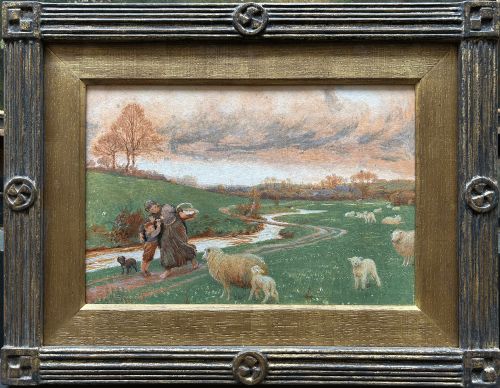
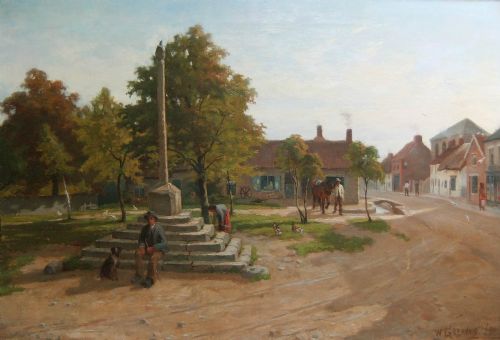
An english rural oil painting typically portrays pastoral life, agricultural work, and country cottages set within regional landscapes across Britain. These works range from small, intimate panels by provincial artists to larger framed canvases bearing signatures of recognised nineteenth-century and early twentieth-century painters.
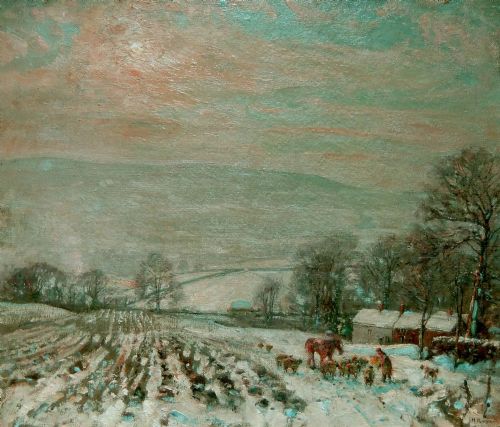
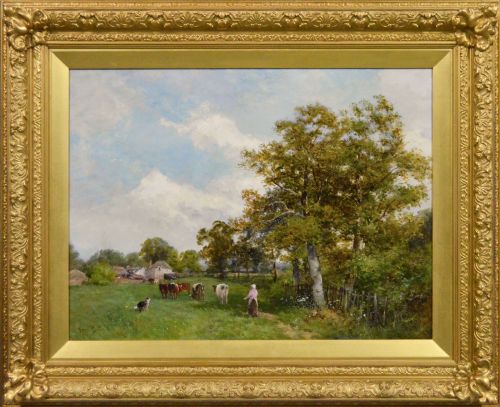
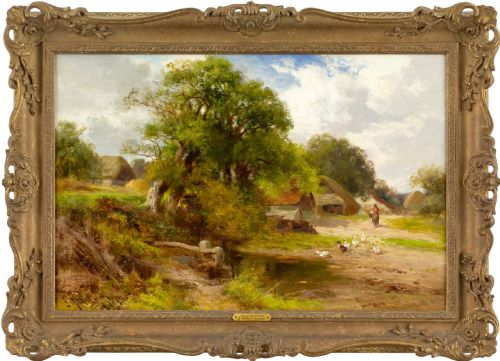
The subjects focus on daily country existence, showing figures by streams, farmyards with livestock, harvesters in fields, and thatched cottages. Victorian pastoral views and British impressionist approaches dominate the selections available to collectors.
Many pieces carry specific geographical titles identifying locations in Yorkshire, Sussex, Kent, and the West Country, connecting the viewer to particular rural communities of the past.
How They Were Made
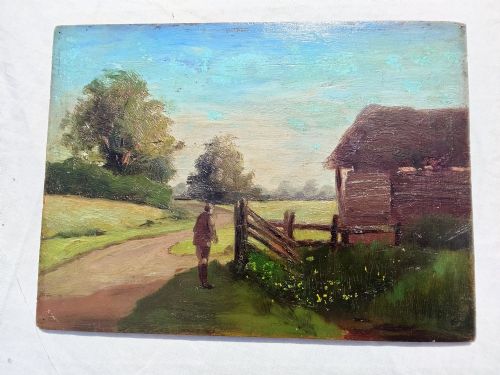
Artists painted primarily using oil paint applied to prepared surfaces such as woven canvas, wooden panels, wooden boards, and occasionally heavy card. The paint was built up in layers, moving from underpainting to detailed brushwork that captured light on fields, rivers, and farm animals.
Several canvases faithfully record the daily working lives of heavy cart horses, pigs, and geese sharing the farmyard.
What Varies in Quality
Quality rests upon the artist's ability to handle light, atmosphere, and natural movement within the countryside setting. Superior examples demonstrate confident brushwork, accurate anatomical rendering of figures and livestock, and a coherent sense of spatial depth.
The handling of the oil medium itself separates accomplished works from ordinary studio output, visible in the textural application of paint in foliage, water, and skies. Additionally, the survival of the original gilt frame and legible artist signatures or documentation enhance the standing of a piece.
Herbert Royle·John Horace Hooper·William Greaves·David Bates·Walter Heath Williams
The English Rural Oil Painting Glossary
- Oil on Canvas
- A painting technique where oil paint is applied to a woven fabric stretched across a wooden frame. This combination allows for a flexible yet durable surface that artists have utilised for centuries.
- Gesso
- A plaster-like mixture applied as a base to wooden panels or frames before gilding or painting. It creates a smooth, sealed surface for decorative finishes.
- Panel
- A rigid support made from wood used by artists instead of canvas. Wooden boards and panels were common for smaller outdoor studies and earlier works.
- Gilt Wood
- Wood that has been coated with a thin layer of gold leaf or metallic powder. Antique frames often feature this finish to enhance the presentation of the artwork.
- British Impressionism
- A painting style influenced by French techniques but adapted by British artists to capture natural light and outdoor scenes. Works in this style focus on loose brushwork and everyday rural subjects.
English Rural Oil Painting: Frequently Asked Questions
How do I date an antique oil painting?
Dating relies on examining the materials of the canvas, board, or stretcher frame alongside the style of dress and agricultural equipment shown in the imagery. Inscriptions on the reverse and framing techniques also provide chronological clues.
Period labels and artist biographical details help narrow the decade of creation when signatures are present.
What subjects are common in these paintings?
Common subjects include farmyards, harvest fields, thatched cottages, livestock, and figures working or resting in the countryside. These scenes reflect a nostalgic view of rural British life during the Victorian and Edwardian eras.
Artists frequently recorded specific regional landmarks and rivers across English counties.
How should I care for an oil painting?
Oil paintings require stable indoor environments away from direct sunlight and excessive humidity swings. Dusting should be done gently with a soft, dry brush without applying moisture or cleaning solutions.
Professional conservators should handle any structural repairs to canvas or cleaning of discoloured varnish.
Are these paintings usually signed?
Many works bear artist signatures, sometimes initialed or written distinctly in the corners of the composition. Others remain unsigned or indistinctly signed while still displaying the technical characteristics of known regional schools.
Attributions for unsigned pieces often depend on recorded provenance and stylistic comparisons.