




English Regency Mahogany Seating
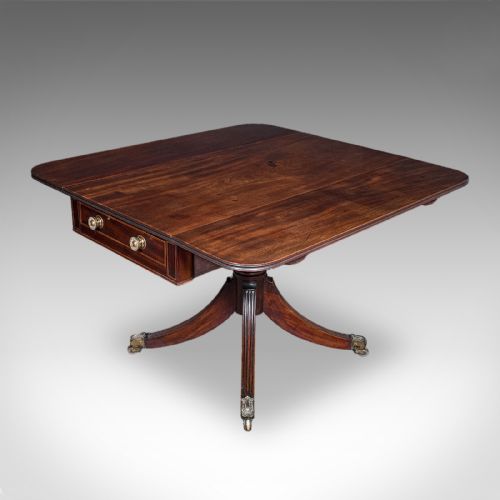
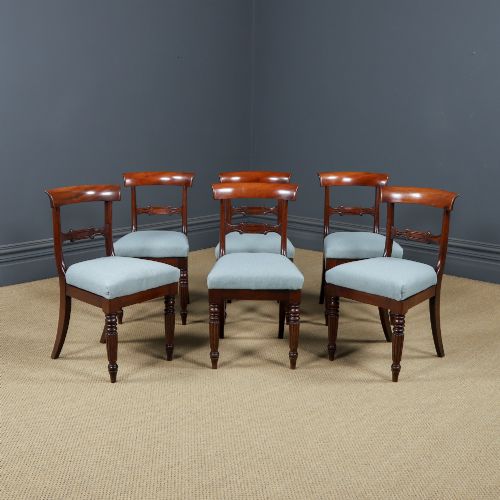
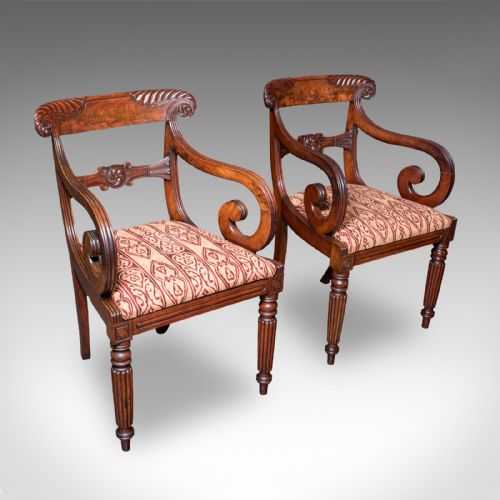
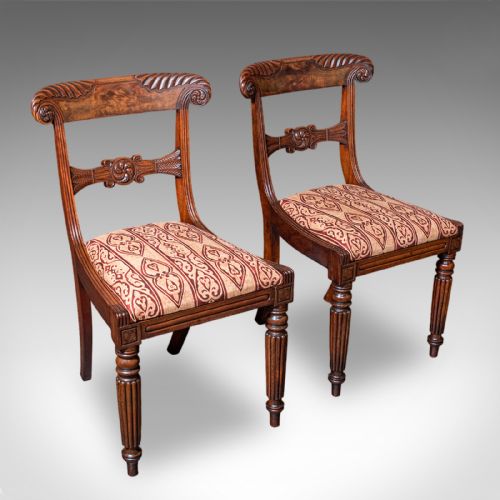
English regency mahogany seating brings architectural lines and rich timbers into domestic interiors through dining chairs, armchairs, and hall benches.
English Regency Mahogany Seating
English regency mahogany seating encompasses dining chairs, armchairs, hall benches, and stools originating from the Georgian, Regency, and William IV periods. Buyers search for these pieces to anchor dining rooms, libraries, and hallways with period character.
Pieces span dates from around eighteen hundred through to eighteen eighty, reflecting both strict Regency design and later nineteenth-century interpretations. Mahogany forms the primary structural timber across these diverse domestic forms.
Materials and Construction
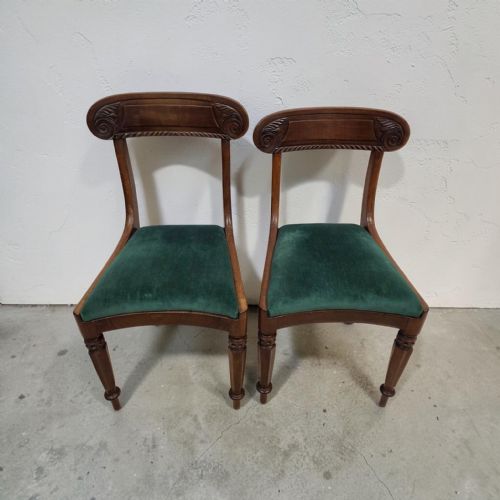
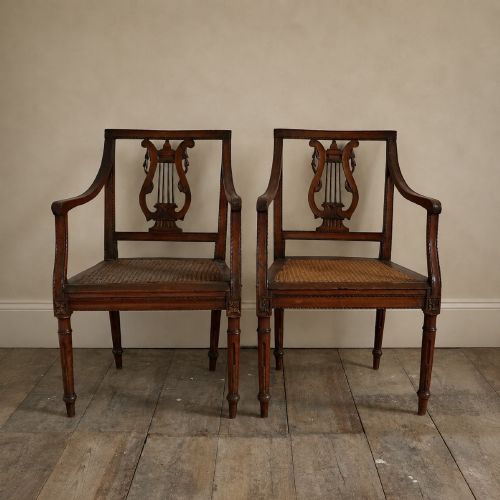
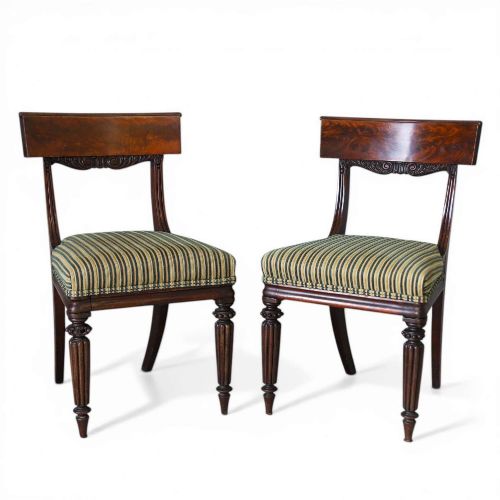
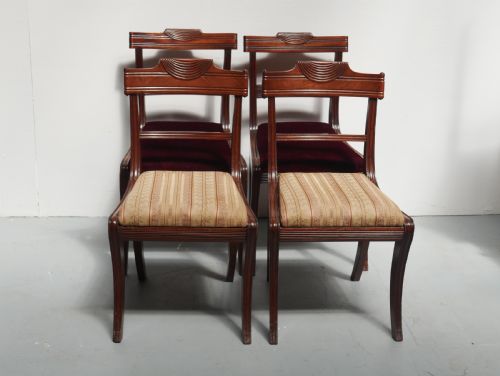
Makers utilised solid mahogany for frames, turning and carving the timber to achieve characteristic curved backs, reeded legs, and scroll arms. Secondary materials such as brass accents, cane inserts, and rosewood crossbanding occasionally complement the primary wood.
Upholstery relies on traditional textiles including leather, velvet, chenille, and patterned fabric. Drop-in seats and fixed pads receive inner stuffing supported by webbing within the mahogany frame.
Listings feature mahogany alongside rosewood, with upholstery ranging from simple leather to rich velvet and needlepoint.
Markers of Distinction
Quality separates ordinary utility pieces from high-status commissions by the crispness of carved details like shells, scrolls, and reeding on the mahogany frame. Timber selection also dictates grade, with dense grain and rich figure marking superior examples.
Structural integrity and the preservation of original timber components distinguish better-surviving items from heavily restored or married sets. Original upholstery specifications and maker attribution further elevate specific seating.
Gillows
The English Regency Mahogany Seating Glossary
- Regency
- A design period spanning the early nineteenth century defined by classical restraint, Grecian influences, and clean architectural lines.
- Mahogany
- A heavy, durable tropical hardwood prized for its deep reddish-brown colour and ability to hold crisp carved details.
- Hall Chair
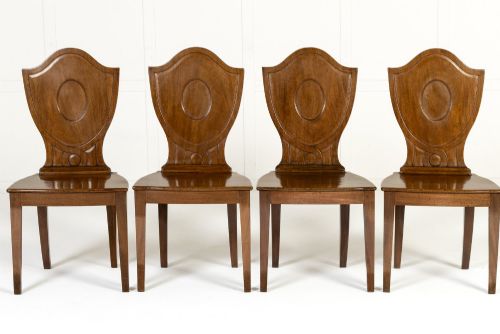
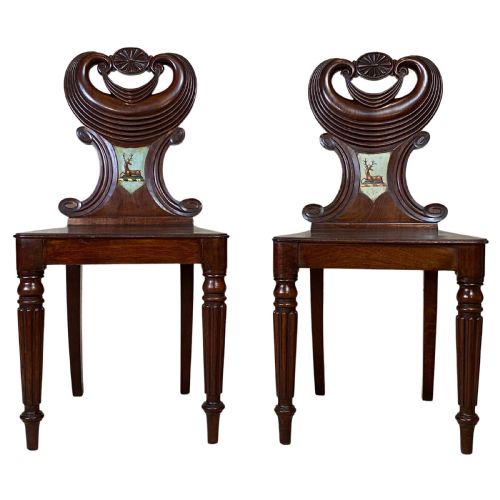
- A rigid wooden seat, often featuring a carved or painted armorial, designed for a hallway rather than long sitting.
- Barback
- A dining chair backrest featuring a horizontal top rail resembling the shape of a pub bar.
- Lyre Back
- A chair backrest shaped like an ancient Greek lyre instrument, frequently utilised in Regency designs.
English Regency Mahogany Seating: Frequently Asked Questions
How do I identify Regency chairs?
Look for classical motifs such as sabre legs, brass inlay, and carved scrollwork that distinguish Regency designs from earlier heavy Georgian styles.
Mahogany remains the dominant timber, often accompanied by cane seats or traditional fabric upholstery.
Can I use antique dining chairs daily?
Most solid mahogany dining chairs from the nineteenth century are structurally robust enough for regular daily use when joints remain sound.
Periodic checking of the underframe ensures the antique timber and glue blocks stay secure under weight.
What is a hall chair used for?
Hall chairs served as formal seating in grand entryways, often displaying family crests or carved crests rather than prioritizing comfort.
Their sturdy wooden construction and upright backs suited guests waiting briefly in a foyer.
How do William IV and Regency differ?
William IV furniture tends to feature heavier, bolder proportions with prominent scrolls and robust turning compared to the lighter Regency style.
Both periods utilise mahogany, but William IV pieces lean towards substantial comfort and architectural presence.