



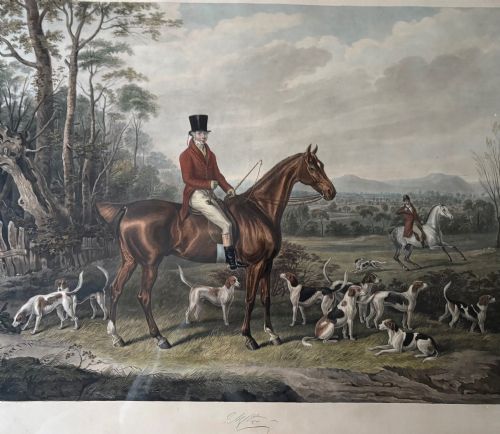
English Regency Art
English regency art encompasses paintings, miniatures and decorative objects that capture the refined aesthetics of the early nineteenth century.
English Regency Art
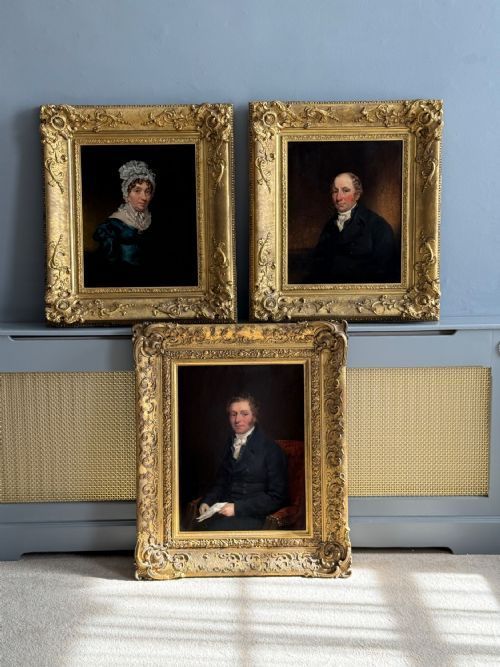
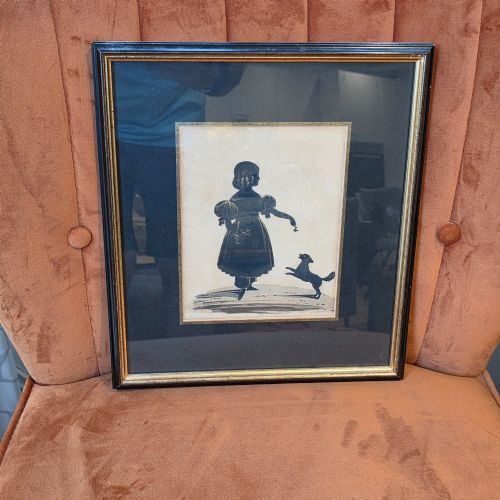
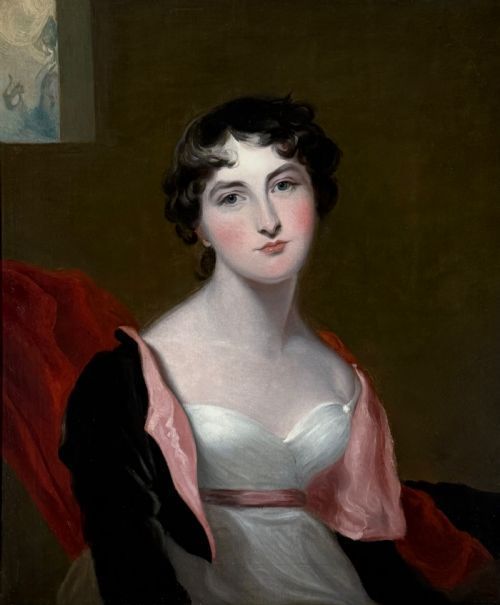
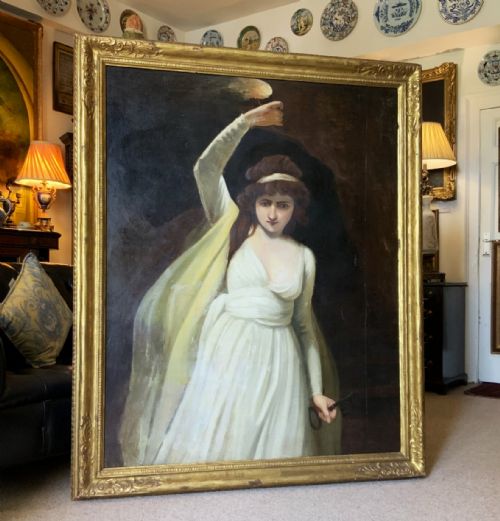
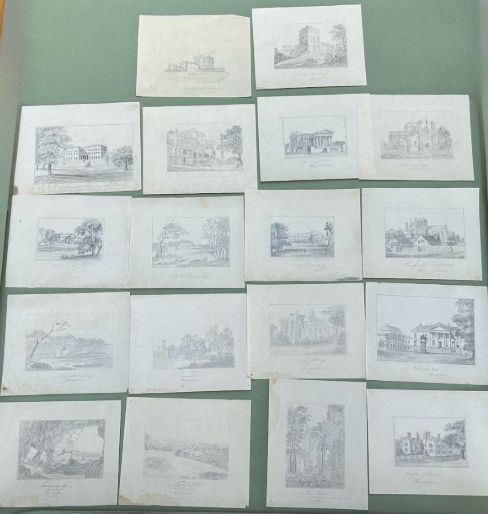
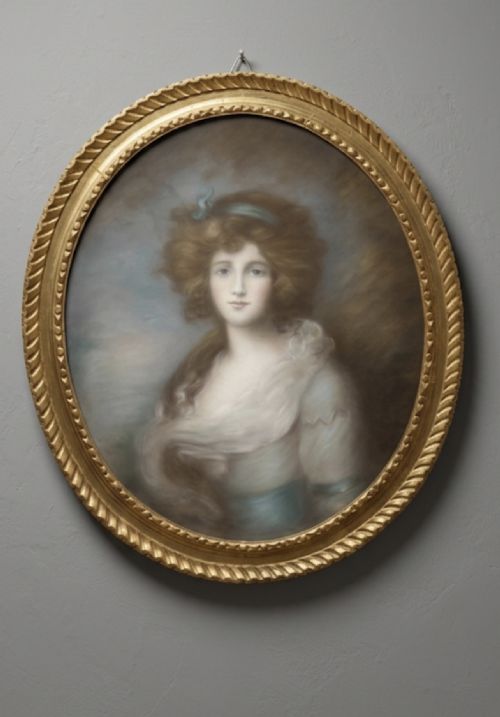
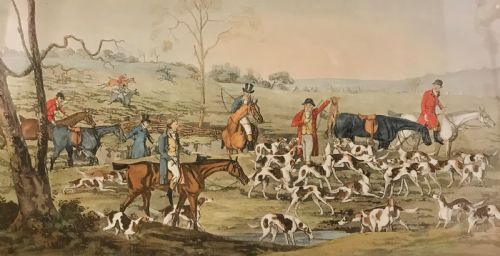
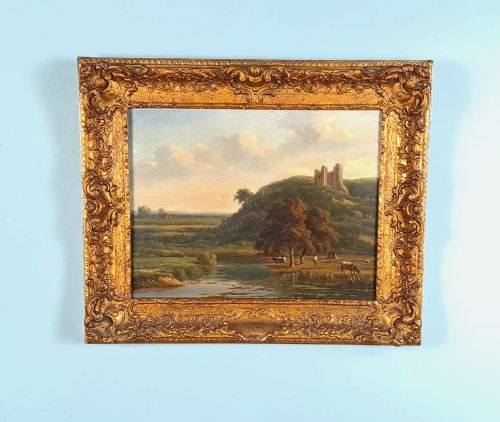
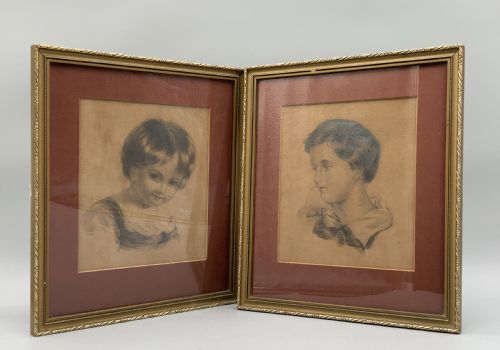
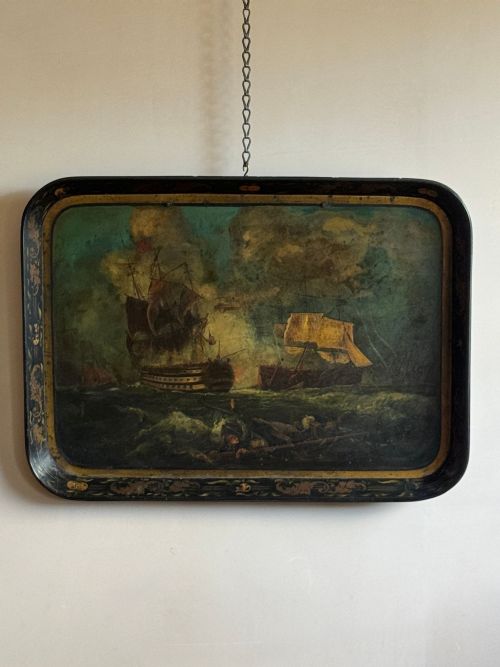
English regency art gathers oil paintings, watercolours, portraits, landscapes and decorative furnishings produced during the periods associated with the Regency style and the broader early nineteenth century. Buyers searching this phrase typically encounter framed portraits on canvas, panel or paper, alongside coastal scenes and domestic watercolours.
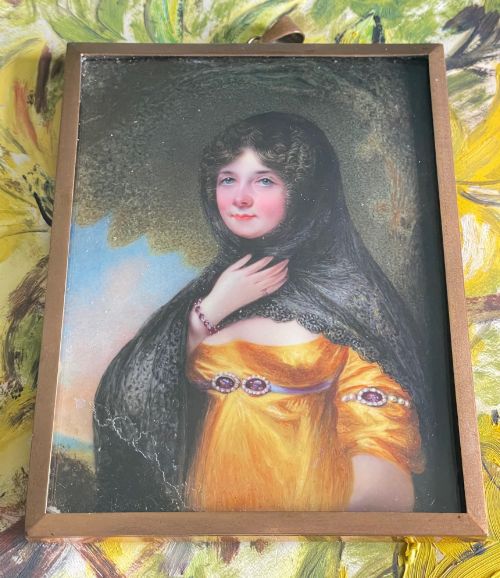
The selection ranges from detailed enamel miniatures and pencil drawings to large oil paintings executed by notable academic artists and regional schools. Functional items such as trays, desks and small stands also appear, reflecting the design sensibilities of the era.
How they were made
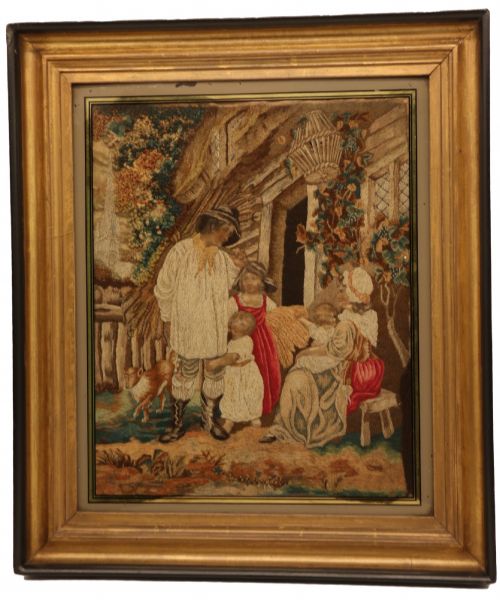
Makers utilised oil paint on canvas or wood panel, watercolour and gouache on paper, and vitreous enamels fired onto metal plaques to create lasting portraits and scenes. Needlework pictures and hand-painted silk introduced textile techniques into wall art.
Cabinetmakers and artisans shaped hardwoods such as mahogany, oak and partridge wood, incorporating brass inlay and giltwood details to construct furniture and decorative containers.
Listings feature works spanning the eighteenth to the twentieth centuries, with a strong concentration of nineteenth-century pieces.
What varies in quality
Quality rests upon the precision of the draughtsmanship, the handled delicacy of brushwork in oils or watercolours, and the preservation of original surfaces. Master artists commanded superior anatomical proportion and atmospheric depth compared to anonymous regional workshops.
Materials dictate distinction, where fine enamel work, sound panel substrates, and original gilt frames elevate a piece above standard decorative output.
Sir William Beechey·Joseph Clover·William James Hubard·Henry Bone·Horace Hone·Sir Thomas Lawrence·John Opie·Thomas Gainsborough·T C Hofland·Charles Haigh Wood·William Egley·Clifton Tomson·Thomas Woolnoth·Rolinda Sharples·George Hayter
The English Regency Art Glossary
- Portrait Miniature
- A small, highly detailed painting on ivory, vellum, or enamel, often created as a personal keepsake. These intimate works required immense skill to capture likeness on a reduced scale.
- Enamel Plaque
- A rigid metal base coated with fused powdered glass and painted with ceramic colours before firing. This technique ensured brilliant and permanent hues.
- Watercolour
- A painting method where fine pigment is suspended in a water-soluble binder on paper. Artists utilised transparent washes to achieve luminosity.
- Panel Painting
- Artwork executed on a wooden board rather than canvas. Painters selected seasoned timber to provide a stable rigid support.
- Aquatint
- A printmaking technique that produces tonal areas resembling watercolour washes. It was frequently employed to illustrate topographical books and prints.
English Regency Art: Frequently Asked Questions
What defines English regency art?
English regency art encompasses the visual culture produced during the early nineteenth century, blending neoclassical clarity with romantic expression. The category highlights portraiture, landscapes and domestic scenes.
Works range from grand oil canvases to delicate watercolours and enamel miniatures, reflecting the refined tastes of the period.
How were portrait miniatures displayed?
Portrait miniatures were frequently worn as jewellery, kept inside protective pocket cases, or displayed in small tabletop frames. Their intimate scale allowed owners to carry likenesses of family members during travel.
Artists painted them with fine brushes, often using magnifying glasses to achieve remarkable detail on small surfaces.
Where should I hang these watercolours?
Watercolours require placement away from direct sunlight to prevent the fading of delicate pigments on paper. Framing them behind conservation glass provides essential protection.
Displaying them in dry, interior rooms helps maintain the stability of both the paper support and the historic frame.
How do I identify the period?
Identifying the period involves examining costume styles, hairstyles, framing materials and any inscribed signatures or dates on the reverse. Portrait subjects often wear clothing distinctive to the regency and Georgian eras.
Examine the construction methods of frames and panels, as materials and mounting styles shifted noticeably across the nineteenth century.