



English Porcelain Teaware
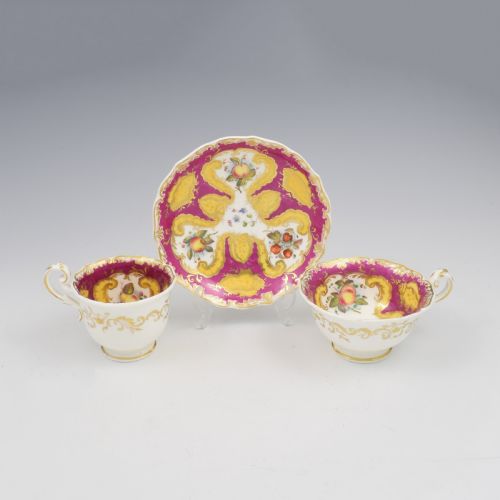
English porcelain teaware brings painted enamel flowers, hand-gilded borders and delicate oriental motifs straight to the afternoon table.
English Porcelain Teaware
English porcelain teaware encompasses fragile drinking vessels and serving pieces designed for social dining, centred primarily on the comprehensive tea service and individual breakfast sets. When you search for english porcelain teaware, you encounter everything from single tea bowls and coffee cans to lidded sugar boxes, teapots, and matching trios.
The objects span multiple periods, most notably the eighteenth century and the Georgian era, through to nineteenth-century Victorian designs and mid-century production. Eighteenth-century pieces often take the form of delicate tea bowls without handles alongside matching saucers, whilst later nineteenth-century items introduce more robust bone china shapes.
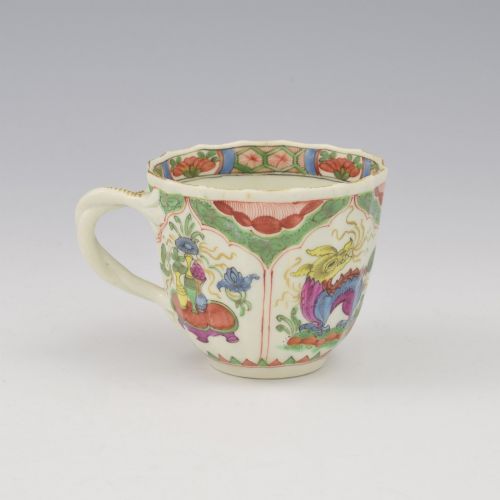
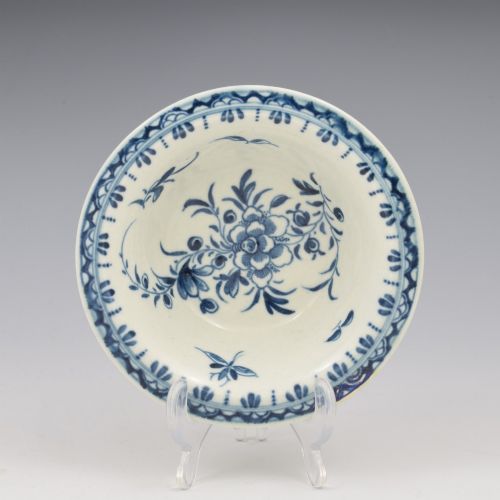
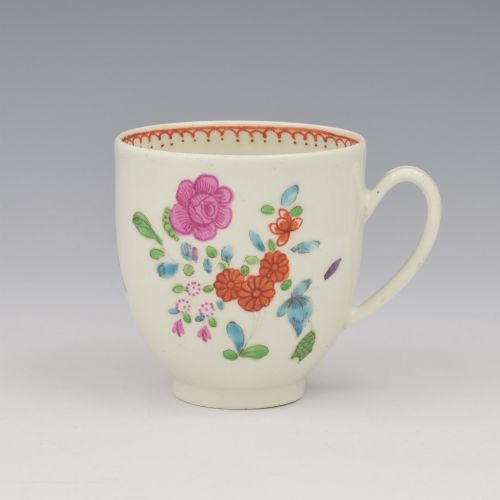
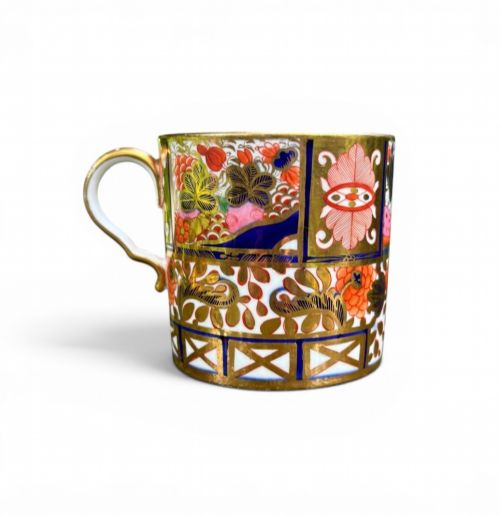
Decoration draws heavily on classical and eastern influences, ranging from blue and white Chinese figures and mandarin patterns to polychrome floral sprays and Imari palettes. The forms include fluted coffee cups, saucer trios, and specialised vessels such as tart pans or decorative dishes produced by major factories.
Materials and Manufacture
Manufacture relies upon refined soft-paste porcelain, bone china, and hard-paste compositions, which provide a smooth white body for overglaze and underglaze painting. Potters shape these bodies using throwing, moulding, and casting techniques before applying fluid glazes.
Decoration involves hand-painting in enamel colours, cobalt blue underglaze transfer printing, and the application of gold leaf or gilding to rims and handles. Firing takes place in kilns to fix the glaze and fuse the metallic gold accents to the porcelain surface.
English Porcelain Teaware Retail Price Guide 2026
Typical asking prices for english porcelain teaware among the pieces listed under this phrase on Sellingantiques today, from the lower quarter to the upper quarter. They describe what is for sale here now, not the wider market.
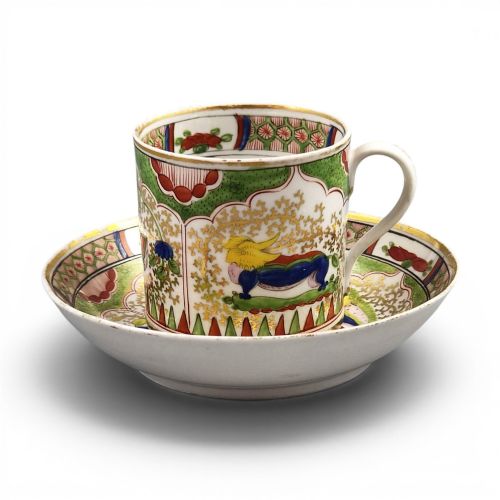
Some nineteenth-century decorators painted a cow so charmingly on ceramic that collectors still call the pattern the crazy cow.
Assessing Quality
Quality rests upon the crispness of the porcelain body, the translucency of the paste when held to the light, and the precision of the hand-painted or transfer-printed decoration. Early soft-paste bodies show subtle undulations and glaze pooling that demonstrate the historic throwing process.
The skill of the enameller dictates whether floral sprays, bird panels, and figures possess fine detail and vibrant pigments rather than flat or muddy application. Preservation of original gilding and the crispness of moulded fluting or ribbing further distinguish superior examples from standard production.
Dr Wall Worcester·Coalport Porcelain·Chamberlains Worcester·Spode Porcelain·Mintons
The English Porcelain Teaware Glossary
- Tea bowl
- A small handleless drinking vessel used in the eighteenth century for serving hot tea before the widespread adoption of handled teacups.
- Coffee can
- A straight-sided, cylindrical ceramic cup designed specifically for drinking strong coffee during the Georgian and Regency periods.
- Sucrier
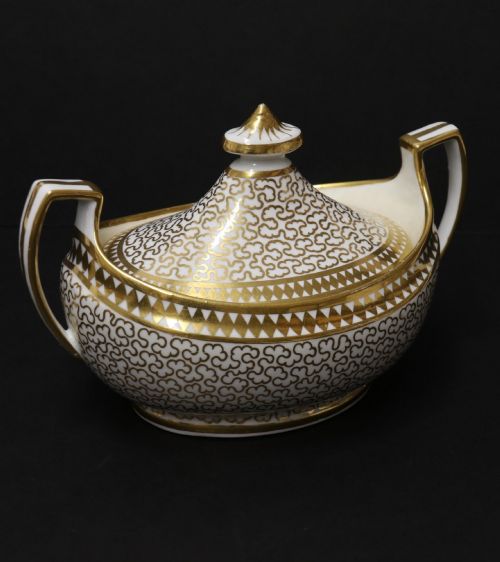
- A lidded vessel or sugar bowl designed to hold lump or loose sugar as part of a formal tea service set.
- Soft-paste porcelain
- An artificial ceramic paste invented in Europe prior to true hard-paste porcelain, characterised by a warm tone and glassy texture.
- Imari
- A decorative style inspired by Japanese export wares, featuring a distinctive palette of underglaze cobalt blue, iron red, and abundant gilding.
English Porcelain Teaware: Frequently Asked Questions
Did eighteenth-century tea bowls have handles?
Most eighteenth-century tea bowls were produced without handles, following Chinese ceramic traditions of the period. Drinkers held the small bowl gently in the hands to sip the hot liquid.
By the nineteenth century, handles became standard on teacups as dining habits shifted and tea sets grew larger and more standardised.
What is a coffee can?
A coffee can is a small, straight-sided cylindrical cup used during the Georgian and Regency eras for drinking strong black coffee after a meal. These vessels often accompanied matching saucers in a tea and coffee service.
Unlike tea bowls or teacups which tended to flare outwards, coffee cans maintained a vertical profile with a loop handle.
How do I care for antique teaware?
Antique porcelain requires gentle hand washing in warm water using mild soap, avoiding dishwashers and harsh abrasive sponges. Soft cloths prevent scratching the historic glaze and delicate gold leaf.
Display and storage should avoid sudden temperature changes and stack pieces carefully with padded separators between cups and saucers.
How do I identify a soft-paste body?
Soft-paste porcelain often displays a slightly warmer, creamy tone under the glaze and may show small pinprick bubbles or glaze pooling near the base. When examined closely, the paste feels softer and appears less vitrified than later nineteenth-century bone china.
Many pieces from the eighteenth century also lack modern factory marks, relying instead on painted blue crescent symbols or pattern numbers.