

English Porcelain Saucer
An english porcelain saucer bridges the gap between functional tea ware and cabinet art from the eighteenth to the twentieth centuries.
English Porcelain Saucer
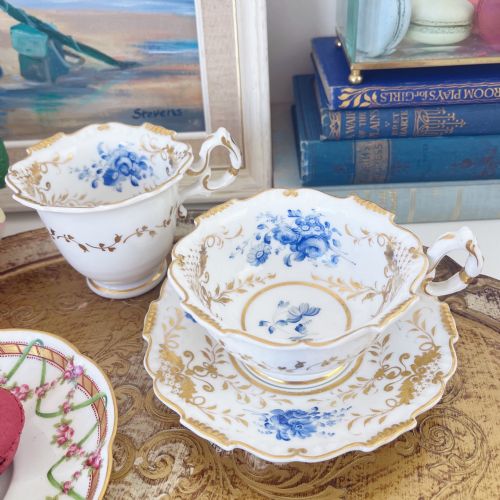
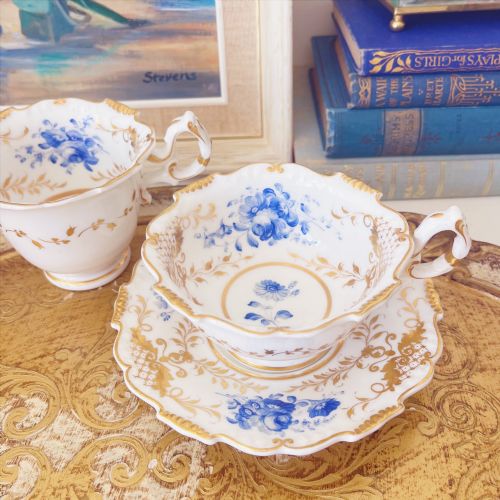
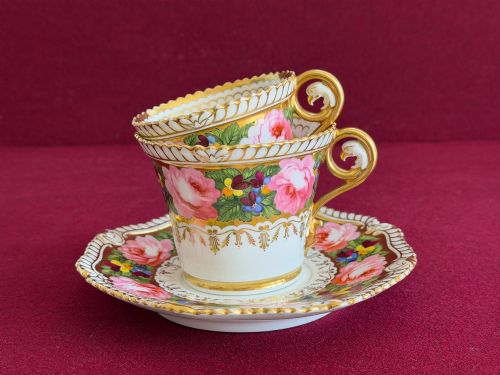
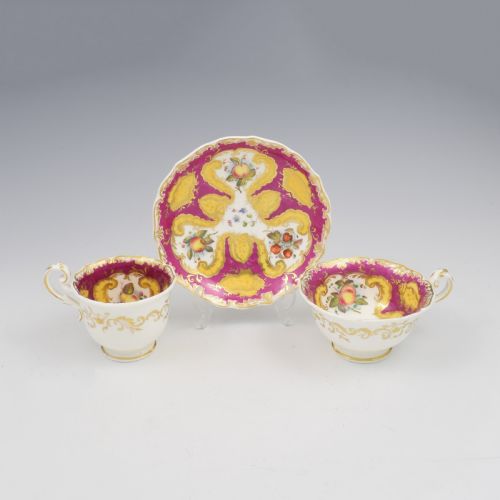
An english porcelain saucer represents a focused collecting field encompassing independent dishes and surviving elements of tea and coffee services. These small ceramics appear across distinct periods including the Georgian and Regency eras, reflecting shifts in domestic dining habits.
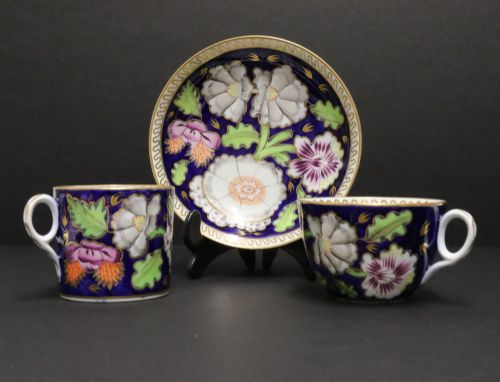
Most examples encountered on this page emerge from nineteenth-century kilns, alongside eighteenth-century factory output and occasional twentieth-century productions. Collectors encounter individual saucers as well as matched trios and full service components.
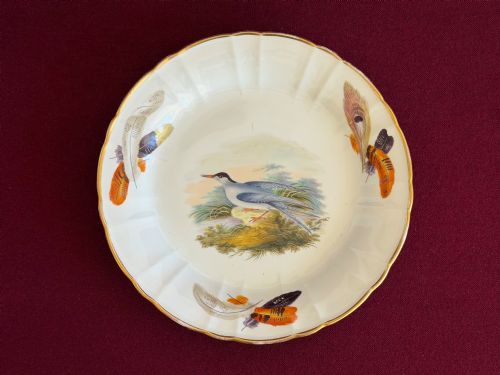
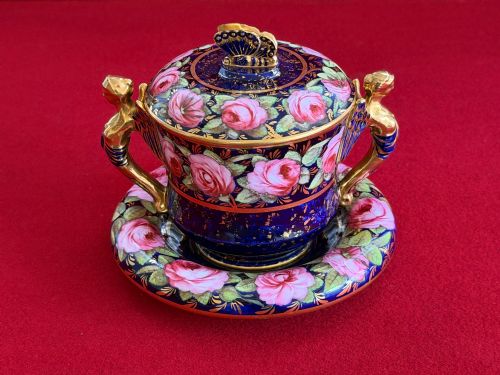
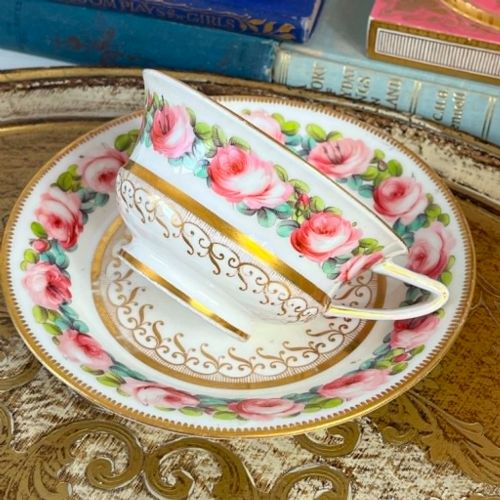
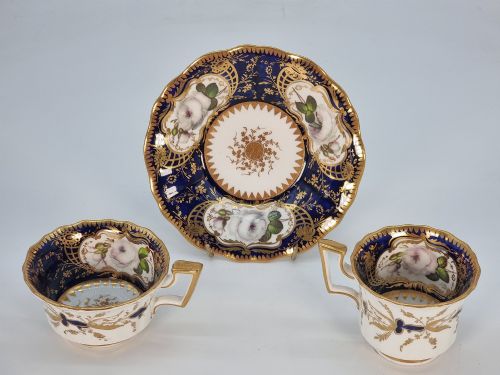
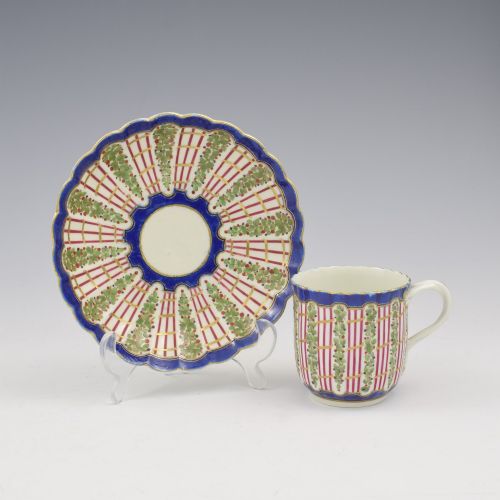
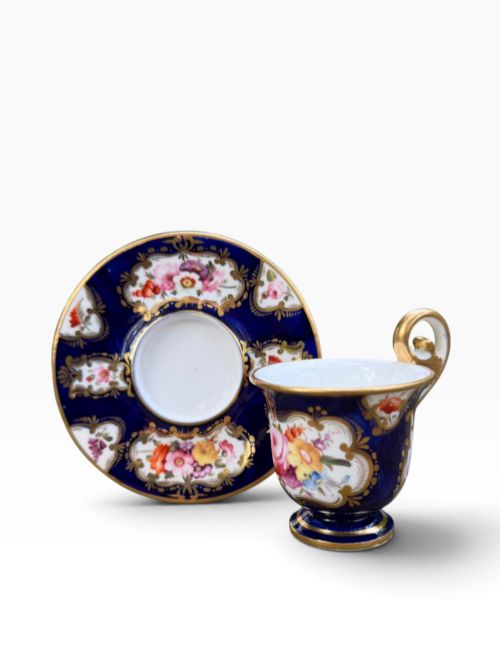
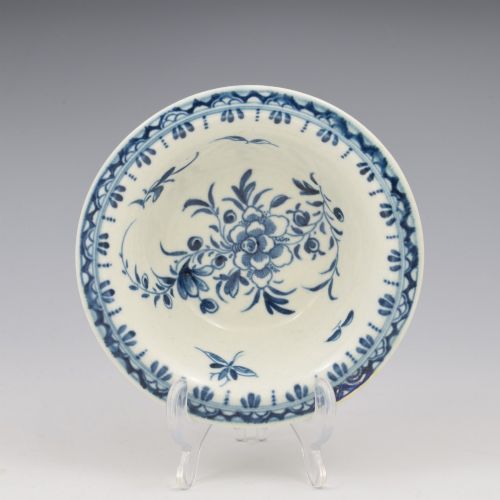
The forms range from simple recessed circles designed to hold matching cups to decorative dishes intended for display. Makers applied handpainted landscapes, floral sprays, and transfer-printed motifs to these domestic surfaces.
Materials and Manufacture
Potters utilised soft-paste porcelain during the eighteenth century before transitioning to bone china and refined hard-paste bodies in the nineteenth. These mineral mixtures provided the flat or slightly curved canvas required for detailed enamel painting and gilding.
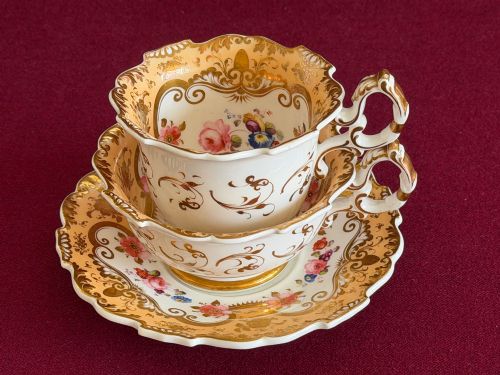
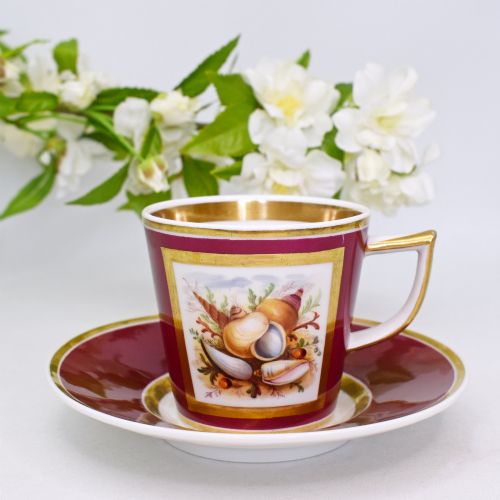
Craftsmen applied gold leaf and heavy gilding by hand, framing central painted panels of birds, flowers, or topographical scenes. Enamel colours were fixed in secondary kiln firings to ensure permanence across daily use.
Certain saucers once held strong brews served to eighteenth-century gentlemen who debated politics over steaming cups of exotic leaf.
Assessing Quality
Quality rests upon the crispness of the porcelain body and the precision of the handpainted decoration. Superior pieces display finely mixed pastes without kiln warpage, paired with detailed brushwork by named or skilled anonymous artists.
Factory attribution significantly influences standing, with products from periods under specific directors - such as Flight, Barr and Barr at Worcester or the John Rose period at Coalport - commanding particular attention for their artistic ambition.
H & R Daniel·Wedgwood·Chamberlain Worcester·Spode·Coalport·Dr Wall Worcester·Flight and Barr·Rockingham·New Hall·Minton·Grainger s Worcester·Royal Worcester·Hicks Meigh and Johnson
The English Porcelain Saucer Glossary
- Soft-paste porcelain
- An early artificial ceramic composition made from glass frit, white clay, and other materials. This body predates standard bone china and displays a warm tone under glaze.
- Coffee can
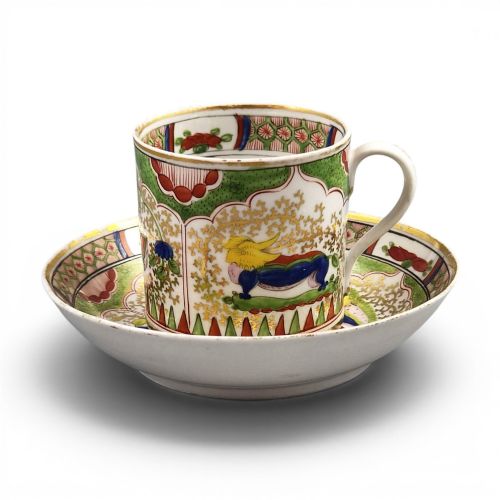
- A cylindrical cup without a handle, produced for drinking coffee during the Georgian and Regency periods. These vessels frequently accompanied matching saucers in tea and coffee trios.
- Tea bowl
- A handleless vessel used for drinking tea prior to the general adoption of cups with handles in the late eighteenth century. They sit alongside matching saucer dishes in early sets.
- Gilding
- The application of gold leaf or powdered gold to ceramic borders and handles. Artisans burnished this metallic layer to achieve a bright finish.
- Bat printing
- A transfer-printing technique using a flexible glue bat to transfer delicate stippled designs from an engraved copper plate onto the porcelain surface.
English Porcelain Saucer: Frequently Asked Questions
How do I date an antique saucer?
Dating relies on factory marks, paste composition, and stylistic evidence such as neoclassical borders or Regency shapes. Examining the foot rim and glaze pooling offers further clues to the manufacturing decade.
First period Worcester pieces often feature crescent or workman marks under the glaze, while nineteenth-century factories increasingly used painted pattern numbers.
Can I use these saucers daily?
Most collectors avoid daily use for antique porcelain due to the delicate nature of soft-paste bodies and fragile handpainted enamels. Gentle hand washing preserves the original gilding and surface decoration.
Displaying them in cabinets or utilising specialised plate stands protects the ceramic from accidental chipping and wear.
What is a tea trio?
A tea trio consists of a matching teacup, coffee cup, and saucer purchased or manufactured as a single unit. This configuration allowed drinkers to switch between tea and coffee during formal gatherings.
Surviving trios from the Regency period remain particularly sought after by collectors assembling cabinet displays.