






English Porcelain Pots
English porcelain pots span centuries of ceramic skill, offering useful and decorative vessels from teapots and jardinières to potpourri jars for the discerning collector.
English Porcelain Pots
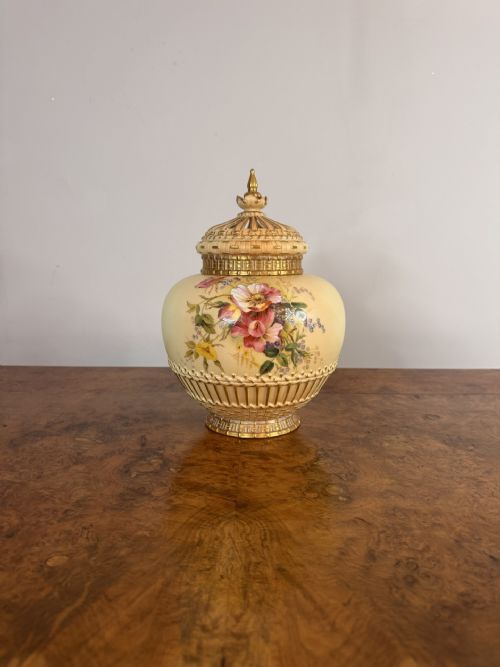
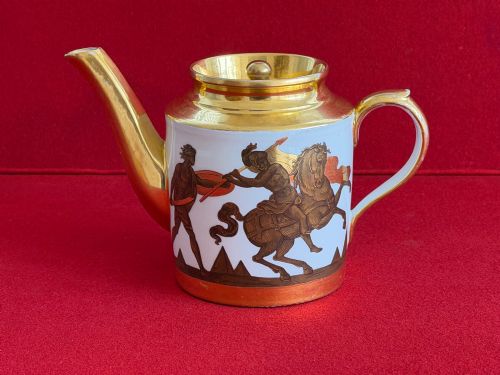
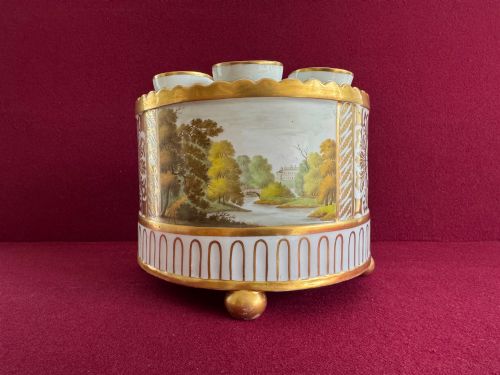
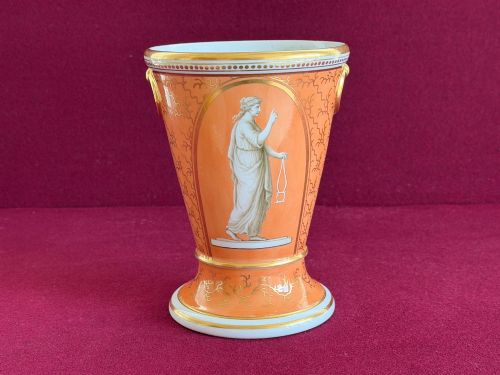
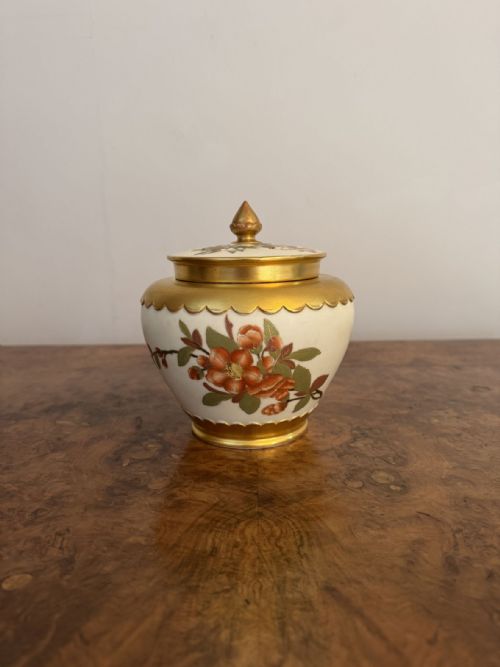
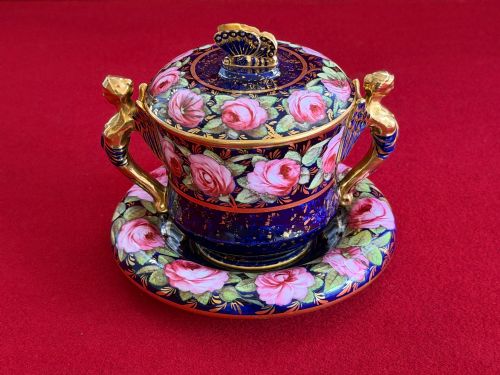
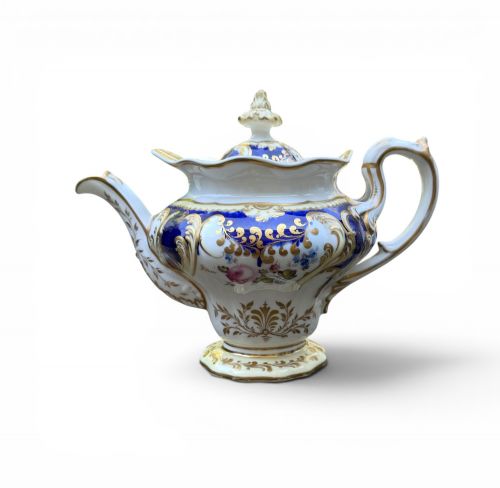
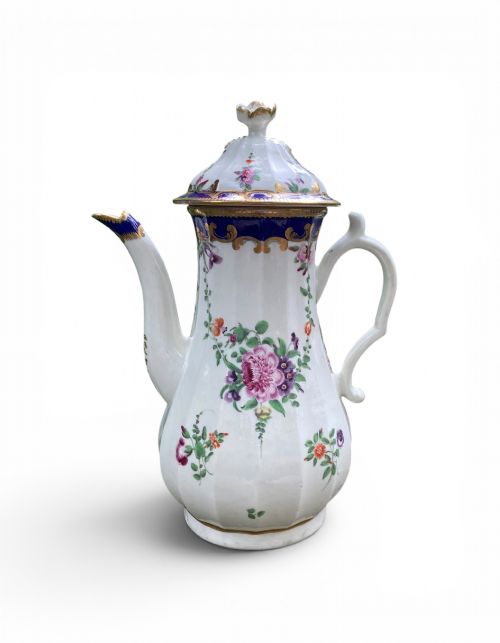
English porcelain pots encompass a diverse range of functional and ornamental vessels including teapots, sucriers, coffee pots, jardinières, and potpourri pots. When searching for english porcelain pots, buyers encounter domestic tablewares and decorative containers dating from the eighteenth century through the twentieth century.
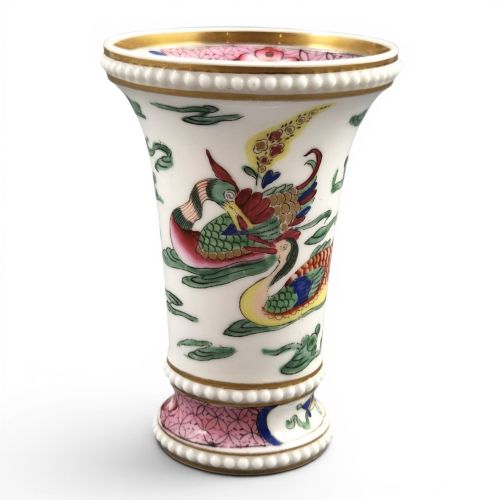
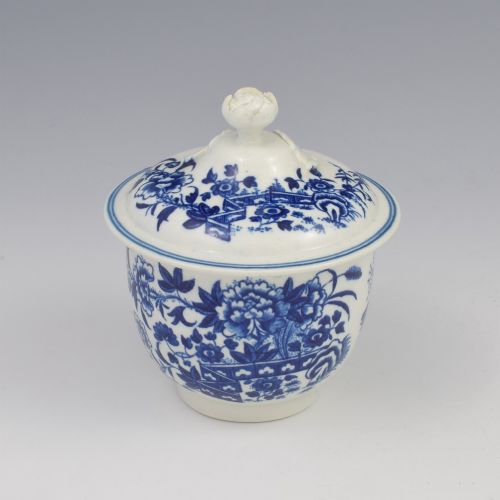
The selection on this page leans heavily toward eighteenth-century Worcester wares alongside nineteenth-century productions from Spode and extensive twentieth-century painted fruit pieces by Royal Worcester. Forms range from utilitarian tea service items to elaborate covered vases designed for scent and display.
Periods represented stretch from Georgian and Regency eras through Victorian, Edwardian, and mid-twentieth-century decades. Buyers find both classical shapes from early factories and richly painted later ornamental jars.
How they were made
Potters utilised soft-paste porcelain, bone china, felspar porcelain, and ceramic bodies shaped into hollowware vessels through throwing, moulding, or casting. Many pieces received meticulous hand-painted decoration, gilding with gold leaf, and enamel highlights before firing in kilns.
Factories applied specialised techniques for specific forms, such as blue and white transfer printing or delicate polychrome painting depicting fruit, birds, and botanical scenes. Lidded items required precise fitting of covers for potpourri jars, sugar bowls, and teapots.
English Porcelain Pots Retail Price Guide 2026
Typical asking prices for english porcelain pots among the pieces listed under this phrase on Sellingantiques today, from the lower quarter to the upper quarter. They describe what is for sale here now, not the wider market.
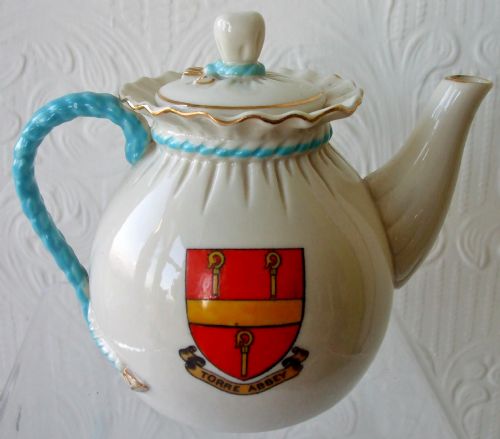
Some nineteenth-century tea wares feature specialised image handles moulded directly into whimsical human forms.
What varies in quality
Quality in these vessels rests upon the crispness of the porcelain body, the refinement of the moulded form, and the artistry of the painted decoration. Hand-painted fruit studies by named artists or intricate gilding elevate a piece above standard factory output.
The precision of factory marks, the preservation of original covers on teapots and potpourri jars, and the balance of the overall design distinguish finer works from simpler utilitarian items.
Flight and Barr·Royal Worcester·Spode·Samuel Alcock·Thomas Wolfe·Coalport·W.H. Goss
The English Porcelain Pots Glossary
- Sucrier
- A small covered sugar bowl designed for use in tea services. These vessels often match teapots and cups within eighteenth and nineteenth-century ceramic sets.
- Jardinière
- An ornamental pot or stand intended to hold growing plants or flowers. They appear in porcelain and ironstone across various nineteenth and twentieth-century periods.
- Potpourri
- A mixture of dried petals and spices kept in a jar to perfume a room. Potpourri pots feature pierced covers to allow fragrance to escape.
- Bone china
- A type of soft-paste porcelain containing bone ash for added strength and whiteness. British potteries utilised this material extensively for fine tea and tableware.
- Soft-paste porcelain
- An artificial porcelain composition fired at lower temperatures than hard-paste porcelain. Eighteenth-century factories relied on this body before true hard-paste formulations became widespread.
English Porcelain Pots: Frequently Asked Questions
How do I date an antique English porcelain teapot?
Dating relies upon factory marks, paste composition, and stylistic clues such as rococo shaping or neo-classical transfer prints. Examining the base often reveals crescent marks, script signatures, or pattern numbers tied to specific production years.
Changes in glaze texture and handle forms also help separate eighteenth-century soft-paste examples from later Victorian bone china pieces.
Were potpourri pots used differently than vases?
Potpourri pots served a specific aromatic function in period interiors, featuring pierced lids designed to diffuse dried floral scents throughout a room. Standard vases lacked these ventilation holes and held fresh cut flowers or water instead.
Collectors often look for matching inner liners and intact pierced covers which complete the original function of these ornamental jars.
What is the difference between porcelain and ironstone pots?
Porcelain pots feature a vitrified, translucent body made from refined clay and flux, whereas ironstone is a heavy, opaque earthenware developed for durability. Ironstone vessels like posy vases offer greater thickness and sturdiness for daily utility.
Porcelain allowed eighteenth and nineteenth-century makers to achieve thinner walls and delicate translucency suitable for fine display pieces.