

English Pine Drawers
When you handle english pine drawers, you find utility and character in pieces built for everyday domestic life.
English Pine Drawers
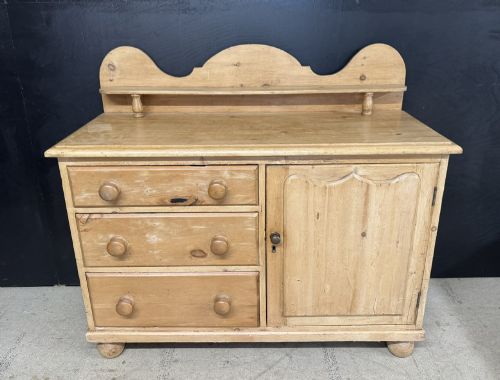
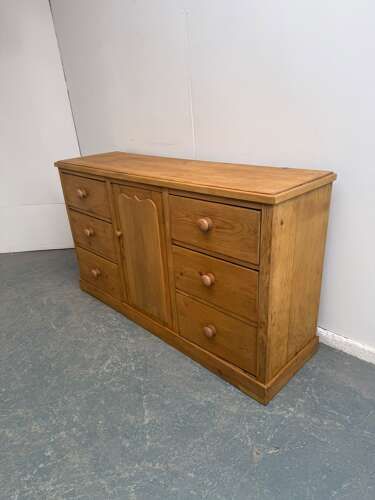
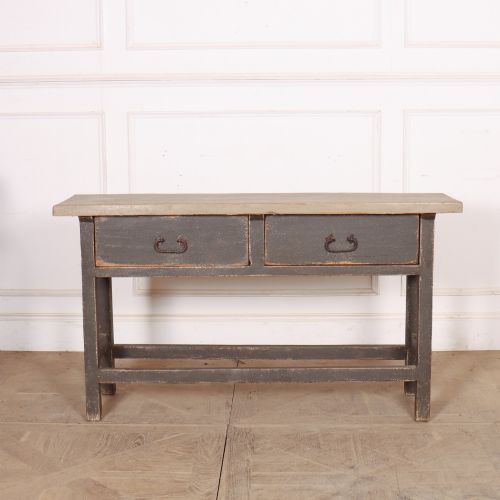
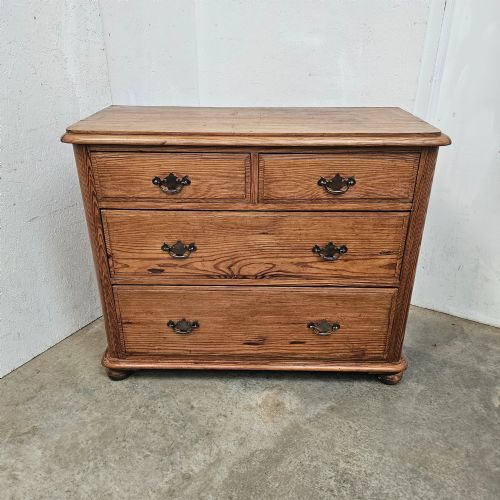
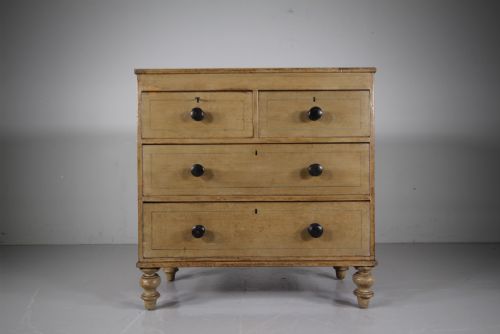
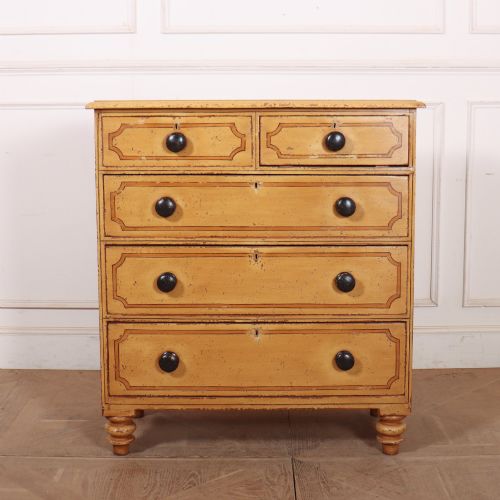
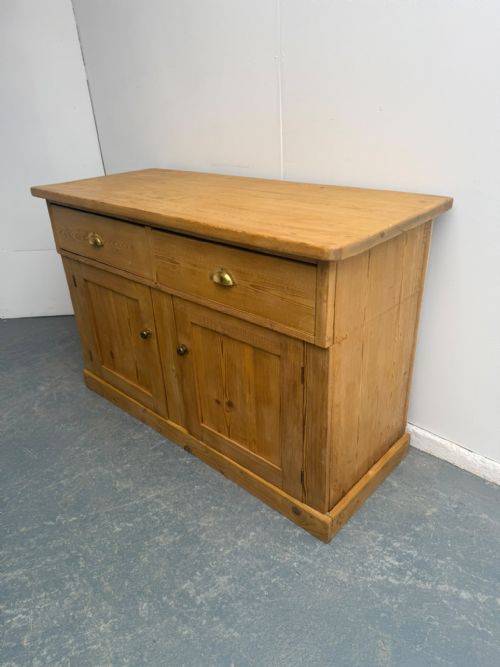
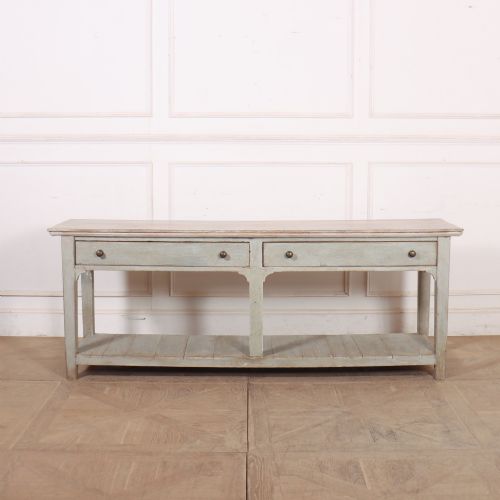
On this page, the nineteenth century and the Victorian period dominate the selection, alongside Georgian examples and Edwardian pieces. Forms range from simple two-over-two configurations to large banks of multi-drawer units and potboard dresser bases.
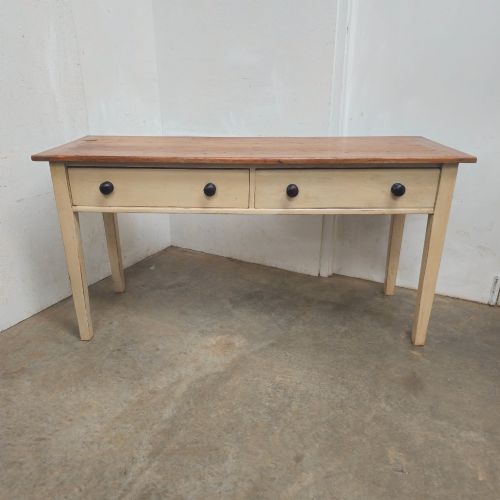
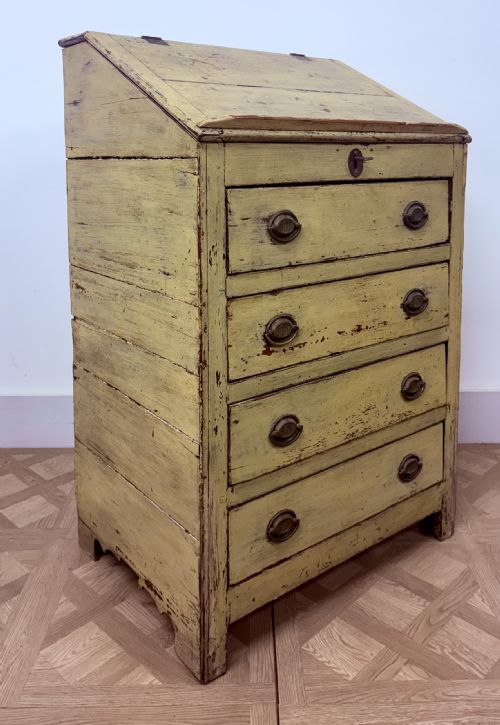
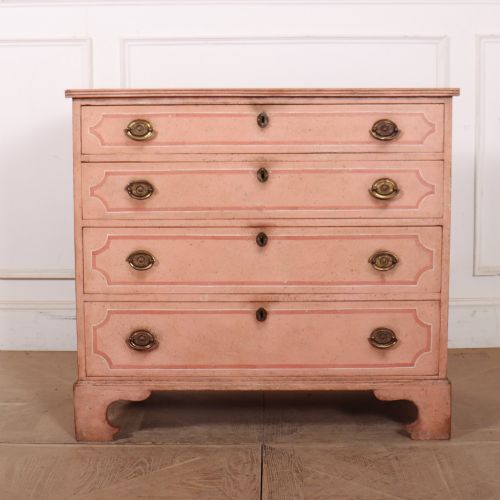
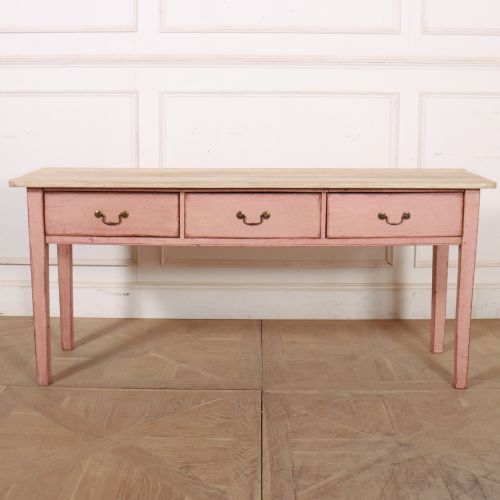
The regional diversity includes examples originating from the West Country alongside vernacular pieces reflecting English country traditions. Many of these items retain their original painted surfaces, scumble finishes, or waxed patinas developed through generations of domestic service.
Assessing quality in pine furniture
Quality rests upon the integrity of the timber selection and the retention of authentic surface finishes. Pieces featuring original paint or untouched waxed patinas stand apart from examples stripped down or repainted in later periods.
Structural honesty defines the better specimens, where drawer runners remain true, dovetails are neatly hand-cut, and proportions stay balanced. The presence of original hardware adds significant merit to a piece, whereas wholesale replacements alter its historical character.
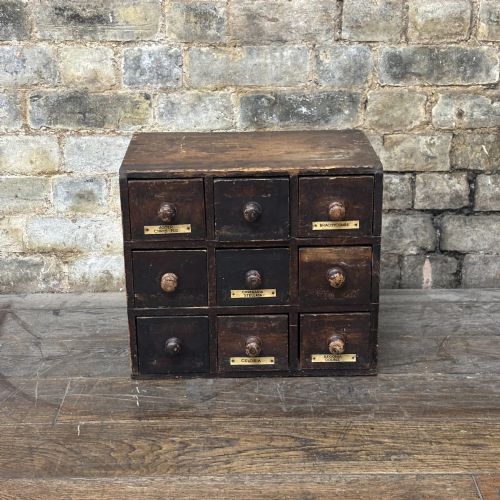
Florist's seed chests turn mundane botanical sorting into charming desktop storage.
Gillows
The English Pine Drawers Glossary
- Scumble paint
- A translucent oil-based glaze dragged or patterned over a lighter ground colour to imitate graining. This technique was widely applied in country houses to decorative effect.
- Dresser base
- The lower section of a kitchen or dining room dresser featuring cupboards and drawers without the upper plate rack. These sturdy bases served as primary work surfaces in domestic spaces.
- Bank of drawers
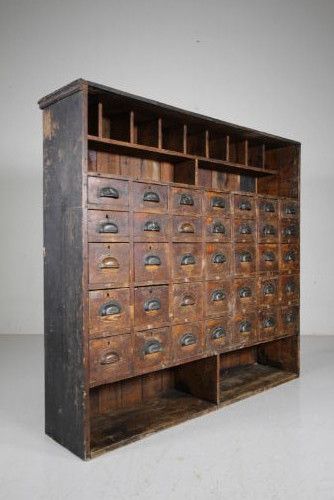
- A multi-drawer cabinet originally utilised in shops, offices, or large house utility rooms for systematic storage. Their numerous small drawers make them highly sought after for modern organisation.
- Potboard
- An open slatted lower shelf built into the base of a dresser for storing heavy kitchen pots and pans. It forms an integral part of traditional vernacular English furniture.
- Pitch pine
- A dense, resinous softwood sourced mainly from North America and utilised in nineteenth-century British furniture for its durability and prominent grain pattern. It yields a harder surface than standard white pine.
English Pine Drawers: Frequently Asked Questions
How do I date an old pine chest?
Dating relies on examining construction methods, timber characteristics, and hardware types. Hand-cut dovetails, backboards made of wide single planks, and original painted surfaces typically point towards the eighteenth or early nineteenth centuries.
Later Victorian and Edwardian examples often display machine-sawn timber, standardised drawer construction, and factory-made handles. Comparing these details against known period styles helps establish a reliable timeline for each piece.
Are painted finishes usually original?
Original paint surfaces show natural wear, stable craquelure, and integrated patination accumulated over decades of use. Later overpainting often conceals earlier layers or sits heavily on top of stripped timber.
Examining the edges of boards and drawer interiors reveals whether the paint was applied during the original period of manufacture or added subsequently. Original country house scumble and regional paint finishes remain particularly prized by collectors.
What is the difference between pine and pitch pine?
Standard pine encompasses various softwoods like Scots pine or imported deal, which feature a relatively soft texture and subtle grain patterns. These timbers were standard for everyday domestic furniture and painted country pieces.
Pitch pine contains a high resin content that gives it a heavier weight, greater durability, and a distinctively strong, reddish-brown grain. Introduced more widely in the nineteenth century, it was frequently chosen for robust utility items and institutional furniture.
How should I care for waxed pine furniture?
Waxed pine requires gentle maintenance using natural beeswax to nourish the timber and preserve its protective finish. Avoid modern silicone polishes that can build up a sticky residue and damage the historic surface.
Keep pieces away from direct heat sources and strong sunlight to prevent the softwood from drying out, shrinking, or cracking. Regular dusting with a soft, dry cloth is sufficient for daily upkeep.