

English Pedestal Table
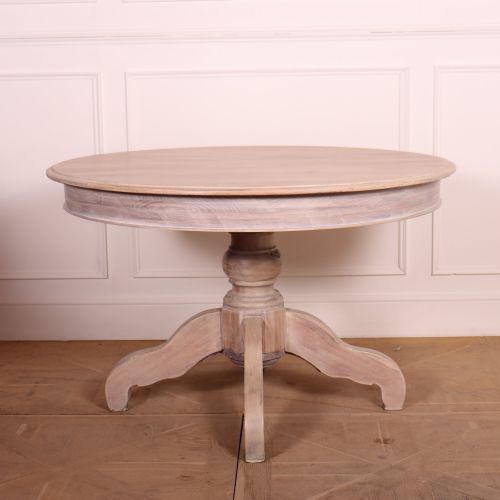
An English pedestal table brings central support and balanced proportions to a room, offering everything from compact lamp tables to large dining surfaces.
English Pedestal Table
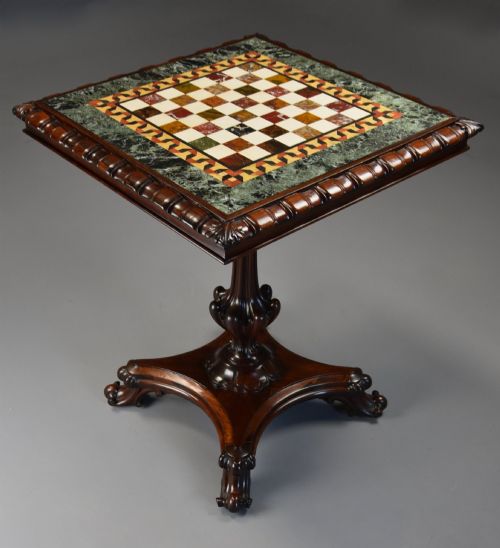
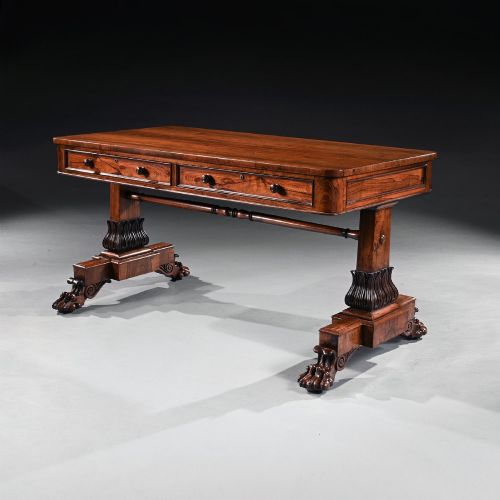
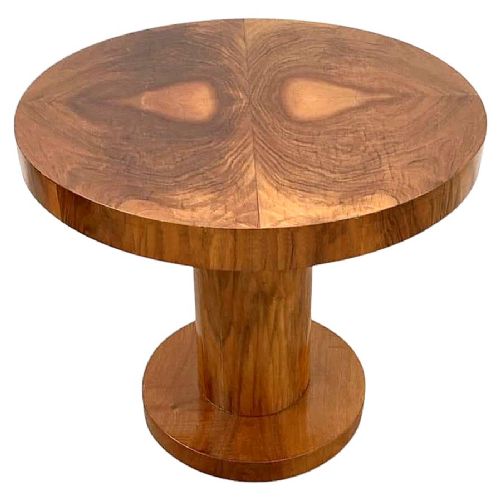
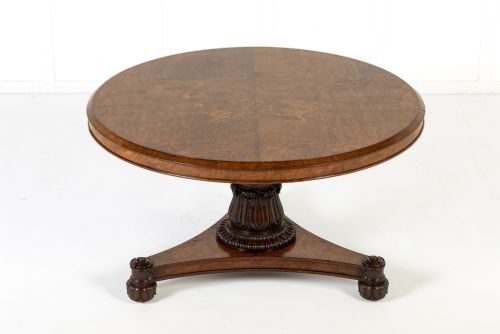
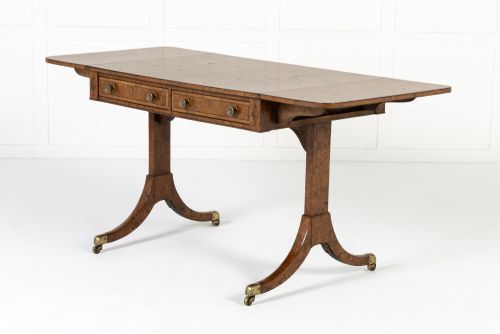
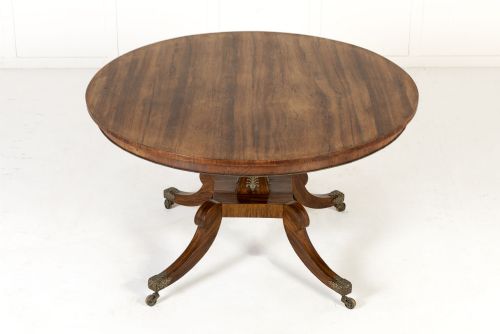
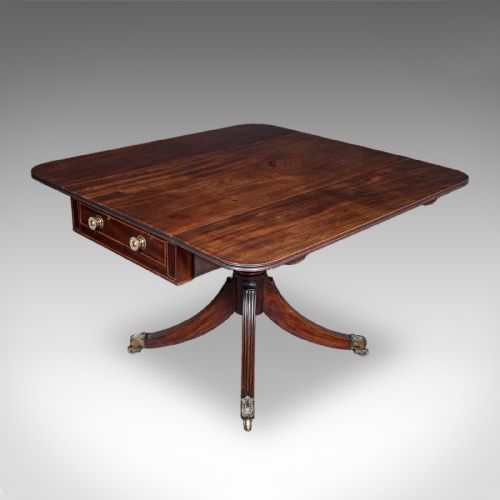
An English pedestal table is defined by a central pillar or multiple pillars supporting a top, appearing in forms such as occasional tables, centre tables, dining tables, and card tables. Buyers seeking this phrase encounter pieces spanning the 18th century, Georgian, Regency, Victorian, and Art Deco periods.
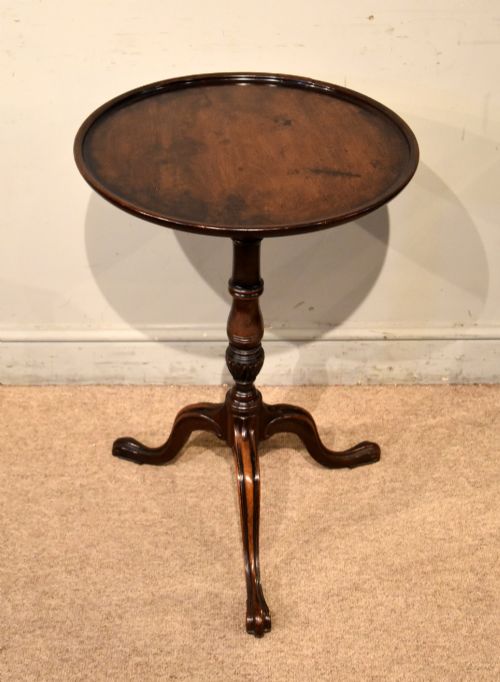
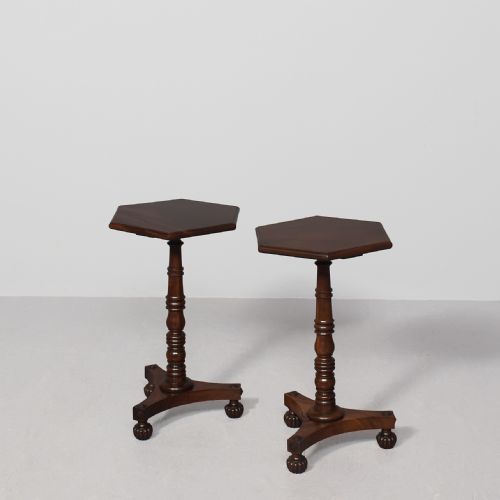
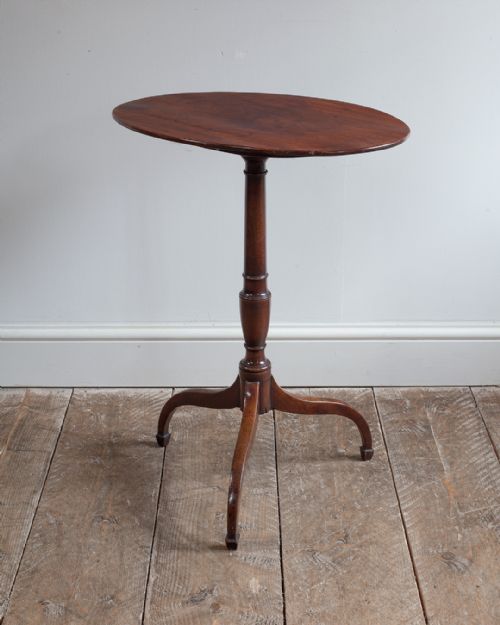
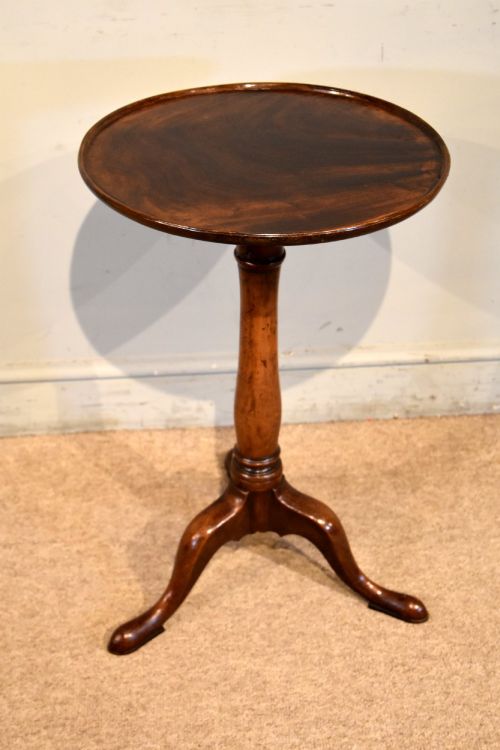
The smaller versions often manifest as tripod wine tables, lamp tables, or small occasional pieces in mahogany, walnut, and yew wood. Larger formats include substantial twin-pillar or multi-pillar banquet dining tables and library tables designed for central room placement.
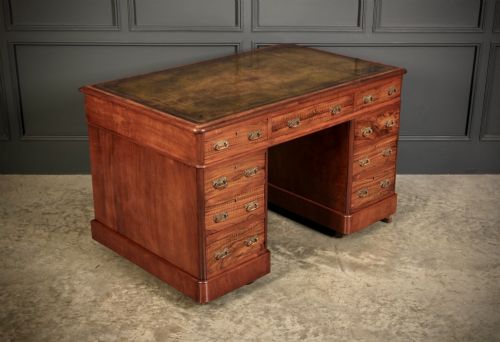
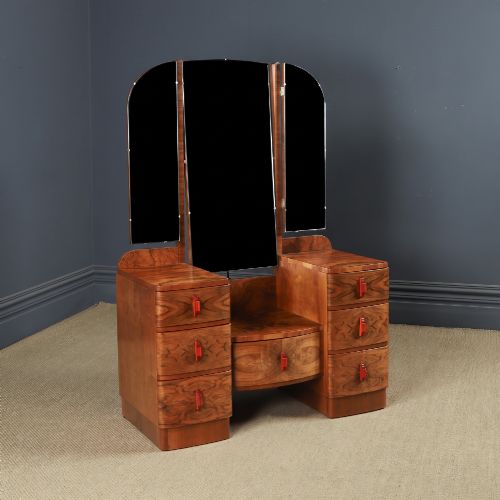
Desks and writing tables also utilise pedestal supports, ranging from Georgian kneehole desks in figured walnut to Art Deco modernist office desks in burr walnut and glass.
Materials and Construction
Cabinet makers utilised dense hardwoods such as mahogany, rosewood, walnut, and yew, often selecting figured veneers like burr elm, satinwood, and birdseye maple for decorative surfaces. Solid timbers formed structural pillars and tripod legs, frequently terminating in brass paw feet or castors.
Advanced construction techniques included brass inlay, cross-banding, and turnery on central columns. Leather inserts appeared on the tops of library tables, partners desks, and card tables, while glass and marble integration characterised later Victorian and Art Deco pieces.
English Pedestal Table Retail Price Guide 2026
Typical asking prices for english pedestal table among the pieces listed under this phrase on Sellingantiques today, from the lower quarter to the upper quarter. They describe what is for sale here now, not the wider market.
Evaluating Quality and Craftsmanship
Quality rests in the selection of timber grain and the precision of the joinery connecting the central pillar to the legs and top. Superior examples display harmonious proportions between the pedestal base and the upper surface, along with crisp carving or well-executed brass inlay.
The integrity of the construction determines longevity, particularly in pivoting card table mechanisms, drop-leaf supports, and multi-pillar dining tables where stability under weight is essential.
gillows·George Bullock
The English Pedestal Table Glossary
- Tripod table
- A small occasional table supported by three legs branching from a central pillar. These pieces frequently served as wine or lamp tables in Georgian and Victorian interiors.
- Centre table
- A freestanding table designed to be viewed from all sides rather than pushed against a wall. They often stand in the middle of a principal room on a heavy pedestal base.
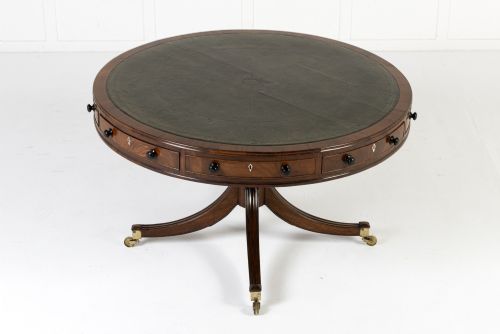
- Drum top table
- A circular library or writing table with a deep frieze containing drawers, mounted on a central pedestal. The top is frequently inset with leather.
- Card table
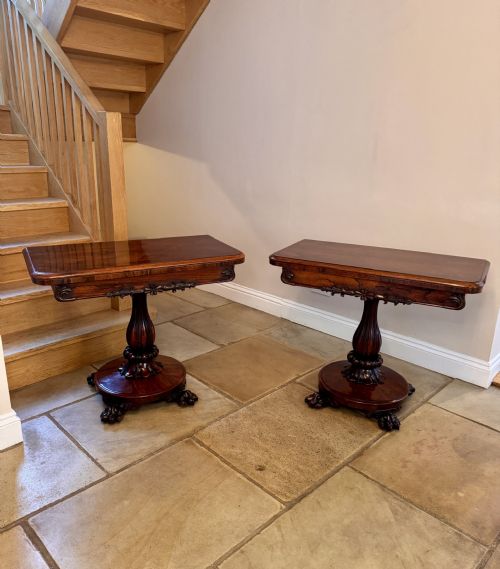
- A folding table designed for gaming, featuring a top that opens out to reveal a baize or leather-lined playing surface. Many examples utilise a swivel top supported by a pillar base.
- Kneehole desk
- A pedestal desk featuring a central recessed space for the legs flanked by banks of small drawers. Figured walnut and mahogany were common timbers for these forms.
English Pedestal Table: Frequently Asked Questions
How do I date an English pedestal table?
Dating relies on identifying the prevailing timber species, construction methods, and stylistic cues associated with periods like the Georgian era, Regency, or Victorian times. Examining the underside of the top and the internal drawer construction often reveals period-specific techniques.
Changes in turning styles on the central column and the presence of specific veneers such as rosewood or figured walnut further narrow down the decade of manufacture.
Were pedestal tables used for dining?
Larger pedestal tables, particularly multi-pillar designs from the Georgian and Regency periods, served as banquet dining tables. Their central pillar construction allowed diners more legroom compared to traditional four-leg tables.
Smaller single-pedestal versions functioned as occasional, lamp, or wine tables rather than dining surfaces.
Where should I place a centre table?
A centre table is designed to stand in the middle of a room rather than against a wall, as the base and finish are detailed on all sides. They work well in entrance halls or large living spaces where foot traffic flows around them.
Pairing them with a central lighting fixture or a decorative object on top highlights their freestanding nature.