

English Oak Drawers
When buying english oak drawers, you are investing in centuries of sturdy carpentry designed to store linen, clothes and documents.
English Oak Drawers
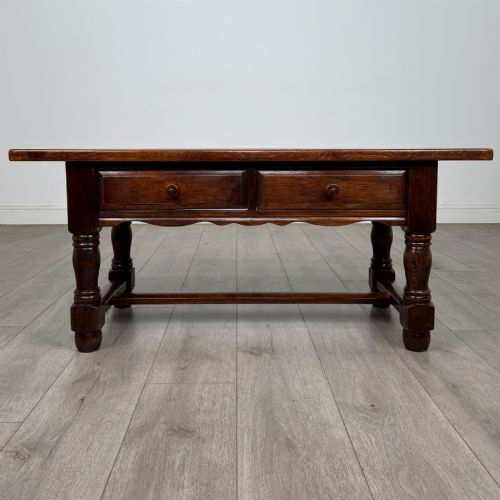
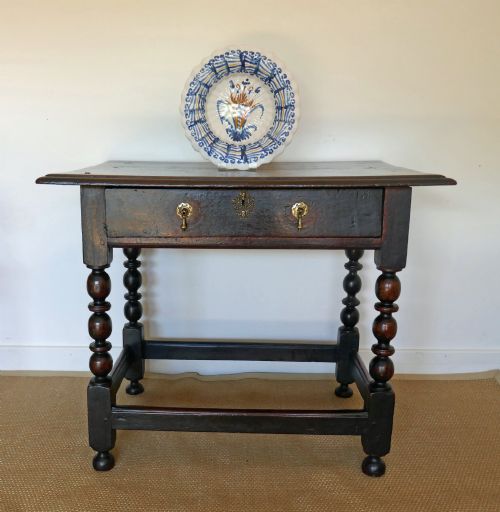
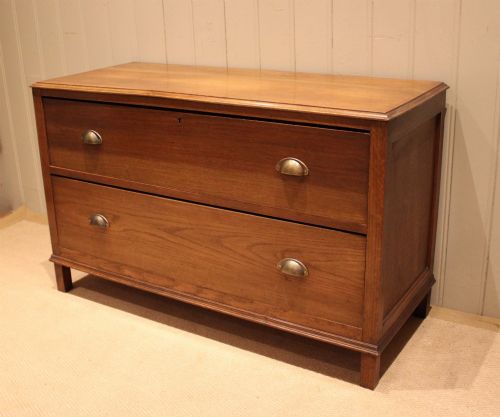
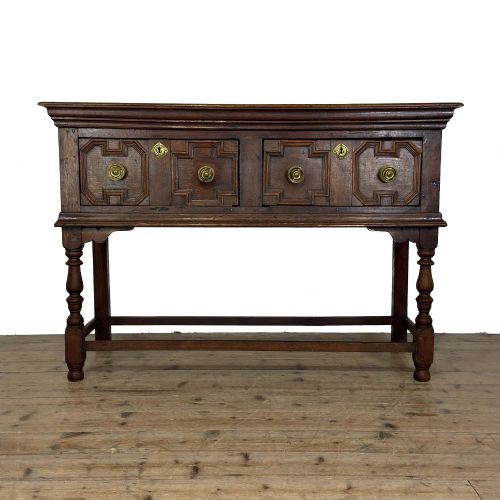
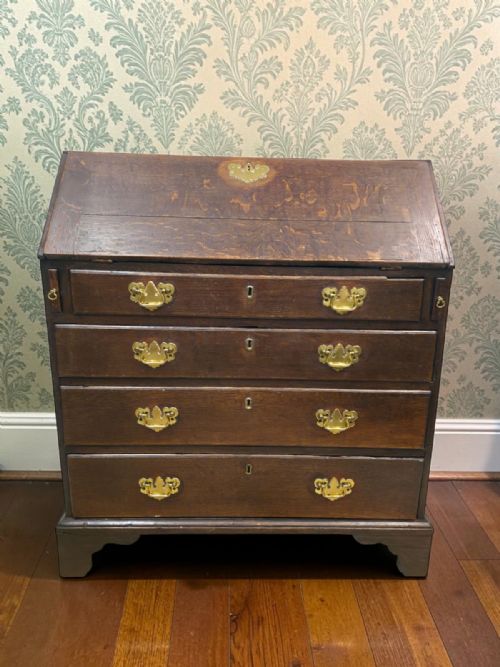
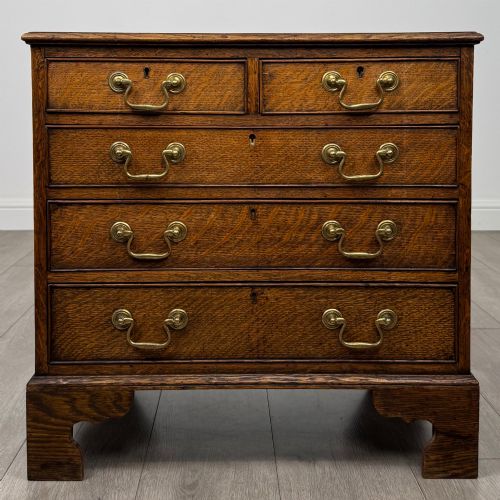
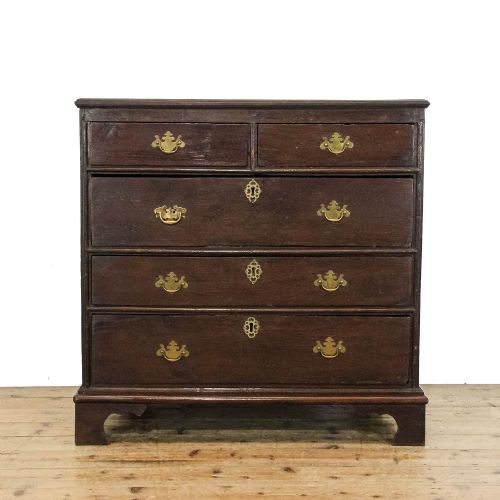
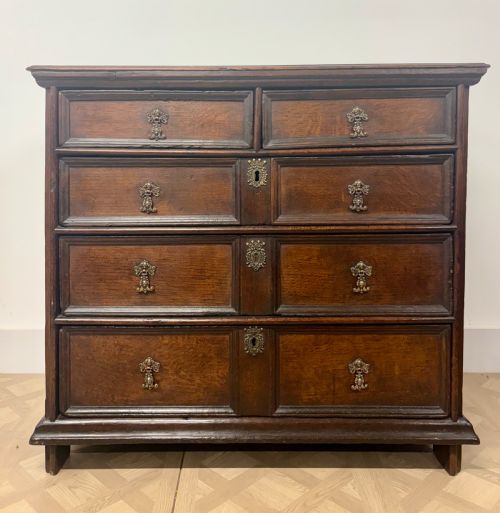
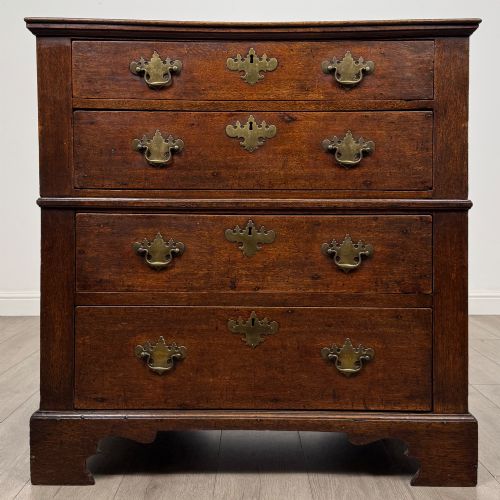
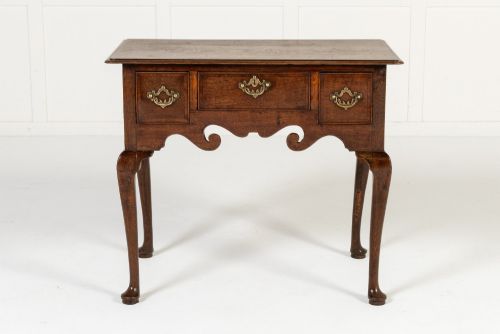
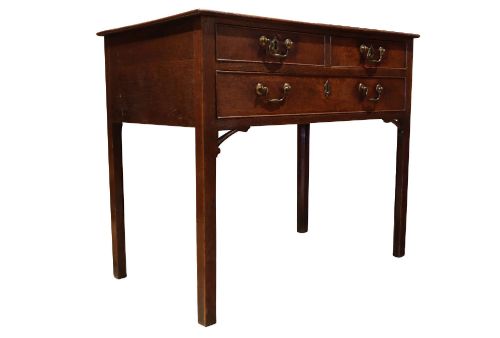
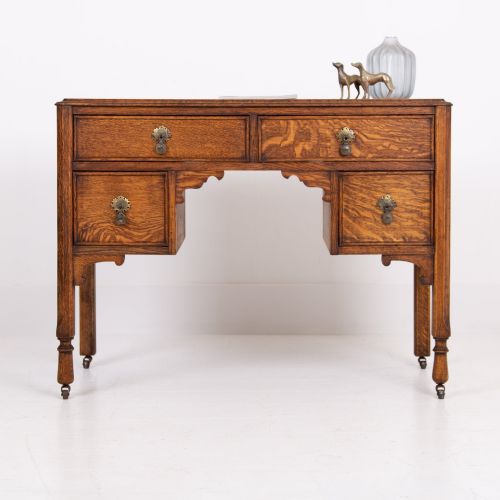
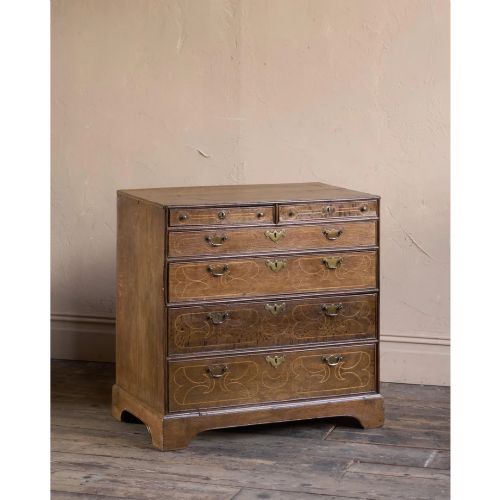
English oak drawers encompass a wide variety of storage furniture ranging from seventeenth-century chests and William and Mary geometric designs to eighteenth-century Georgian dressers, lowboys and mule chests.
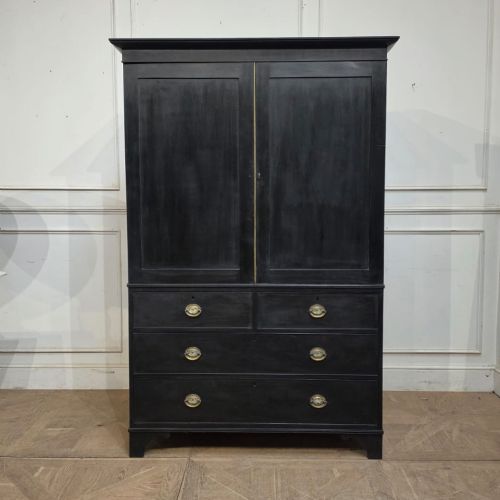
You will frequently encounter sturdy chests of drawers alongside dresser bases, side tables with integrated drawers and writing bureaux originating from periods spanning the seventeenth to the early twentieth century.
The selection reflects both formal urban cabinetmaking and provincial country workshop traditions, offering practical storage solutions built from robust native timber.
How they were made
Carpenters utilised solid oak for the primary carcass and framing, often incorporating secondary timbers like pine, fruitwood or elm in drawer linings and internal panels.
Construction techniques relied on pegged mortise and tenon joints for frames, alongside hand-cut dovetails on drawer construction to ensure lasting strength.
Surface decoration frequently involved geometric mouldings, applied spindle turnings, panelled fronts and occasional fruitwood or walnut inlay work.
Current selections include pieces spanning the 17th Century, Georgian era, Victorian period, and 1920s revival styles.
What varies in quality
The standard of an individual piece is determined by the crispness of hand-carved details, the tightness of dovetail joints and the retention of original brass or iron hardware.
Pieces featuring undisturbed timber surfaces, rich natural patination and authentic period construction methods command greater respect than those altered by heavy restoration or aggressive stripping.
The balance of proportions, the quality of the selected oak grain and the survival of original feet or stands distinguish superior examples from ordinary utilitarian items.
Hubert Simpson of Kendal
The English Oak Drawers Glossary
- Lowboy
- A small side table featuring one or more rows of drawers, commonly supported on cabriole or straight legs.
- Mule chest
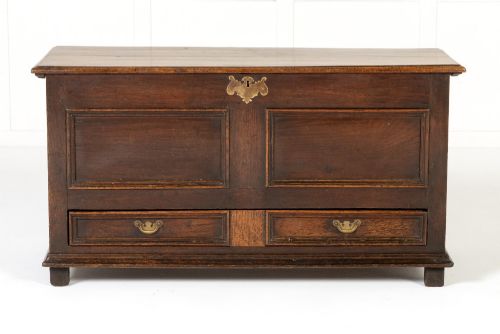
- A blanket box or trunk fitted with one or more working drawers in the base below the main compartment.
- Dresser base
- A long sideboard-style cabinet with drawers, occasionally featuring an open potboard shelf beneath.
- Dovetail
- A traditional interlocking joint used to secure drawer corners together securely without modern adhesives.
- Oyster piece
- Small circular or oval veneer sections cut transversely from branch wood to create decorative patterns.
English Oak Drawers: Frequently Asked Questions
How do I date an oak chest?
Dating relies on observing construction methods such as hand-cut dovetails, framing styles and types of hardware used on the piece.
Earlier examples from the seventeenth century typically feature pegged joinery and geometric mouldings, whereas eighteenth-century Georgian items introduce refined bracket feet and cleaner drawer proportions.
What is a mule chest?
A mule chest combines a traditional blanket box storage compartment with one or more operational drawers built into the lower base.
This hybrid form emerged as makers sought to provide accessible drawer space beneath linens without requiring users to lift top lids entirely.
Where were lowboys used?
Lowboys served versatile roles in domestic interiors as dressing tables, writing desks or hallway side tables during the seventeenth and eighteenth centuries.
Their compact proportions allowed them to fit easily into smaller chambers while providing useful surface area and concealed drawer storage.
How should I care for antique oak?
Protect antique oak furniture by maintaining stable room temperatures and avoiding direct exposure to strong sunlight or radiator heat.
Apply occasional traditional wax polish to nourish the timber grain and preserve the natural patination built up over centuries of use.