


English Oak Console
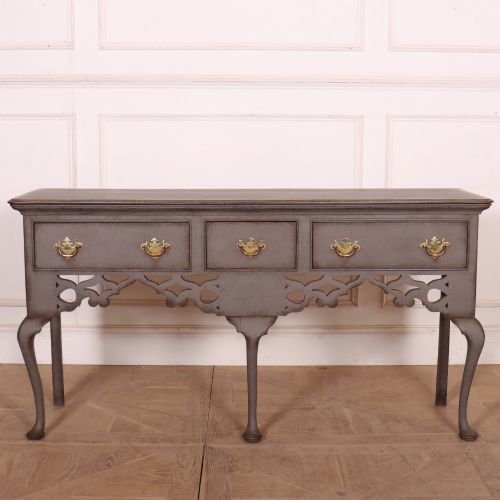
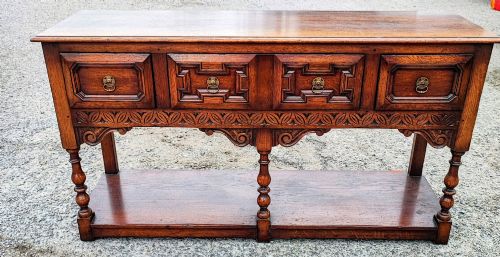
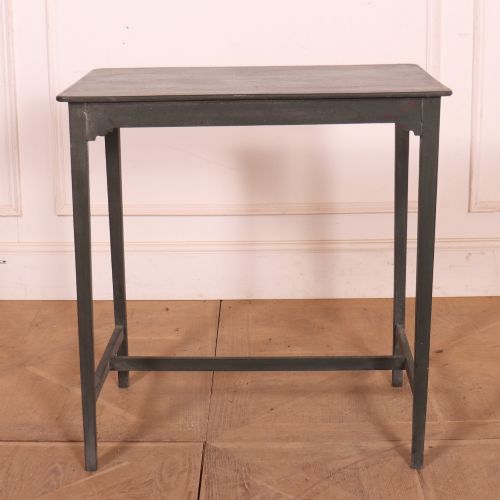
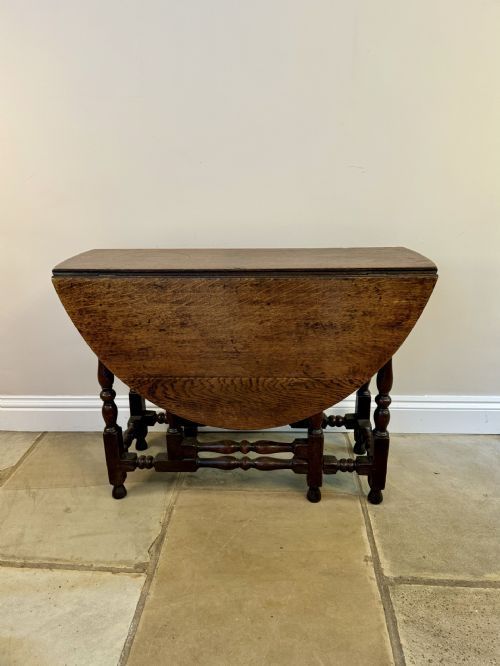
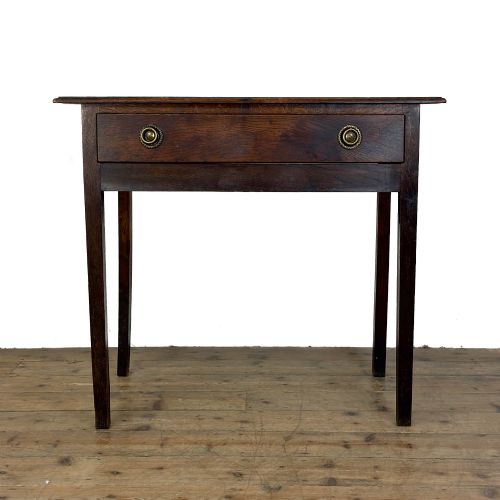
These english oak console pieces range from seventeenth century side tables to later painted dresser bases, bringing sturdy utility and rich grain to any hallway.
English Oak Console
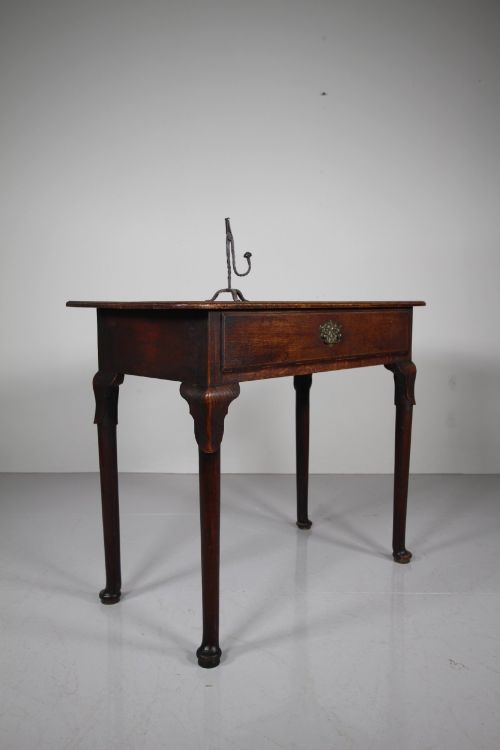
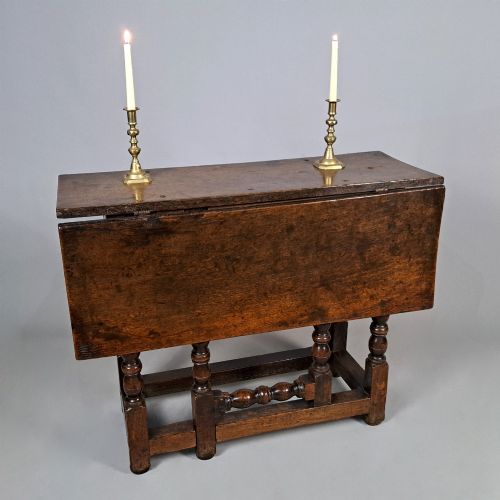
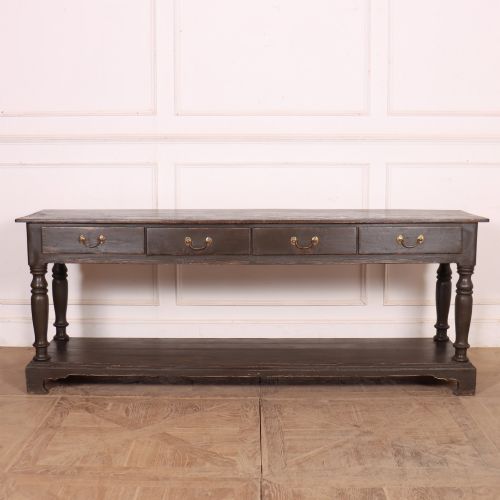
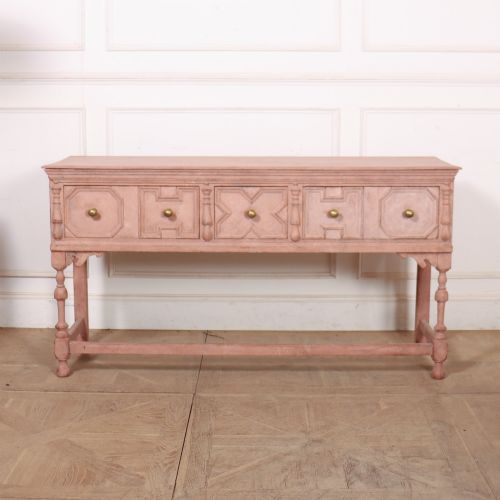
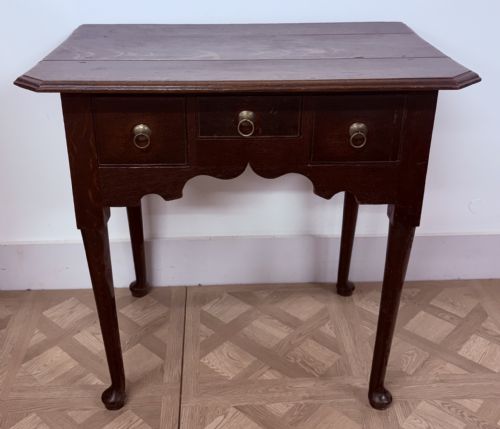
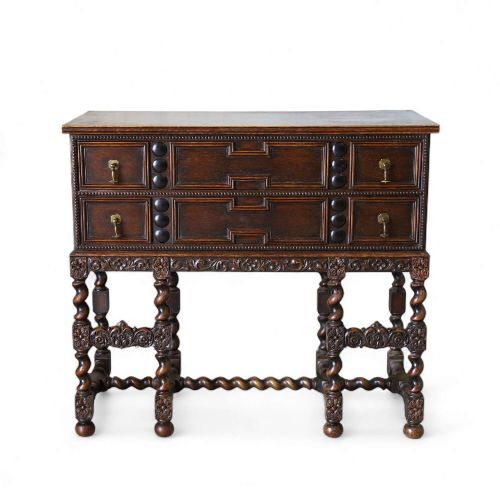
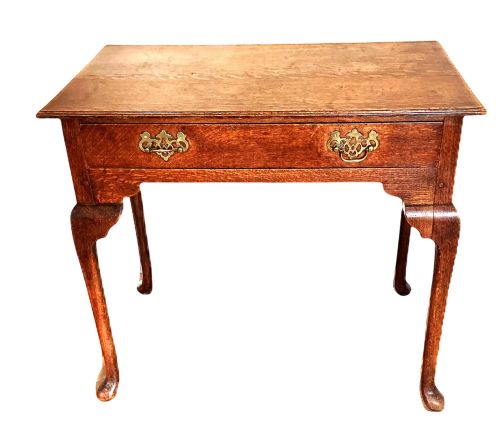
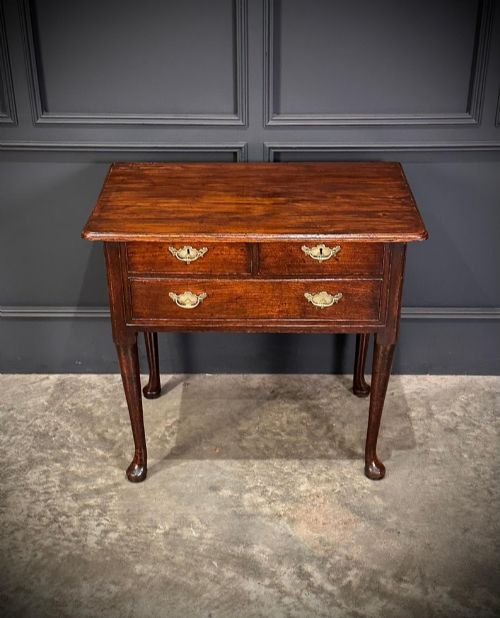
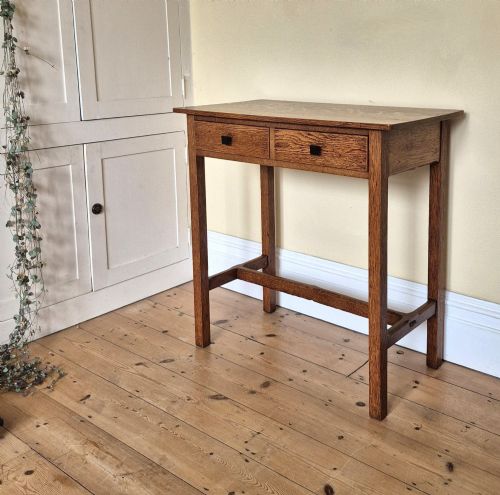
When you search for an english oak console, you encounter a variety of heavy side tables, lowboys, and dresser bases originating from the seventeenth century through to the twentieth century. These low and narrow forms served practical purposes in historic domestic interiors, often placed against walls to hold household items or food.
The versions most common on this page span seventeenth century side tables featuring bold proportions and eighteenth century lowboys with cabriole legs. You also meet nineteenth century painted iterations and later twentieth century revivals that imitate earlier craftsmanship.
How they were made
Makers utilised solid oak, sometimes bleaching or painting the timber, alongside brass hardware and iron fittings. Joinery relied on sturdy framing methods to support heavy use over centuries.
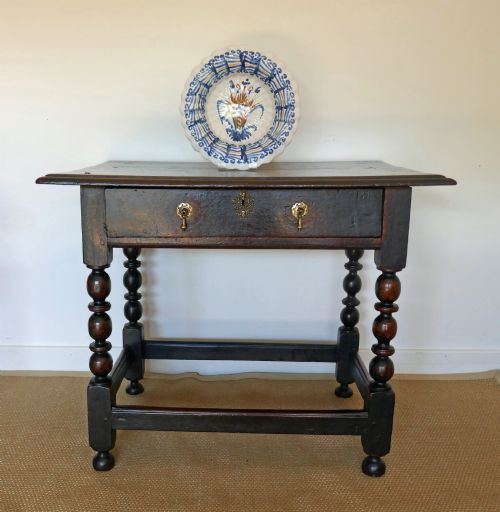
Carving, geometric mouldings, and barley-twist supports appeared on seventeenth century styles and later revivals, while marble tops featured on occasional Regency pieces.
English Oak Console Retail Price Guide 2026
Typical asking prices for english oak console among the pieces listed under this phrase on Sellingantiques today, from the lower quarter to the upper quarter. They describe what is for sale here now, not the wider market.
Listings feature solid oak, bleached oak, and painted wood across periods spanning from the seventeenth century to the twentieth century.
What varies in quality
The distinction between standard examples and exceptional pieces rests upon the crispness of the carving and the integrity of the timber. Bold proportions and untouched original surfaces elevate seventeenth century items above routine later copies.
Proportion and restraint dictate the appeal of eighteenth century lowboys and dresser bases. Finer pieces display harmonious drawer arrangements and minimal later alterations to the wood.
Hubert Simpson of Kendal·Holland and Sons
The English Oak Console Glossary
- Lowboy
- A small table with drawers, commonly used as a dressing table or side table in the eighteenth century. These typically feature cabriole legs and multiple small drawers.
- Dresser base
- A long, low sideboard fitted with drawers, often incorporating a potboard shelf underneath. They formed a central storage feature in traditional English kitchens.
- Credence table
- A folding table with a semicircular top supported by a swinging leg, dating frequently from the seventeenth century. They often stood against walls in domestic or ecclesiastical settings.
- Barley-twist
- A turned wooden support resembling a spiral rope, popular in seventeenth century furniture and later revival pieces. This decorative milling technique adds vertical rhythm to table legs.
English Oak Console: Frequently Asked Questions
Where should I place an oak console?
These tables suit narrow hallways, living rooms, or dining spaces where surface area is needed without bulk. Their shallow depth allows them to sit flush against walls.
Pair them with a mirror or a lamp to anchor an entranceway, echoing how similar sturdy tables functioned in historic homes.
How do I spot a 17th-century piece?
Examine the timber for hand-cut joinery, pegged mortise and tenon joints, and dense grain patination. Seventeenth century examples often show geometric mouldings and heavier proportions.
Revival pieces from later decades imitate these traits but typically feature more uniform machine tooling and lighter overall weight.
What is the difference between a lowboy and a side table?
A lowboy is specifically a small table equipped with one to three drawers, historically used for personal grooming or as a compact writing desk. Side tables cover a broader category of rectangular furniture.
Both forms utilise similar construction methods in oak, but lowboys prioritize enclosed drawer storage.
Can I use an antique dresser base in a modern kitchen?
Dresser bases provide generous surface space and deep drawers that suit contemporary storage needs. Their robust oak construction handles daily use comfortably.
Ensure moisture levels in the room remain stable to protect historic timber finishes over time.