
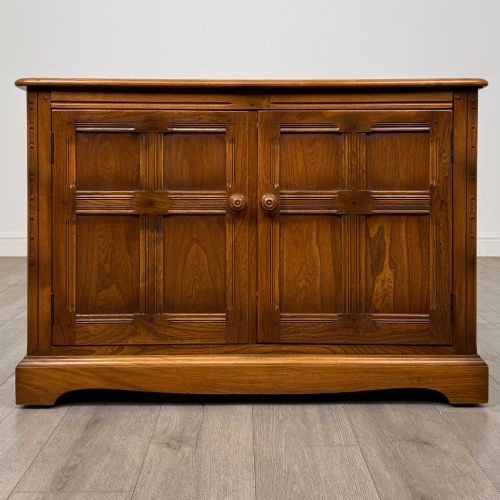
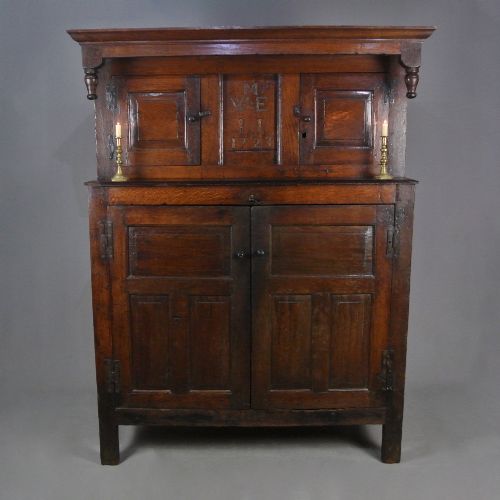
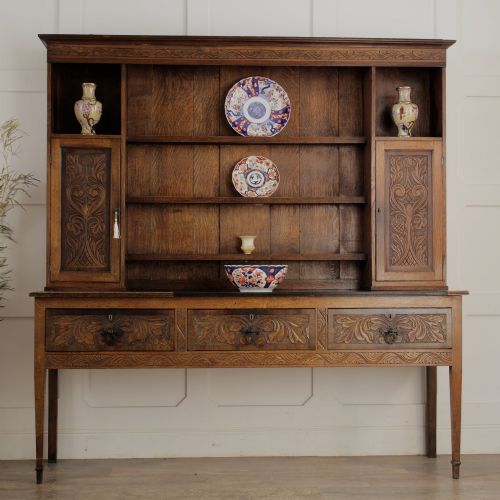

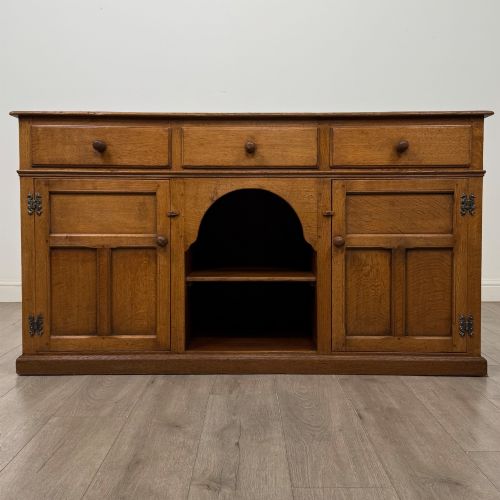


English Oak Buffet Cabinet
An english oak buffet cabinet grounds a dining room with heavy timber, sturdy shelves and generations of storage.
English Oak Buffet Cabinet
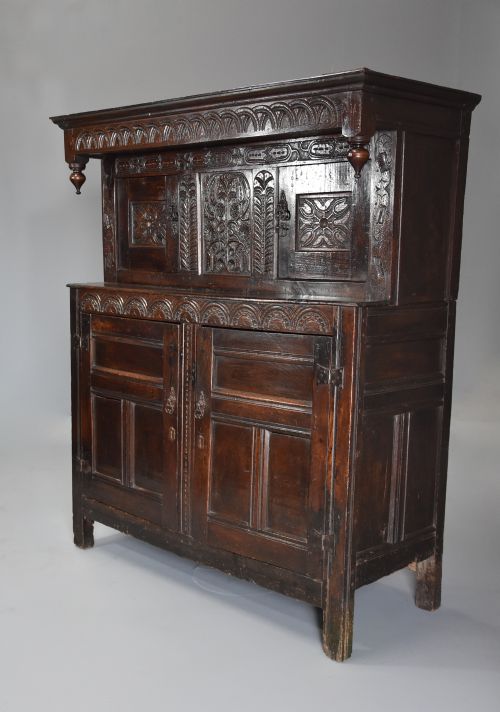
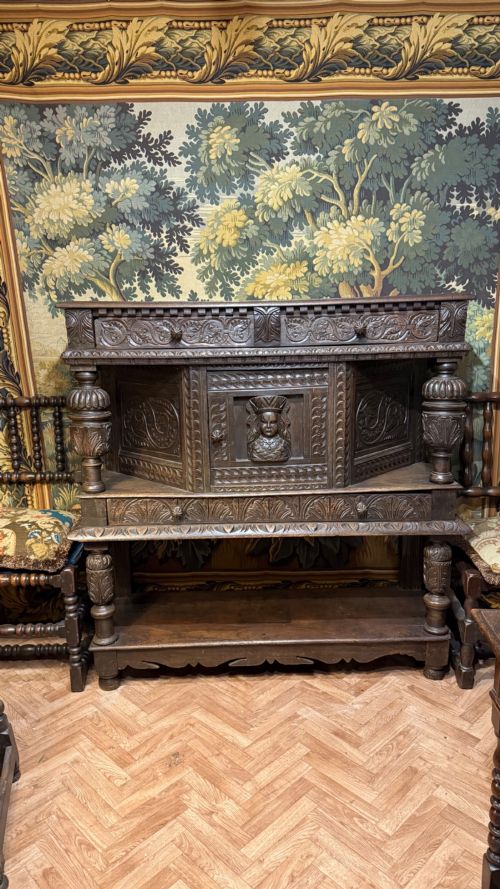
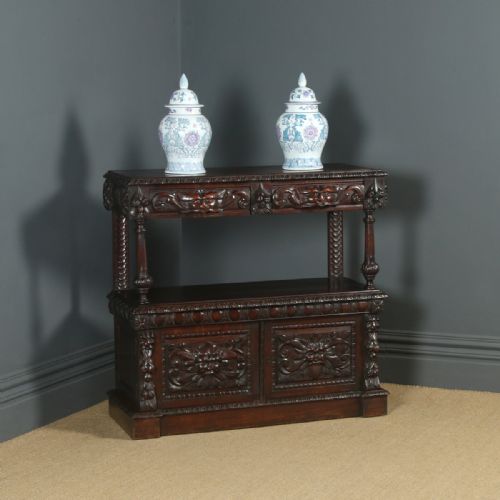
The search phrase english oak buffet cabinet covers a robust group of storage furniture built primarily from native English timber across several centuries. You encounter everything from early seventeenth century court cupboards and press cupboards to eighteenth century dresser bases and nineteenth century Victorian sideboards.
The pieces on this page lean heavily towards the seventeenth century with its carved panels and formal structure, alongside later Victorian and Edwardian iterations. Formats vary from low sideboards with top shelves to towering enclosed cupboards designed for displaying and storing household provisions.
Makers utilised solid timber and straightforward construction methods, resulting in substantial furniture built to endure. Whether you examine a provincial country piece or a formal revival cabinet, the underlying presence is heavy oak.
Materials and construction
Makers constructed these pieces using solid oak, frequently augmented with specialist timbers such as pollard oak for decorative grain patterns. Iron and brass hardware, including hinges, drop handles and escutcheons, secure the doors and drawers while adding functional contrast to the warm wood.
Joinery relied on traditional pegged mortise and tenon joints, panelled doors and hand-carved ornamentation rather than factory fasteners. Surface finishes developed through decades of wax application and natural handling, preserving the deep brown tones of the wood without modern heavy lacquers.
Listings feature oak, pollard oak, iron and brass across seventeenth century, eighteenth century and Victorian periods.
Judging quality in oak cabinetry
Quality rests in the proportion of the timber, the depth of the hand carving and the retention of original surfaces. Pieces featuring untouched patination and period-correct brass or ironwork command greater attention than those stripped down and aggressively refinished.
Structural integrity matters deeply in heavier furniture, so tight joints and original backs elevate a piece above one with extensive later timber replacements. The crispness of carved friezes, panel mouldings and turned supports separates standard utility furniture from finer vernacular examples.
The English Oak Buffet Cabinet Glossary
- Court cupboard
- A heavy enclosed storage piece from the seventeenth century featuring recessed upper sections supported by carved columns.
- Press cupboard
- A two-tier storage cabinet designed for linens and garments, often enclosed by heavy panelled doors.
- Dresser base
- A low side table featuring working drawers above pot boards or open shelving, used historically for food preparation and serving.
- Pollard oak
- Timber taken from trees that were regularly cut back, producing a knotty grain pattern prized for decorative veneers and highlights.
- Patina
- The surface sheen and colour acquired by wood and metal through decades of handling, polishing and exposure to light.
English Oak Buffet Cabinet: Frequently Asked Questions
What is an english oak buffet cabinet?
It is a heavy timber storage piece built in England, functioning primarily as a sideboard, serving table or enclosed cupboard.
These items range from early carved court cupboards to later Victorian and Edwardian server units.
How were these cabinets used historically?
Families used them to store food, pewter, linens and dining provisions in great halls, farmhouses and town dining rooms.
The upper shelves and surfaces also served to display prized household plate during banquets and daily meals.
How do I date an oak cabinet?
You examine the tool marks, construction joints, carving styles and hardware types to determine the period of origin.
Seventeenth century pieces show pegged joinery and geometric panelling, whereas nineteenth century revivals incorporate machine-sawn timber and Victorian brasswork.
Will these cabinets fit in modern rooms?
Their substantial depth and height require ample wall space and a room capable of handling heavy timber furniture.
They anchor dining rooms and hallways effectively, offering deep drawers and cupboards that swallow modern clutter with ease.