
English Oak Box
An English oak box brings centuries of utilitarian craftsmanship into modern rooms, offering durable storage with deep historical character.
English Oak Box
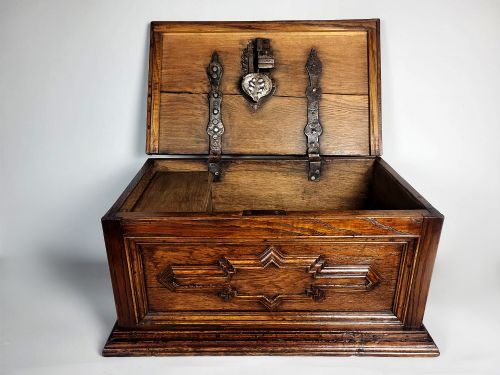
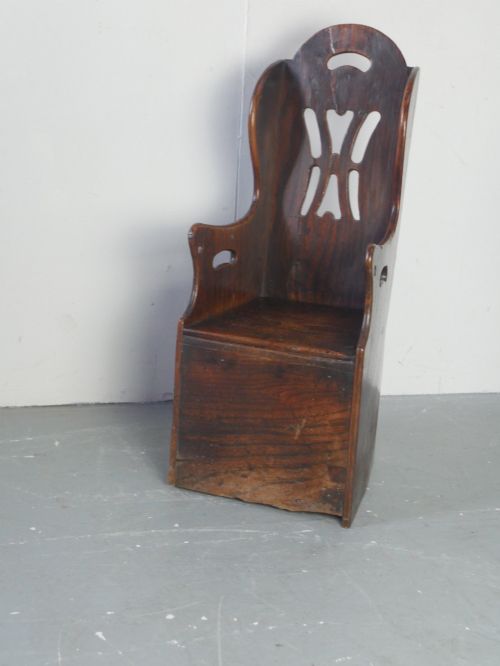
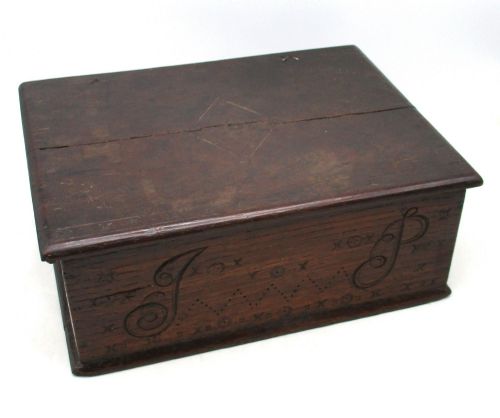
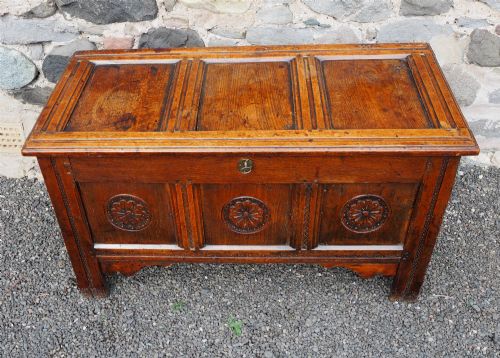
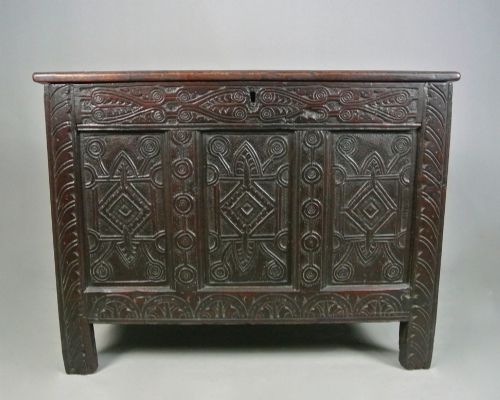
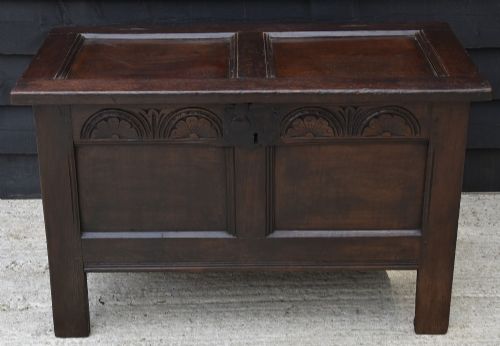
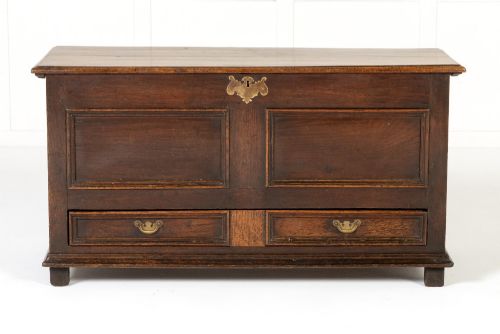
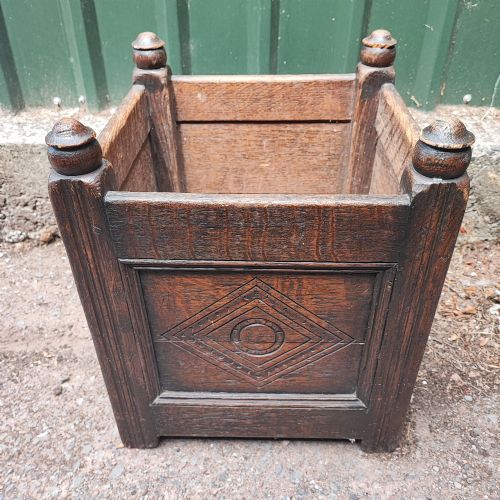
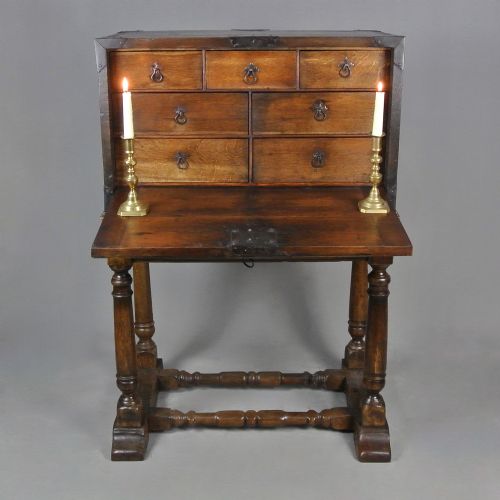
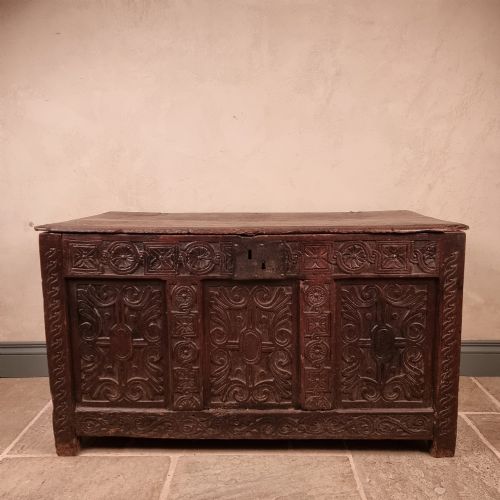
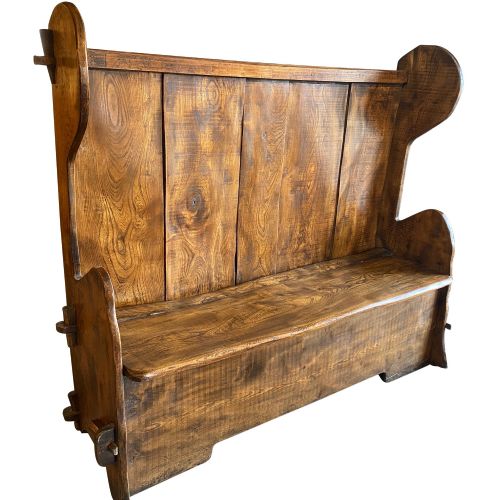
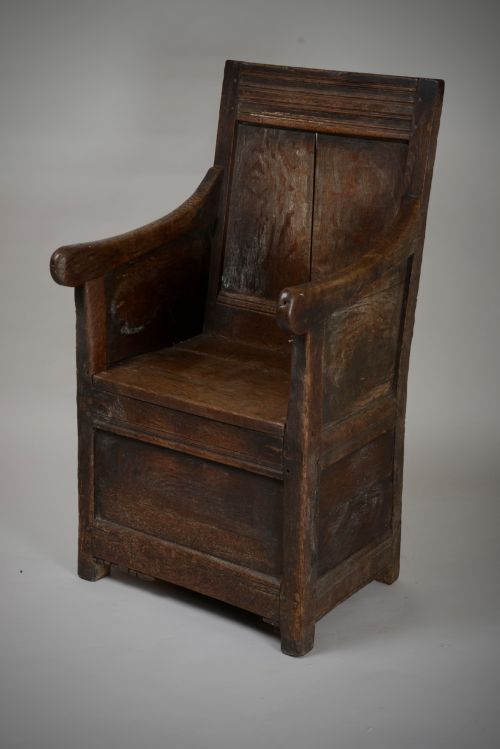
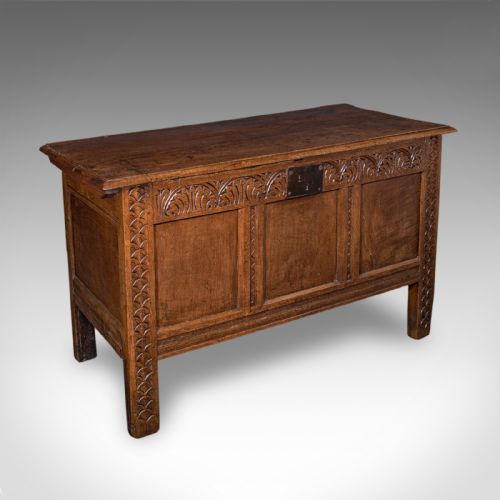
The term english oak box covers a broad domestic tradition spanning small desk top containers to large blanket chests and coffers. Surviving pieces date from the sixteenth century through the Edwardian period, reflecting shifting household storage needs over generations. Document boxes, Bible boxes, candle boxes, and mule chests all fall within this category.
Smaller examples served specific functions like holding manuscripts, cutlery, or tobacco, while larger boarded and panelled coffers secured family valuables. Many pieces display regional English cabinet-making styles, incorporating elm, walnut, or fruitwood alongside primary oak timbers.
How They Were Made
Early makers relied on heavy frame and panel construction or simple boarded joints pegged with wood rather than modern fasteners. Hand tools such as adzes, drawknives, and chisels left tool marks across the surfaces, while hinges and locks utilised wrought iron and brass.
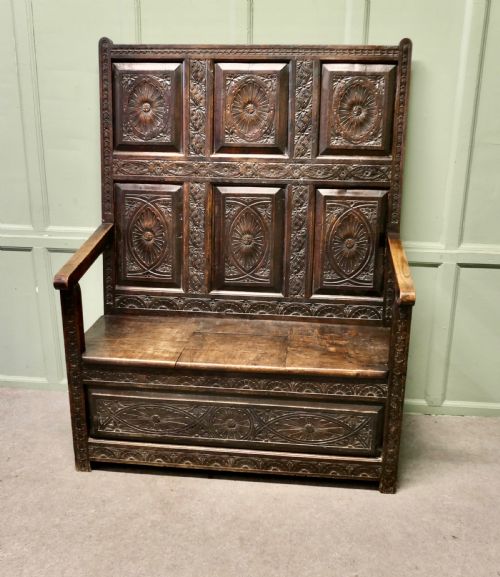
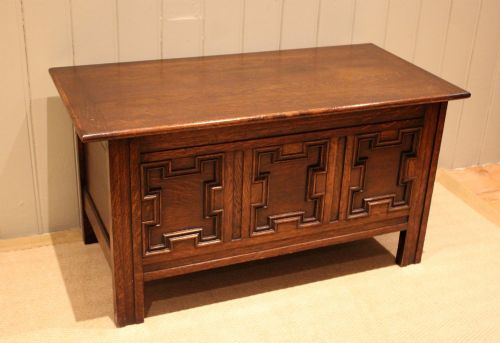
Carving techniques varied from geometric strapwork to foliate motifs executed directly onto the dense timber. Secondary woods like elm or fruitwood occasionally appeared in structural framing or secondary panels.
Several boxes double as puzzle containers or secret compartments designed to baffle curious guests.
What Varies in Quality
Construction integrity dictates value, distinguishing sturdy original joinery from heavily restored or later assembled timber. The presence of original iron hardware, locks, and hinges elevates a piece significantly.
Carving depth and execution differentiate standard utilitarian items from master-carved examples commissioned for wealthy households. Surface patination, developed through centuries of handling, remains crucial to historical authenticity.
The English Oak Box Glossary
- Coffer
- A heavy wooden chest traditionally used for storing valuables or household goods. Early examples feature boarded or panelled construction with hinged lids.
- Bible Box
- A small desk or storage box designed to hold sacred texts and writing materials. These often feature sloping lids and internal compartments.
- Mule Chest
- A traditional storage chest featuring one or more drawers beneath the main lift-up compartment. They bridge the gap between simple coffers and full chests of drawers.
- Boarded Box
- A simple box constructed from thick planks nailed or pegged at the edges rather than using frame and panel joinery. This method represents an earlier, more rustic style of construction.
- Strapwork
- A decorative carving motif resembling flat interlaced bands or leather straps. It appears frequently on sixteenth and seventeenth century panels.
English Oak Box: Frequently Asked Questions
How do I date an old box?
Dating relies on examining construction methods, hinge types, and decorative motifs like carving styles. Hand-pegged joints and wrought iron hardware typically point to earlier centuries.
Secondary woods and later replacement hinges provide clues to subsequent repairs or alterations over time.
What were document boxes used for?
Document boxes safely stored deeds, correspondence, and valuable papers in domestic or administrative settings. Their compact sizes allowed owners to transport them easily.
Many featured complex internal compartments and secure locks to protect sensitive contents from theft or damage.
How should I clean timber surfaces?
Maintenance requires gentle dusting with a dry, soft cloth to prevent dirt accumulation on the antique wood. Avoid modern chemical polishes that can damage historic wax finishes.
Occasional application of traditional beeswax helps preserve the natural moisture and patination of the oak.
Where were candle boxes placed?
Candle boxes hung on walls near hearths or doorways to keep tallow and wax tapers within easy reach. Wall-mounting protected delicate candles from household pests.
Sliding lids or hinged doors allowed quick access while keeping dust away from the candles.