
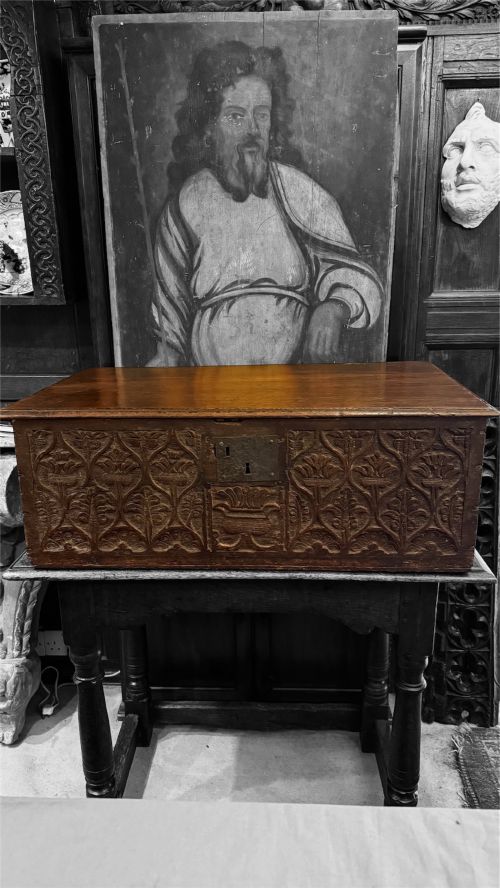
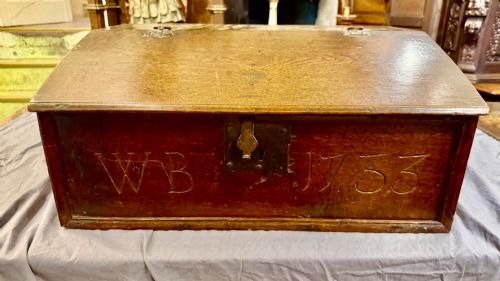
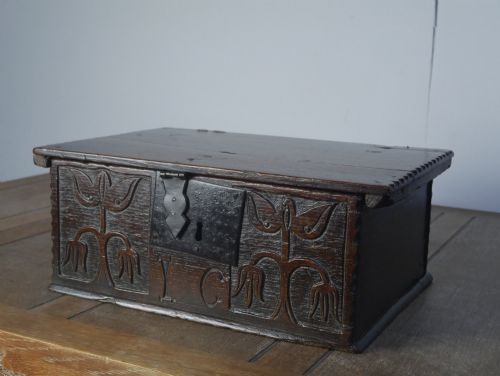
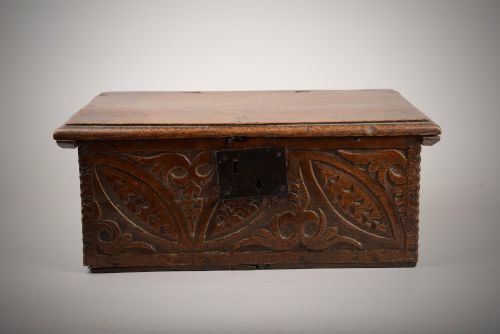
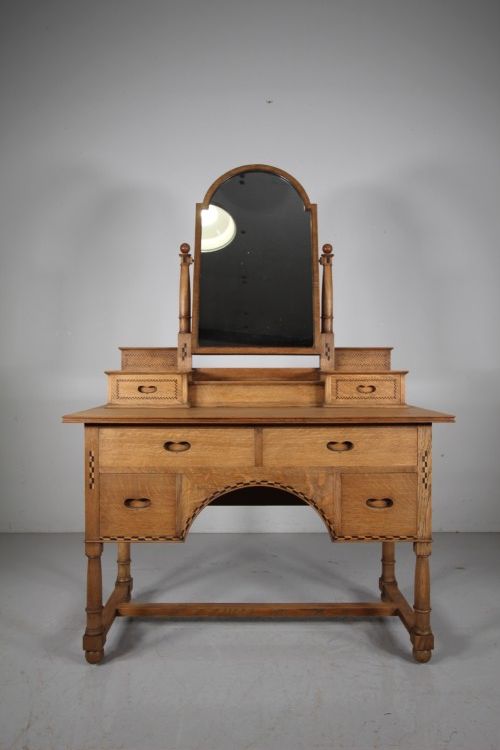
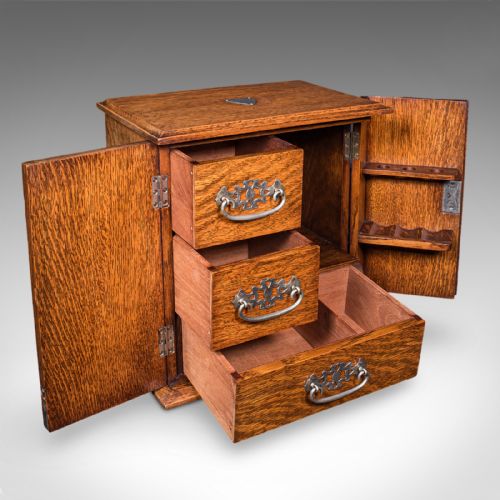
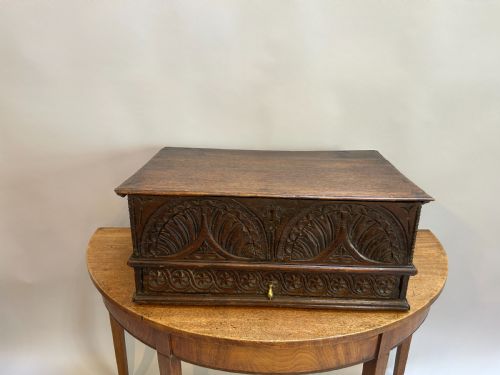
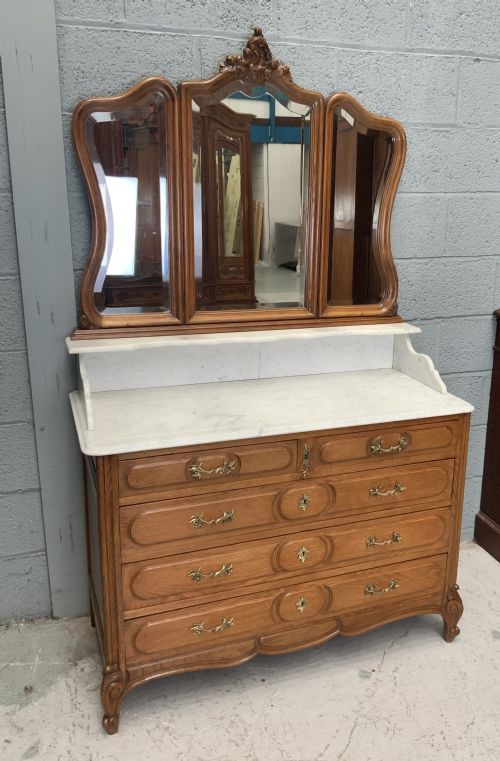
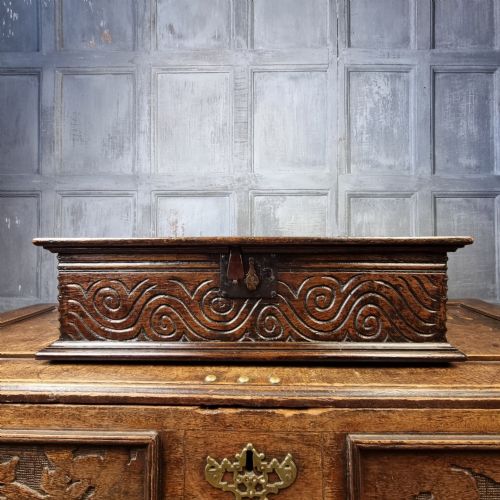


Carved Oak Desk Chest
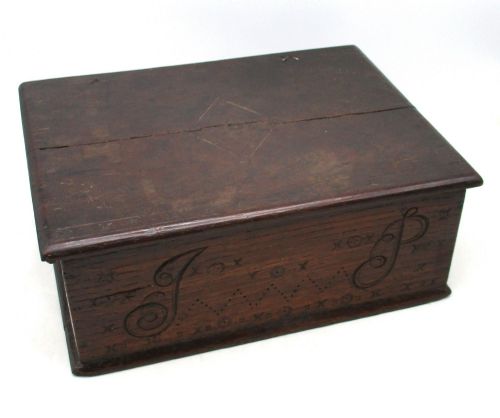
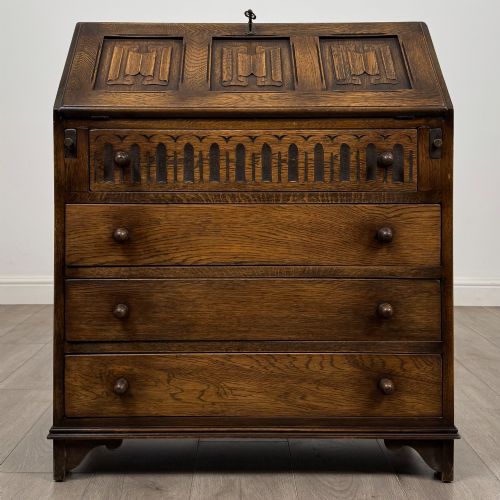
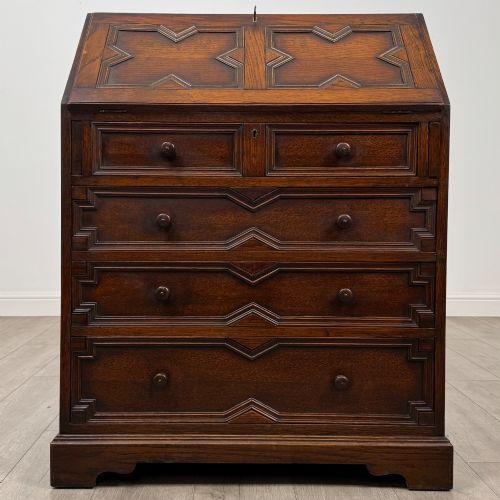
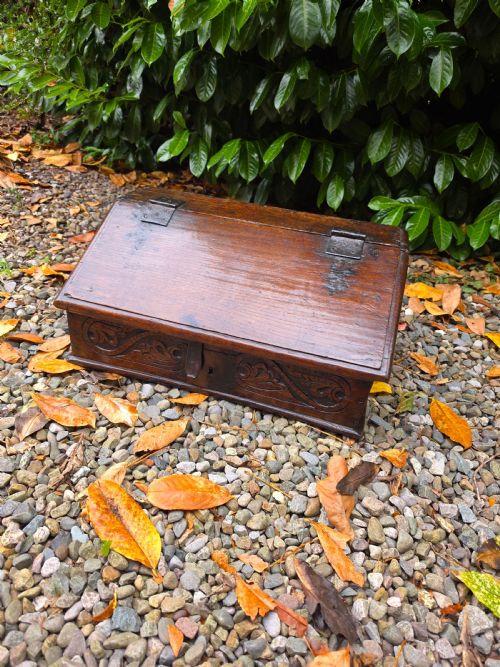
These carved oak desk chest examples span document boxes, slope-front bible boxes and writing bureaux from the seventeenth century onward.
Carved Oak Desk Chest
A carved oak desk chest encompasses portable writing boxes, hinged bible boxes with internal drawers, and slant-front bureaux designed for domestic use. The pieces found here range from seventeenth-century document receptacles to later Edwardian revivals and twentieth-century filing pieces.
Buyers meet seventeenth-century table boxes and eighteenth-century slope-front examples most frequently on this page. These sturdy containers combine storage for papers with compact writing surfaces intended for placement on tables or dedicated stands.
What varies in quality
Quality depends upon the crispness of the original carved decoration and the preservation of the primary timber. Pieces featuring undisturbed surface patination and period ironmongery stand apart from heavily restored alternatives.
The sophistication of internal joinery and the presence of documented provenance separate standard utility boxes from superior examples of seventeenth- and eighteenth-century craftsmanship.
Listings span multiple centuries, ranging from seventeenth-century oak bible boxes to twentieth-century oak filing cabinets.
Shapland and Petter·Heals
The Carved Oak Desk Chest Glossary
- Bible box
- A small wooden chest originally built to hold a family bible, frequently fitted with a sloping lid for reading and writing. These sturdy lidded containers often double as document repositories.
- Bureau
- A desk featuring a sloping hinged flap that opens to reveal a fitted interior of pigeonholes and small drawers. This form evolved from simple tabletop boxes into standalone furniture pieces during the eighteenth century.
- Linenfold
- A style of relief carving applied to wooden panels to imitate folded fabric. This decorative motif appears frequently on pieces influenced by Tudor and Jacobean styles.
- Escutcheon
- A protective plate surrounding a keyhole, usually fashioned from brass or iron. These functional elements often contribute significantly to the decorative character of early box furniture.
Carved Oak Desk Chest: Frequently Asked Questions
How were early desk chests used?
These lidded containers served as portable writing surfaces and secure storage for household deeds, letters and family bibles before dedicated writing furniture became common.
Owners placed them on tables or sturdy stands, opening the sloping lids to write correspondence in rooms throughout the house.
How do I identify seventeenth century pieces?
Seventeenth century examples display solid timber construction joined with handcrafted pegs and heavy iron hardware. Surface ornamentation typically relies on geometric panel carving or simple incised dates rather than applied veneers.
Interior layouts remain straightforward, featuring small compartments and occasionally hidden drawers beneath the primary writing deck.
Where should I place a desk chest?
These compact chests suit placement on top of sideboards, low tables or dedicated stands where their detailed carved fronts remain visible. Their modest footprints allow them to function effectively in studies and living rooms.
Avoid positioning them in direct sunlight or near heat sources to protect the aged timber and iron fittings.
What is the difference between a bible box and a bureau?
A bible box is a portable lidded container placed on a table for writing, whereas a bureau incorporates a sloping front that folds down to form a writing surface above lower drawers.
Bureaux evolved to provide permanent storage drawers beneath the desk space, while boxes remained lighter units meant for relocation.