


English Modern Art Painting
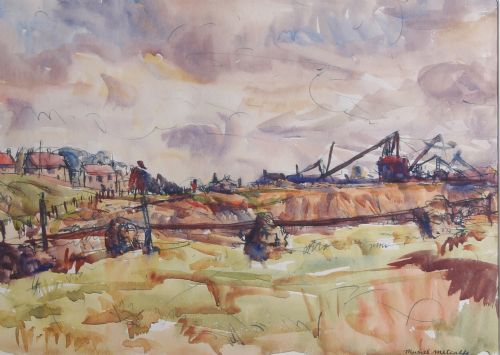
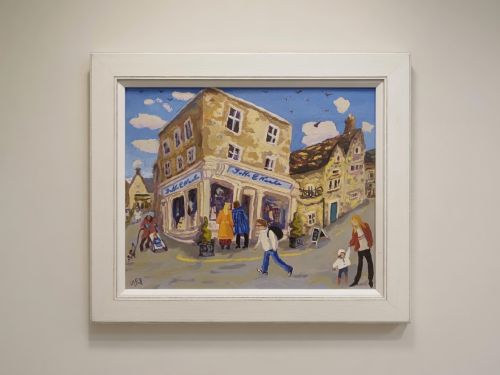
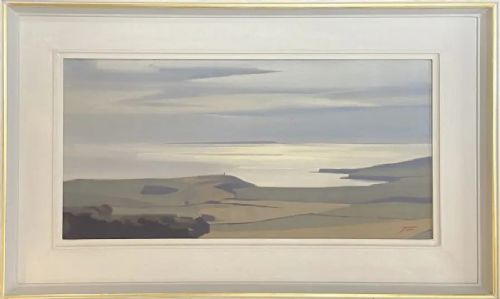
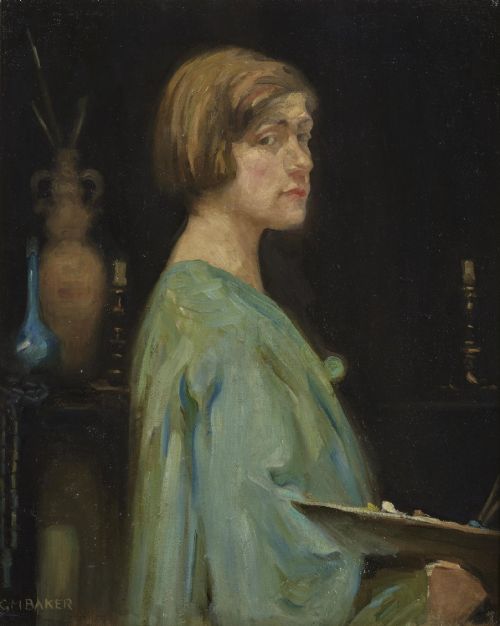
These english modern art painting works capture twenty-century domestic and coastal views through mid-century palettes.
English Modern Art Painting
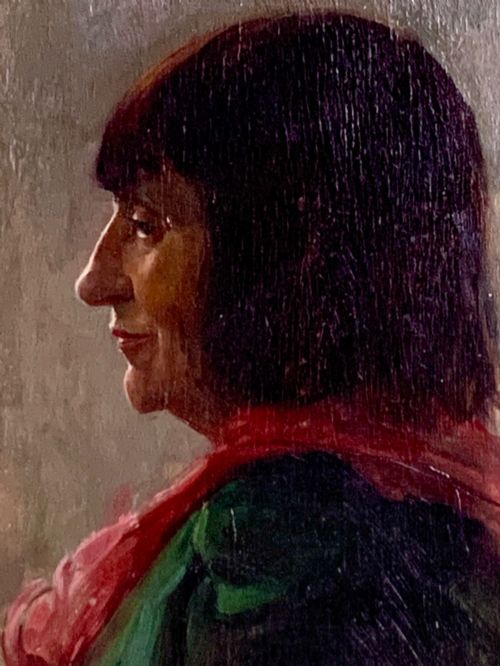
An english modern art painting brings together twentieth-century regional landscapes, still life arrangements, and intimate character portraits created across decades of artistic shift. The selection relies heavily on mid-century visual languages, balancing traditional topography with emerging abstraction and coastal scenes.
Buyers encounter works spanning from the nineteen-tens through to periods later than nineteen-sixty, capturing Edwardian pastoral sensibilities alongside wartime watercolour studies and mid-century modern realism. These pieces reflect specific British localities, ranging from northern quarries and Yorkshire barns to southern coastal bays and estuary waterways.
The forms vary between framed wall art, detailed watercolours on paper, and textured oil paintings on canvas. Artists working within these traditions often documented familiar domestic routines or rural surroundings with distinct regional character.
Materials and methods
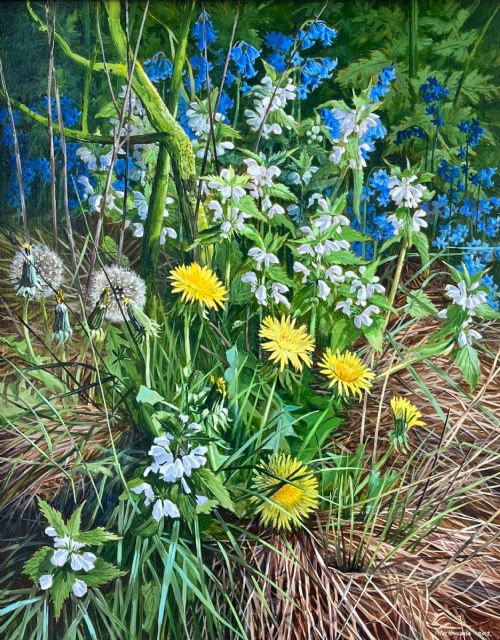
These works are executed using oil paint on canvas or applied watercolour media on paper, framed to preserve the fragile surfaces. Painters utilised traditional brushwork alongside impasto techniques to build texture, particularly within landscape and floral compositions.
Substrates include prepared canvas boards and heavy paper supports housed in timber frames, sometimes protected behind glass. The physical construction relies on the durable application of oil and water-soluble pigments to capture light and shadow across rural views.
Listings feature works created across several decades, spanning from nineteen-ten through to the nineteen-sixties and beyond.
Distinctions in quality
Quality rests upon the confidence of the brushwork and the clarity of the composition, distinguishing spirited plein-air studies from rigid topographical records. Stronger examples demonstrate a confident handling of colour and light that anchors the subject firmly in its specific period.
The sophistication of the palette and the preservation of the original paper or canvas support elevate certain works above standard decorative examples. Superior pieces maintain vibrant pigment retention and secure framing that protects the integrity of the painted surface.
Muriel Metcalfe·Lucy Pratt·James Fry·Gladys Marguerite Baker·Peter Newcombe·John Rattenbury Skeaping·Tony Giles·James Tower·Helen Layfield Bradley·Henry Charles Fox·Fred Lawson·Edward Seago·Claude Muncaster·Ernest Higgins Rigg
The English Modern Art Painting Glossary
- Watercolour
- A painting method where fine pigments are suspended in a water-soluble binder and applied to paper. This medium allows for translucent washes and delicate atmospheric effects.
- Impasto
- Paint applied thickly to a canvas or panel so that the brush or palette knife marks remain clearly visible. This technique adds tactile depth and catches light across the surface.
- Provenance
- The documented history of ownership and exhibition attached to a work of art. Clear records establish authenticity and connect the piece to known collections.
- Topographical
- A style of painting focused on the accurate depiction of specific real-world locations and landmarks. These views serve as historical records of changing rural and urban environments.
- Bloomsbury Group
- An influential association of English writers, intellectuals, and artists associated with modernist aesthetics. Their work often explored domestic interiors and expressive portraiture.
English Modern Art Painting: Frequently Asked Questions
What subjects do these paintings feature?
The works primarily depict British landscapes, coastal scenes, townscapes, and still life arrangements of flowers and fruit.
Artists also recorded domestic interiors, pastoral views, and character studies set across various regions of England.
How should I frame these watercolours?
Watercolour paintings on paper require conservation mounting behind glass to protect the pigment from ultraviolet light and atmospheric moisture.
Using acid-free window mounts prevents direct contact between the paper surface and the glazing material.
How do I date an oil painting?
Dating relies on signatures, dated inscriptions on the reverse, stylistic markers, and the type of canvas or stretcher used.
Examine exhibition labels and framing remnants which often provide clues to the period of creation.
Where were these artists working?
The painters operated across diverse British locations, from Yorkshire dales and the Lake District to Cornish coastal villages and London.
Many captured specific regional topography tied to local art groups and rural communities.