

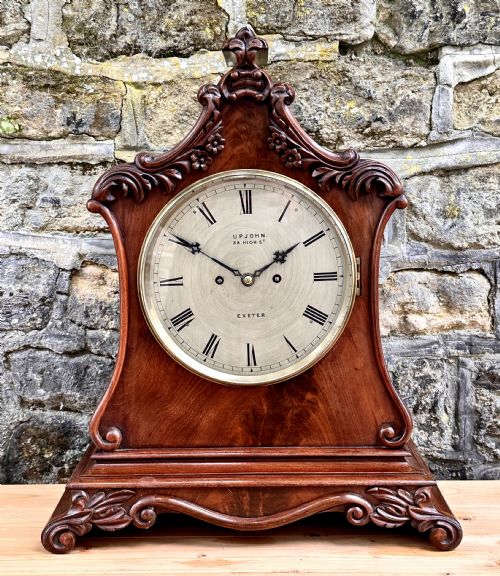
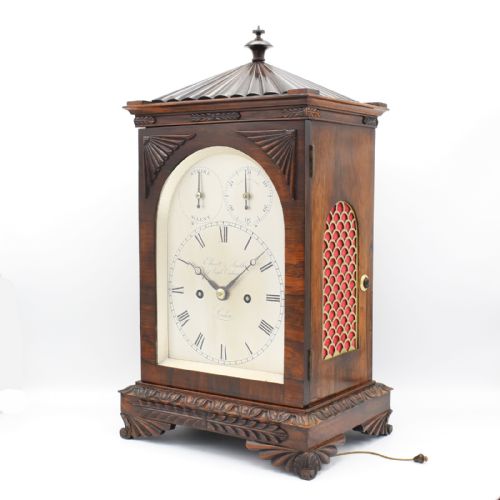


English Mahogany Table Clock
An English mahogany table clock is a precision timepiece housed in a refined timber case, sought after for its architectural presence and mechanical ingenuity.
English Mahogany Table Clock
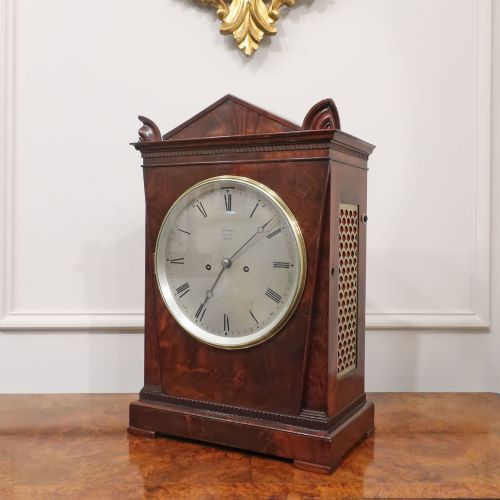
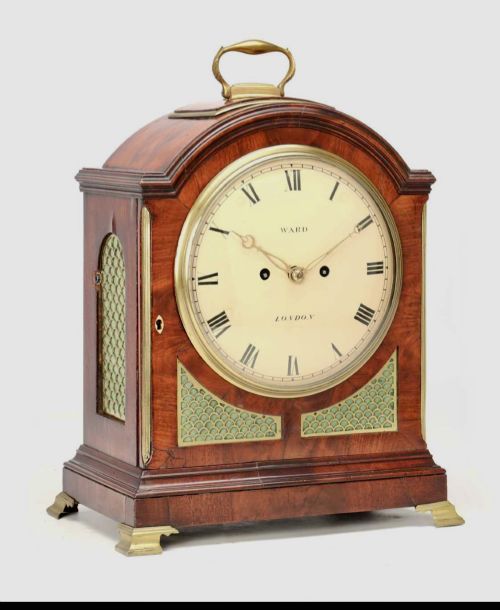
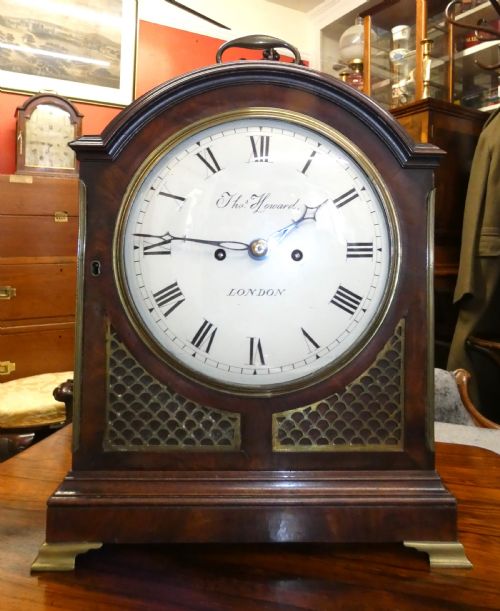
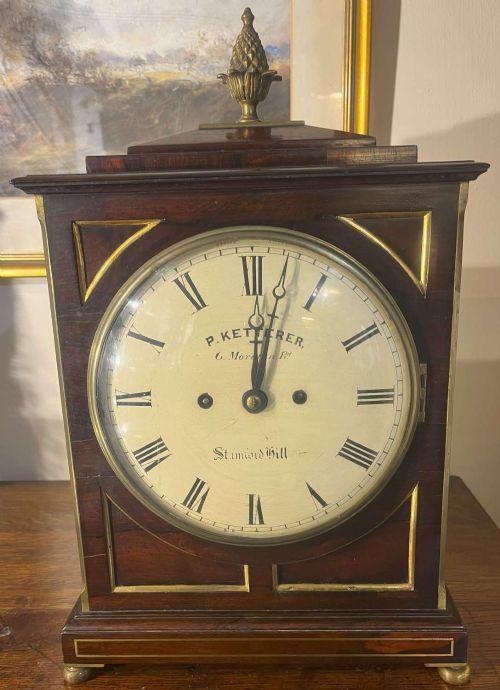
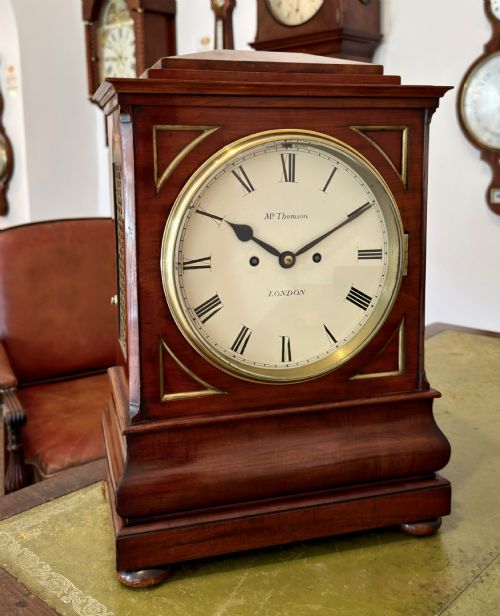
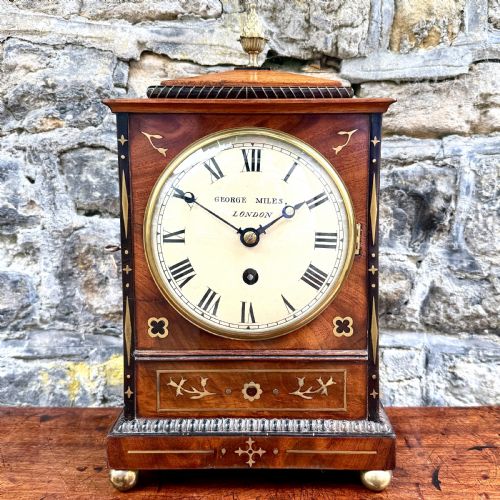
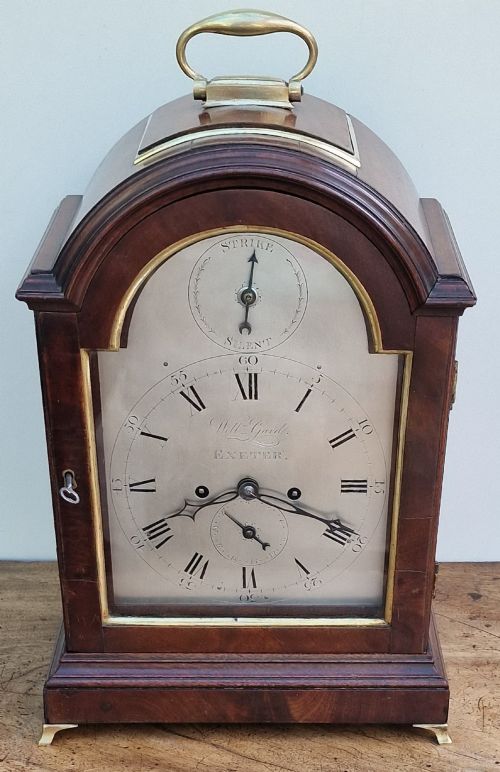
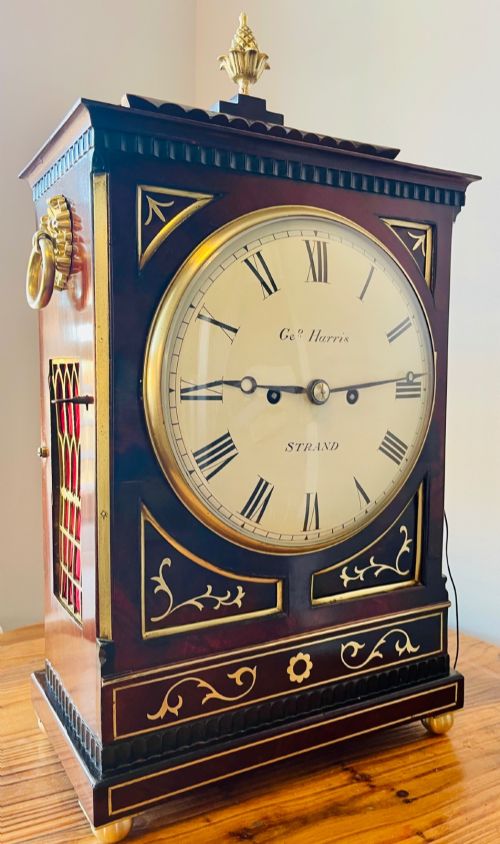
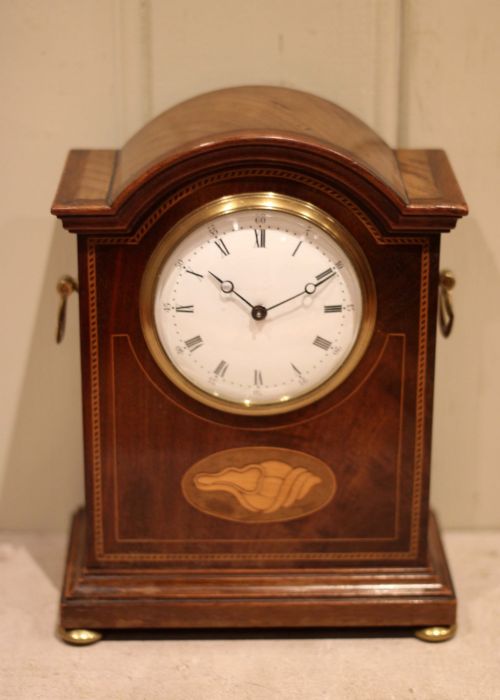
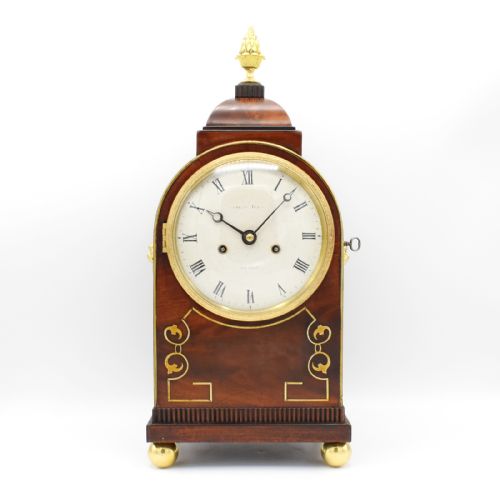
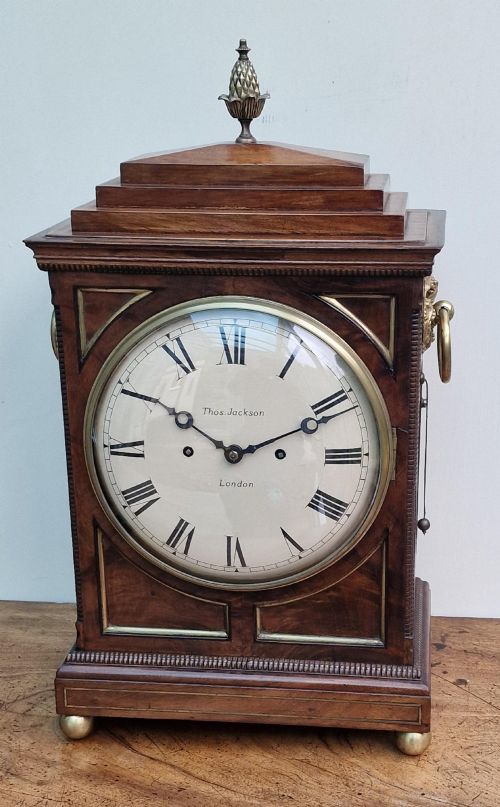
An English mahogany table clock is a sophisticated domestic timekeeper designed to sit on a bracket, shelf, or table. When exploring this selection, a buyer encounters pieces primarily from the Georgian, Regency, and Victorian periods, alongside Edwardian examples.
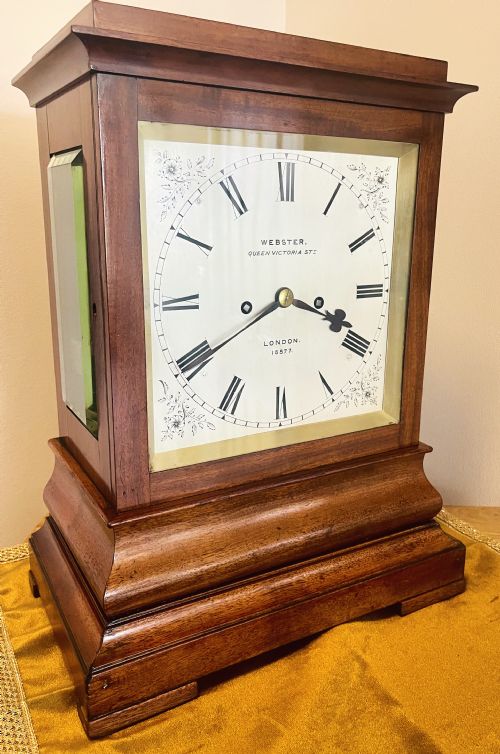
The forms vary significantly, encompassing bracket clocks with architectural pediments, library clocks with glass panels, and balloon or pagoda top mantel clocks. London makers dominate the record, though provincial makers from locations such as Exeter, Stroud, and Norwich appear frequently.
These clocks function as both decorative furnishings and complex mechanical instruments. The surviving examples demonstrate the evolution of domestic timekeeping through the eighteenth, nineteenth, and early twentieth centuries.
Materials and Construction
English Mahogany Table Clock Retail Price Guide 2026
Typical asking prices for english mahogany table clock among the pieces listed under this phrase on Sellingantiques today, from the lower quarter to the upper quarter. They describe what is for sale here now, not the wider market.
Listings feature mahogany timepieces spanning the Georgian, Regency, and Victorian eras, utilising brass, enamel, and ebony.
Distinctions in Quality
Quality in an English mahogany table clock rests upon the sophistication of the internal movement and the crispness of the cabinetwork. Fine examples feature complex double or triple fusee arrangements, musical complications, and substantial brass inlay.
The refinement of the timber selection and the delicacy of brass sound fretwork separate standard production from exceptional masterwork. Engraved backplates signed by notable makers indicate superior workshop standards.
Thomson of London·William Gard·Webster London·Ellicott and Smith·George Orpwood·Paul Philip Barraud·Mappin and Webb
The English Mahogany Table Clock Glossary
- Fusee
- A conical pulley used in spring-driven clocks to equalize the diminishing power of the mainspring as it unwinds. This mechanism ensures consistent torque and improved timekeeping accuracy.
- Bracket clock
- A portable timekeeper originally designed to rest upon a matching wall bracket. Over time, the term came to describe shelf and table clocks of similar architectural form.
- Timepiece
- A clock that indicates the time without striking hours or quarters. These movements focus purely on the measurement of hours and minutes.
- Pad top
- A raised, domed central section surmounting the flat or moulded top of a clock case. This style is particularly prevalent on Regency mahogany examples.
- Pagoda top
- An Asian-inspired tiered roof structure capping the upper case of a mantel clock. This decorative element appears on select nineteenth-century pieces.
English Mahogany Table Clock: Frequently Asked Questions
What is a fusee movement?
A fusee movement uses a conical pulley connected to the mainspring by a cord or chain. This clever device maintains even tension as the spring unwinds.
It represents a traditional hallmark of superior English horological craftsmanship found in many period table clocks.
Where were these clocks placed?
Owners originally placed these clocks on wooden wall brackets to project sound effectively across a room. They also stood securely on library tables, mantelpieces, and chests of drawers.
Their portable nature allowed wealthy households to move them between rooms as needed.
How do I wind my clock?
Winding requires a matching key inserted into the winding holes on the dial face. You turn the key gently until you feel firm resistance, avoiding overwinding.
Most fusee movements require attention every eight days to maintain accurate timekeeping.
How do I date an English mahogany clock?
Dating relies on stylistic clues, case architecture, dial materials, and the maker's signature. Georgian and Regency pieces often feature brass inlay and bracket feet.
Later Victorian and Edwardian examples introduce different proportions and simplified dial designs.