


English Mahogany Stool
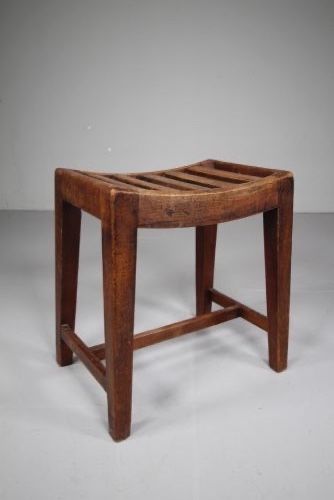
When you search for an english mahogany stool, you uncover versatile seating spanning centuries from Georgian elegance to robust Victorian designs.
English Mahogany Stool
An english mahogany stool encompasses a diverse array of domestic seating, from compact footstools and dressing stools to multi-tiered library steps and piano benches. These pieces originate across the eighteenth, nineteenth, and early twentieth centuries, reflecting changing interior requirements from formal salons to private chambers.
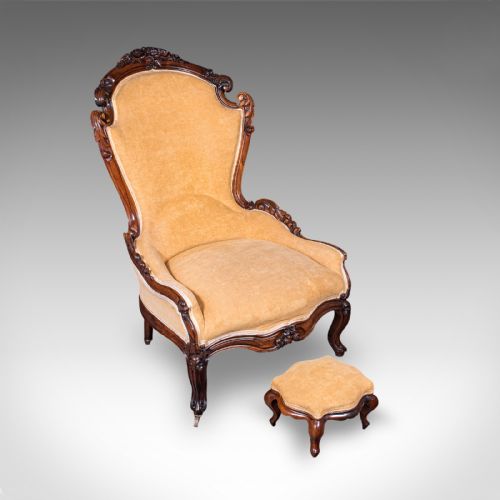
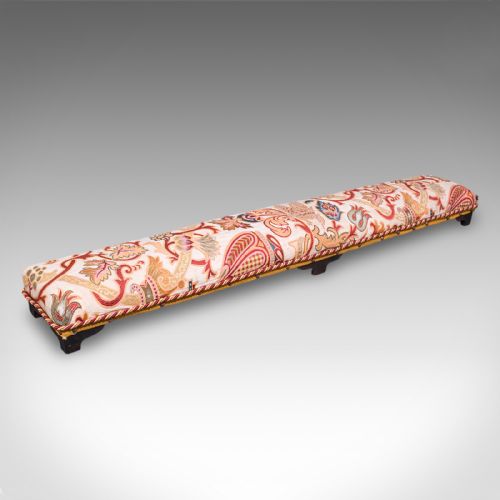
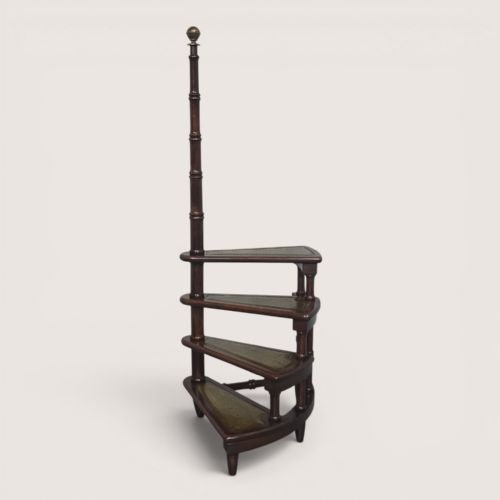
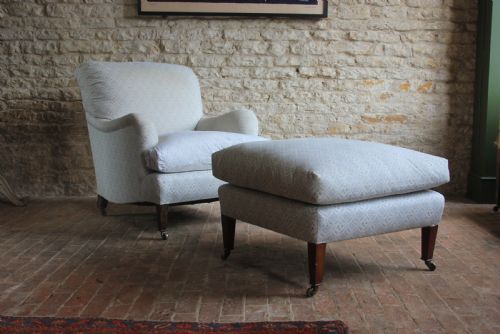
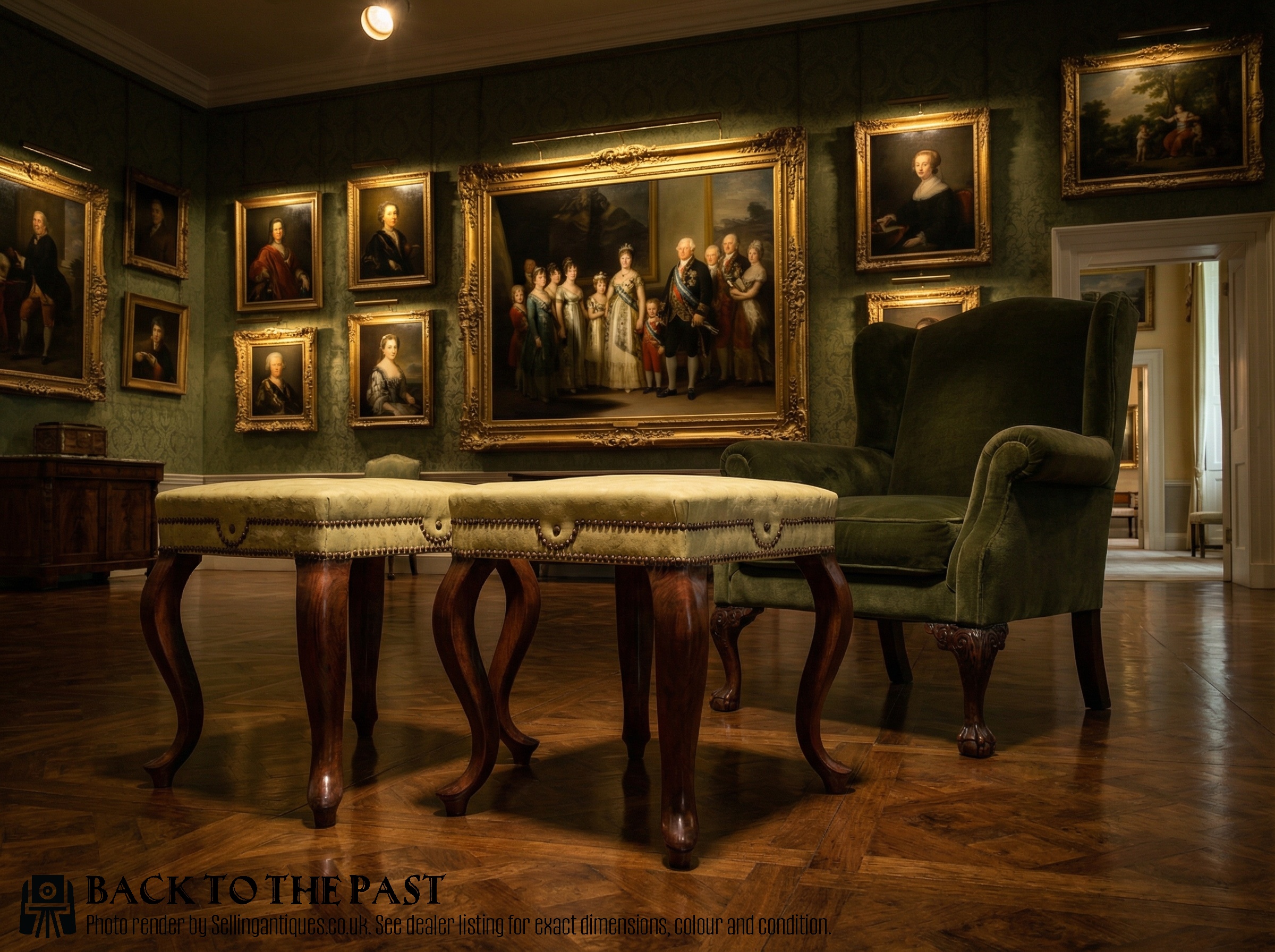
The most common examples encountered on this page are Victorian and Georgian footstools, alongside dressing stools and functional library steps. Makers adapted the dense timber into low fireside rests, tall window seats, and box ottomans incorporating concealed storage compartments.
Period revivals also appear frequently, particularly Chippendale and Queen Anne styles produced during the Edwardian era and the 1920s. These later interpretations appropriate earlier proportions and carved details while retaining the structural characteristics of their own decades.
Craftsmanship and Proportion
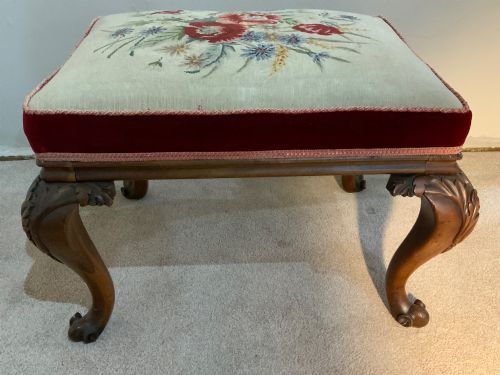
Superior examples demonstrate meticulous joinery, where frame corners utilise secure mortise and tenon joints rather than simple mechanical fasteners. Carved elements such as ball and claw feet, cabriole legs, or reeded supports show crisp chisel work rather than soft, mass-produced moulding.
Proportion and integrity of timber set finer pieces apart from utilitarian items. The depth of colour in the polished mahogany, the preservation of original secondary woods, and the sympathetic retention or renewal of period-appropriate upholstery elevate a piece's standing.
Some nineteenth-century box stools served dual duty as window seats, tidy chests, and kneeling rests for fireside comfort.
Howard and Sons·Rushworth and Dreaper·J. Jarvis
The English Mahogany Stool Glossary
- Mahogany
- A durable tropical hardwood imported for British furniture production from the eighteenth century onwards, known for its reddish-brown hue and resistance to warping. It takes a high polish and accepts intricate carving.
- Gout stool
- An adjustable footrest designed to elevate the legs of a person suffering from joint pain. These often feature tilting mechanisms operated by thumbscrews.
- Ottoman
- A low upholstered box seat or bench with a hinged lid providing internal storage space. Victorian iterations often display concave sides and elaborate crewel work.
- Needlepoint
- A form of canvas work embroidery utilised extensively for historic seat covers and footstool tops. It employs wool or silk yarns stitched in geometric or floral patterns.
- Castor
- A small wheel attached to the base of furniture legs to ease mobility. Brass and ceramic variants are common on nineteenth-century library steps and heavy low stools.
English Mahogany Stool: Frequently Asked Questions
How do I date an antique stool?
Dating relies on combining the timber characteristics, turning styles, and upholstery techniques visible in the frame. Secondary woods and tool marks underneath provide further clues to the decade of manufacture.
Earlier pieces from the Georgian era display hand-cut joinery and dense, dark mahogany, whilst Edwardian revivals often incorporate machine-cut elements and lighter finishes.
Were library steps used as seating?
Library steps were constructed primarily to reach high bookshelves in large domestic studies. Many multi-tiered forms folded or pivoted to double as tables or occasional perches.
Their inclusion among stool listings reflects their compact footprint and timber construction, though their treads were engineered for climbing rather than lounging.
Are original upholstery fabrics common?
Surviving original fabrics are scarce because textiles degrade under heavy daily friction over the centuries. Most period stools have undergone at least one re-upholstery campaign using appropriate historic styles.
Quality pieces often retain traditional stuffing methods beneath newer covers like leather, damask, or tapestry to preserve their authentic sit.
What is a box stool?
A box stool is a multifunctional piece featuring a hollow interior accessed via a hinged or lift-off upholstered seat. Victorians utilised them in dressing rooms and parlours to store linens, music sheets, or small accessories.
They combine the height of a footrest with the hidden capacity of a small chest.