


English Imari Decorative Ceramics
English imari decorative ceramics bring vibrant cobalt blue and rust red palettes together, offering a striking display for any room.
English Imari Decorative Ceramics
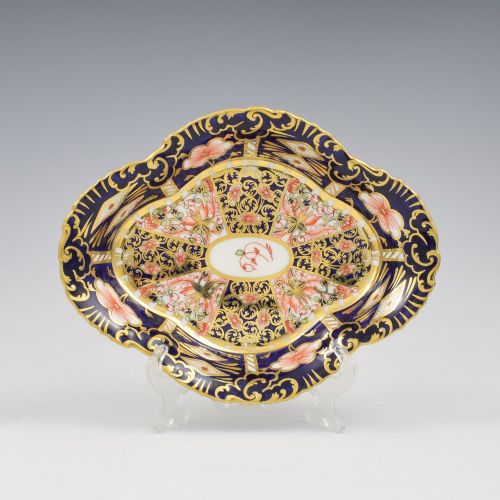
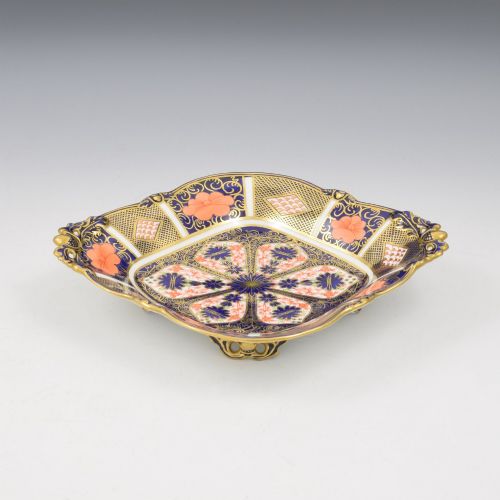
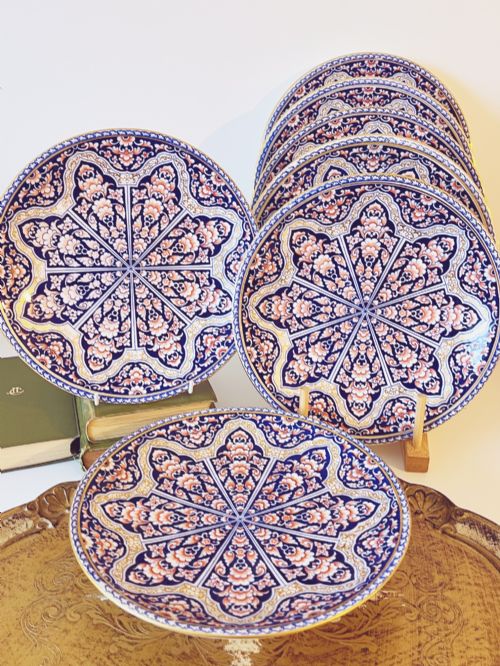
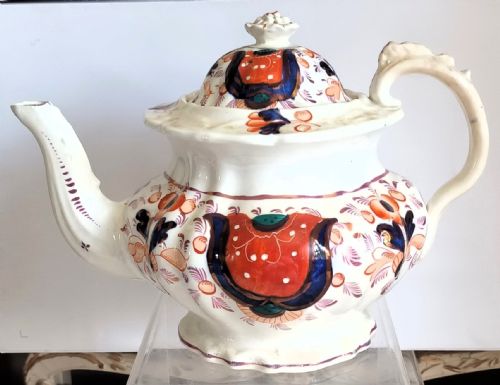
English imari decorative ceramics encompass a rich variety of nineteenth-century tableware and ornamental vessels designed to emulate Japanese export wares. When searching for English imari decorative ceramics, buyers encounter plates, vases, jugs, and dessert services produced during the Georgian, Victorian, and Edwardian eras.
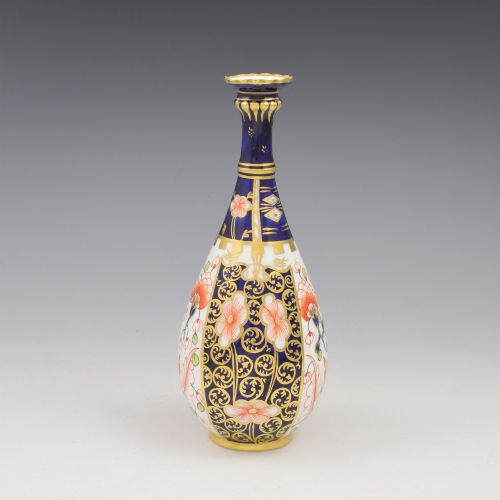
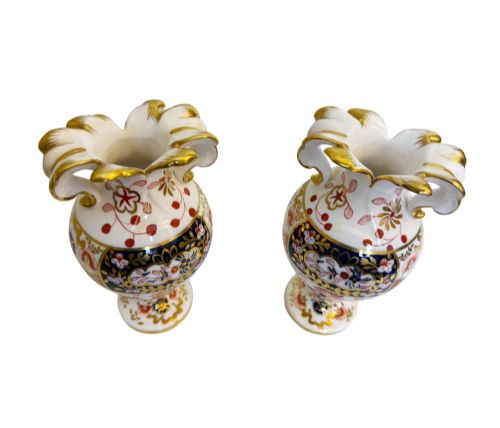
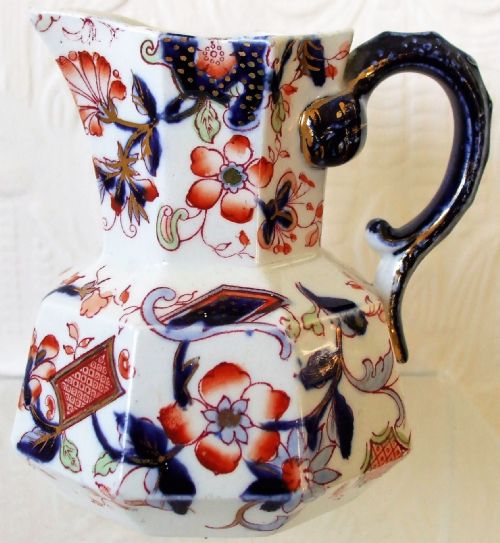
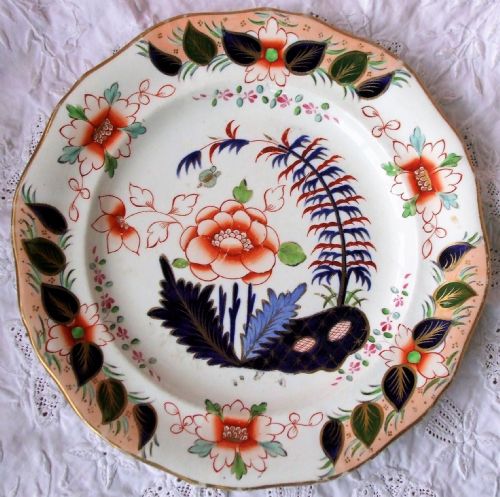
The nineteenth century dominates the available forms, ranging from Mason's ironstone plates and hydra jugs to Royal Crown Derby dessert services and bud vases. These pieces combine domestic British ceramic manufacturing with traditional East Asian decorative motifs.
Materials and methods
Potters utilised ironstone, bone china, and porcelain as the primary body materials for these vessels, ensuring durability alongside refined translucency. Ironstone provided a heavy, robust base suitable for large jugs and plates, while porcelain and bone china allowed for delicate tableware and miniature items.
Craftsmen applied cobalt blue underglaze paint, iron-red enamel, and gold leaf highlights to create the characteristic contrasting palette. Firing fixed the vibrant colours and metallic accents onto the ceramic surface.
Qualities of distinction
The precision of the hand-painted enamels and the richness of the gilding set superior pieces apart from standard production items. Crisp detailing in the cobalt blue underglaze and meticulous application of gold leaf indicate superior workshop output.
The crispness of the moulded form, particularly on complex shapes such as twin-handled vases and hydra jugs, dictates the calibre of the ceramic. Well-preserved patterns with minimal rubbing to the surface enamel demonstrate careful preservation and higher initial manufacture standards.
Royal Crown Derby·Spode·Keeling and Co·John Davenport of Longport·John Ridgway·Mason's Ironstone
The English Imari Decorative Ceramics Glossary
- Ironstone
- A patented heavy earthenware developed in the nineteenth century that mimics porcelain in strength and durability. It provides a dense body for plates, jugs, and tureens.
- Imari
- A decorative style characterised by a palette of cobalt blue, iron red, and gilt, originally inspired by Japanese porcelains exported through the port of Imari. English potteries reinterpreted these aesthetic conventions.
- Hydra jug
- A pitcher featuring a distinctive serpentine handle and flared spout reminiscent of classical mythical forms. Potters frequently rendered these vessels in ironstone with bold transfer-printed or painted patterns.
- Bone china
- A type of porcelain incorporating animal bone ash, resulting in a strong, milky-white body. It permits thinner walls and finer forms than standard earthenware.
English Imari Decorative Ceramics: Frequently Asked Questions
How do I care for antique imari ceramics?
Wash these pieces gently by hand using mild detergent and warm water. Avoid soaking items with gilt highlights or enamel decorations to preserve the surface.
Keep them away from direct sunlight and modern dishwashers to protect the nineteenth-century glazes and gold leaf.
Are these ceramics safe for daily use?
Most pieces function well for display or light service rather than heavy daily dining. The age of the enamel and gilding means modern abrasive foods or cutlery can cause wear.
Treat them as decorative table or display objects to maintain their condition over time.
What periods do these ceramics cover?
The selection spans the Georgian, Victorian, and Edwardian eras, with a strong concentration of nineteenth-century production. Stylistic shifts reflect broader tastes from regency classicism to late Victorian revivalism.
Maker marks and stylistic clues help date individual plates, jugs, and vases accurately.
How do I identify a genuine imari pattern?
Look for the characteristic combination of deep cobalt blue, rust red, and gilding. English potteries adapted traditional Japanese motifs into distinct domestic patterns during the nineteenth century.
Backstamps and registry marks on the base often confirm the specific maker and production era.