

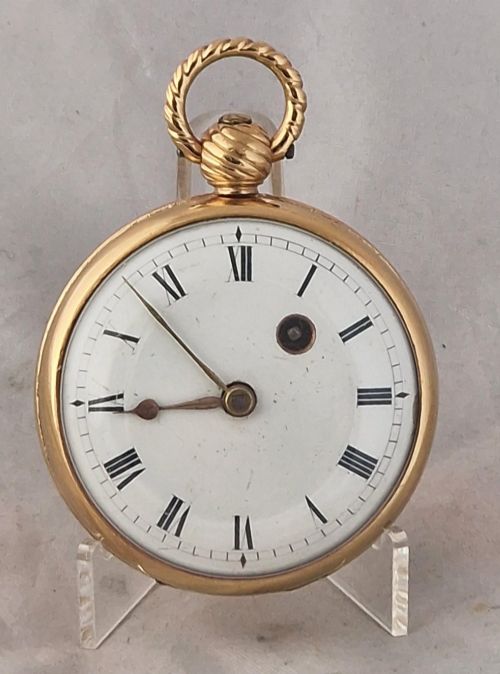
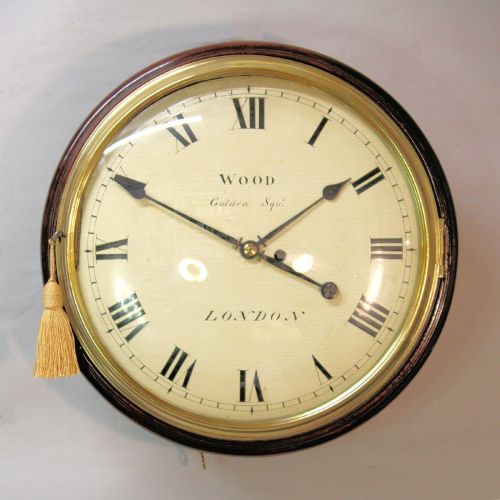


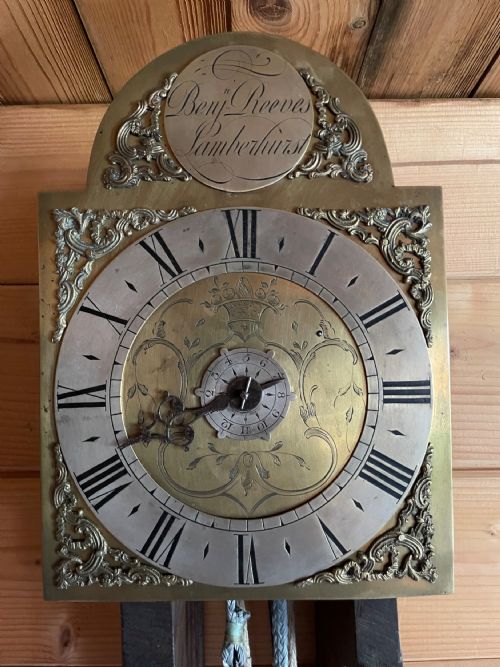

English Horology Timepiece
An English horology timepiece brings centuries of precision engineering into the room, spanning lantern clocks, pocket watches and heavy bracket clocks.
English Horology Timepiece
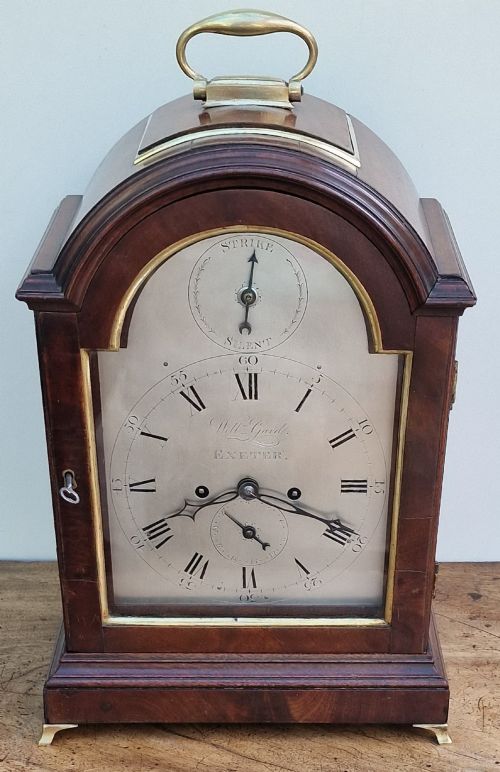
When you search for an english horology timepiece, you encounter a wide array of domestic and personal timekeepers developed over several centuries. The selection ranges from robust seventeenth-century brass lantern clocks to delicate nineteenth-century carriage clocks and mid-century pocket watches.
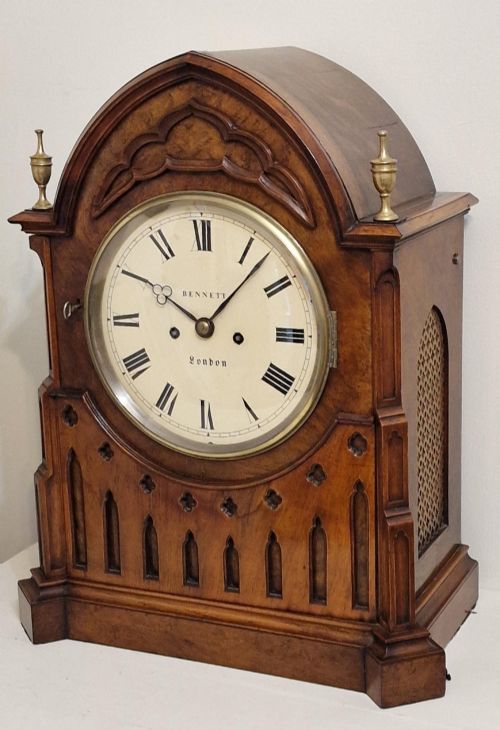
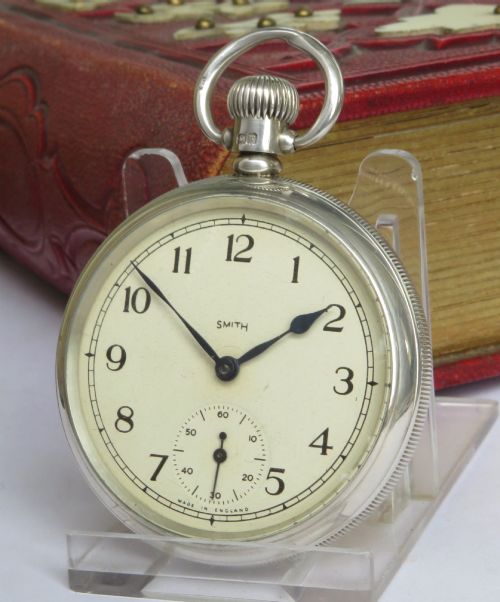
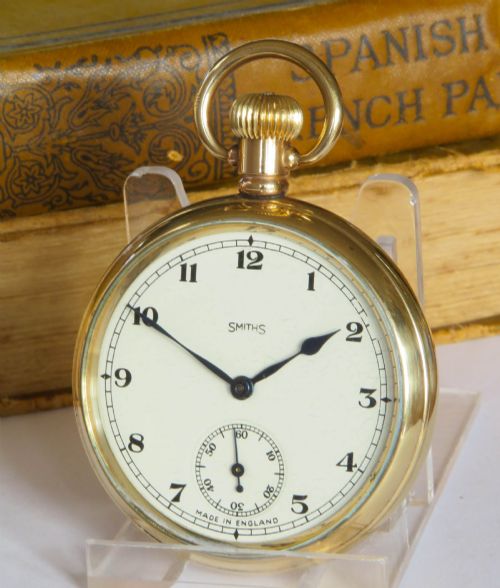
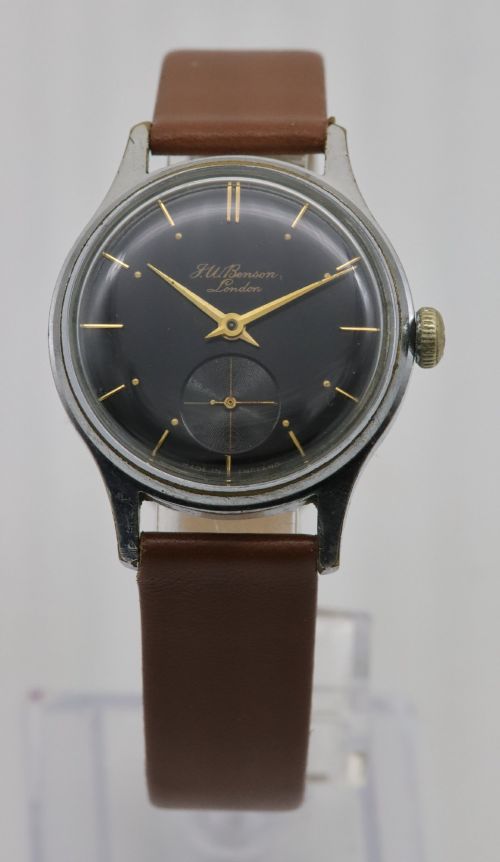
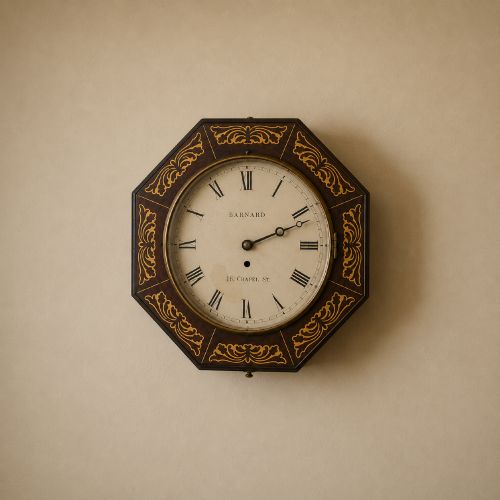
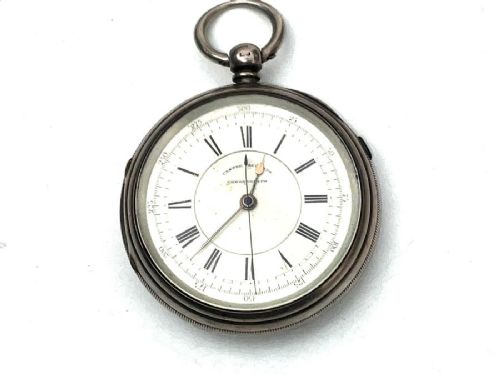
The domestic wall and bracket clocks dominate the available forms, often housed in rich timber cases of mahogany, rosewood or walnut. Portable items like pocket watches and wristwatches provide a distinct subcategory of mechanical interest.
Origins trace across various British centres of horological excellence, from provincial makers in workshops outside London to renowned makers operating in the capital itself.
Materials and construction
Brass and steel form the mechanical heart of these objects, driving gear trains and escapements designed to measure hours with mechanical reliability. Cases rely on dense hardwoods such as mahogany, walnut and rosewood, frequently enhanced with brass inlay or gilt bronze mounts.
Glass protects delicate dials and exposes movements in library and skeleton clocks, while enamel provides a clean, legible surface for numerals on pocket watches and wall dials.
English Horology Timepiece Retail Price Guide 2026
Typical asking prices for english horology timepiece among the pieces listed under this phrase on Sellingantiques today, from the lower quarter to the upper quarter. They describe what is for sale here now, not the wider market.
Some nineteenth-century clocks feature cherubs reaching persistently for birds in trees, ensuring your mantelpiece comes with its own tiny, permanent wildlife drama.
Quality variations
Distinctions in quality rest upon the sophistication of the movement, such as the inclusion of a fusee mechanism to maintain even tension as the mainspring unwinds. The precision of hand-engraving on brass dials and backplates further separates standard production from exceptional workshop output.
Cabinetwork integrity defines the external standard, where timber selection, such as figured mahogany or pollard oak, aligns with the quality of the internal horology.
JW Benson·Arnold and Frodsham·Payne and Co·John Bennett·Dent
The English Horology Timepiece Glossary
- Fusee
- A conical pulley used in mechanical clocks and watches to equalize the torque of the mainspring as it runs down. This device ensures more consistent timekeeping throughout the power reserve.
- Verge escapement
- An early type of escapement mechanism that controls the release of power in a clock or watch. It works in conjunction with a balance wheel or foliot to regulate the beat.
- Lantern clock
- An early form of domestic brass weight-driven or spring-driven clock designed to sit on a wall bracket or table. These typically feature open bell top assemblies and engraved chapter rings.
- Skeleton clock
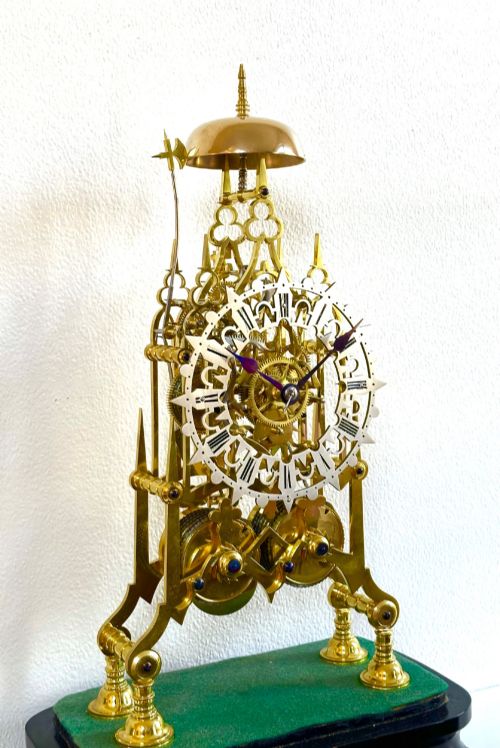
- A clock built with an open framework that exposes the entire gear train and movement to view. They gained popularity during the Victorian period as decorative mantel pieces.
- Carriage clock
- A small, portable spring-driven clock designed for travellers, featuring a carrying handle and glass panels. Many English examples incorporate high-grade platform escapements.
English Horology Timepiece: Frequently Asked Questions
Where were lantern clocks placed?
Early lantern clocks were traditionally hung on a wall bracket using spike and hook mountings to allow the drive weights clearance beneath. Later versions adapted to sit securely upon flat surfaces or tables.
The open bell on top required placement that allowed the sound to carry effectively across the room.
How do I identify a Victorian skeleton clock?
Look for an exposed brass movement framed between openwork plates that reveal every wheel and pinion. These clocks usually sit under a protective glass dome upon a wooden base.
They emerged strongly during the nineteenth century as decorative centrepieces displaying advanced mechanical skeletonisation.
What is a double fusee movement?
A double fusee movement contains two separate conical drums and gear trains driven by individual springs. One train powers the timekeeping while the second powers the striking mechanism.
This setup allows the clock to chime hours or quarters without drawing power unevenly from the primary time train.