



English Horology Pocket Watch
An english horology pocket watch brings centuries of mechanical skill to your palm, combining brass and silver with traditional watchmaking craft.
English Horology Pocket Watch
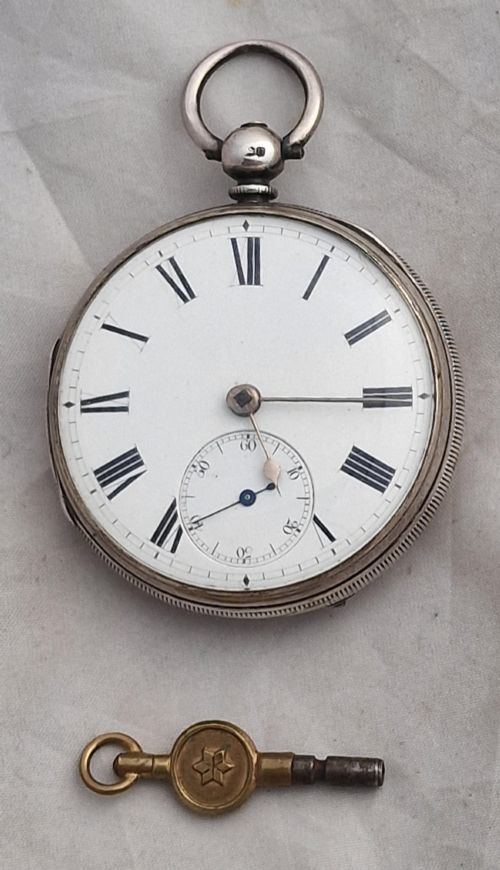
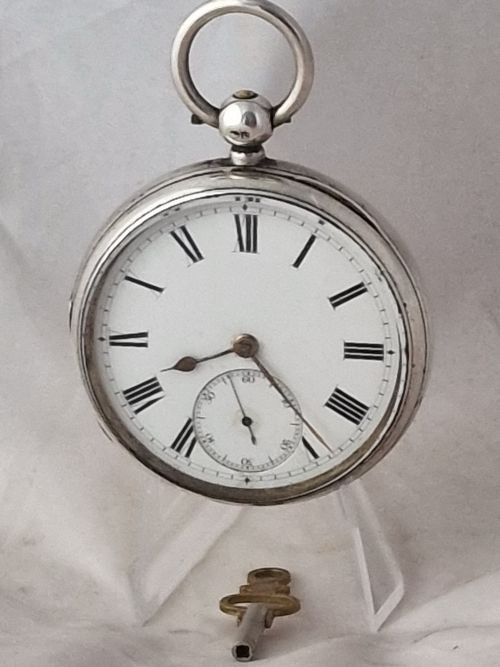
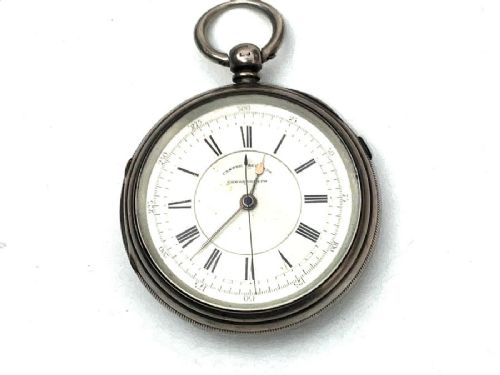
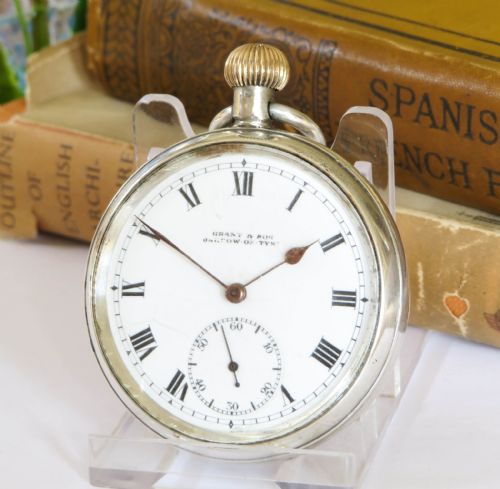
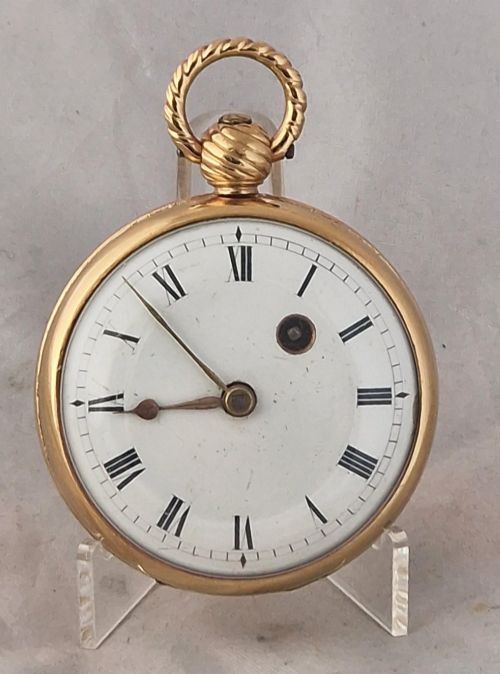
When you examine an english horology pocket watch, you are looking at portable timepieces originating from periods such as the Georgian, Victorian, and Edwardian eras. These instruments represent a rich tradition of domestic watchmaking spanning the nineteenth and twentieth centuries.
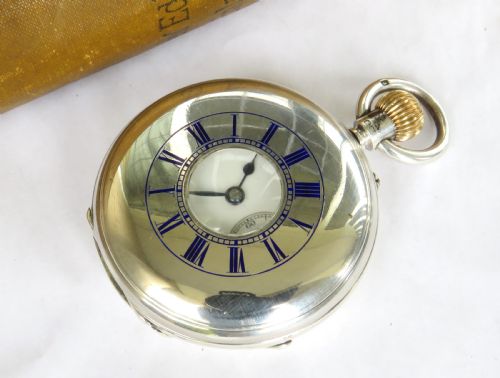
You are most likely to encounter silver and sterling silver pocket watches on this page, frequently featuring glass crystals and enamel dials. Forms range from traditional fusee and verge movements to later lever escapements and half hunter designs.
The objects listed display geographical origins and makers from London, Nottingham, Coventry, Jarrow-on-Tyne, and Sheffield. They reflect the diverse working hubs of British horology across different centuries.
How they were made
Makers constructed these pocket watches using durable metals such as silver, sterling silver, brass, steel, and gilt, housing the intricate internal mechanics securely. Enamel provided smooth, legible dials while glass protected the delicate hands and faces.
Traditional construction involved complex gear trains, fusee setups, or verge escapements assembled by skilled artisans in workshops across England. Protective elements sometimes included fitted boxes made of cardboard and other materials.
Listings feature periods spanning Georgian, Victorian, Edwardian, and the 1940s, utilising materials such as silver, brass, glass, and enamel.
What varies in quality
The standard of an english horology pocket watch depends upon the fineness of the movement craftsmanship and the reputation of the maker or retailer inscribed on the dial or mechanism. Pieces bearing signatures from established houses like JW Benson or Richardson display higher levels of finishing.
Material choice and casing execution further distinguish the pieces, with substantial hallmarked silver cases and gilt work showing superior original investment compared to simpler metal or steel iterations.
Richardson·Cyma·JW Benson·J G Graves Sheffield
The English Horology Pocket Watch Glossary
- Fusee
- A conical pulley used in older pocket watches to maintain even power as the mainspring unwinds. This mechanical device ensures more accurate timekeeping throughout the run of the watch.
- Verge
- An early type of escapement mechanism that controls the release of power in the gear train. It represents traditional horological methods found in older Georgian pieces.
- Half hunter
- A pocket watch case featuring a small glass or open circle in the front cover allowing the time to be read without opening the case. This design protects the enamel dial from scratches.
- Hallmark
- An official stamp applied to precious metals indicating the standard of purity and the assay office. British silver cases frequently carry these identifying marks.
English Horology Pocket Watch: Frequently Asked Questions
What is an english horology pocket watch?
An english horology pocket watch is a portable mechanical timekeeper produced in Britain during periods spanning the Georgian, Victorian, and twentieth-century eras. These pieces showcase traditional metalwork, enamel dials, and intricate gear mechanisms.
They serve as historical examples of domestic manufacturing and design, originating from workshops and makers across various English towns and cities.
How do I date an english horology pocket watch?
Dating involves examining the style of the piece, the movement type such as fusee or lever, and any hallmarks stamped on the silver case. Reference to maker names and stylistic cues from periods like the Victorian era helps establish the timeframe.
Assay marks provide specific indicators for hallmarked silver items, narrowing down the year of creation.
How were these pocket watches used?
Owners carried these timepieces in pockets, often secured with chains, to tell time throughout the daily routine. The half hunter and hunter designs protected the delicate glass and enamel faces while being transported.
They functioned as essential personal accessories and reliable instruments for daily scheduling before the widespread use of wristwatches.
How do I live with an english horology pocket watch?
Living with these watches involves appreciating their mechanical nature and handling them with care to protect the internal brass and steel components. Keeping them in suitable protective containers or boxes helps preserve their condition.
Displaying or storing them thoughtfully connects you to the historical craft of British watchmaking without requiring daily wear.