



English Horological Clock
These pieces of english horological clock engineering measure time through precise mechanical movements housed in wood, brass, and glass.
English Horological Clock
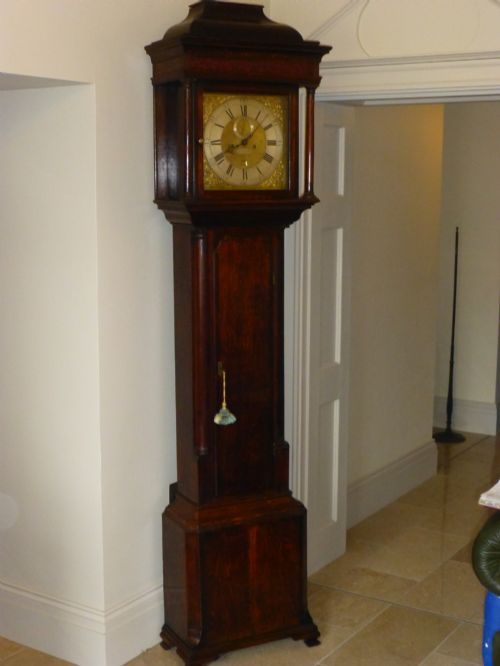
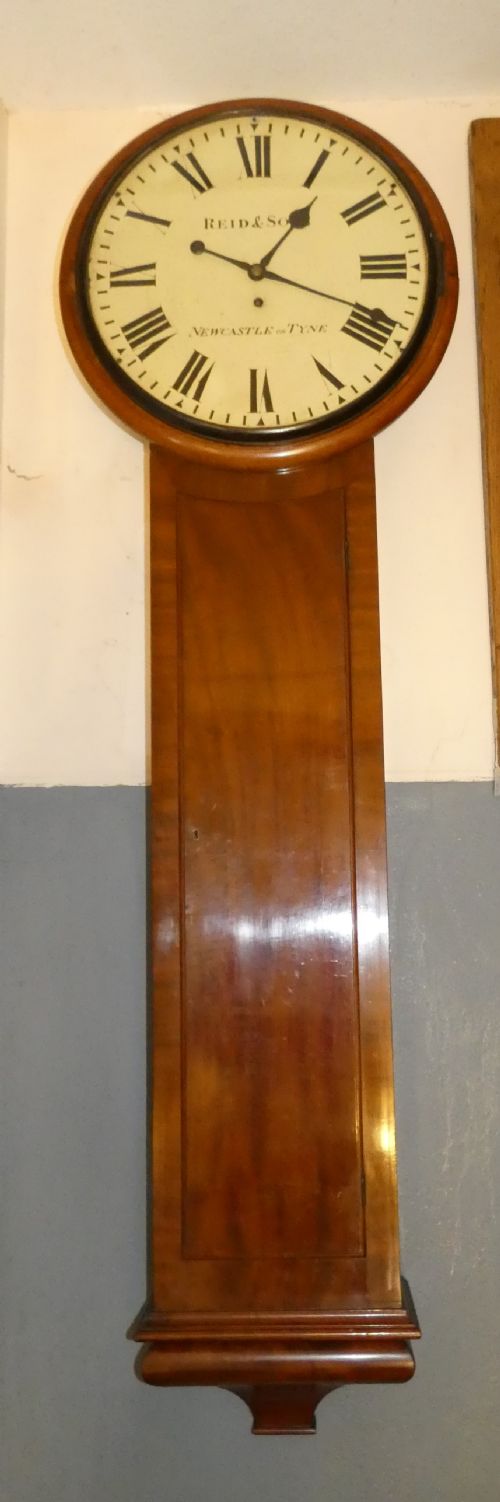
An english horological clock brings mechanical timekeeping into domestic and public spaces through forms such as longcase clocks, wall clocks, mantel clocks, table clocks, picture clocks, and desk clocks. These instruments originate from periods spanning the seventeenth, eighteenth, and nineteenth centuries, including William and Mary, Georgian, Regency, and Victorian eras.
The version a buyer is most likely to meet on this page is a nineteenth-century timepiece or a wall clock, though earlier examples from the eighteenth and seventeenth centuries also appear. These objects range from railway wall clocks and skeleton clocks to bracket clocks and regulators, reflecting varied domestic and institutional uses.
How they were made
Maker workshops constructed these timepieces using timbers such as mahogany, oak, walnut, ebony veneer, and ebonised wood for the cases and housings. Movements and dials combine brass and silvered metal, often protected behind glass panels.
Specialised techniques enabled complex mechanisms like fusee movements, quarter repeating systems, coup perdu detent escapements, and automaton displays. Makers such as Joseph Windmills and James Maitland integrated these precise mechanical elements within fitted wooden or metal structures.
Listings feature oak, mahogany, walnut, and ebony veneer alongside brass and silvered metal.
What varies in quality
The refinement of the mechanical movement separates standard timepieces from exceptional examples, visible in the complexity of escapements and repeating mechanisms. High-tier pieces often feature specialised complications like quarter repeating or automaton movement.
Case construction and material selection also distinguish the range, from simple mahogany and oak housings to sophisticated ebony veneer and champleve enamel decoration. The integration of signed dials by notable makers adds distinct provenance and mechanical fidelity.
Richard Corless of Stockport·Joseph Windmills·William Evans of Handsworth·Perigal and Duterrau·James Maitland London·Barwise London·John Walker
The English Horological Clock Glossary
- Fusee
- A conical pulley used in clock movements to maintain an even pull on the gear train as the mainspring unwinds. This mechanism ensures consistent timekeeping as the spring tension changes.
- Skeleton clock
- A clock with an open framework that exposes the gear train and movement to view. These pieces let the observer watch the mechanical operation directly.
- Bracket clock
- A portable table or mantel clock originally designed to sit on a wall bracket. They often feature carrying handles and elaborate wooden cases.
- Regulator
- A precision pendulum clock used as a standard for setting other timepieces. These clocks prioritize accuracy above all else.
- Escapement
- The mechanism that converts rotary motion into impulsive-impelled pendulum or balance wheel swings. It controls the release of power in the clock train.
English Horological Clock: Frequently Asked Questions
What is a fusee clock movement?
A fusee movement uses a conical pulley to equalize the power delivered by the mainspring as it runs down. This device compensates for the dropping tension of the spring over time.
Clocks with fusee movements maintain steady accuracy through this mechanical correction. It remains a hallmark of better British clockmaking.
How do I identify a skeleton clock?
A skeleton clock displays its entire gear train and movement between open metal plates rather than hiding them inside a solid case. Glass domes frequently cover these movements to keep out dust.
Victorian makers favoured this style to showcase the intricate brass wheels and escapements. They sit on wooden or marble bases.
Where were bracket clocks placed?
Bracket clocks originally sat on dedicated wooden wall brackets that allowed the sound of the strike to carry through a room. Later examples sat directly on tables, desks, or mantelpieces.
They function as portable timekeepers with carrying handles on top. Eighteenth and nineteenth-century homes used them in principal reception rooms.