
English Hand Painted Plate
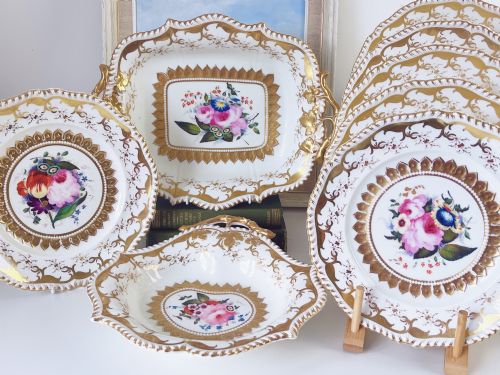
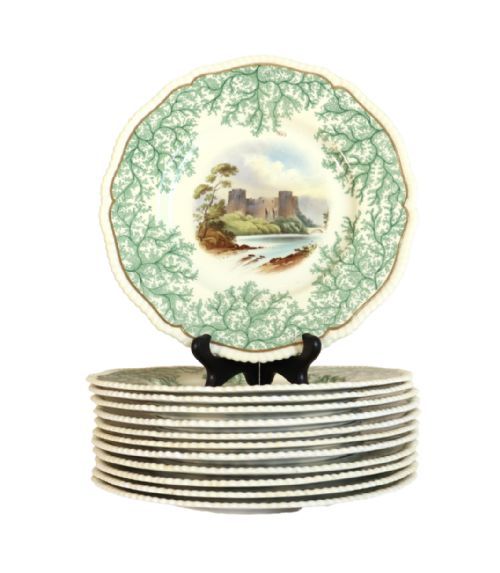
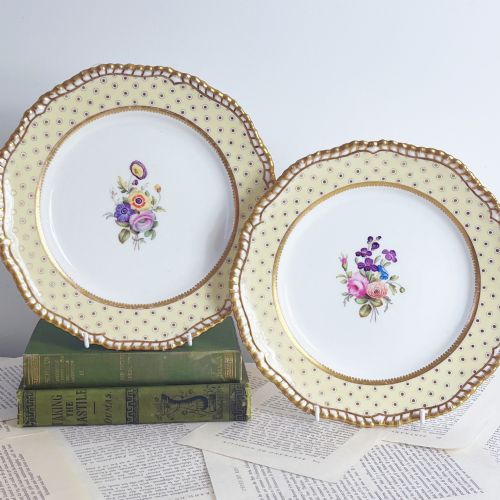
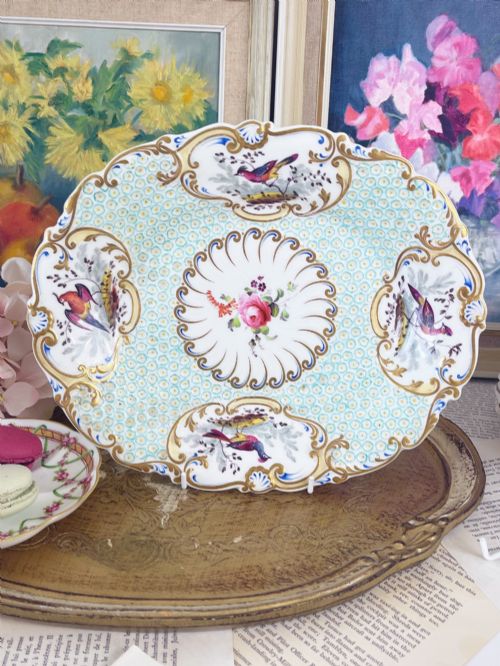
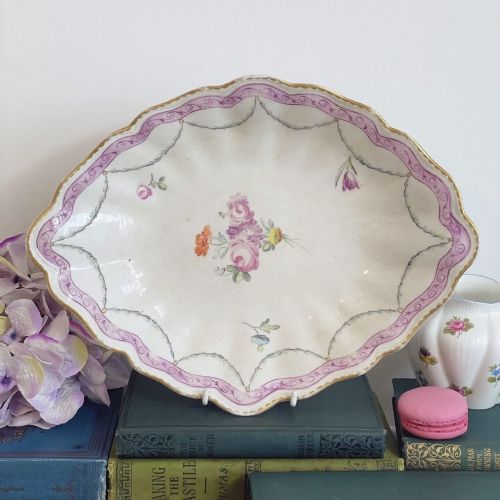
An english hand painted plate carries the brushwork of generations past, bringing floral studies, armorial crests and botanical specimens straight to the dining table or cabinet.
English Hand Painted Plate
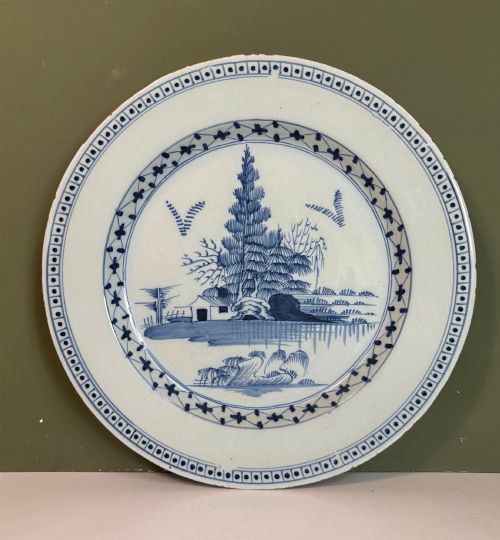
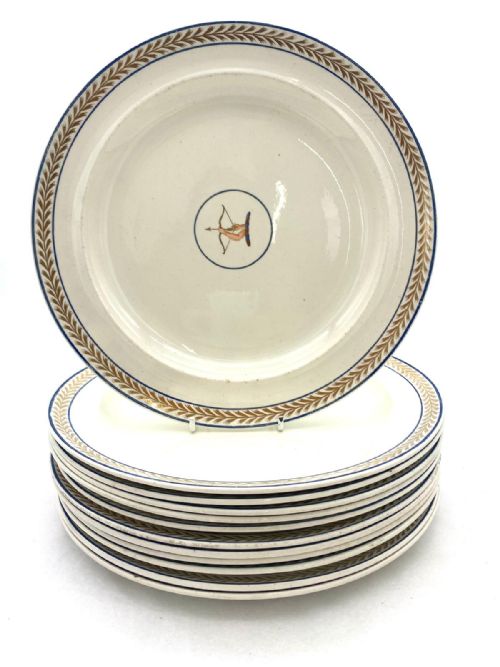
When you search for an english hand painted plate, you encounter centuries of domestic ceramic artistry spanning Georgian creamware, Regency bone china, and twentieth-century cabinet pieces. The selection includes everything from utilitarian dessert services and dinner plates to large decorative chargers and lobed soup bowls.
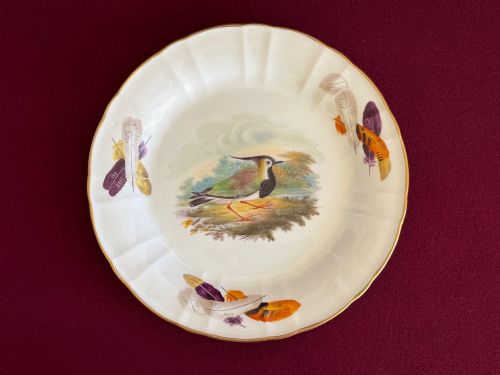
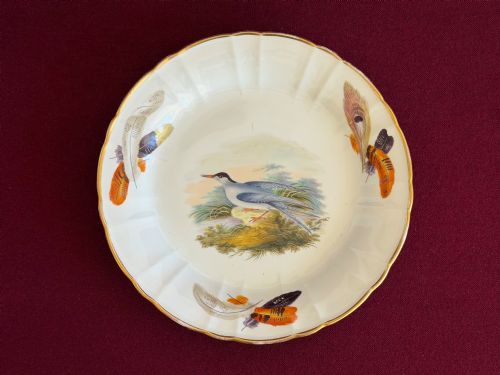
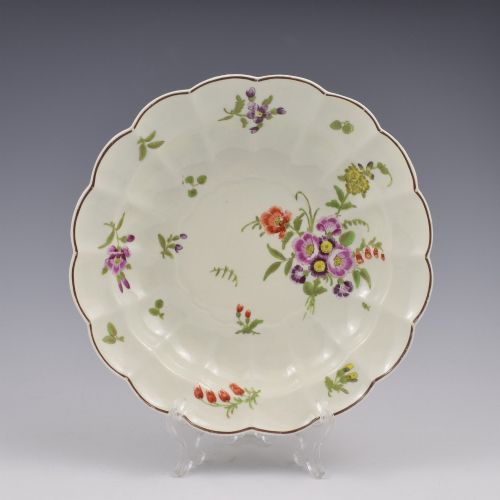
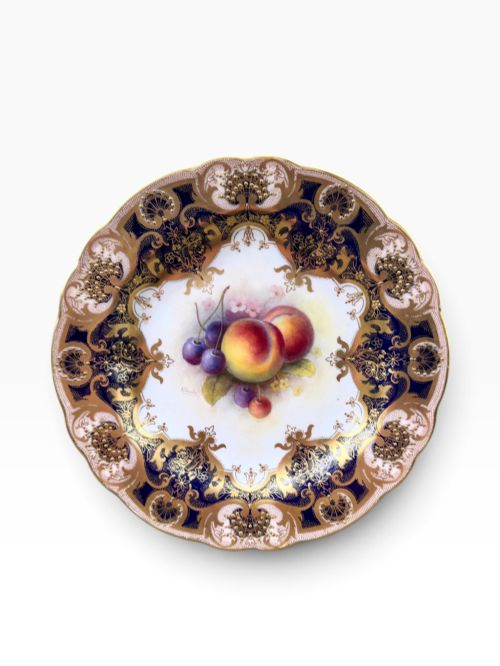
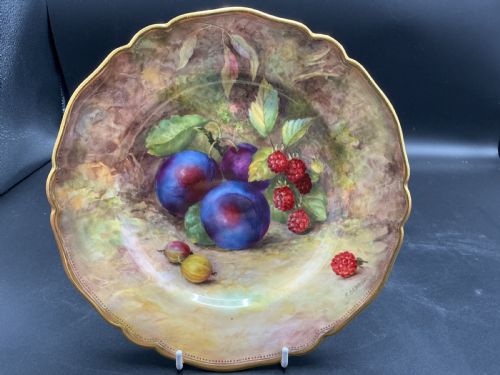
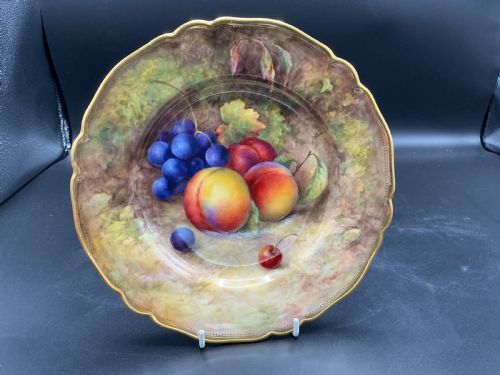
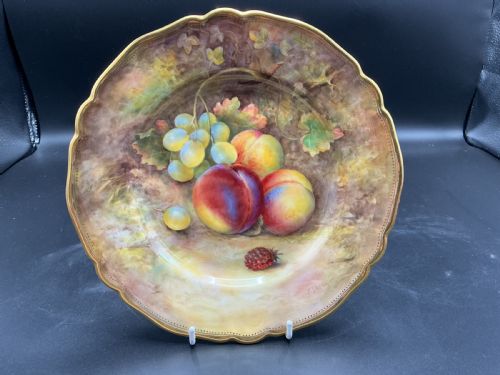
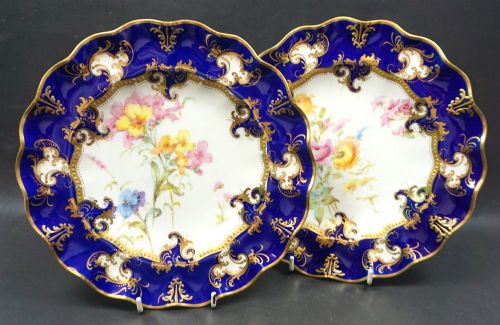
The versions you meet most frequently on this page originate from the eighteenth and nineteenth centuries, alongside Edwardian and later Royal Worcester fruit studies. Forms range from simple earthenware dishes to elaborate porcelain service pieces bearing hand-applied floral and avian motifs.
Materials and Technique
Potters shaped these vessels from body pastes including bone china, creamware, earthenware, and porcelain, applying tin glazes or enamel layers to prepare a smooth surface for the artist. Skilled hands then painted botanical subjects, birds, and landscapes directly onto the ceramic body using polychrome pigments.
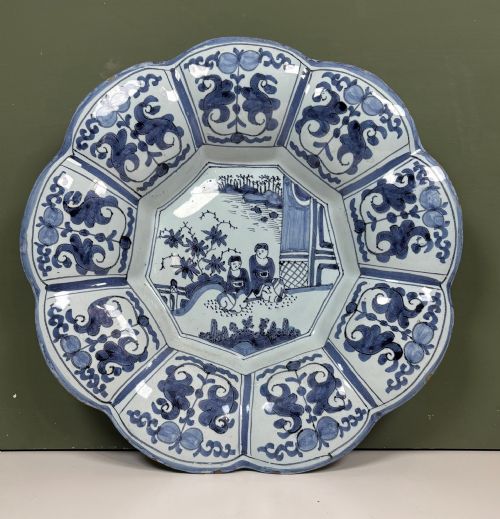
Firing in kilns set the colours permanently into the glaze, often followed by the addition of gold leaf or gilt borders to highlight the rims and well. Many pieces received multiple firings to fix the underglaze blue work alongside overglaze enamels and gilding.
The inventory spans earthenware, bone china, and porcelain across eighteenth, nineteenth, and twentieth-century production.
Assessing Quality
The distinction between standard domestic ware and top-tier cabinet pieces lies in the precision of the brushwork and the ambition of the painted subject. Master painters executed detailed botanical studies, ornithological portraits, and armorial bearings that required considerable training and steady control.
The refinement of the ceramic body and the preservation of the original gilding also separate ordinary service items from exceptional examples. Finer plates display thin, translucent porcelain walls and carefully handled enamel colours that remain crisp and bright.
Grainger Lee & Co·Spode·H & R Daniel·Worcester·Derby·Wedgwood·Royal Worcester·Royal Crown Derby·Chamberlains Worcester·Hicks & Meigh·Minton·Coalport·New Hall·Copeland·Royal Doulton·John Davenport
The English Hand Painted Plate Glossary
- Cabinet plate
- A decorative ceramic dish intended for display on a wall or within a cabinet rather than for daily dining use.
- Creamware
- A light-coloured refined earthenware developed in the eighteenth century, known for its warm cream tone and smooth glaze.
- Armorial
- A ceramic design featuring a family coat of arms, crest, or heraldic shield painted directly onto the surface.
- Enamel
- Opaque glass-based colours applied over the fired glaze and subjected to a low-temperature kiln firing to fix the pigment.
- Gilt
- A thin layer of gold leaf or gold paint applied to the rims and borders of ceramics to enhance their decorative appearance.
English Hand Painted Plate: Frequently Asked Questions
How were these plates used?
Earlier examples served functional roles at the dining table for courses of fruit, dessert, or dinner, while later pieces served purely decorative purposes in display cabinets.
Larger services provided matching sets for formal dining, whereas individual cabinet plates showcased the skill of factory artists.
Can I use them for dining?
Most antique porcelain and earthenware plates can handle gentle use, though antique pieces with delicate overglaze enamels and gold leaf require careful hand washing.
Fine cabinet plates from the twentieth century are generally kept for display to protect their painted fruit surfaces from cutlery wear.
How do I identify the period?
Makers' marks stamped, impressed, or painted on the reverse provide the most reliable indicator of date and origin.
Stylistic cues such as Georgian armorial motifs, Regency floral borders, and Victorian aesthetic designs also help narrow down the decade of manufacture.
What is a cabinet plate?
A cabinet plate is a highly decorative dish designed primarily for visual display rather than serving food.
These pieces often feature detailed hand-painted scenes, such as fruit or birds, framed by rich gilding.