
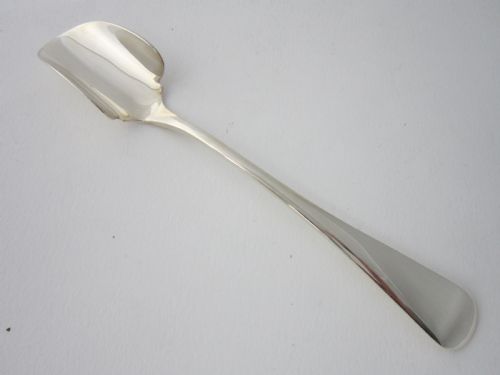


English Hallmarked Silver Scoop
An English hallmarked silver scoop is a practical serving piece of solid sterling silver, offering a tangible link to Georgian, Regency and later dining rituals.
English Hallmarked Silver Scoop
An english hallmarked silver scoop encompasses specialised serving implements including tea caddy spoons, cheese scoops, marrow scoops and ice cream servers. These objects appear across Georgian, Regency, William IV, Edwardian, George V and later twentieth-century periods.
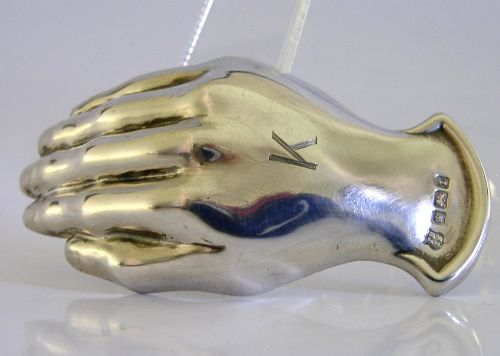
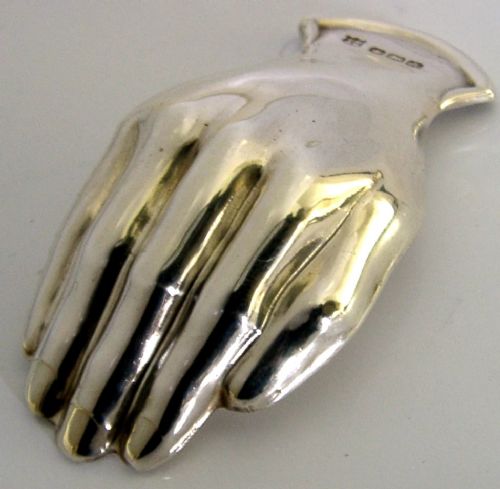
Caddy spoons and marrow scoops form the most frequent encounters on this page, alongside stilton scoops and serving utensils. The forms range from novelty hand motifs to traditional double struck patterns and plain solid silver bowls.
Origins trace through centuries of British silversmithing, anchored by official assay office hallmarks stamped directly onto the metal. Buyers encounter pieces spanning from the early eighteenth century up through the nineteen-forties.
Distinctions in quality and execution
Quality rests in the crispness of the hallmark stamps, the weight of the solid silver, and the preservation of original form without thinning to the bowl. Heavier gauges of silver and sharp, well-defined decorative striking distinguish finer examples from standard production.
The precision of the maker's mark and the clarity of period engraving dictate the standing of a piece within its era. Survival of original surface texture and structural integrity across the handle and bowl determines the overall caliber of the item.
Victorian silversmiths occasionally shaped silver handles into realistic human hands for novelty tea caddy spoons.
Jonathan Hayne·Thomas Johnson·William Hutton and Sons
The English Hallmarked Silver Scoop Glossary
- Hallmark
- A series of stamped marks applied to precious metals indicating the assay office, silver standard, and date letter. These symbols allow accurate dating and attribution of British silver.
- Caddy Spoon
- A small specialised spoon designed for measuring loose tea leaves from a caddy into a pot. They frequently feature shallow bowls and decorative handles.
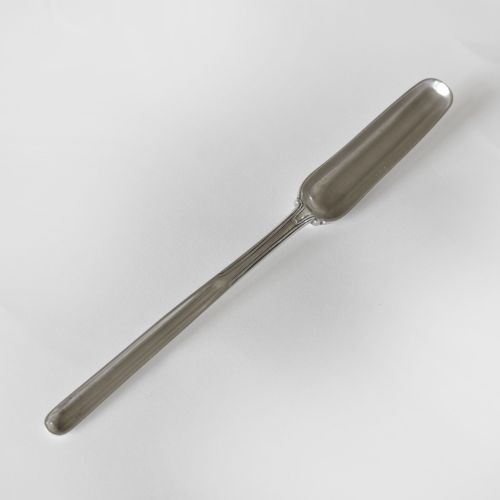
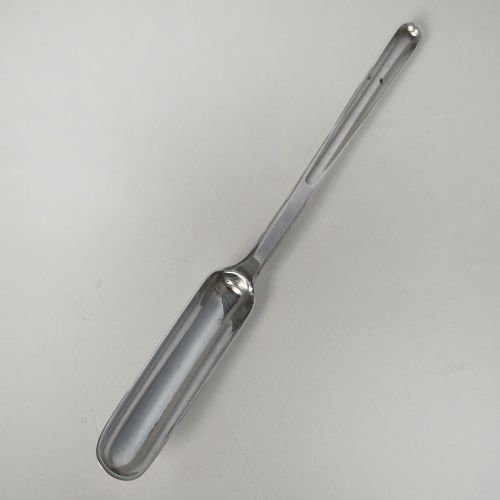
- Marrow Scoop
- A double-ended utensil featuring a long, narrow trough at each end, historically used for extracting bone marrow. They date prominently from the eighteenth and nineteenth centuries.
- Stilton Scoop
- A large serving implement designed specifically for portioning hard cheeses like Stilton. They often feature extended handles and deep, rigid blades.
- Double Struck
- A method where the decorative pattern is stamped onto both sides of the handle rather than just the obverse. This technique adds substantial weight and visual depth to the piece.
English Hallmarked Silver Scoop: Frequently Asked Questions
What is an English hallmarked silver scoop used for?
These pieces serve specific dining and domestic functions depending on their form, such as measuring tea leaves or portioning marrow and cheese. Each shape evolved to handle a particular foodstuff during formal meals.
Over time, many of these functional items transitioned into collectible display objects or found new life in modern table settings. Their solid silver construction ensures they remain durable enough for continued occasional use.
How do I read the hallmarks on a silver scoop?
Hallmarks typically include a maker's mark, a standard mark such as the lion passant for sterling silver, a city mark for the assay office, and a date letter. Together these stamps provide a precise record of where and when the object was created.
Consulting standard reference books on British silver hallmarks allows you to match the specific letter shapes and maker initials to exact years and silversmiths. This documentation underpins the historical value of the piece.
What distinguishes a Georgian scoop from later periods?
Georgian pieces display the manufacturing traits, hallmark formats, and stylistic conventions characteristic of the eighteenth and early nineteenth centuries. Their proportions and hand-finished details differ visibly from mass-produced Edwardian or later twentieth-century items.
Examining the style of the engraving, the shape of the maker's mark punch, and the specific hallmarking configuration helps separate these early pieces from later Victorian and George V revivals.
How should I care for silver scoops at home?
Regular, gentle cleaning with a soft cloth and specialised silver polish maintains the lustre of the metal without wearing away the underlying hallmarks. Storing pieces in tarnish-resistant cloth wrap prevents chemical reactions with the air.
Avoid abrasive cleaners or harsh scrubbing that can damage delicate engravings or soften crisp hallmark stamps. Proper storage preserves both the appearance and the collectible condition of the silver.