





Collectable Silver Cutlery
These collectable silver cutlery pieces are tangible links to past dining tables, prized by collectors for their historic hallmarks and craftsmanship.
Collectable Silver Cutlery
When searching for collectable silver cutlery, buyers encounter a diverse array of eating utensils and serving implements spanning multiple centuries. These items range from early regional tablespoons to ornate pocket knives, reflecting changing domestic habits.
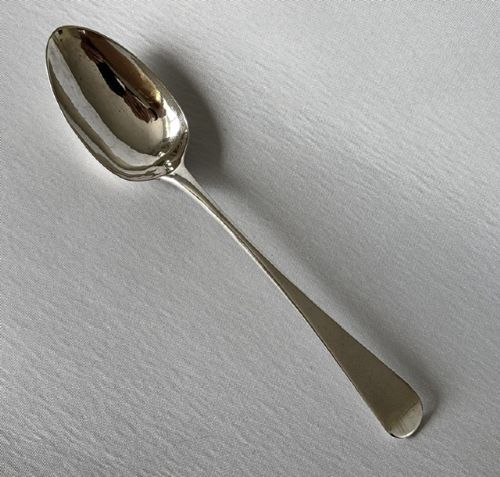
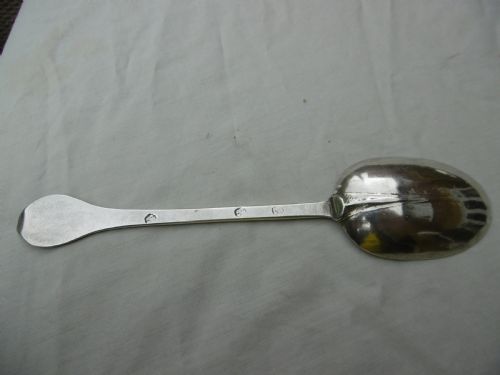
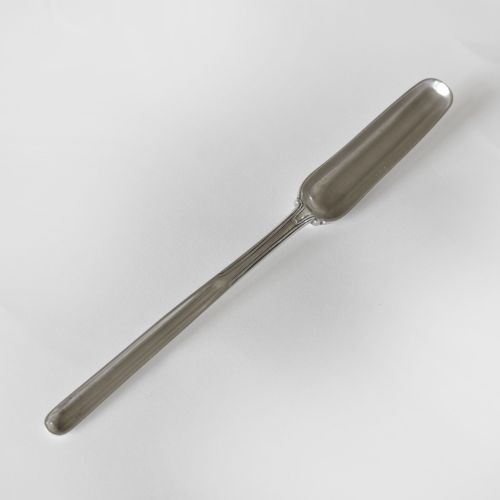
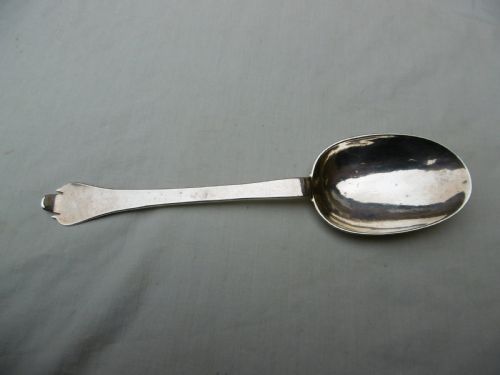
The pieces on this page heavily feature early forms such as trefid and dognose tablespoons from the seventeenth and eighteenth centuries. Alongside these, collectors will find Victorian flatware, souvenir spoons, and specialised implements like marrow scoops.
Geographic origins vary widely across the selection, encompassing English provincial and London makers, Ottoman Turkish works, and Danish silver gilt examples. This variety allows collectors to focus on specific periods or stylistic traditions.
Materials and construction
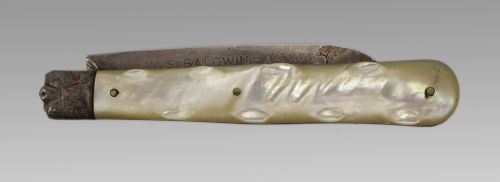
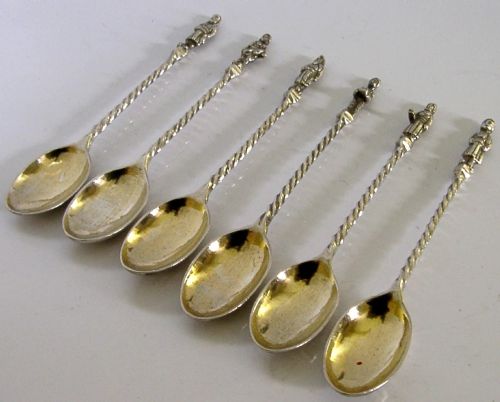
The primary material across the selection is sterling silver, alongside solid silver and Britannia standard silver variations. Selected pieces incorporate contrasting elements such as mother of pearl handles, steel components, and rich silver gilt surfaces.
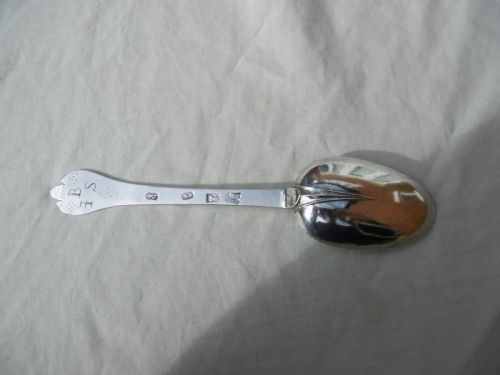
Smiths utilised traditional raising and casting techniques, shaping the metal by hand before applying punch marks for maker stamps and hallmarks. Handles occasionally feature applied crests, detailed figural work, or enamel decoration.
Some spoons carry the ghosts of Napoleon's campaigns in their crests, proving that even flatware has seen a bit of history.
Distinctions in quality
Quality in these items rests upon the clarity of the original hallmarks, the crispness of any engraved crests, and the survival of the maker mark. Early provincial pieces and dated examples often command greater interest due to their documentary value.
The integrity of the form matters immensely, distinguishing altered or heavily polished implements from those retaining their original weight and balance. Specialist additions, such as mother of pearl inlays or enamel work, also influence desirability.
Peter and Jonathan Bateman·William Penstone·Isaac Davenport·Benjamin Prosser·Thomas Issoa·Daniel Cary·John King
The Collectable Silver Cutlery Glossary
- Dognose
- A transitional spoon style succeeding the trefid, featuring a rounded terminal and a distinct central ridge down the stem. These appeared around the turn of the eighteenth century.
- Marrow scoop
- A narrow, double-ended spoon designed for extracting marrow from animal bones at the dining table. They typically date from the Georgian and Victorian eras.
- Silver gilt
- Silver objects that have been coated with a thin layer of gold through a chemical or electrochemical process. This technique provides a dual-tone decorative effect.
- Hallmark
- A series of stamped marks on precious metals indicating the standard of purity, the assay office, the maker, and the year of manufacture. These provide crucial historical evidence for dating.
Collectable Silver Cutlery: Frequently Asked Questions
What is a trefid spoon?
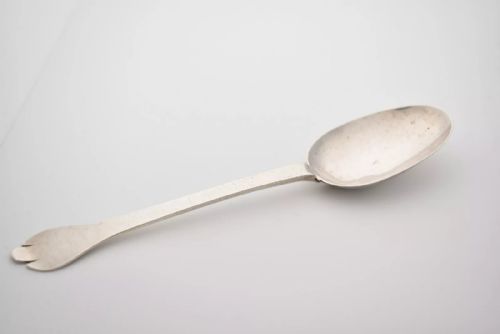
A trefid spoon is an early flatware form characterised by a flat, three-lobed handle terminal. These pieces typically date from the late seventeenth century and often include a rattail reinforcement on the back of the bowl.
They represent a significant shift in dining cutlery design and are eagerly sought by historians and silver collectors alike.
What is a marrow scoop used for?
A marrow scoop is a specialised long, narrow utensil featuring small troughs at each end. Diners used them during formal meals to extract marrow from bones.
These implements are distinctively utilitarian yet often bear fine maker marks from the Georgian and Victorian periods.
Are Ottoman silver spoons different?
Ottoman silver spoons often display distinct regional motifs and figural work that set them apart from standard British flatware. They frequently utilise high-purity solid silver with deeply embossed or chased decoration.
These pieces offer a fascinating window into Near Eastern metalworking traditions of the late nineteenth and early twentieth centuries.