



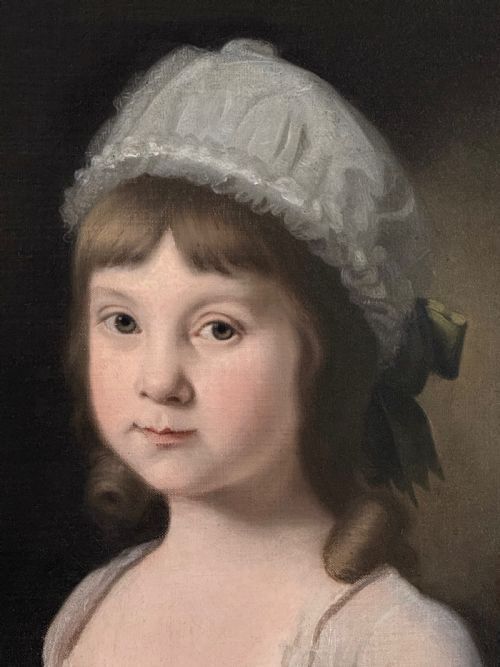
English Georgian Painting
An english georgian painting captures the distinctive portraiture and landscape traditions of the eighteenth and early nineteenth centuries.
English Georgian Painting
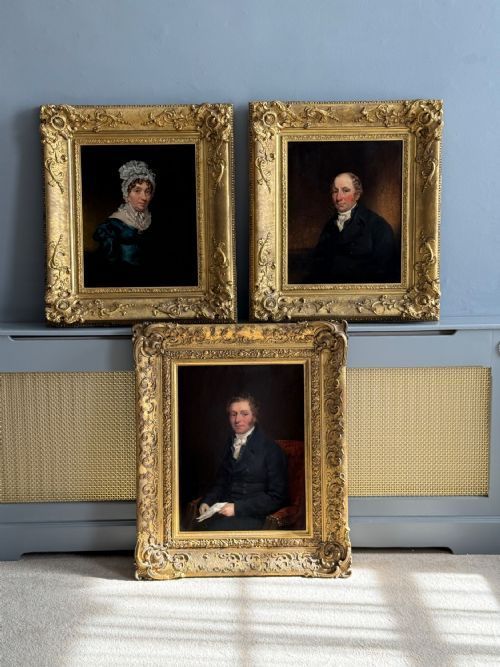
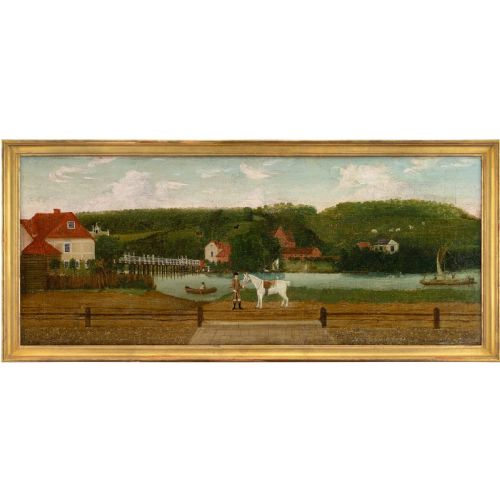
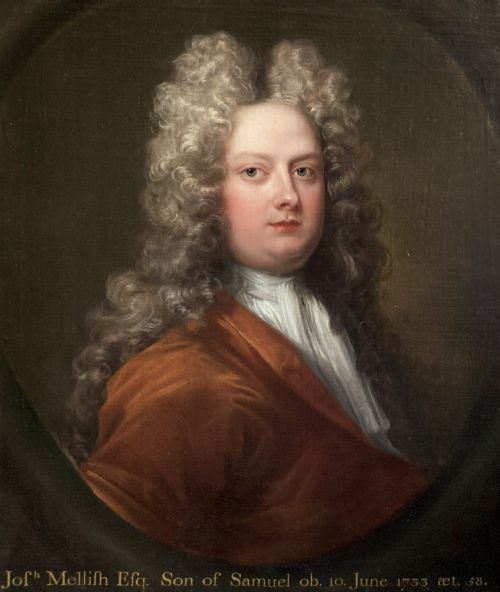
When you search for an english georgian painting, you encounter works spanning the eighteenth century through the Regency period. These pieces include oil paintings on canvas and panel, alongside delicate watercolour landscapes depicting figures and architecture.
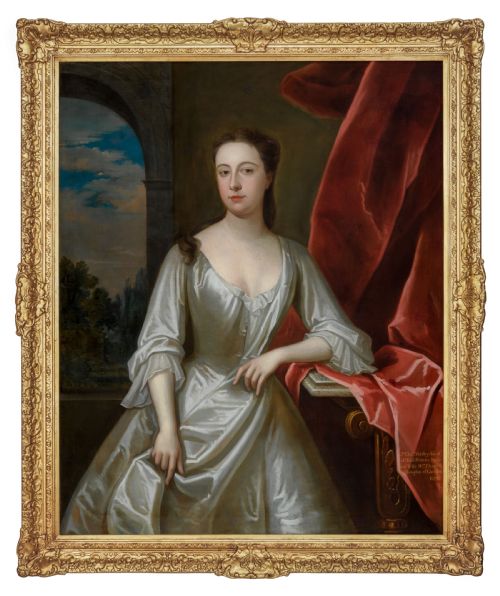
Portraits dominate the selection, ranging from formal oils by named artists to provincial works by followers of the Norwich School or Thomas Barker of Bath. Landscapes and literary scenes inspired by contemporary theatre also appear within this category.
Materials and Techniques
The works rely primarily on oil on canvas or wood panel, utilising rich pigments applied by hand. Watercolour on paper appears in landscape studies and topographical views.
Many canvases are housed in period frames featuring gold leaf or gilding, while others show historical restorations such as being laid onto wood panel for structural support.
Historical horses occasionally gaze out from the canvas with expressions of mild existential doubt.
Evaluating Quality
Quality rests upon the strength of the brushwork and the accuracy of the sitter's anatomy or the perspective of the landscape. Master works display assured handling of light and fabric, whereas naive or provincial pieces exhibit a charming simplicity of line.
The survival of the original surface condition and the authenticity of the associated period frame heavily influence the standing of any given canvas.
Sir Godfrey Kneller·Charles Jervas·Joseph Clover RA·Henry Bone ARA·Joshua Reynolds PRA·John Russell·Thomas Barker of Bath·John White Abbott
The English Georgian Painting Glossary
- Oil on canvas
- Pigments bound in drying oil applied to a stretched woven fabric support. This method allowed artists to achieve rich colour depths and subtle tonal gradations.
- Panel painting
- Art executed on a rigid wooden support rather than flexible canvas. This technique was frequently utilised for smaller portraits during the period.
- Norwich School
- A regional movement of painters inspired by local landscapes and rural life. It represents Britain's first provincial art movement outside London.
- Regency
- The stylistic period spanning the early nineteenth century defined by classical restraint and vibrant portraiture. Works from this era often feature bolder palettes.
- Gilding
- The application of gold leaf or powder to frames and decorative surfaces. It provides a luminous border that enhances the colours within the composition.
English Georgian Painting: Frequently Asked Questions
How do I identify a Georgian portrait?
Georgian portraits typically feature sitters in characteristic period dress, ranging from formal powdered wigs of the early eighteenth century to softer Regency hairstyles.
Brushwork and canvas preparation methods also provide strong clues to the date of execution.
Are these paintings usually signed?
Many works from this era remain unsigned, as portraiture was often executed by studio assistants or provincial painters who did not mark their canvases.
Inscriptions on the reverse or historical attribution records frequently provide the only evidence of authorship.
How should I care for an oil painting?
Keep oil paintings away from direct sunlight and steady humidity levels to prevent the canvas from sagging or cracking. Dust the surface gently with a soft, dry brush without applying pressure.
Avoid using water or chemical cleaning agents on the paint layer.
What is the Norwich School?
The Norwich School comprises a group of artists working in Norfolk who focused on landscape and rural scenery. Their output reflects the everyday topography of the English countryside.
Followers of this tradition captured naturalistic lighting and atmospheric weather conditions.