
Classic Fine Art
Classic fine art comprises historic oil paintings and portraits on canvas spanning multiple centuries.
Classic Fine Art
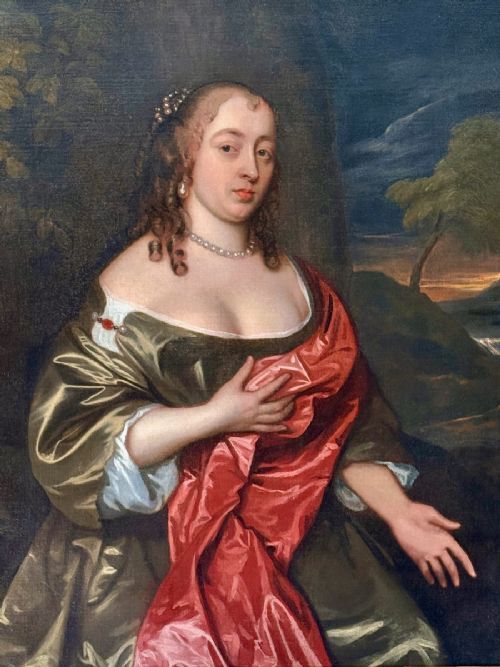
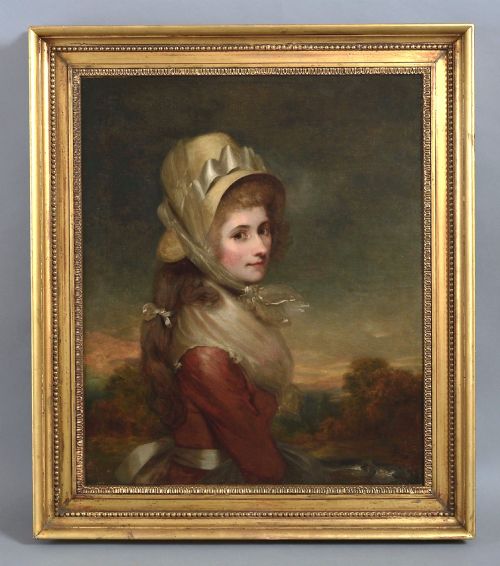
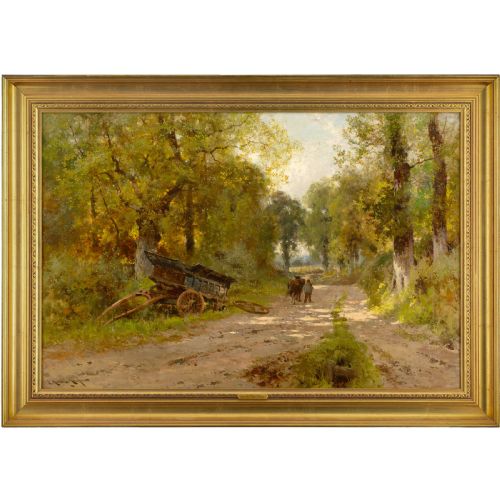
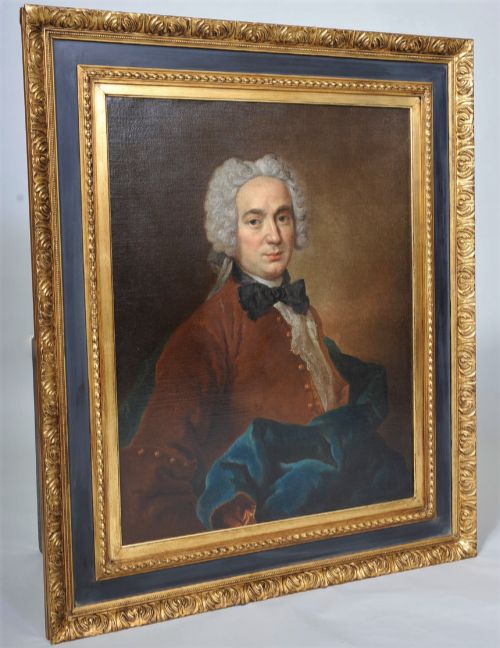
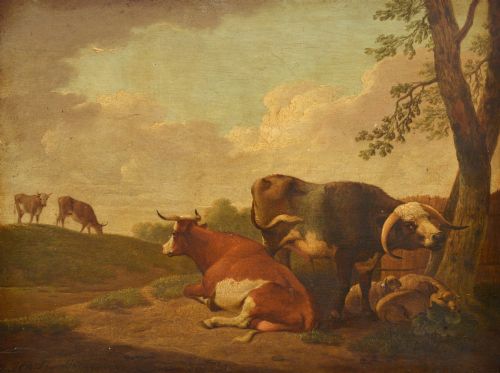
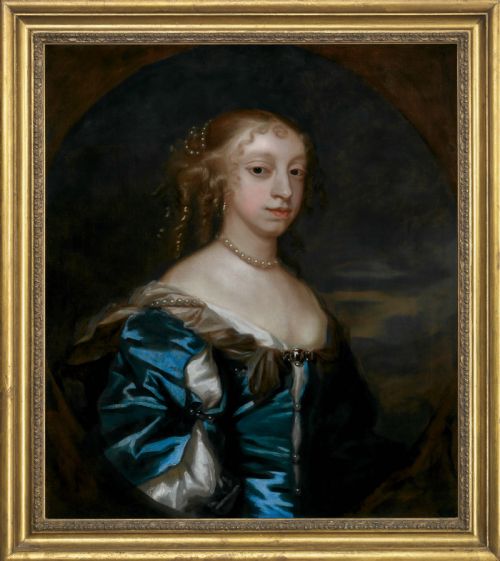
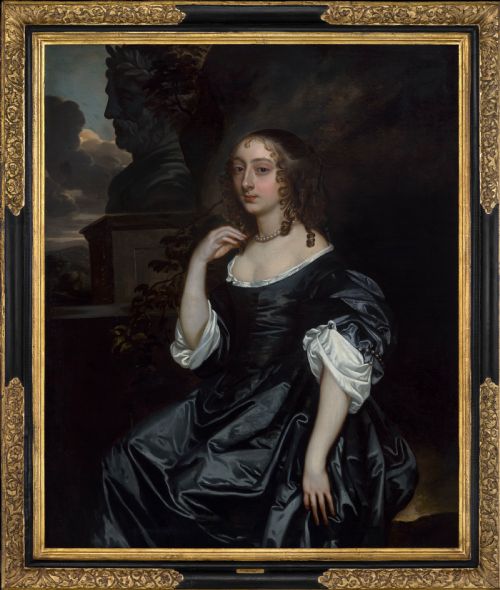
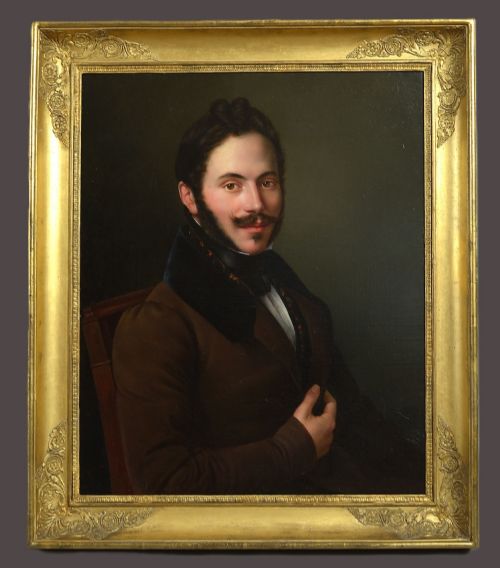
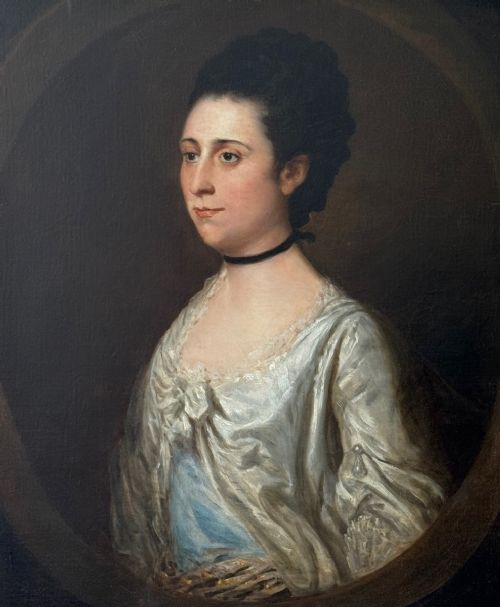
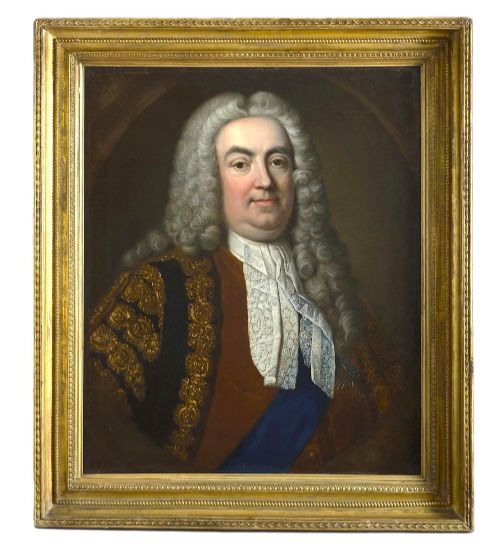
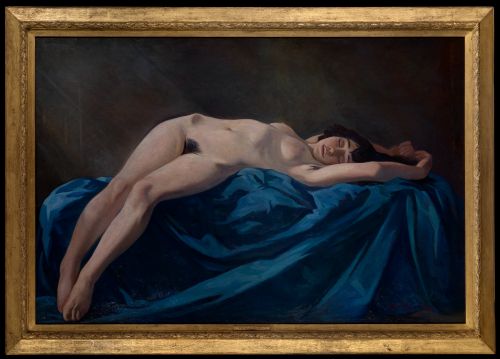
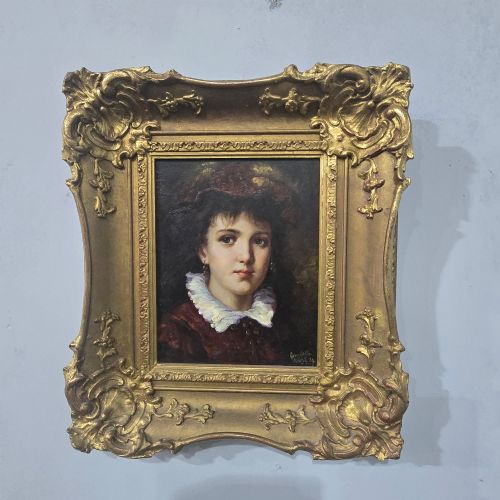
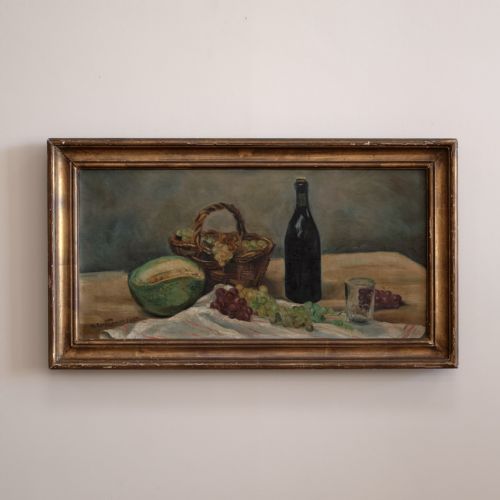
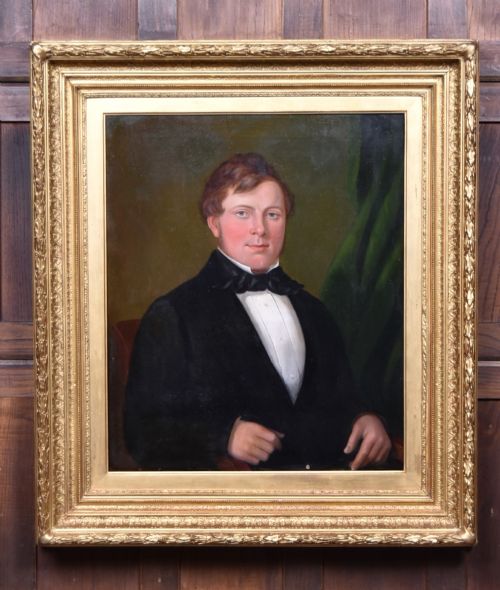
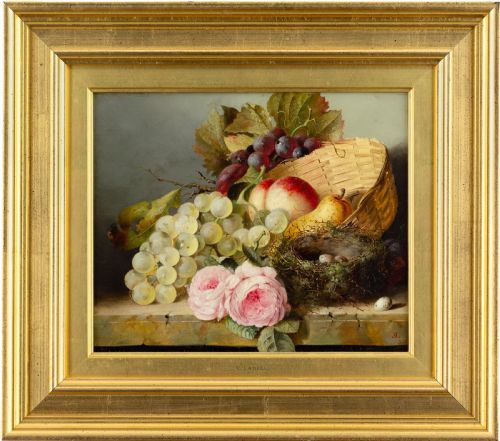
Classic fine art encompasses historical paintings, predominantly oil on canvas works, spanning from the seventeenth century through to the mid-twentieth century. The selection on this page is heavily weighted towards portraiture and landscape oil paintings executed by named artists and regional schools.
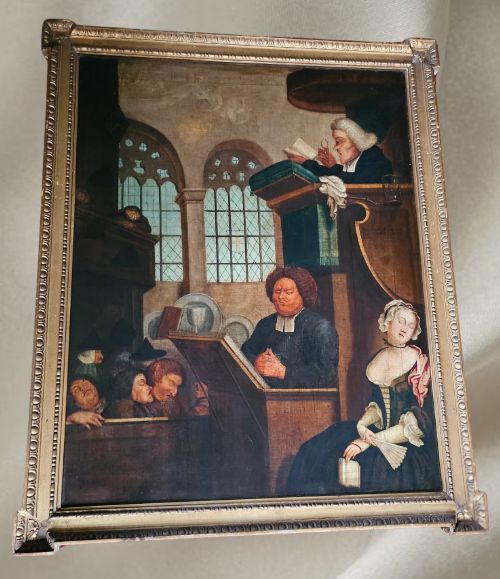
Buyers encounter numerous British and continental portraits alongside rural landscapes, still lifes, and genre scenes created during the Georgian, Victorian, and Edwardian eras. These pieces capture historical figures, aristocratic subjects, and domestic scenes rendered in traditional painting styles.
Materials and Techniques
The physical creation involves traditional brushwork methods practised by academy-trained painters, studio assistants, and regional schools across Britain and Europe. Painters mixed ground pigments with drying oils to achieve the deep tones and luminous glazes characteristic of historical canvases.
Listings feature oil paintings rendered on canvas and panel, spanning seventeenth-century Dutch landscapes to twentieth-century portraits.
Distinctions in Quality
Quality depends upon the dexterity of the brushwork, the psychological depth of a portrait, and the anatomical accuracy found within human and animal subjects. Studio pieces show competent execution, while works by master hands display confident handling of light, shadow, and texture.
The survival of the original surface condition and the integrity of the canvas and paint layers dictate the visual impact of each piece. Frames also contribute significantly, as period giltwood mouldings that complement the artwork elevate the overall object.
JOHN HAYLS·Sir Martin Archer Shee·Hendrik Willem Schweickhardt·Sir Peter Lely·Edouard Pingret·THOMAS BEACH·Jean Baptiste Van Loo·Edward Ladell·Thomas Spinks·Valdemar Magaard·Nicolaes Maes·Bertram Priestman·Howard Barron
The Classic Fine Art Glossary
- Canvas
- A heavy woven fabric stretched across a wooden frame to serve as a support for oil painting. It provides the textured foundation upon which historical artists applied their ground layers and pigments.
- Giltwood
- Wood that has been coated with a thin layer of gold leaf or gold powder. This material is standard for ornate historical picture frames designed to complement fine art.
- Genre scene
- A painting depicting aspects of everyday life by portraying ordinary people engaged in common activities. These works focus on domestic interiors, markets, or social gatherings rather than grand historical narratives.
- Provenance
- The chronology of the ownership, custody, or location of a historical painting. A documented history helps verify the authenticity and attribution of older works.
Classic Fine Art: Frequently Asked Questions
How do I date an antique oil painting?
Dating relies on stylistic clues within the subject's clothing, hairstyle, and the construction methods of the canvas stretcher behind the work. Examining the type of nails, the weave of the fabric, and any inscriptions or labels on the reverse provides further chronological markers.
Material analysis of the pigments and the ageing characteristics of the oil paint also assist specialists in narrowing down the decade of creation. Comparing the hand with documented works by known painters or regional schools confirms the active period.
How should I care for an oil painting on canvas?
Keep paintings away from direct sunlight, high humidity, and rapid temperature fluctuations that can cause the canvas to slacken and the paint layer to crack. Dust the surface gently with a soft, dry brush without applying pressure.
Avoid using water, chemical cleaners, or damp cloths on the painted surface or the giltwood frame. Professional conservation is recommended for any deeper cleaning or structural stabilization.
Are all listed paintings signed by the artist?
Not all historical works bear a visible signature, as many artists from earlier centuries left their canvases unsigned. Attributions are often established through stylistic comparison, historical records, exhibition catalogues, or provenance documentation.
Unsigned paintings are frequently attributed to a specific school or circle based on technique, palette, and composition. These attributions represent expert consensus regarding the likely origin of the work.