

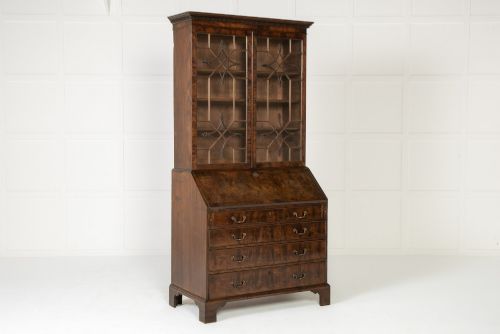
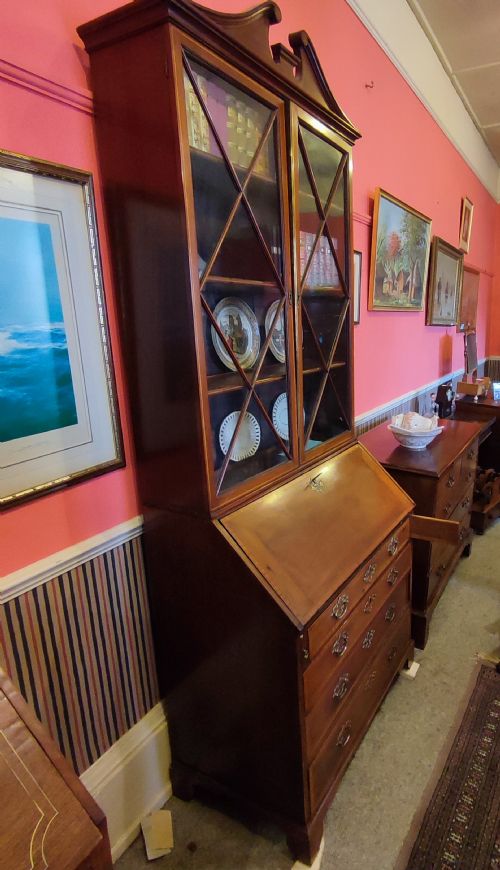


English Georgian Bureau Cabinet
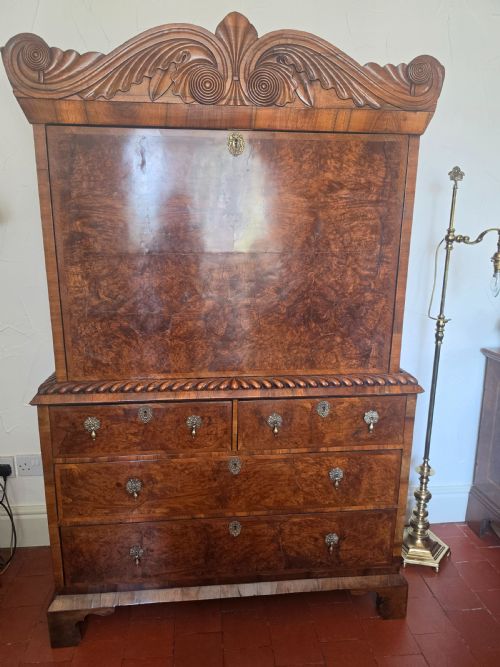
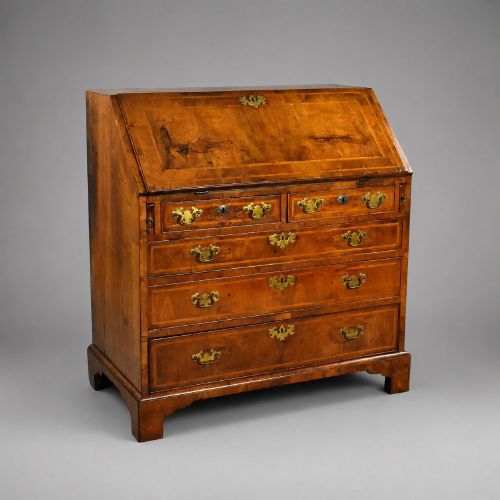
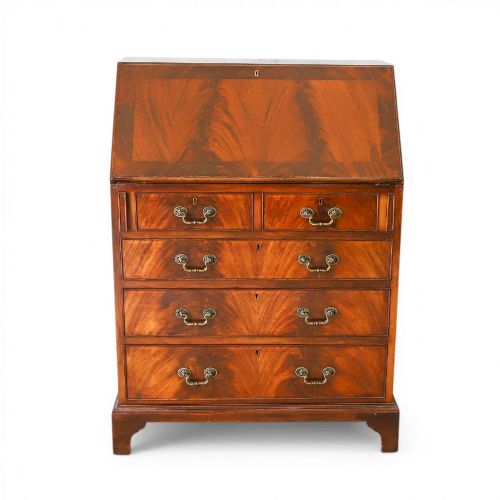
An English Georgian bureau cabinet combines a drop-front writing desk with a bookcase top, offering practical workspace and display storage in one piece.
English Georgian Bureau Cabinet
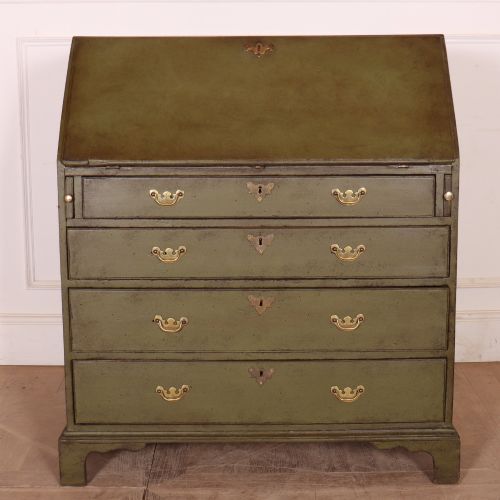
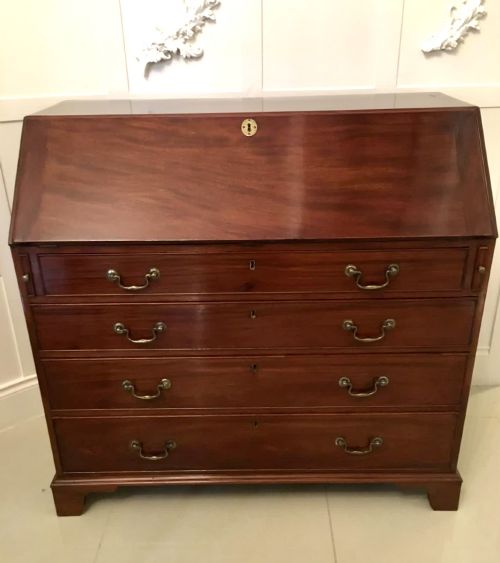
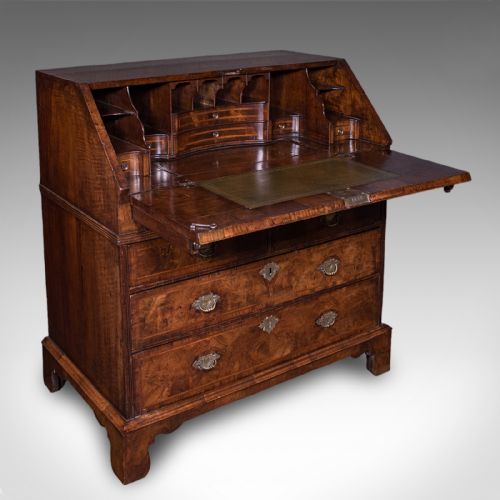
An english georgian bureau cabinet is a dual-purpose storage item featuring a hinged fall-front panel that opens to reveal a fitted interior of small drawers and pigeonholes for writing. Above this desk section sits a glazed or panelled cabinet for books and display, uniting two distinct functions within a single tall wooden carcass.
The pieces appearing most frequently span the eighteenth century, with particular emphasis on the reigns of George I, George II, and George III, alongside occasional nineteenth-century revivals. Variants include bureau bookcases, secretaire cabinets, and escritoires, each designed to organise correspondence and library collections in domestic settings.
How they were made
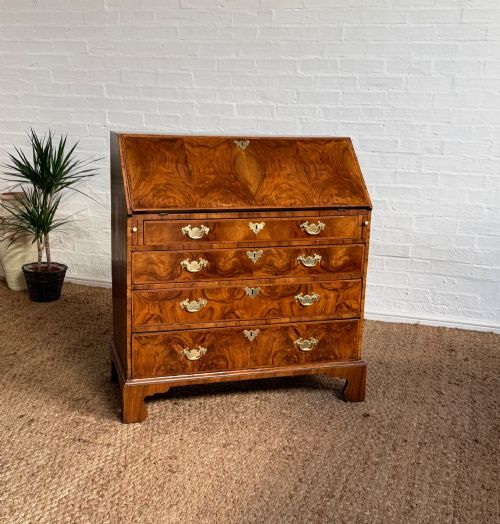
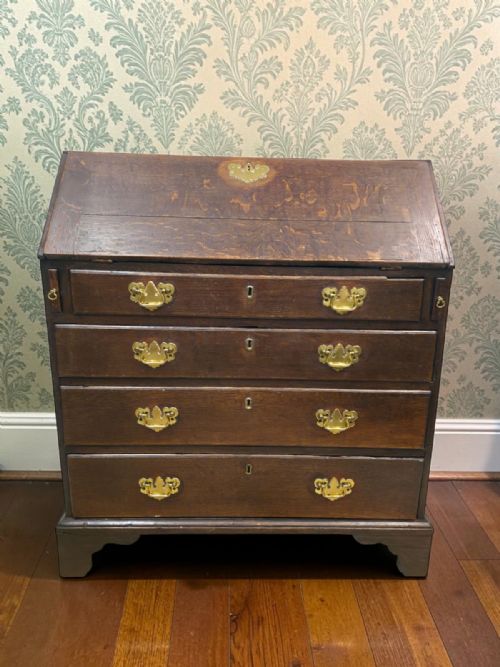
Cabinetmakers constructed these pieces primarily using solid and veneered hardwoods, notably walnut, figured walnut, burr walnut, and mahogany, supported by secondary timbers like oak. Surfaces often display carefully matched veneers with decorative grain patterns, particularly on the fall-fronts and drawer faces.
Internal components relied on traditional joinery, including dovetail construction for drawers and frame-and-panel techniques for the upper bookcase doors. Brass hardware such as escutcheons, drop handles, and hinges provided both structural reinforcement and decorative contrast to the dark timber.
Several examples preserve internal secret compartments designed to hide private papers from prying eyes.
What varies in quality
The tier of a piece depends heavily on the choice of timber and the dexterity of the veneer work, where symmetrical figuring across the fall-front and drawer facades marks out superior cabinetmaking. Figured walnut and Cuban mahogany with rich natural colour distinguish the more ambitious commissions from simpler regional examples constructed in solid oak or painted wood.
Complexity within the fitted interior also dictates standing, with superior examples incorporating secret compartments, sliding wells, and intricately carved pigeonholes rather than plain partitioning. The integration of original moulded cornice work and well-proportioned glazed upper doors further separates standard domestic furniture from high-status library pieces.
John Mclean
The English Georgian Bureau Cabinet Glossary
- Fall-front
- A hinged writing flap that drops down to a horizontal position to provide a desk surface. It conceals a fitted interior when closed upright.
- Escritoire
- An alternative term for a writing cabinet or desk, often denoting seventeenth- or eighteenth-century forms with drop-front writing compartments.
- Secretaire
- A piece of furniture containing a writing drawer or fall-front desk compartment, frequently integrated into the upper structure of a bookcase.
- Burr walnut
- Timber taken from the warted excrescences of walnut trees, valued for its swirling, highly decorative grain patterns used in luxury veneering.
- Quartering
- A veneering technique where four matching slices of figured wood are arranged symmetrically to create a patterned display on panels.
English Georgian Bureau Cabinet: Frequently Asked Questions
How do walnut and mahogany pieces differ?
Walnut pieces generally date from the earlier part of the eighteenth century, during the reigns of Queen Anne and the first two Georges. They frequently display rich grain patterns and burr veneers.
Mahogany became the dominant timber later in the eighteenth century under George III, offering greater structural strength and a darker, redder tone. Mahogany surfaces often feature crisp carved details rather than complex veneer matching.
How were these cabinets used?
These cabinets served as private workstations for managing household accounts, writing letters, and storing valuable documents. The fitted interior provided pigeonholes and small drawers specifically designed for stationery and ledgers.
The upper bookcase protected leather-bound volumes from dust and light while displaying the owner's literary interests to visitors in a parlour or study.
How can I tell George I from George III pieces?
George I pieces, dating from the early eighteenth century, commonly feature walnut timbers, herring-bone stringing, and bracket feet with a distinct architectural emphasis. Their proportions tend to be compact with rich, figured veneer surfaces.
George III pieces, produced later in the century, frequently utilise mahogany, incorporate classical Sheraton or Chippendale influences, and may include finer stringing or satinwood inlay. Their scale is often grander, reflecting changing interior fashions of the period.