

English Earthenware Dish
An English earthenware dish carries centuries of domestic history through hand-painted pigments, transfer prints, and tin glazes.
English Earthenware Dish
An English earthenware dish encompasses a diverse selection of ceramic tablewares, decorative chargers, platters, and serving vessels originating from workshops across the country. Buyers exploring this category encounter functional items designed for everyday dining alongside large display chargers intended for formal rooms.
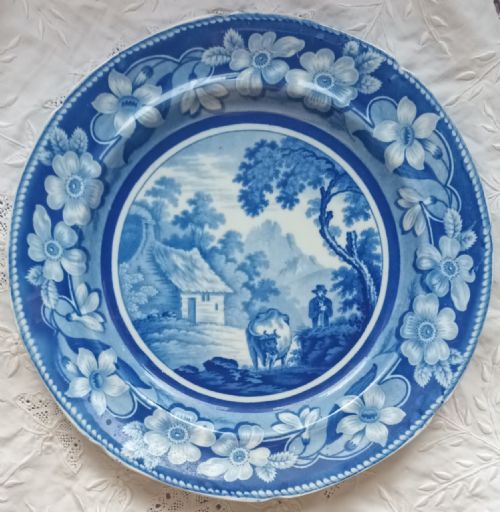
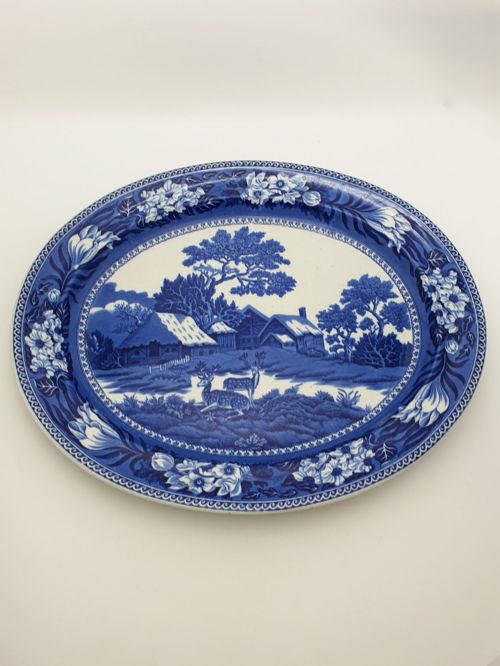
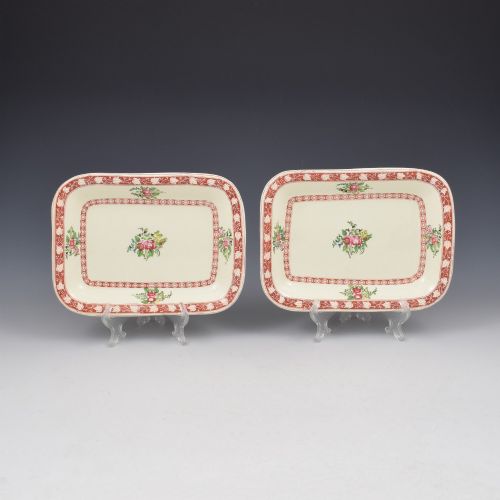
The selection ranges from early eighteenth-century tin-glazed delftware and creamware through to nineteenth-century transfer-printed pastoral scenes and twentieth-century art deco tubelined earthenware. Examples span utilitarian cheese domes and vegetable tureens to large wall chargers painted with floral or architectural motifs.
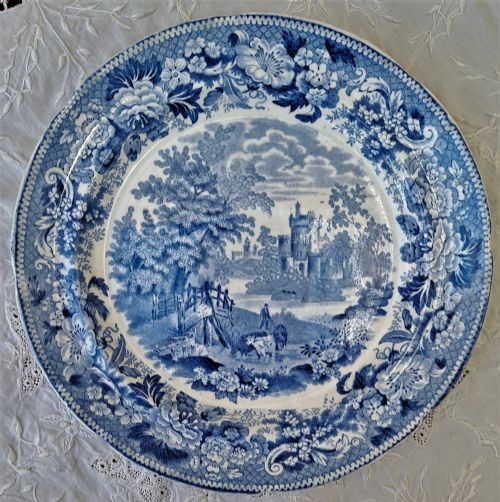
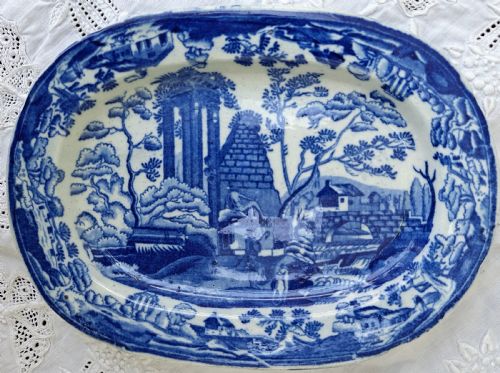
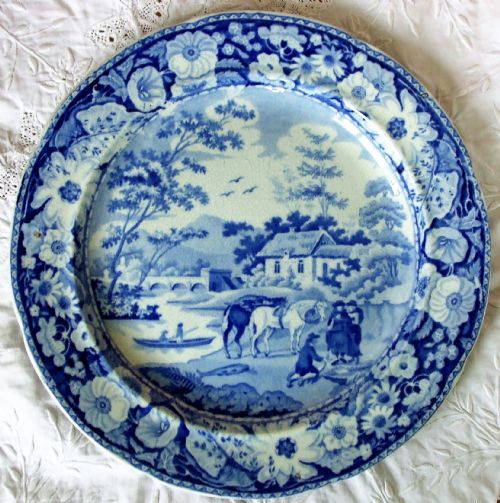
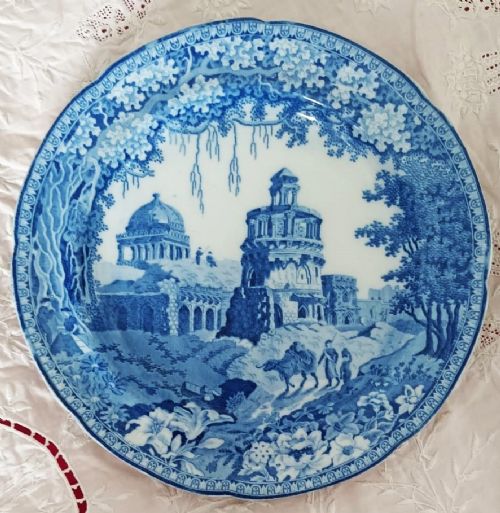
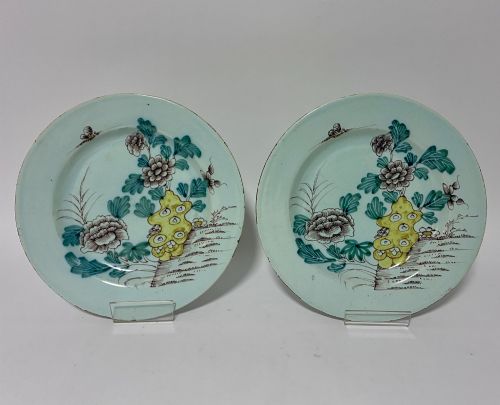
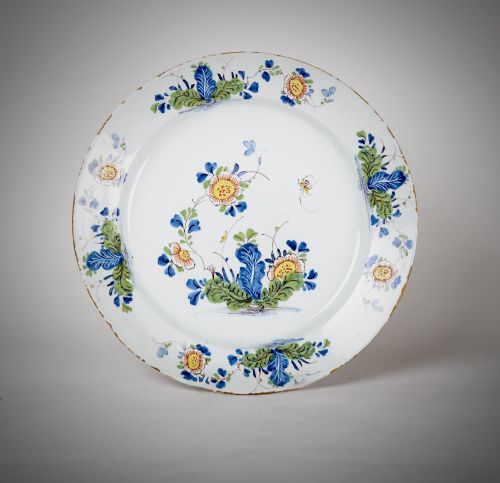
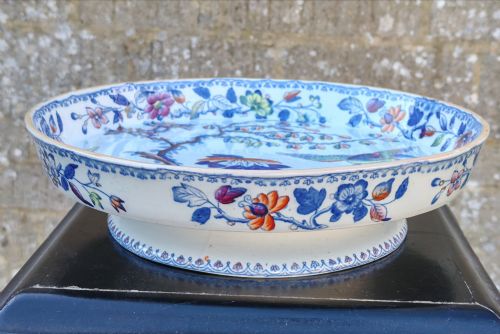
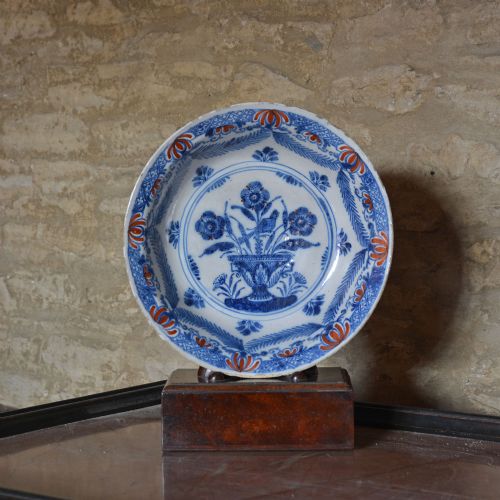
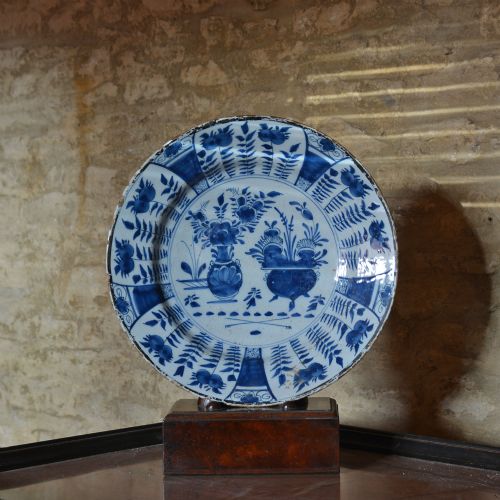
Tin-glazed delftware plates and polychrome chargers dominate the earlier centuries, while blue and white transfer-printed earthenware and pearlware define the nineteenth-century offerings. Pieces vary from simple blue and white shallow bowls to complex moulded majolica and earthenware serving platters.
How they were made
Potters shaped local clays on the wheel or pressed them into moulds to form plates, chargers, and tureens before applying various surface finishes. Lead glazes provided clear, protective coats over earthen bodies, while tin glazes created opaque white surfaces suited to subsequent hand-painting.
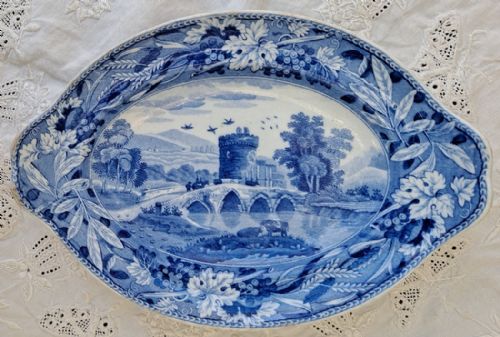
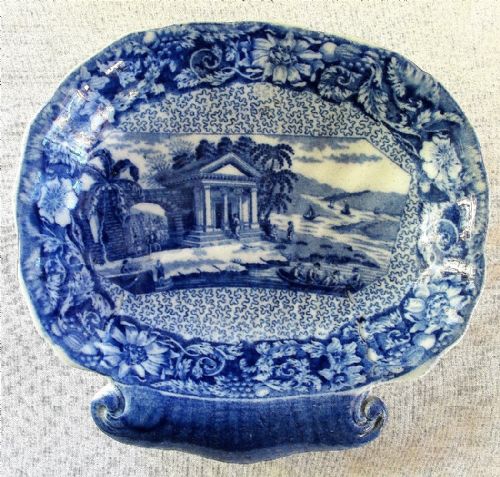
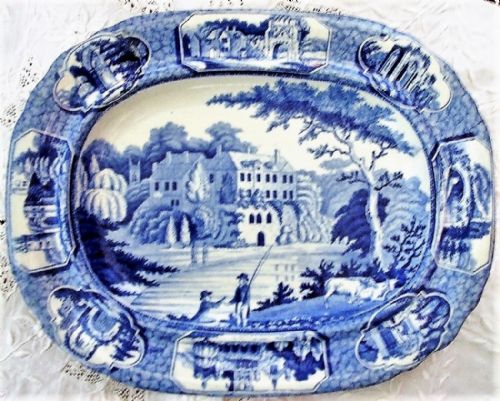
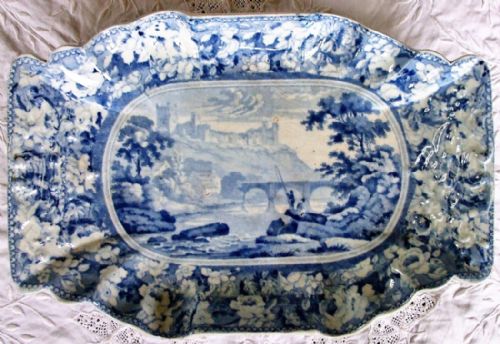
Cobalt pigment provided the deep blue tones found on early delftware and later transfer-printed wares, applied directly beneath or over the glaze before firing. Transfer printing involved pulling engraved copperplate designs onto tissue paper and pressing them onto the ceramic body to achieve repeatable detail.
English Earthenware Dish Retail Price Guide 2026
Typical asking prices for english earthenware dish among the pieces listed under this phrase on Sellingantiques today, from the lower quarter to the upper quarter. They describe what is for sale here now, not the wider market.
Listings feature earthenware dishes spanning the eighteenth, nineteenth, and twentieth centuries, encompassing tin-glazed, pearlware, and transfer-printed examples.
What varies in quality
Quality rests upon the crispness of the painted or printed decoration and the stability of the earthenware body during high-temperature kiln firings. Master potters achieved precise registration in transfer printing and smooth, even coverage in tin and lead glazes without excessive pooling or crawling.
Artistic execution distinguishes standard utilitarian tablewares from superior display pieces, particularly in hand-painted delftware chargers and complex polychrome Chinoiserie designs. The depth of the glaze, the vibrancy of the cobalt or polychrome pigments, and the delicacy of pierced rims or moulded details all determine distinction.
Wedgwood·Spode·John Rogers and Son·James Wallace and Co·J and R Clews·J and R Riley·William Yale·C J Mason·Maling·Charlotte Rhead Crown Ducal
The English Earthenware Dish Glossary
- Delftware
- Earthenware coated with an opaque tin glaze, typically decorated with blue or polychrome pigments in imitation of imported Asian porcelain.
- Transfer printing
- A method of decorating ceramics by transferring an inked design from an engraved copper plate onto the pottery surface via tissue paper.
- Pearlware
- A refined earthenware developed in the late eighteenth century featuring a subtle bluish glaze that pooled slightly in crevices to mimic Chinese porcelain.
- Charger
- A large decorative plate or shallow dish originally intended for ceremonial dining or display on sideboards and walls.
- Majolica
- A colourful, lead-glazed earthenware characterised by rich, opaque enamel colours applied over moulded botanical or figurative forms during the Victorian era.
English Earthenware Dish: Frequently Asked Questions
What is an English earthenware dish?
An English earthenware dish is a ceramic plate, platter, or charger formed from porous clay and finished with tin, lead, or clear glazes. These items served both practical dining functions and decorative display roles across Georgian and Victorian households.
Craftsmen utilised various techniques, including hand-painting, transfer printing, and polychrome glazing, to ornament the surfaces with landscapes, florals, and historical scenes.
How do I date an antique earthenware dish?
Dating relies on stylistic clues, glaze characteristics, and the manufacturing methods visible on the piece. Eighteenth-century examples often feature tin glazes and hand-painted delft designs, whereas nineteenth-century pieces frequently display blue and white transfer prints or moulded earthenware bodies.
Maker marks, impressed registry numbers, and specific ceramic bodies such as pearlware or white ironstone further narrow the production period.
Can I use antique earthenware dishes for food?
While these pieces were originally created for culinary service, older earthenwares with porous bodies, lead glazes, or historical significance are typically reserved for display. Modern use can introduce acids that interact with historic glazes or cause staining on fragile ceramic surfaces.
Gentle hand-washing is mandatory for antique ceramics, avoiding dishwashers and harsh detergents that compromise historic glazes.