



Georgian Spode Pottery
Georgian Spode pottery gathers early earthenware and pearlware forms, offering collectors crisp transfer prints and fine bodies that anchor a period dining table.
Georgian Spode Pottery
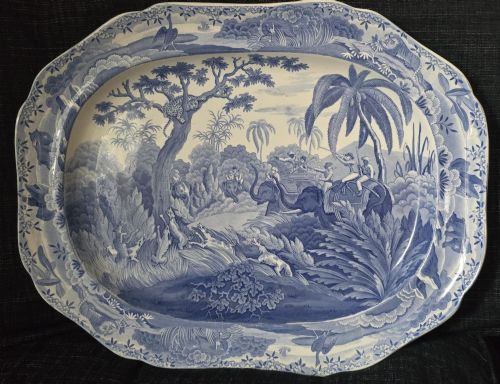
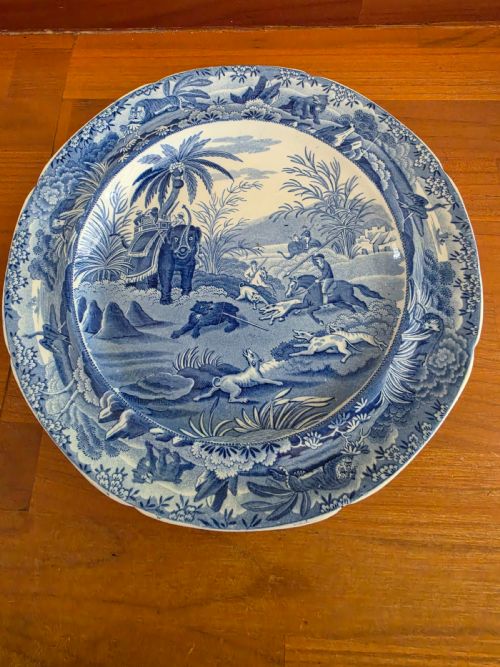
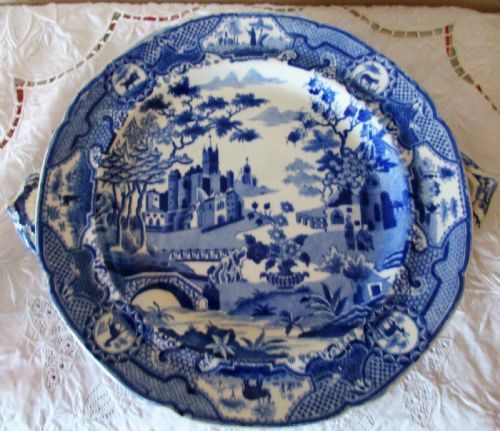
Georgian Spode pottery comprises functional and decorative ceramic vessels produced during the late eighteenth and early nineteenth centuries. You will most frequently encounter transfer-printed blue and white meat platters, plates, and serving dishes bearing classical or exotic scenes.
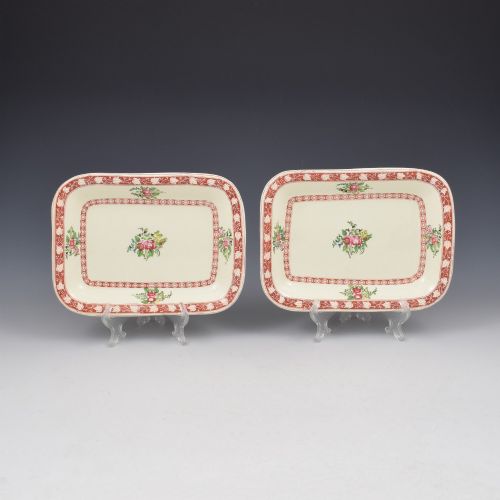
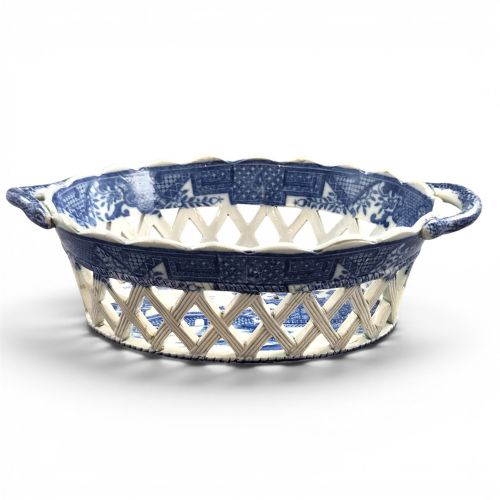
The objects span practical dining pieces like teapots and hot-water plates alongside larger display items such as footbaths, tazzas, and reticulated chestnut baskets. These forms reflect the ambitious output of the Staffordshire factory during the Georgian and Regency eras.
Pieces range from standard domestic earthenware to refined caneware and ironstone bodies, often carrying named landscape or figurative patterns like the Bridge of Lucano or Long Bridge.
How they were made
Makers shaped these wares using refined earthenware, pearlware, caneware, and ironstone, applying smooth transparent glazes over the ceramic body. The potter then decorated many surfaces using detailed blue and white transfer printing pulled from hand-engraved copper plates.
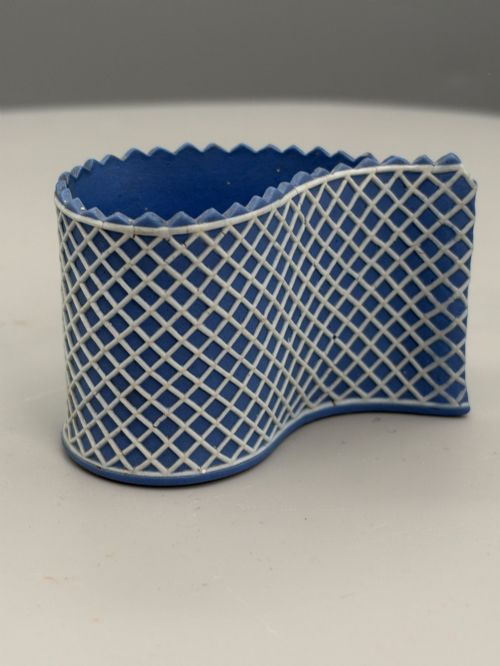
Specialist items such as chestnut baskets involved intricate pierced reticulation formed while the clay was leather-hard, demanding precise control before firing. Finishing touches occasionally included careful gilding applied over the glaze to highlight moulded rims and handles.
Georgian Spode Pottery Retail Price Guide 2026
Typical asking prices for georgian spode pottery among the pieces listed under this phrase on Sellingantiques today, from the lower quarter to the upper quarter. They describe what is for sale here now, not the wider market.
Objects range from utilitarian basins and footbaths to decorative plates, chestnut baskets, and meat platters.
What varies in quality
Quality rests on the crispness of the copperplate transfer print and the clarity of the underlying ceramic glaze. A deeply struck transfer without blurring distinguishes finer decorative plates and platters from routine production.
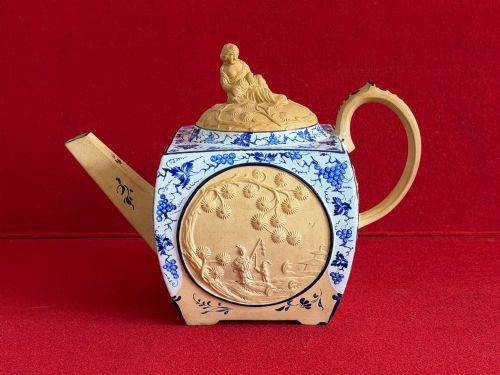
The sophistication of the original form dictates overall merit, separating standard table plates from ambitious reticulated baskets, large footbaths, and finely potted caneware teapots.
The Georgian Spode Pottery Glossary
- Pearlware
- A refined earthenware body developed in the late eighteenth century featuring a subtle bluish glaze that pooled in recesses to mimic Chinese porcelain.
- Caneware
- A fine buff-coloured stoneware body resembling the tone of bamboo or unbleached linen, popular for neoclassical teapots and decorative vessels.
- Reticulation
- An openwork pierced lattice pattern cut into baskets and stands, allowing air circulation and visual lightness.
- Transfer printing
- A decoration technique where an engraved copper plate transfers a printed design onto tissue paper, which is then pressed onto the ceramic body before firing.
- Ironstone
- A dense, durable feldspathic stoneware patented in the early nineteenth century to resist chipping and heavy kitchen use.
Georgian Spode Pottery: Frequently Asked Questions
How do I clean my Spode pottery?
Wash antique earthenware and pearlware gently by hand in warm water using a mild soap. Avoid soaking pieces with old hairline cracks or delicate gilding.
Dry them thoroughly with a soft cloth to protect the historic ceramic body and glaze from moisture retention.
Can I use these plates for dining?
While these pieces were made for everyday Georgian dining, their age and glaze composition make modern use risky. Utensils can scratch the soft lead glazes and nineteenth-century ceramic bodies.
It is better to treat them as display items or use them for dry presentation rather than heavy daily meals.
How do I date a Spode piece?
Examine the base for factory marks, pattern names, and the specific ceramic body, such as early pearlware or later ironstone. Stylistic clues like Regency chinoiserie or classical landscape titles also narrow the production window.
Comparing the sharpness of the blue transfer print helps distinguish pieces made during the Georgian period from later nineteenth-century manufacturing.
What is a transfer print?
Transfer printing is a method of applying intricate pictorial designs to ceramics using an inked copper plate and tissue paper. This technique allowed factories to produce complex scenic patterns like castles and bridges consistently across large sets of tableware.
Skilled artisans engraved the original copper plates by hand, creating the detailed miniature landscapes seen on meat platters and plates.