




English Delft Wall Plates
English delft wall plates are tin-glazed earthenware dishes that bring tangible eighteenth-century domestic history directly to your walls.
English Delft Wall Plates
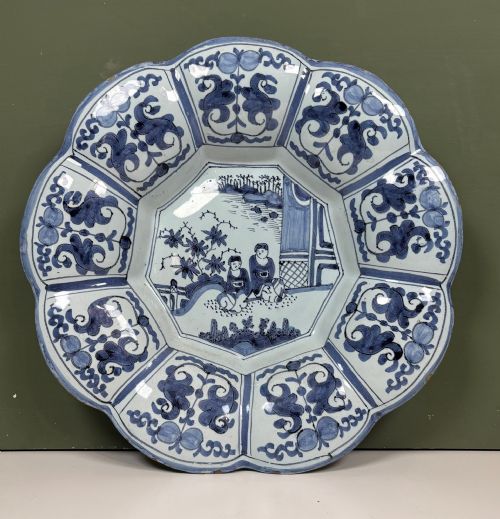
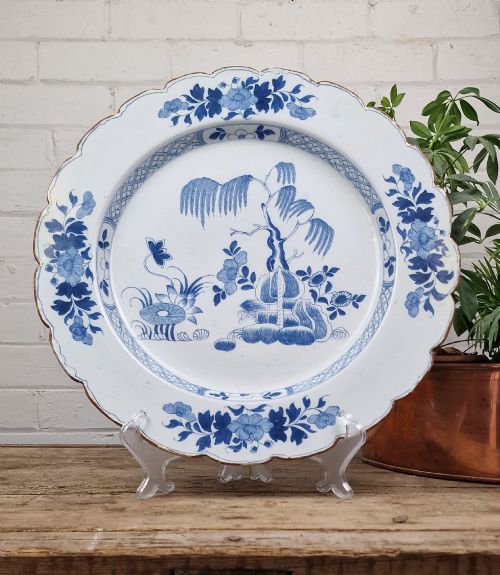
English delft wall plates are tin-glazed earthenware vessels produced primarily during the eighteenth century for decorative display. When you search for english delft wall plates, you encounter chargers, shallow bowls, and dishes featuring hand-painted designs.
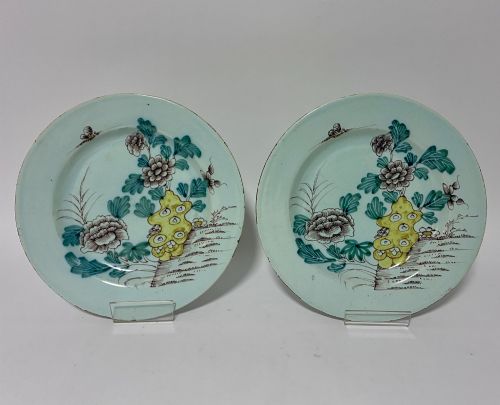
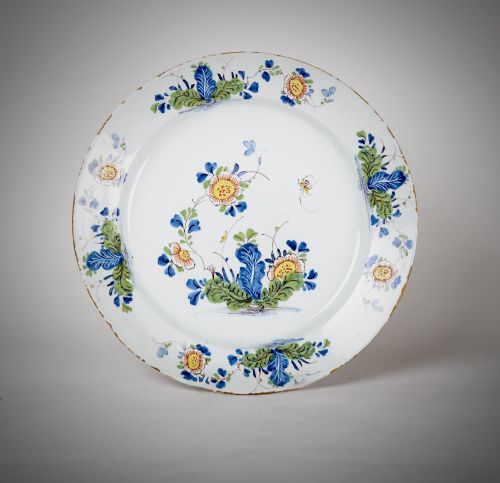
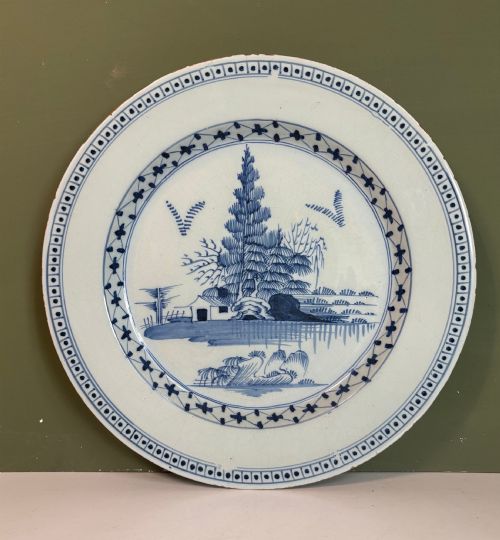
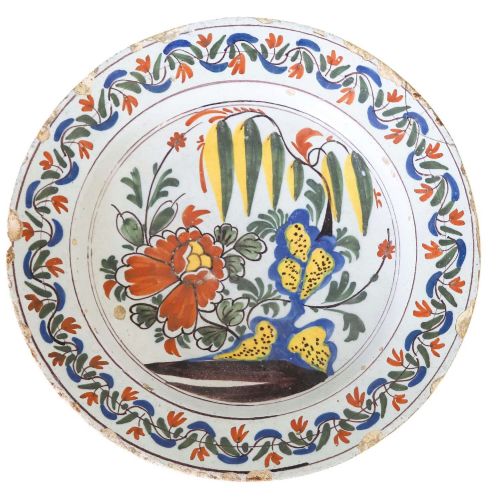
The versions most commonly met on this page are blue and white or polychrome pieces dating from the mid-eighteenth century. These items include individual plates, pairs, and sets that reflect Georgian tastes and chinoiserie influences.
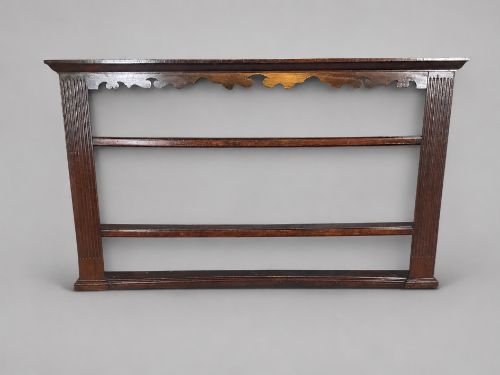
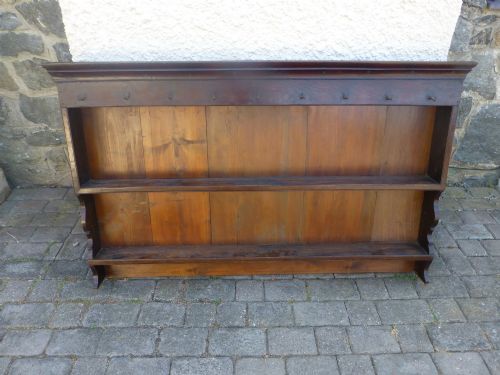
Alongside the plates themselves, the selection encompasses oak plate racks and dresser racks designed to display such ceramics. These timber fixtures provide the historic context in which these wall plates were originally housed.
How they were made
These pieces start with a clay body formed into earthenware plates, chargers, and bowls, which are then coated in a tin glaze to create an opaque white surface. Artisans apply cobalt pigment and other colours directly onto this absorbent glaze before firing.
Decoration relies on hand-painted brushwork, capturing floral motifs and chinoiserie scenes typical of eighteenth-century production. The physical display furniture associated with these ceramics is constructed from solid oak and pine.
English Delft Wall Plates Retail Price Guide 2026
Typical asking prices for english delft wall plates among the pieces listed under this phrase on Sellingantiques today, from the lower quarter to the upper quarter. They describe what is for sale here now, not the wider market.
Some eighteenth-century plates share wall space with Corinthian columns carved into oak and pine dresser racks.
What varies in quality
Quality in these ceramics depends upon the clarity and control of the hand-painted brushwork applied to the tin glaze. Pieces demonstrating confident, fluid floral or pictorial decoration sit at the upper end of the range.
The stability of the tin glaze itself and the preservation of the painted surface across centuries determine the visual success of each plate or charger. Scale also influences desirability, with large chargers commanding particular attention.
The English Delft Wall Plates Glossary
- Tin glaze
- An opaque white glaze made by adding tin oxide to a lead glaze, providing the smooth background for painted decoration. This technique defines the distinct surface of delftware.
- Charger
- A large decorative plate intended primarily for display on a wall or dresser rather than for dining. These substantial dishes often measure significantly wider than standard plates.
- Polychrome
- A style of decoration utilising multiple colours rather than a single pigment. In these listings, polychrome pieces typically incorporate hand-painted floral details in various hues alongside cobalt.
- Chinoiserie
- A European interpretation of East Asian artistic traditions and motifs popular during the Georgian period. This style appears frequently in the hand-painted scenes on eighteenth-century plates.
- Plate rack
- A wall-mounted or freestanding wooden fixture designed specifically to hold and display plates vertically. These oak and pine structures form an integral part of historic ceramic display.
English Delft Wall Plates: Frequently Asked Questions
How do I hang english delft wall plates?
These ceramic plates and chargers require specialised wall fixings or secure wire hangers designed to distribute weight evenly without putting pressure on the historic earthenware body.
Alternatively, many collectors display them safely within period oak plate racks and dresser shelves matching the materials seen in these listings.
Were english delft wall plates used for dining?
Large chargers and specific decorative plates were produced primarily for visual display on walls and dressers during the eighteenth century rather than daily table service.
Their tin-glazed surfaces are susceptible to scratching and chipping from metal cutlery, which reinforced their role as ornamental objects in Georgian homes.
How can I tell the difference between blue and white and polychrome delft?
Blue and white pieces rely exclusively on cobalt oxide pigment painted onto the white tin glaze, creating a monochrome palette reminiscent of imported porcelain.
Polychrome examples incorporate additional pigment colours alongside cobalt, producing brighter hand-painted floral and pictorial designs.
What period do these plates date from?
The listings on this page originate predominantly from the eighteenth century, encompassing pieces created around seventeen-fifty to seventeen-seventy.
This era represents the height of English delftware production centres such as Lambeth and Bristol, capturing Georgian aesthetic developments.