




English Country Portrait
An english country portrait captures rural life, landowners, sporting animals and domestic scenes across centuries of British painting and printmaking.
English Country Portrait
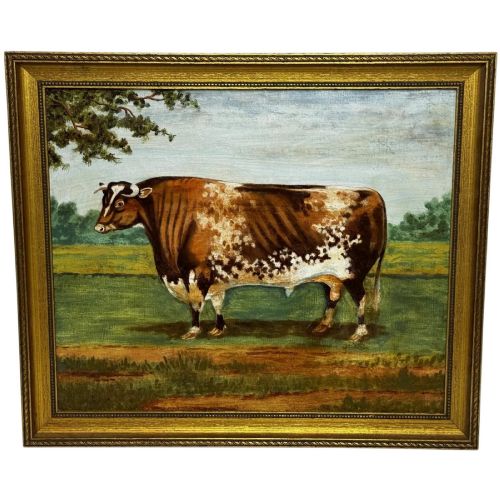
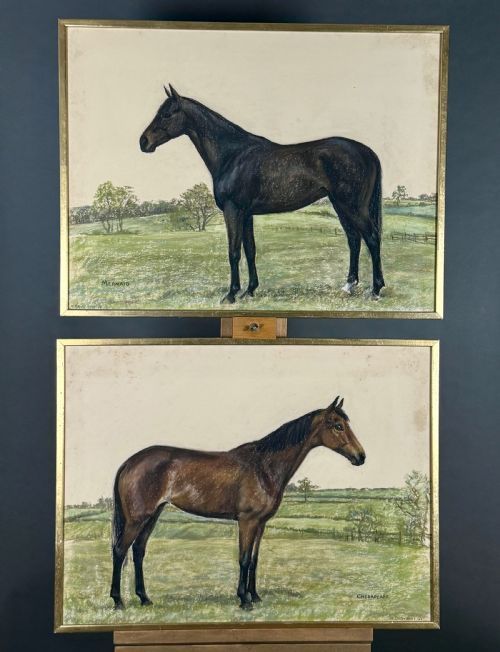
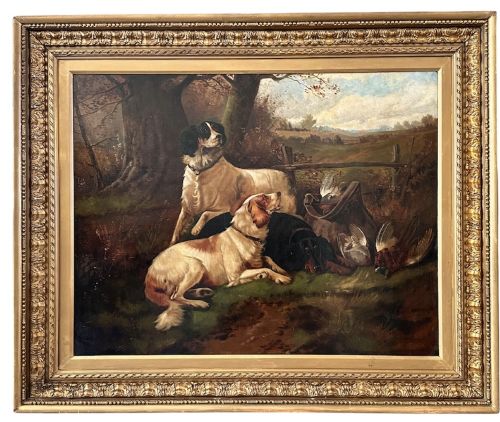
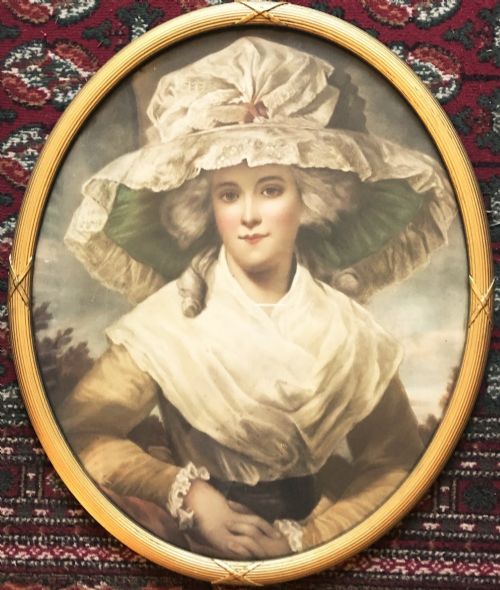
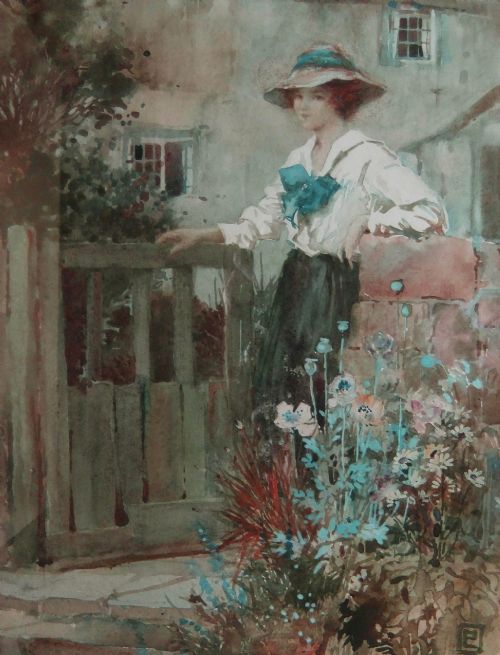
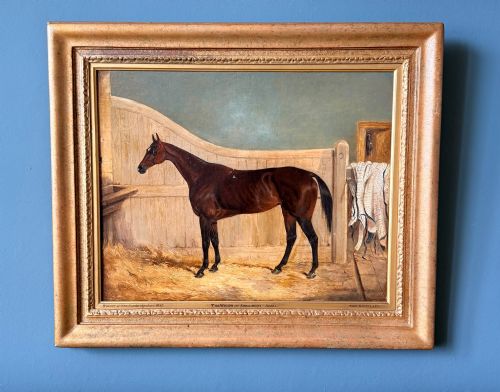
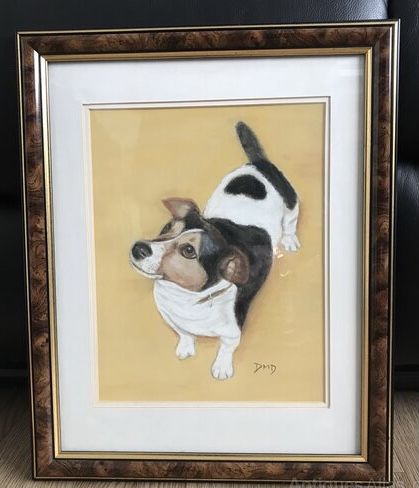
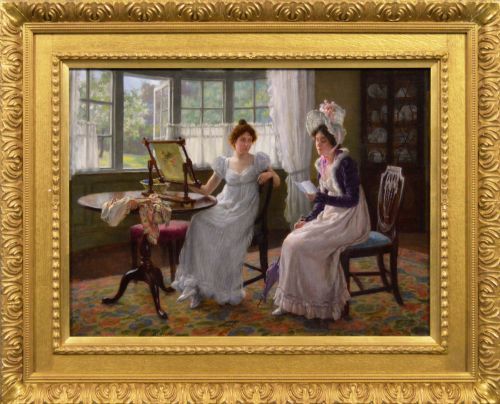
An english country portrait encompasses oil paintings, watercolours, pastels and mezzotints depicting people, horses, dogs and rural settings. These works range from naive representations by provincial artists to fine art studies produced during the eighteenth, nineteenth and early twentieth centuries.
The selections most frequently encountered here are nineteenth-century oil paintings and watercolours on canvas, wood or paper. Subjects frequently focus on domestic animals, sporting dogs, horses and country house interiors rather than human subjects alone.
How they were made
Makers applied oil paint or watercolour pigments onto stretched canvas, wooden panels, heavy paper or card. Supports often retain their original giltwood frames or simple wooden mouldings suited to the period.
Artists utilised varied hand-rendered techniques including fine glazing, monochrome ink underdrawings, pastel layering and naive brushwork to record texture in clothing, animal coats and rural landscapes.
Listings feature works spanning the eighteenth, nineteenth and twentieth centuries, executed in oil, watercolour, pastel and mezzotint.
What varies in quality
The standard of an english country portrait depends on anatomical proportion, handling of light and the artist's ability to render character in human and animal subjects. Master works show precise draftsmanship in complex settings, whilst naive examples rely on flat perspective and direct expression.
Condition alters the integrity of the piece significantly, particularly the stability of the canvas, presence of original paint layers and survival of glass or giltwood framing.
Charles Haigh Wood·Thomas Walker Bretland·Henry E Hobson·Henri Schouten·John Hoppner
The English Country Portrait Glossary
- Naive school
- Art produced by self-taught painters working outside academic conventions, characterised by flat perspective and direct observation.
- Mezzotint
- A printmaking process of the intaglio family where the plate is roughened to achieve rich tonal gradations.
- Genre painting
- The pictorial representation of scenes from everyday life, typically involving ordinary people in domestic or rural interiors.
- Giltwood
- Wood carved and coated with gold leaf, commonly used for traditional picture frames during the Georgian and Victorian periods.
English Country Portrait: Frequently Asked Questions
What defines an english country portrait?
An english country portrait records people, domestic animals, livestock and rural scenes within British domestic or agricultural settings.
These artworks span various media including oil on canvas, watercolour and pastel, originating mostly from the eighteenth and nineteenth centuries.
How should I hang an oil painting?
Oil paintings require stable wall spaces away from direct sunlight, heating vents and damp walls to protect the canvas and paint layers.
Ensure the hanging wire and wall fixings match the weight of the original frame to support the artwork safely.
Are watercolours sensitive to light?
Watercolour pigments and paper are vulnerable to fading when exposed to direct sunlight or harsh indoor illumination over long periods.
Displaying works on paper in shaded areas or using UV-protective glass helps preserve the original colours.
How do I identify the period of a painting?
Dating relies on examining the stretcher frames, canvas type, paper watermarks, framing materials and the stylistic conventions of the artist.
Signatures, inscriptions on the reverse and historical attire offer further clues to the decade of creation.