


English Country House Desk
These pieces for an English country house desk search are sturdy domestic timber items built for daily household use.
English Country House Desk
An English country house desk encompasses practical wooden writing furniture, writing tables, bureaux, and side tables designed for domestic utility. These pieces bridge formal library furnishings and simpler rural workshops, appearing across eighteenth-century Georgian eras and nineteenth-century Victorian periods.
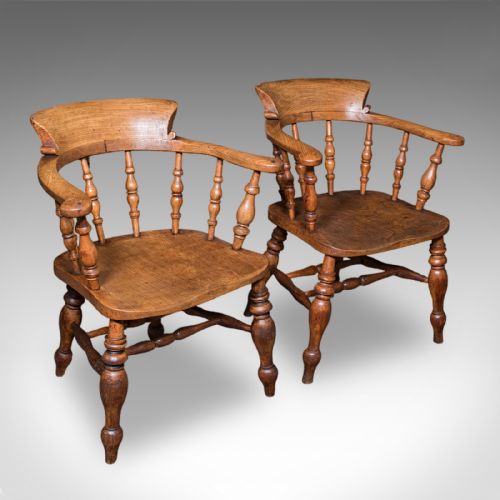
Buyers encounter sturdy writing tables, elm and fruitwood side tables, and fitted bureaux made for country living. The selection includes Windsor armchairs and writing surfaces produced from local timbers.
Examples span from George II lowboys to Edwardian smoker's bows and Victorian post boxes. Each form reflects the changing requirements of writing and correspondence in large households.
Materials and Construction
Cabinet makers utilised domestic hardwoods including oak, elm, yew, ash, and mahogany, selecting timber for strength and local availability. Solid construction methods ensure these desks and seating pieces survive centuries of daily service.
Surfaces frequently show original painted finishes, natural wax patination, or polished wood grains. Joinery relies on traditional pegging, dovetailing, and turning techniques suited to vernacular and formal workshops.
Materials recorded in current stock include elm, oak, mahogany, ash, yew, and painted wood.
Judging Quality
Quality rests upon the selection of timber and the integrity of the original construction. Finer examples display carefully chosen grain patterns in yew or mahogany, alongside balanced proportions and crisp mouldings.
The degree of original surface survival separates standard items from superior pieces. Unspoiled patination and retained original brass hardware contribute significantly to the standing of an object.
Gillows of Lancaster
The English Country House Desk Glossary
- Bureau
- A sloping desk enclosing pigeonholes and small drawers, often raised upon bracket feet or a stand. This form provides a secure writing surface that folds shut when not in use.
- Lowboy
- A small side table with drawers, typically dating from the eighteenth century. These versatile pieces frequently served as dressing tables or writing desks.
- Windsor Chair
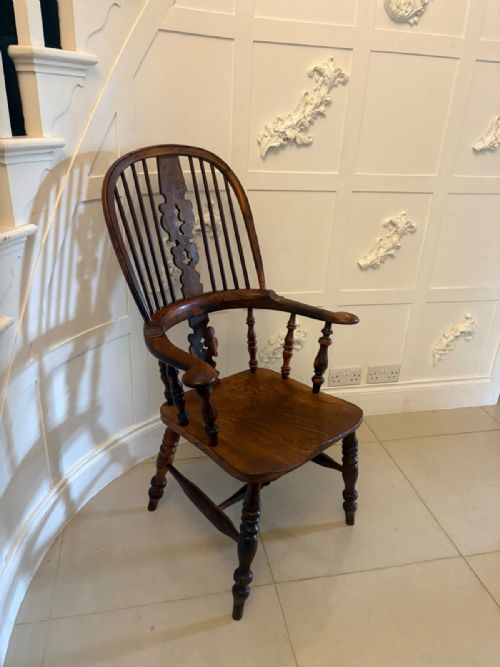
- A wooden armchair featuring a saddle-sculpted seat into which the legs and back spindles are wedged. These chairs are commonly fashioned from mixed timbers like yew, elm, and ash.
- Smoker's Bow
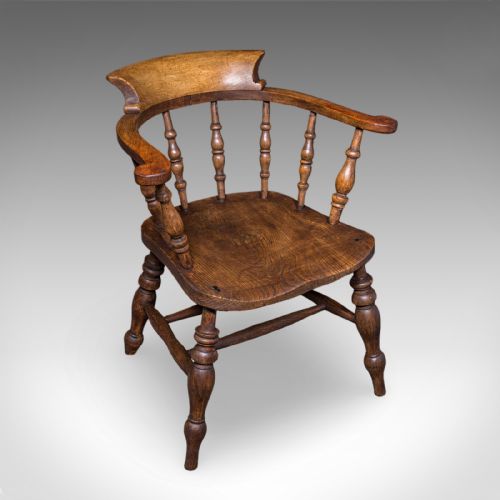
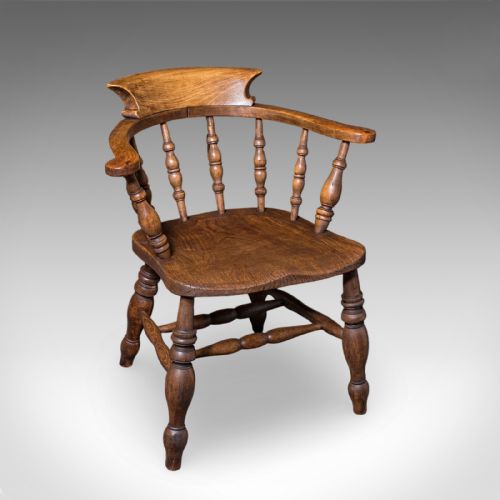
- A low-backed Windsor elbow chair designed for comfort in smoking rooms and studies. They utilise sturdy turned spindles and a rounded arm rail.
- Patina
- The surface sheen and colour developed by wood through age, handling, and waxing. It serves as an indicator of authenticity and historical care.
English Country House Desk: Frequently Asked Questions
What defines an English country house desk?
These pieces are practical wooden writing furniture built from domestic timbers like oak, elm, and mahogany. They combine utility with regional craftsmanship suited to rural estates.
Buyers find writing tables, bureaux, and side tables spanning the Georgian and Victorian periods. Their design prioritises daily function over elaborate ornamentation.
How do I date an antique bureau?
Dating relies upon examining construction methods, drawer dovetailing, and timber choices. Earlier eighteenth-century examples often feature solid board construction and simpler internal layouts.
Victorian and Edwardian versions display machine-sawn elements and different brass hardware styles. Comparing these details against known periods clarifies the timeline.
Where were these writing pieces used?
Such desks and tables stood in estate libraries, morning rooms, and bedrooms for managing correspondence and household accounts. They were central to the daily administration of large properties.
Companion seating like Windsor armchairs and smoker's bows accompanied these writing surfaces. Together they formed functional workspaces throughout the house.
How should I care for antique wood?
Maintain these surfaces by applying natural beeswax sparingly and buffing with a soft cloth. Avoid placing them near direct heat sources or strong sunlight.
Preserving the original finish protects the underlying timber and maintains the historical patina. Regular dusting prevents particle buildup on carved and turned details.