




English Country Dresser Base
An English country dresser base is a robust, utilitarian table with integrated storage, sought after for bringing authentic rural character and practical surface area into modern kitchens.
English Country Dresser Base
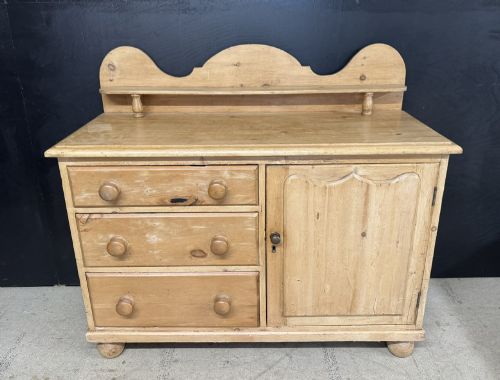
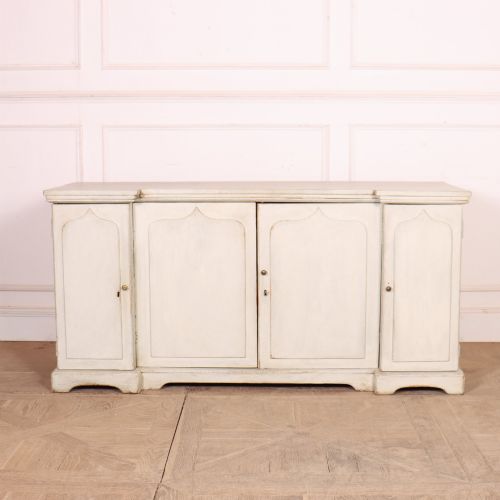
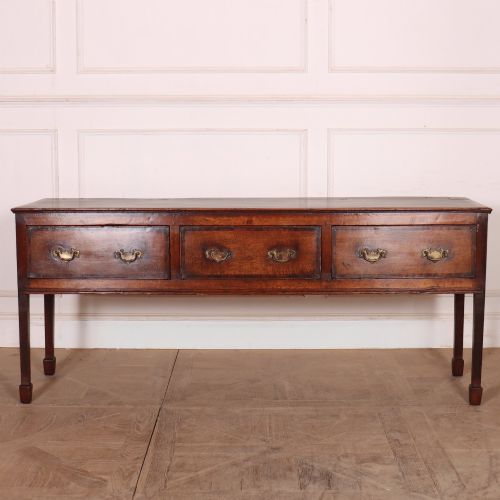
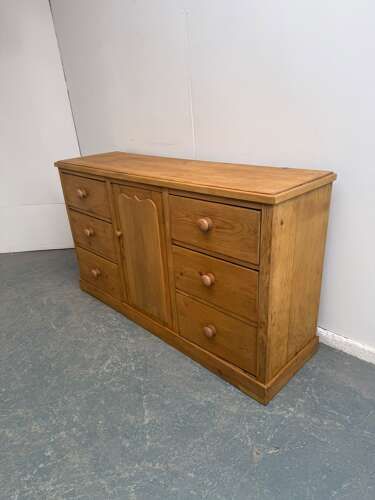
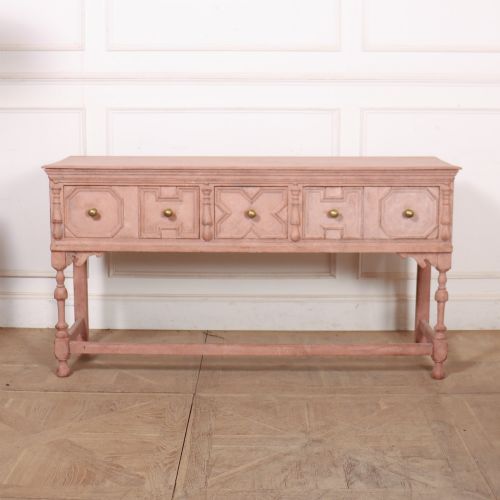
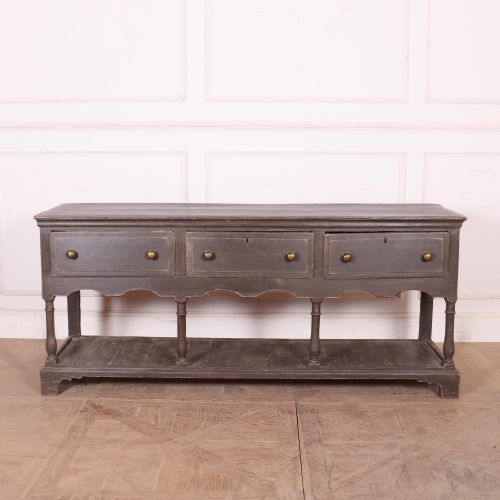
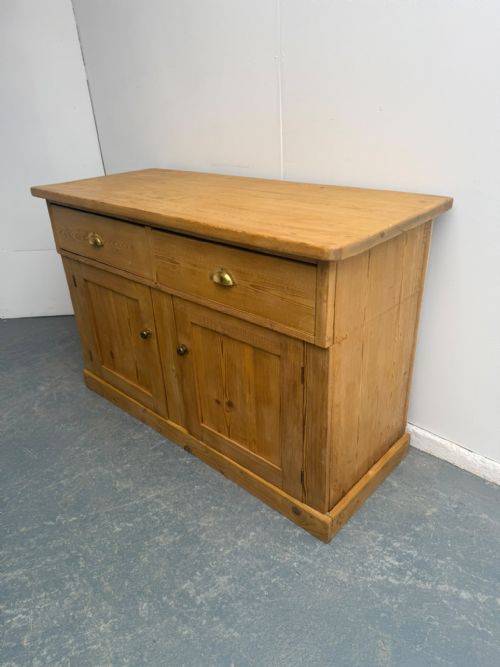
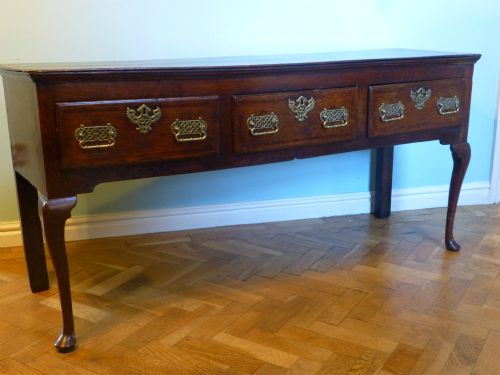
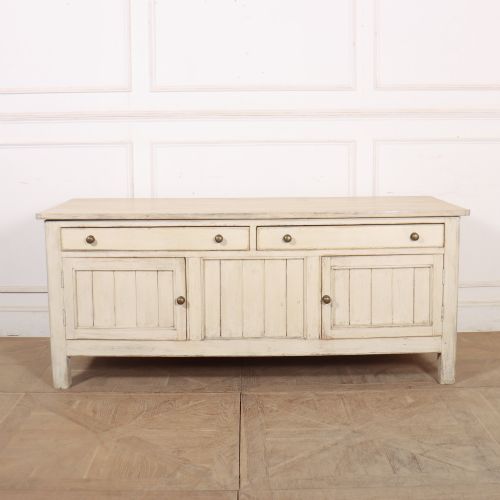
When searching for an English country dresser base, you encounter sturdy utilitarian furniture designed for daily domestic use in rural kitchens and dining spaces. These pieces combine a flat top surface for food preparation or serving with lower storage arrangements such as drawers, cupboards, or open shelves.
The most common examples on this page date from the eighteenth and nineteenth centuries, spanning periods from George III to the Victorian era. Oak and pine predominate among the surviving pieces, reflecting the regional timber resources utilised by local cabinetmakers.
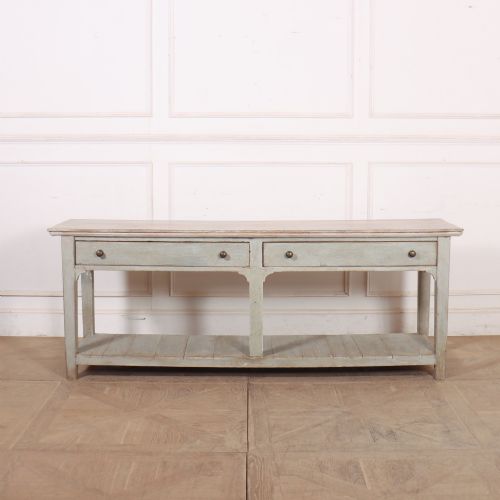
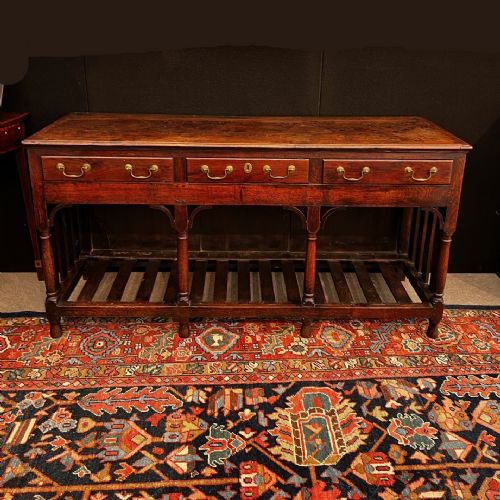
Forms vary from compact two-drawer configurations to long potboard designs with open lower tiers. Many carry traces of historic paint or retain the waxed patina of prolonged domestic service.
Distinguishing quality and integrity
Quality in these rural items rests on the integrity of the original timber and the degree of survival of historic surfaces, such as early paint or waxed patination. Pieces retaining their original brass handles, structural boards, and uncompromised legs command greater attention.
Proportion and balance also separate standard examples from finer country house commissions, where cabinetmakers applied more refined mouldings or integrated cabriole legs.
English Country Dresser Base Retail Price Guide 2026
Typical asking prices for english country dresser base among the pieces listed under this phrase on Sellingantiques today, from the lower quarter to the upper quarter. They describe what is for sale here now, not the wider market.
Several pieces include integrated wine racks, proving that past generations valued easy access to the bottle just as much as we do.
The English Country Dresser Base Glossary
- Potboard
- An open lower shelf fitted beneath the main counter of a dresser base, traditionally used for storing pots and pans. This platform sits close to the floor on sturdy stretchers.
- Breakfront
- A cabinet or dresser front where the central section projects forward past the flanking cupboards or drawers. This design adds architectural depth to larger serving tables.
- Chiffonier
- A compact sideboard or low cabinet equipped with drawers and lower doors, frequently found in Edwardian iterations. It offers scaled-down storage for smaller rooms.
- Elm
- A tough, interlocking native timber utilised alongside oak for country furniture framing and seats due to its resistance to splitting. It brings distinct grain patterns to regional pieces.
- Patina
- The deep surface sheen and wear accumulated on wood and paint over centuries of handling and cleaning. This gradual change marks genuine age and use.
English Country Dresser Base: Frequently Asked Questions
How do I care for a waxed pine base?
Maintain waxed pine surfaces by applying a natural beeswax polish sparingly and buffing with a soft cloth to preserve the finish against moisture.
Avoid placing these pieces near direct heat sources to prevent the historic softwood timber from drying out or splitting.
Are painted finishes original?
Many eighteenth and nineteenth-century pieces carry historic paint layers applied during subsequent decades of domestic use rather than the original factory coat.
Examine the edges and undersides to identify multiple historic coats, which contribute significantly to the visual character of country furniture.
How do I tell oak from pine?
Oak is a heavy, dense hardwood featuring distinct visible grain patterns and medullary rays, whereas pine is a lighter softwood with a softer texture.
Over centuries, oak tends to darken into a rich brown hue, while pine frequently accepts painted finishes or develops a warm amber wax tone.