
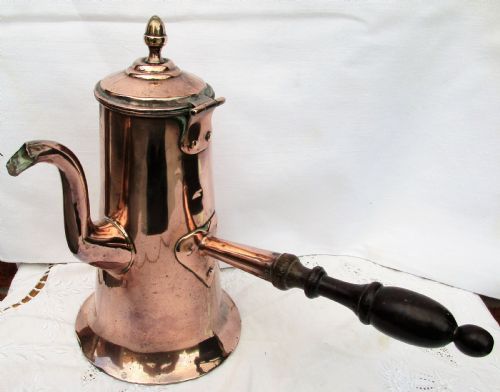


English Copper Pot
An English copper pot carries the warmth of centuries of hearth use, offering enduring craft in heavy metal.
English Copper Pot
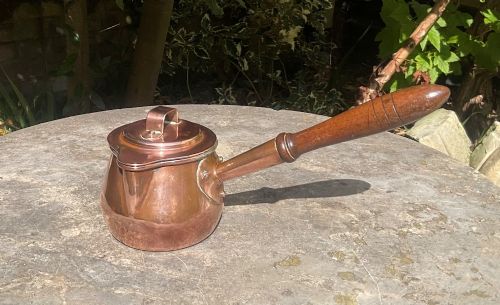
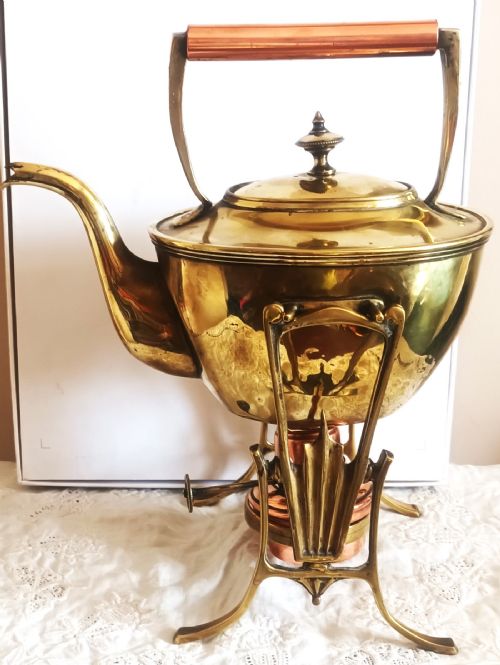
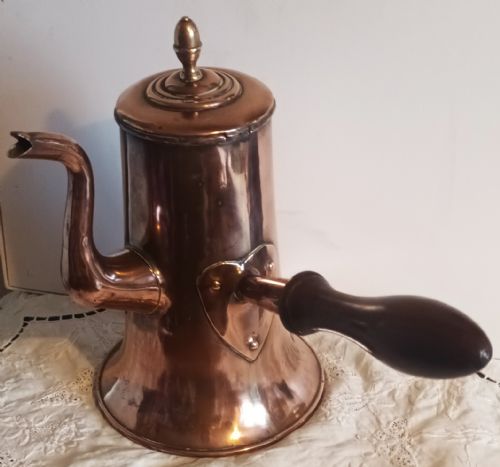
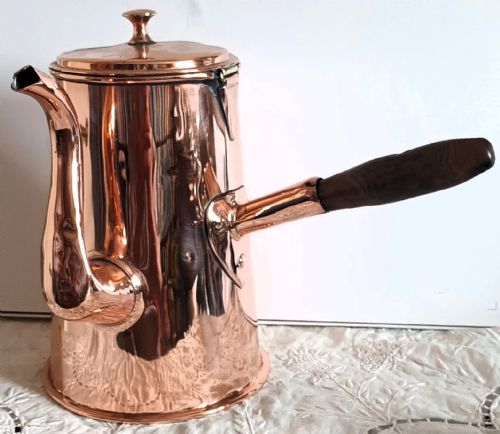
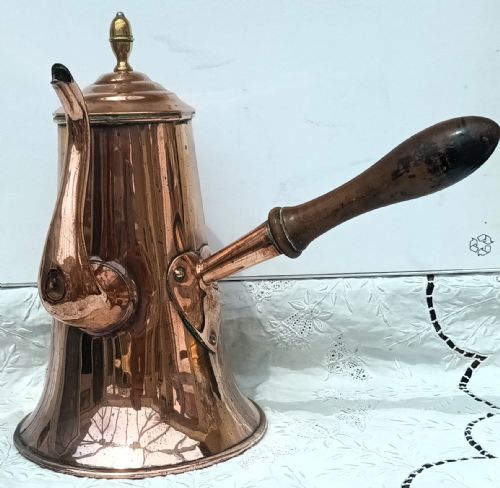
When you search for an english copper pot, you encounter an array of utilitarian vessels spanning the eighteenth and nineteenth centuries. The selection on this page centres heavily on coffee pots, kettles, and cookware, alongside occasional planters and specialised items like cream setting pans.
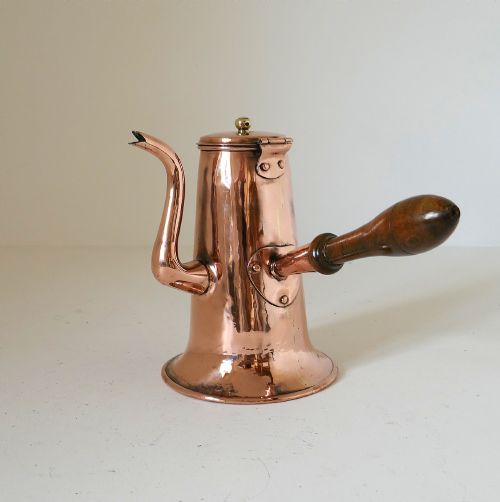
The coffee pots from the Georgian period frequently feature turned side handles in hardwood, designed for practical domestic use over open fires. Alongside these, nineteenth-century kettles and saucepans represent the sturdy kitchenalia of the Victorian era.
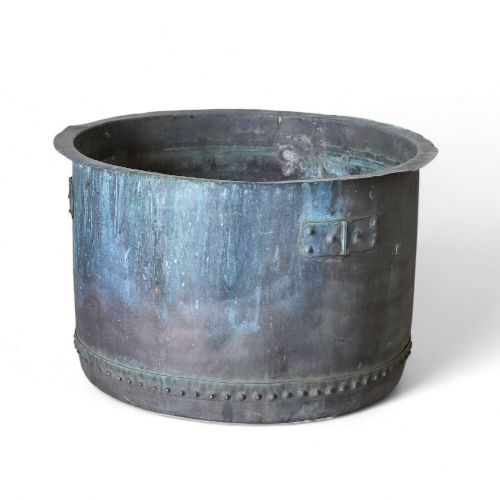
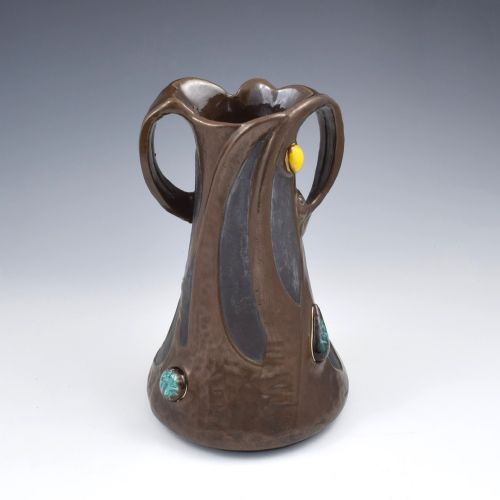
Larger items such as hand-riveted planters appear from the later nineteenth and early twentieth centuries, sometimes incorporating brass fittings or decorative earthenware elements. Each form reflects the changing domestic needs of English households across the periods.
Materials and construction
The primary material across these pieces is copper, frequently shaped by hand-beating and secured with hand-riveted joints. Makers integrated additional materials such as brass, iron, and hardwood for handles and structural reinforcement.
Surviving items often show the tactile evidence of early metalworking techniques, from visible hammer marks to turned wooden grips. Some later pieces also incorporate enamel or glazed ceramic effects to achieve their finished appearance.
The listings span the eighteenth, nineteenth, and early twentieth centuries, featuring copper, brass, wood, and iron.
Distinctions in quality
Quality in these metalware pieces rests upon the integrity of the original construction and the preservation of the surface. Items with robust hand-riveted seams and well-preserved natural patinas stand apart from lesser examples.
The presence of maker details or specialised patents adds distinction, as seen in pieces bearing firm marks. Furthermore, the survival of original turned wooden handles intact on early coffee pots marks out superior pieces.
William Soutter and Sons·Griffiths Patent·Henry Loveridge·Bretby Pottery
The English Copper Pot Glossary
- Kitchenalia
- Domestic utensils and equipment collected for their historical utility and aesthetic appeal. These functional objects formed the backbone of historic British kitchens.
- Patina
- The surface sheen and colour acquired by metal through age, handling, and oxidation. This natural ageing process distinguishes genuine antique copper from modern reproductions.
- Planter
- A large vessel designed to hold growing plants, often styled with riveted seams. In copper, these items frequently double as decorative cachepots.
- Spirit kettle
- A water kettle mounted upon a metal stand featuring a small spirit burner underneath. They were utilised for heating water at the tea table.
English Copper Pot: Frequently Asked Questions
How do I clean an old copper pot?
Historic metalware retains much of its character through a gentle accumulation of age and handling. Harsh chemical cleaning strips away the natural patina that collectors value.
Light dusting and occasional soft wiping suffice for maintenance. Preservation of the original surface texture takes priority over achieving a bright shine.
Were these pots used for cooking?
The pieces listed span heavy utilitarian cookware alongside decorative domestic items. Many early examples served daily functions over open hearths and coal ranges.
Over the centuries, methods of food preparation shifted, turning former kitchen workhorses into decorative objects. Today, these vessels find homes primarily as display pieces.
How can I date an antique copper pot?
Dating relies upon observing manufacturing techniques, handle styles, and material combinations. Hand-beating marks and turned wooden side handles frequently point to eighteenth-century Georgian origins.
Later Victorian pieces often introduce patent marks, machine rolling, or different alloy combinations. Comparing structural details against documented examples helps narrow down the period.
What is a side-handled coffee pot?
Early coffee and chocolate pots frequently positioned the wooden handle at a right angle to the spout. This configuration allowed the user to steady the vessel safely while pouring hot liquids.
Such designs were typical of the Georgian era before top-handle arrangements became dominant. The turned hardwood protected the hand from the heat of the metal body.