



English Ceramic Tureen
When you search for an english ceramic tureen, you enter a world of heavy earthenware, delicate porcelain, and dense ironstone designed for the dining table.
English Ceramic Tureen
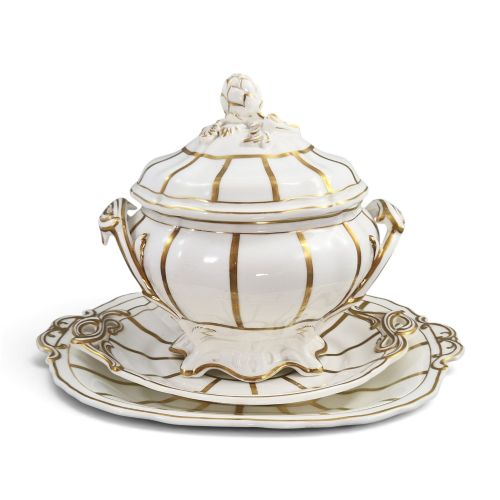
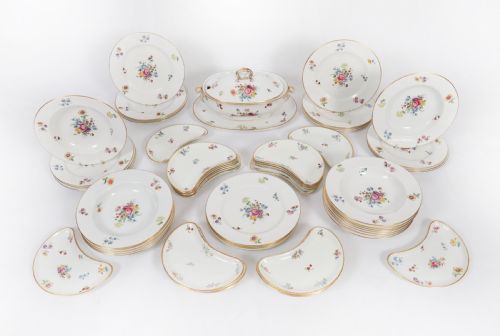
An english ceramic tureen encompasses large soup tureens, vegetable servers, and smaller sauce tureens complete with matching covers and stands. These pieces predominantly date from the nineteenth century, spanning the Georgian, Regency, and Victorian periods.
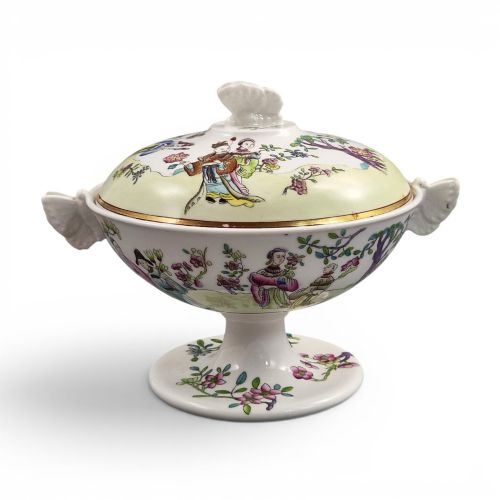
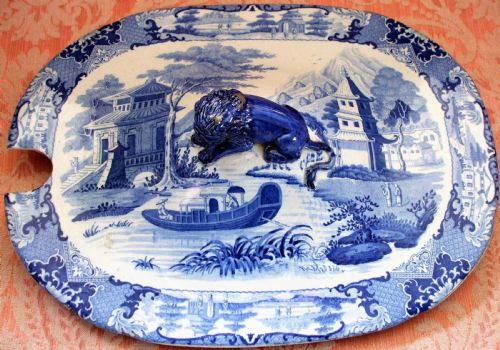
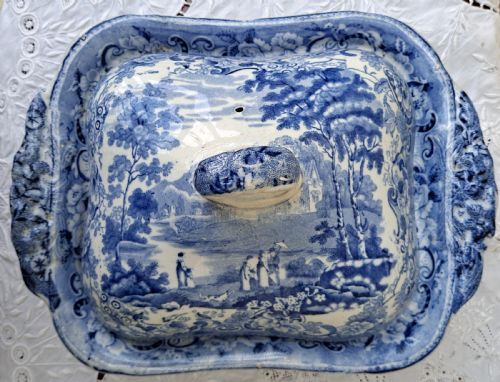
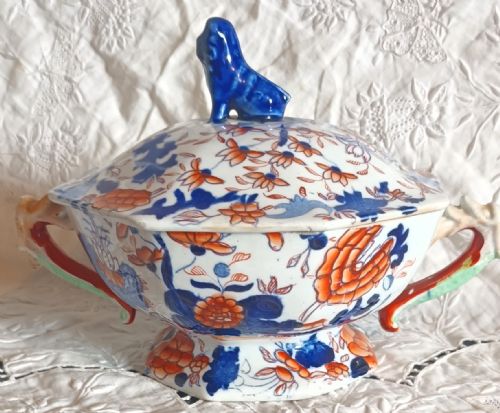
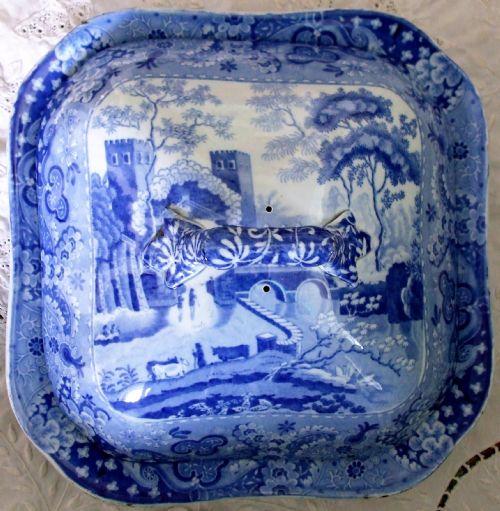
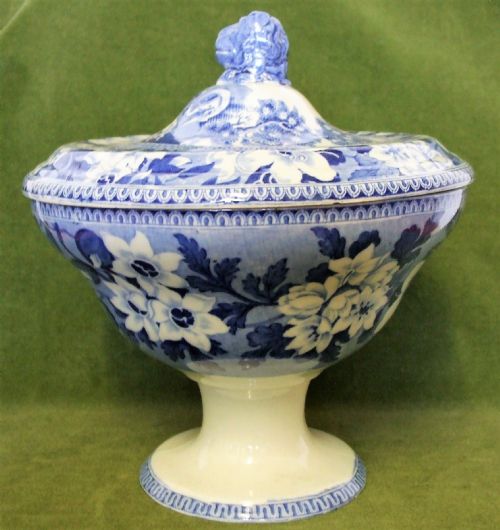
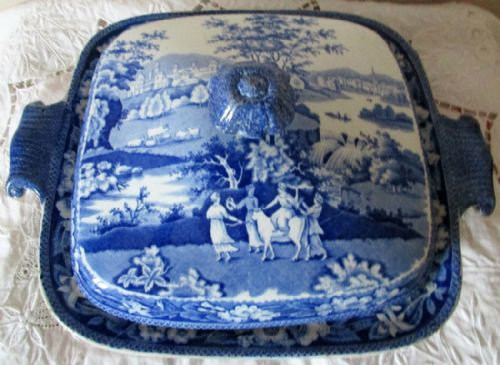
Buyers will frequently encounter blue and white transfer-printed pottery alongside rich ironstone vessels decorated with chinoiserie patterns or floral motifs. The selection ranges from robust kitchen ironstone to refined bone china and creamware meant for formal dining services.
Materials and Technique
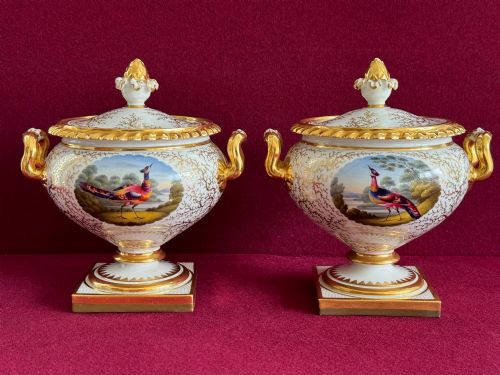
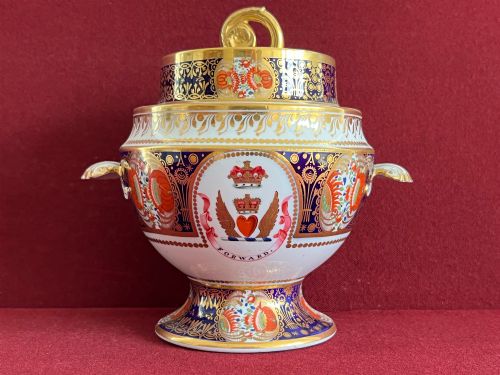
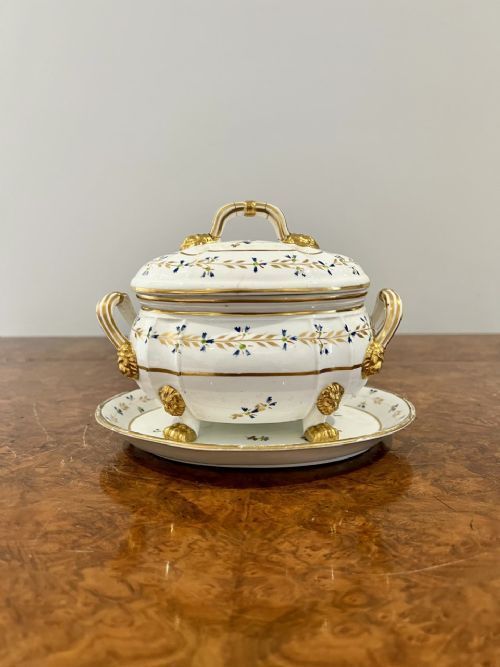
Potters shaped these vessels from earthenware, ironstone, bone china, and porcelain, applying detailed transfer printing or hand-painted enamel designs. Many examples incorporate gilding, gold leaf, and intricate gilt handles to elevate their decorative appeal.
Glaze seals the ceramic body while protecting underlying transfer-printed scenes such as landscape views or botanical studies. Manufacturers fired these pieces at high temperatures to ensure durability for everyday service.
Keep an eye out for whimsical butterfly handles and cabbage-moulded servers that bring eccentric vegetable charm to the dining table.
Design and Execution
Quality rests in the crispness of the transfer printing, the delicacy of the moulding on handles and feet, and the precision of the hand-applied enamel colours. Superior pieces exhibit balanced proportions, well-defined crests or patterns, and cleanly finished interiors.
The complexity of the ceramic body also dictates the tier of the piece, moving from standard earthenware utility vessels up to translucent felspar porcelain and heavy ironstone china.
Davenport·Spode·Mason·Coalport·Crown Derby·Mintons·Wedgwood·Flight Barr and Barr·Copeland and Garrett
The English Ceramic Tureen Glossary
- Ironstone
- A dense, durable type of earthenware patented to resist chipping and heavy use. It provided a sturdy canvas for colourful japanned designs.
- Transfer printing
- A method of applying detailed decorative patterns to ceramic surfaces using a copperplate and tissue paper. This technique enabled uniform production of intricate landscape scenes.
- Creamware
- A refined, pale yellow earthenware perfected by Staffordshire potters. It offers a smooth surface suited for botanical painting and transfer work.
- Bone china
- A hard, white ceramic paste containing animal bone ash for added strength and translucency. It represents the height of refined English tablewares.
- Sauce tureen
- A diminutive vessel specifically designed to hold gravies or sauces at the table. These often include an attached or separate matching stand.
English Ceramic Tureen: Frequently Asked Questions
What is an english ceramic tureen used for?
These vessels served soups, vegetables, gravies, and sauces during formal nineteenth-century dining. They kept food warm at the table while acting as decorative centrepieces for the dinner service.
Larger covered bowls accommodated soups or root vegetables, whereas smaller sauce tureens held liquid accompaniments. Matching stands caught drips and protected fine dining tables.
How do I date an english ceramic tureen?
Dating relies on maker marks, ceramic bodies, and decorative styles recorded in the pottery history. Ironstone and heavy transfer-printed pieces typically point to the nineteenth century, while finer soft-paste porcelains often signal earlier Georgian eras.
Backstamps stamped or printed underneath give direct clues to the pottery and active years of production. Stylistic shifts from neoclassical Regency lines to ornate Victorian revivalism further narrow the decade.
Can I use my tureen for serving food?
Antique ceramics function well for dry service, though older glazes and ironstone bodies require gentle hand washing. Sudden temperature changes can stress aged earthenware and crack the historic glaze.
Displaying the tureen on a sideboard or table preserves the delicate handles and hand-painted enamels. Avoiding dishwashers and harsh detergents keeps the gold leaf and transfer prints intact.
What is the difference between ironstone and porcelain?
Ironstone is a heavy, opaque earthenware developed for strength and resilience during everyday dining. It feels dense and thick in the hand.
Porcelain and bone china offer a thinner, lighter body with translucent qualities when held to the light. These refined ceramic bodies suited wealthy dining rooms and intricate enamel painting.