



English Ceramic Statue
When you search for an english ceramic statue, you are looking at figures and busts shaped from earthenware, porcelain, and bone china across several centuries of domestic production.
English Ceramic Statue
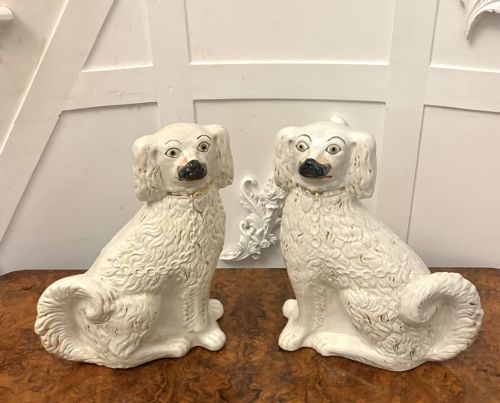
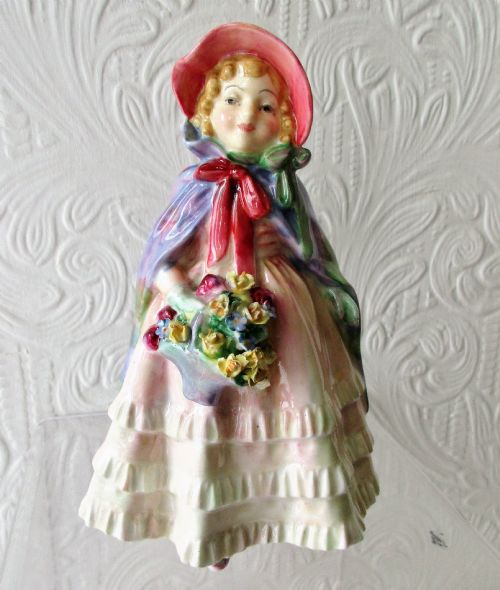
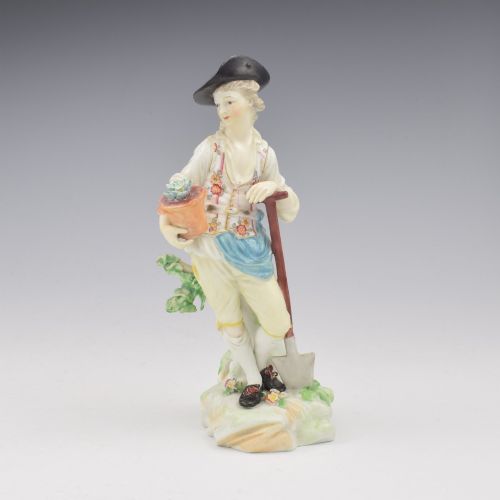
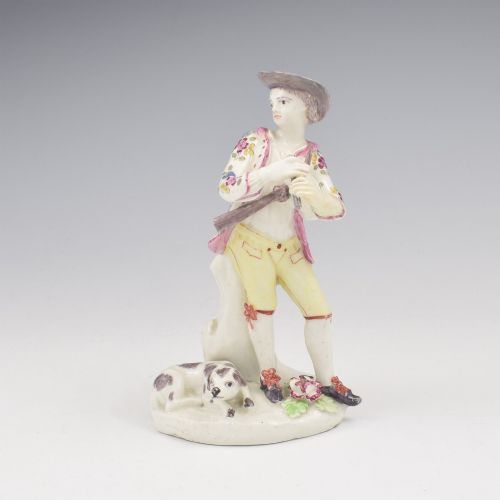
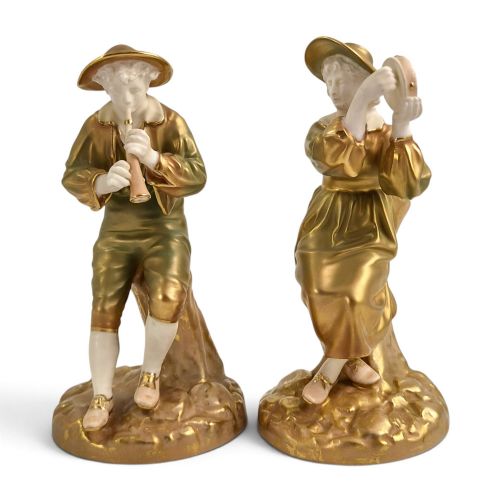
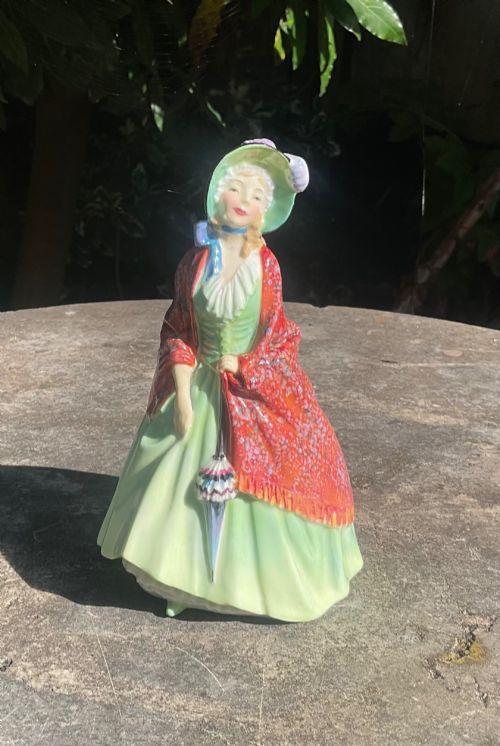
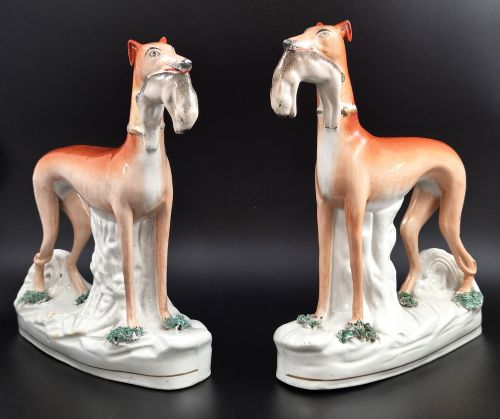
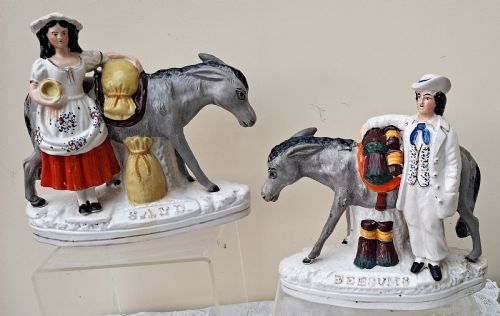
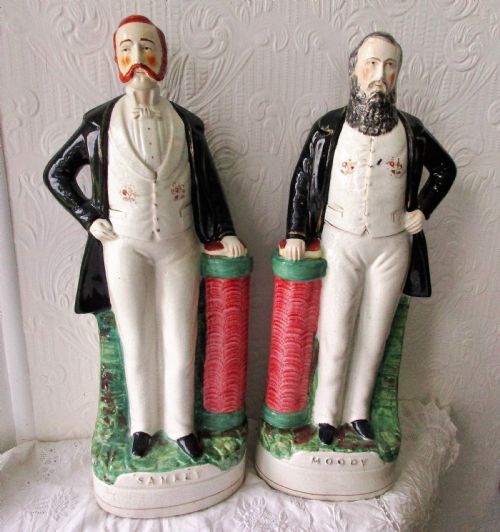
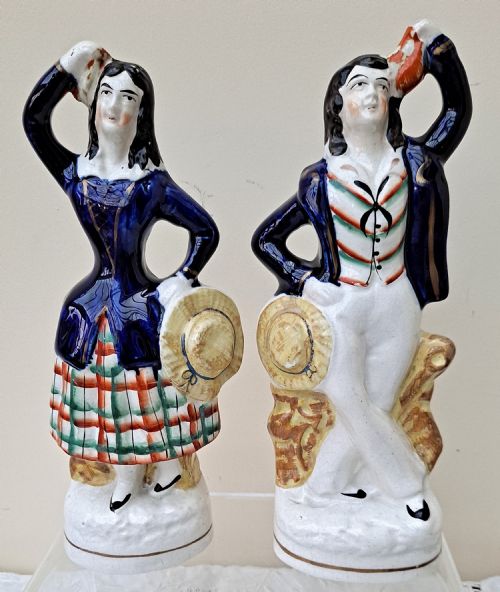
An english ceramic statue covers a wide range of decorative objects, from eighteenth-century soft-paste porcelain figures of shepherds and classical allegories produced by Bow and Derby to nineteenth-century Staffordshire earthenware dogs, lions, and theatrical portraits. Buyers frequently encounter Victorian Staffordshire mantel ornaments alongside later bone china and porcelain models from Royal Doulton and Royal Worcester.
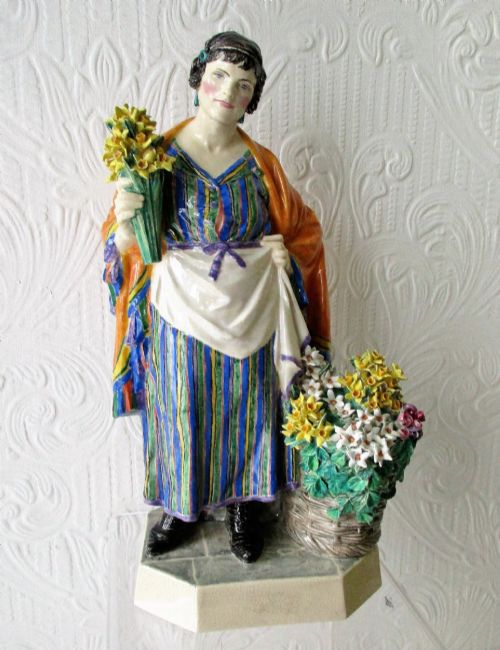
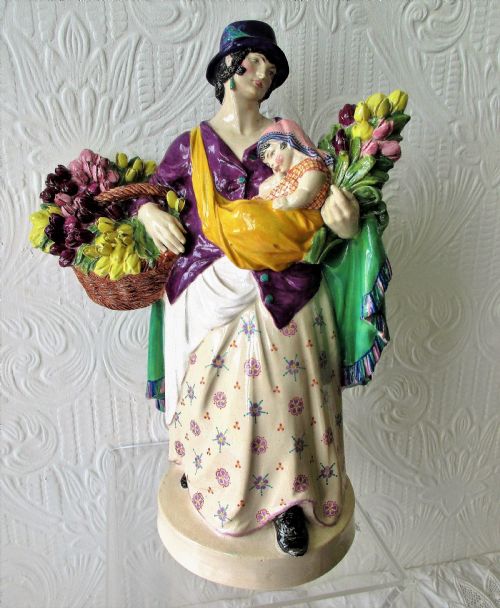
The selection includes pairs of animals such as greyhounds, poodles, and Maltese terriers, alongside human subjects ranging from literary characters to historical figures like Louis Napoleon. Studio pottery figures from the early twentieth century by makers such as Charles Vyse also appear, depicting London street vendors and flower sellers.
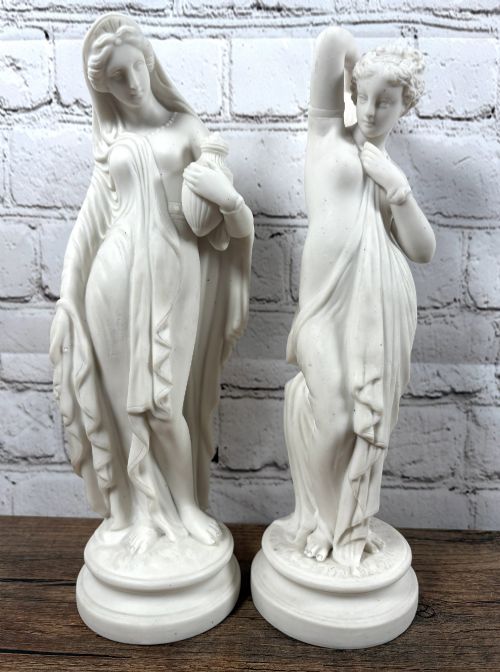
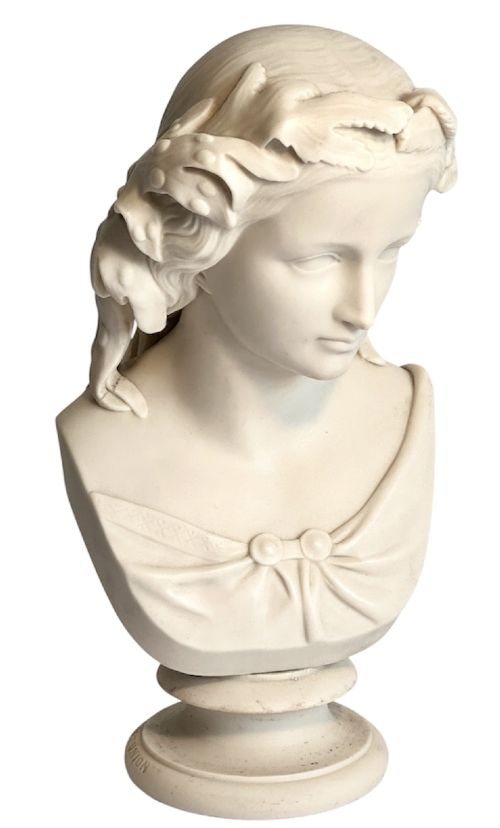
Forms span small shelf figurines, classical busts in parian ware, and paired mantle pieces designed to sit symmetrically. The materials shift from early lead-glazed earthenwares and soft-paste porcelains to harder bone china and sculpted parian bodies in later decades.
How they were made
Potters shaped these figures using plaster moulds or by hand-modelling clay and soft-paste porcelain bodies, depending on the period and the factory. Once formed, pieces received underglaze or overglaze enamel painting, sometimes enhanced with gilt or gold leaf before final firing in a kiln.
Specialised bodies like Parian ware emerged in the nineteenth century, using an unglazed porcelain mixture that fired to resemble carved marble. Earthenware figures, particularly those from Staffordshire potteries, relied on fluid lead glazes over creamware or pearlware bodies to achieve their bright surface shine.
English Ceramic Statue Retail Price Guide 2026
Typical asking prices for english ceramic statue among the pieces listed under this phrase on Sellingantiques today, from the lower quarter to the upper quarter. They describe what is for sale here now, not the wider market.
Staffordshire poodles with pups wear tiny chips of ceramic clay stuck to their coats to simulate curly fur.
What varies in quality
Quality in an english ceramic statue rests primarily on the crispness of the moulding and the skill of the hand-painting. Early pieces from Bow and Derby show delicate modelling and careful enamel work, whereas mass-produced nineteenth-century figures can exhibit simpler brushwork and softer mould lines.
Bow Porcelain·Derby Porcelain·Royal Worcester·Royal Doulton·Charles Vyse·Copeland
The English Ceramic Statue Glossary
- Bone china
- A type of porcelain containing bone ash, developed in England to create a strong, white, translucent body. It allows for thinner walls and finer detail in figurine modelling.
- Parian ware
- A fine-grained, unglazed white porcelain introduced in the nineteenth century, specifically designed to imitate carved marble for classical busts and figures.
- Pearlware
- An refined earthenware developed by Josiah Wedgwood in the late eighteenth century, featuring a bluish glaze that pooled in recesses to make the body appear whiter.
- Soft-paste porcelain
- An artificial porcelain mixture fired at lower temperatures than hard-paste, common in eighteenth-century English factories like Bow and Derby.
- Enamel
- Vitreous coloured paints applied over or under the glaze on ceramic figures, then fired at a lower temperature to fix the pigments.
English Ceramic Statue: Frequently Asked Questions
What is the difference between earthenware and porcelain?
Earthenware is made from porous clay fired at lower temperatures, resulting in an opaque body that requires a glaze to be waterproof. It is typically heavier and thicker in construction.
Porcelain is fired at much higher temperatures, producing a dense, vitrified body that is often translucent and rings when tapped. Bone china is a specific type of porcelain incorporating bone ash for added strength.
How can I tell an eighteenth-century figure from a Victorian one?
Eighteenth-century figures, such as those from Bow or Derby, often feature soft-paste bodies with dry unglazed bases, patch marks from kiln furniture, and hand-modelled details. They tend to depict classical, pastoral, or allegorical subjects.
Victorian pieces, particularly Staffordshire pottery, usually employ earthenware with bright lead glazes, moulded construction, and subject matter ranging from domestic animals to contemporary political figures and theatrical characters.
Where were Staffordshire figures displayed?
Staffordshire pottery figures and dogs were traditionally made as inexpensive mantelpiece ornaments for working-class and middle-class homes. They were usually displayed in pairs on cottage mantelpieces or shelf backs.
Because they were viewed from the front, many figures were painted primarily on the visible side with plainer backs. They brought colour and domestic warmth to nineteenth-century parlours.