
English Cabinet Porcelain
English cabinet porcelain gathers the finest plates, cups and dishes produced by historic factories to be displayed rather than dined from.
English Cabinet Porcelain
When you search for english cabinet porcelain, you encounter specialised ceramics designed for visual appreciation in drawing rooms rather than everyday use at the dining table. The selection spans several centuries, encompassing Georgian, Regency and Victorian periods up through Edwardian and later twentieth century examples.
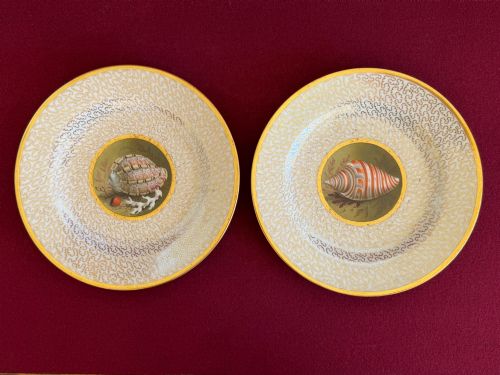
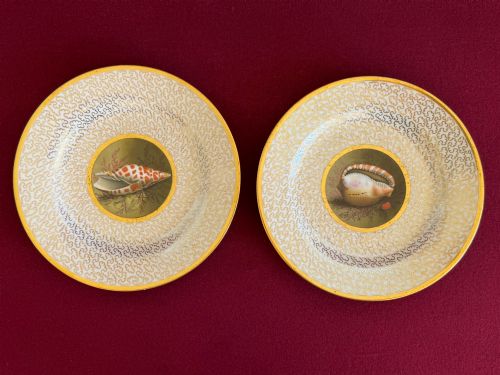
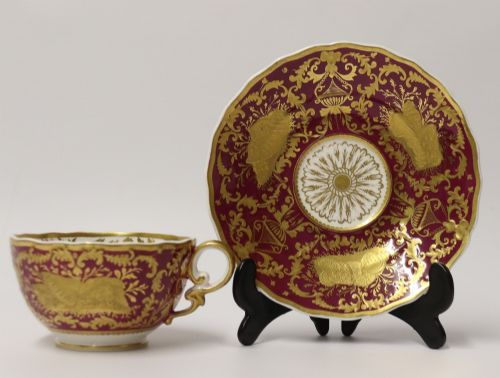
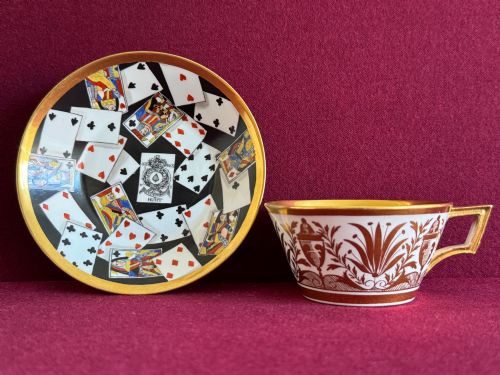
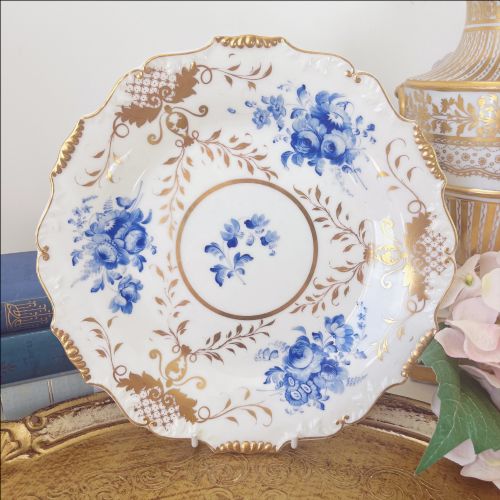
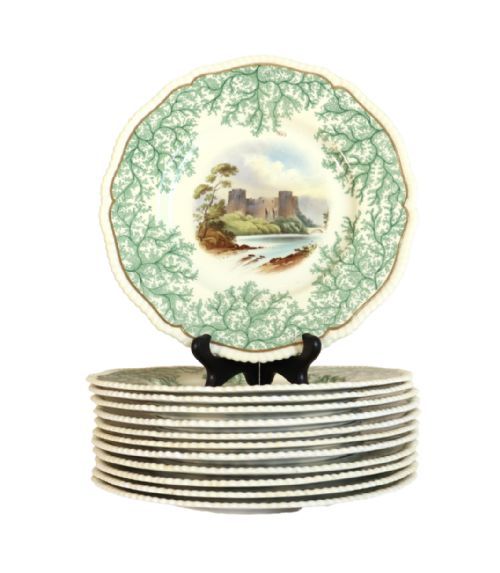
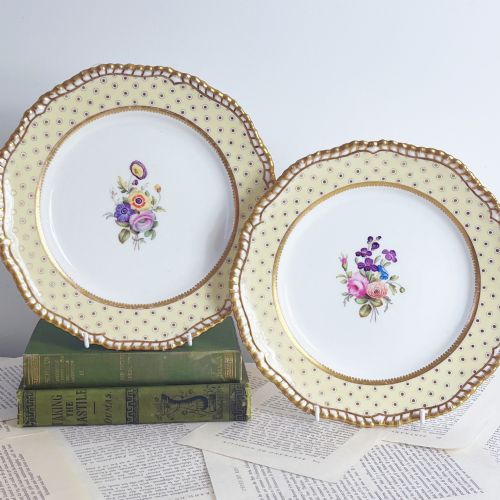
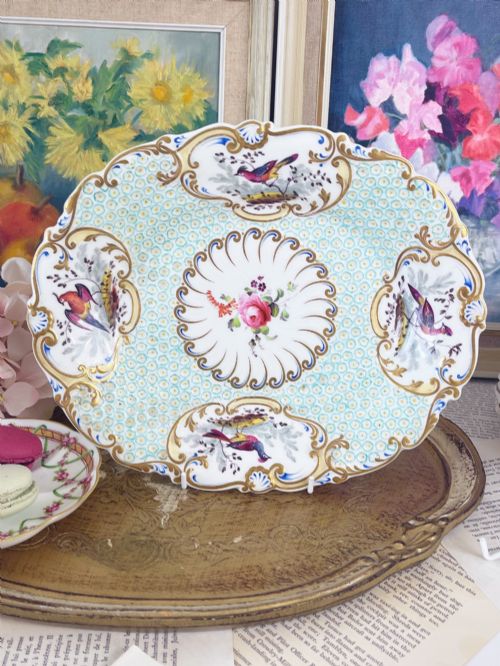
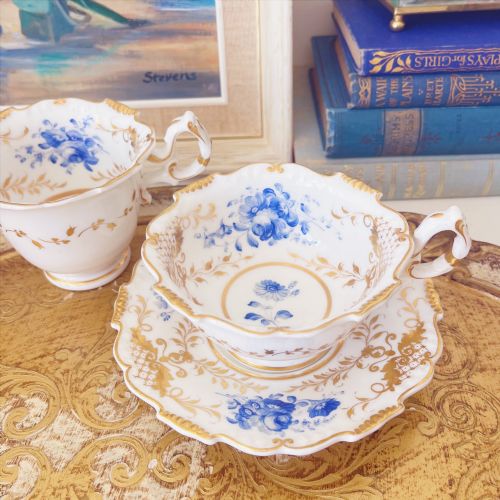
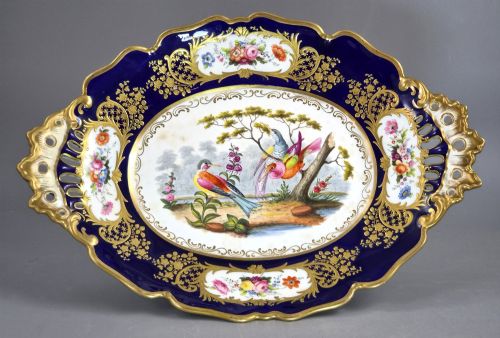
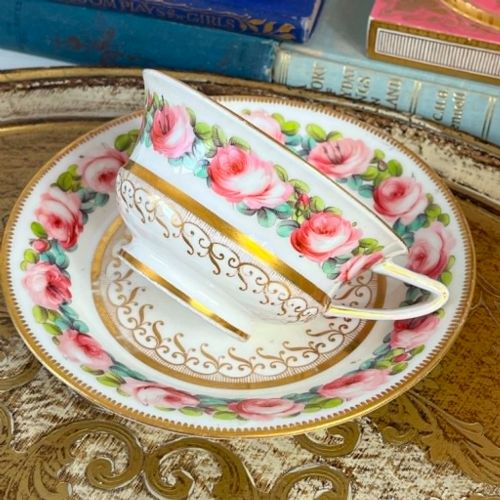
Most pieces on this page take the form of cabinet plates, dessert plates, dishes, and cup and saucer trios or duos. These items were often commissioned as part of bespoke services or produced individually by master painters to demonstrate the technical capabilities of a given pottery.
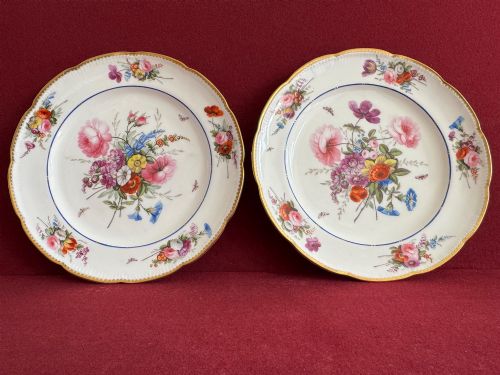
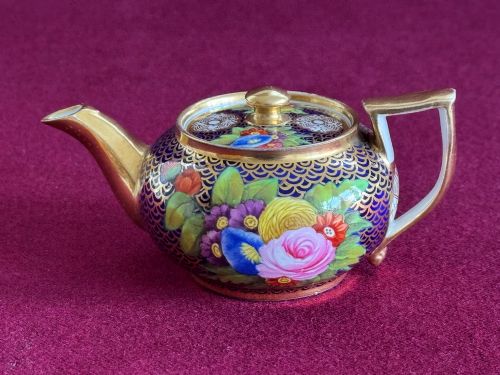
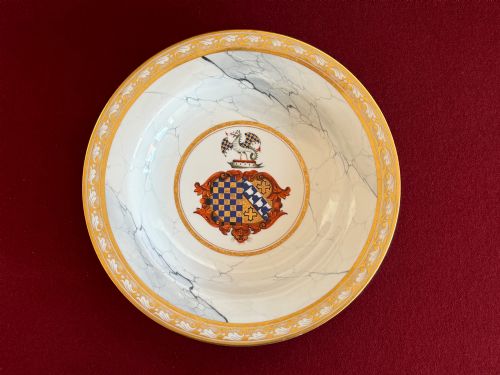
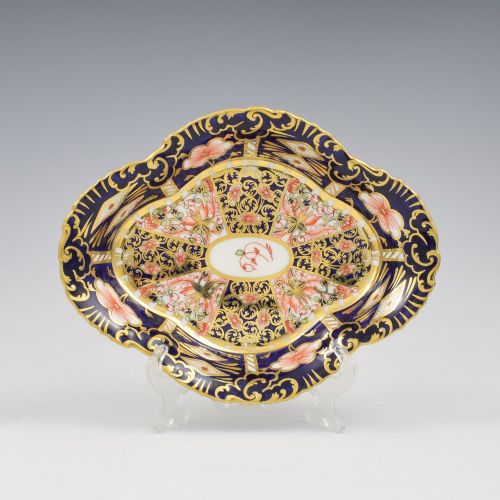
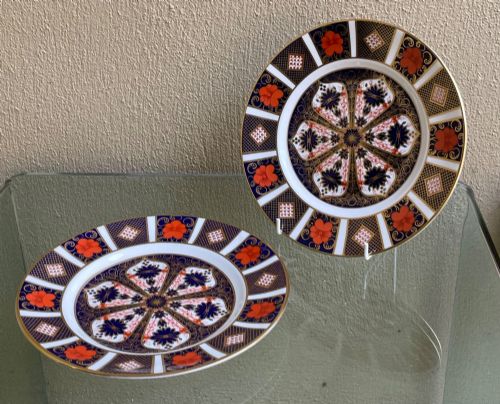
The aesthetic vocabulary stretches from botanical studies and handpainted fancy birds to armorial crests and Japanese inspired motifs. Collectors look for pieces that survive in crisp, unblemished condition because their primary function was display from the start.
Materials and Techniques
Potteries utilised bone china, soft-paste porcelain and earthenware as the foundational bodies for these decorative items. Manufacturers such as Spode and Wedgwood developed specific formulations like stone china or felspar porcelain to achieve high levels of whiteness and translucency.
Decoration relied heavily on meticulous handpainting executed by named artists who rendered botanical specimens, birds, and fruit with botanical accuracy. Artisans applied gilding, gold leaf, and enamel accents by hand before firing the ceramics in kilns to fix the metallic and coloured pigments.
Materials recorded across the inventory include bone china, soft-paste porcelain, earthenware, and applied gold leaf.
Judging Quality and Execution
The distinction between ordinary tableware and top tier examples rests on the identity of the artist and the precision of the handpainted details. Signed work by known painters like Richard Sebright or Albert Shuck elevates a plate far above standard factory output.
Quality also manifests in the crispness of the moulding, the richness of the gilding, and the complexity of the subject matter such as named botanical views or detailed ornithological studies. Provenance connected to distinguished families or prominent retailers adds another layer of distinction.
Royal Worcester·Royal Crown Derby·Spode·Coalport·Wedgwood·Royal Doulton·H & R Daniel·Minton·Aynsley·Copeland
The English Cabinet Porcelain Glossary
- Cabinet plate
- A decorative ceramic plate intended strictly for display in a cabinet or on a wall rather than for serving food. These pieces typically display elaborate handpainting, gilding, or armorial crests.
- Trio
- A matching set comprising a teacup, a coffee cup and a saucer. Such sets were popular in the early nineteenth century across Regency and Georgian periods.
- Bone china
- A type of soft-paste porcelain incorporating bone ash, which yields a strong, milky white body capable of holding delicate painted details.
- Imari style
- A decorative scheme inspired by Japanese export wares featuring a palette of iron red, cobalt blue, and gilding. English factories frequently adopted this aesthetic during the Georgian and Victorian eras.
- Armorial
- A ceramic decorated with a family crest, coat of arms, or heraldic device. These were usually bespoke commissions for landed gentry and noble families.
English Cabinet Porcelain: Frequently Asked Questions
Were these plates ever used for dining?
Cabinet porcelain was made primarily for display in drawing rooms, cabinets, or on specialised wall mountings. Their intricate handpainted surfaces and delicate gilding meant they were kept away from everyday dining use.
While some dessert and dinner plates formed part of larger aristocratic services, the finest examples served purely as decorative objects to showcase wealth and taste.
How do I identify the maker?
Makers are usually identified through factory marks stamped, painted, or impressed onto the unglazed underside of the porcelain. These marks evolved over time and help narrow down the production era.
In addition to factory marks, specific pattern numbers, handwritten titles of subjects, or artist signatures provide further confirmation of origin.
What is the difference between a trio and a duo?
A trio consists of three matching pieces: a teacup, a coffee cup and a saucer. This configuration was especially common in early nineteenth century English porcelain services.
A duo comprises just two pieces, typically a teacup and a saucer, though sometimes pairing a cup with a small matching plate.
How should I display cabinet plates?
Cabinet plates are best housed in glass fronted display cabinets that protect them from dust and accidental knocks while allowing clear visibility. If mounting them on walls, use purpose built wire hangers lined with protective material to avoid scratching the rim.
Keep porcelain away from direct, harsh sunlight to prevent any fading of the delicate enamel colours and handpainted details over time.