

English Brown Dining Chairs
English brown dining chairs bring together centuries of cabinet-making skill, offering solid timbers and traditional forms for the modern home.
English Brown Dining Chairs
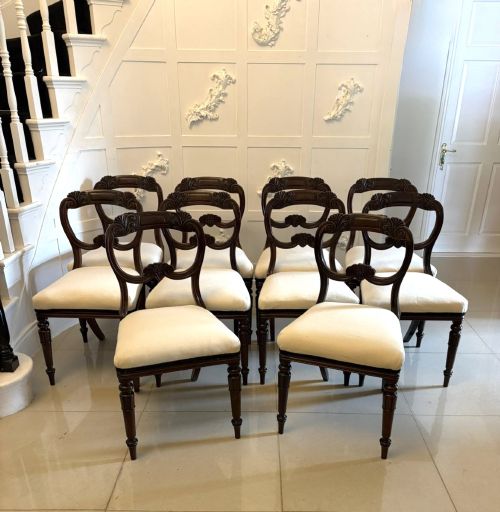
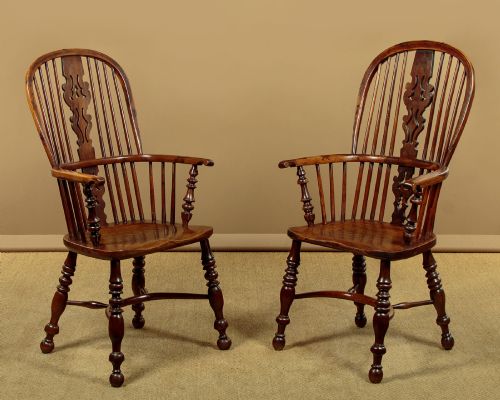
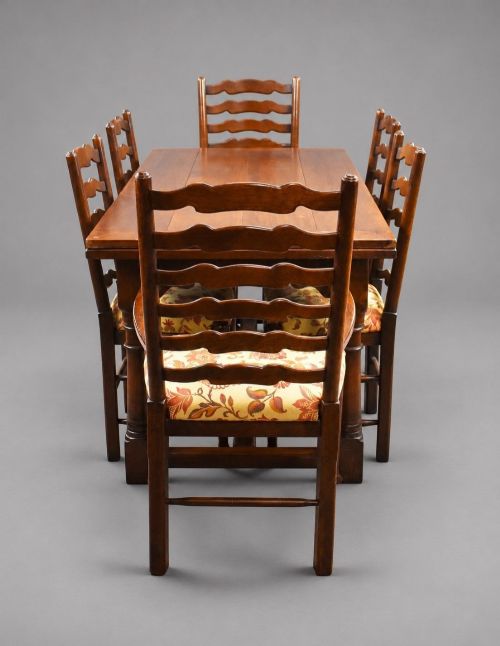
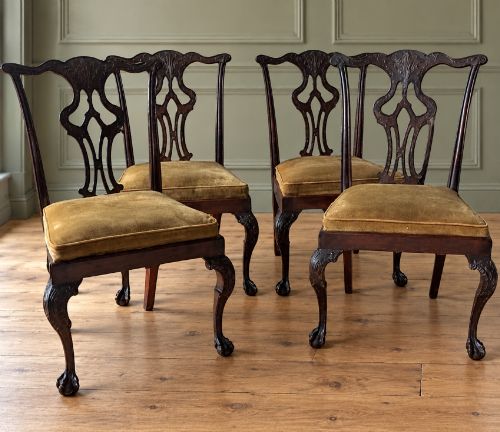
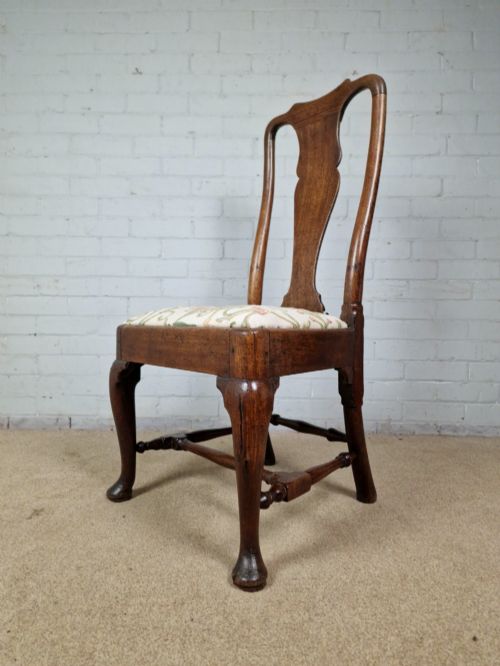
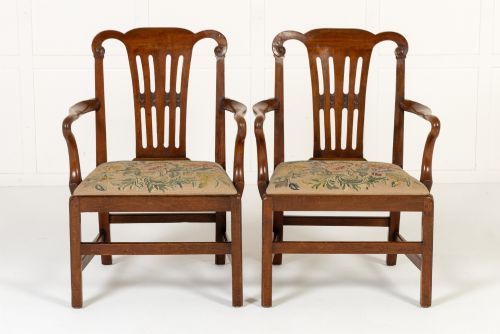
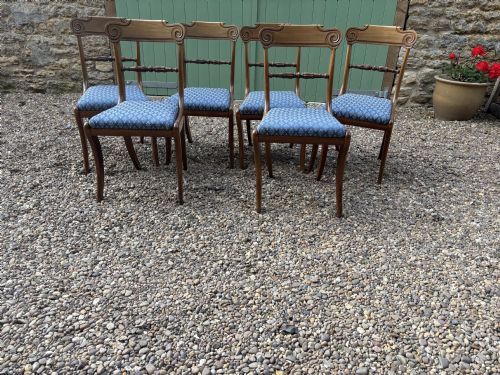
English brown dining chairs encompass a broad spectrum of historical seating, ranging from formal mahogany dining sets to rustic elm and ash country chairs. When searching for english brown dining chairs, buyers encounter everything from Georgian armchairs and Regency sets to Victorian balloon backs and country Windsor chairs.
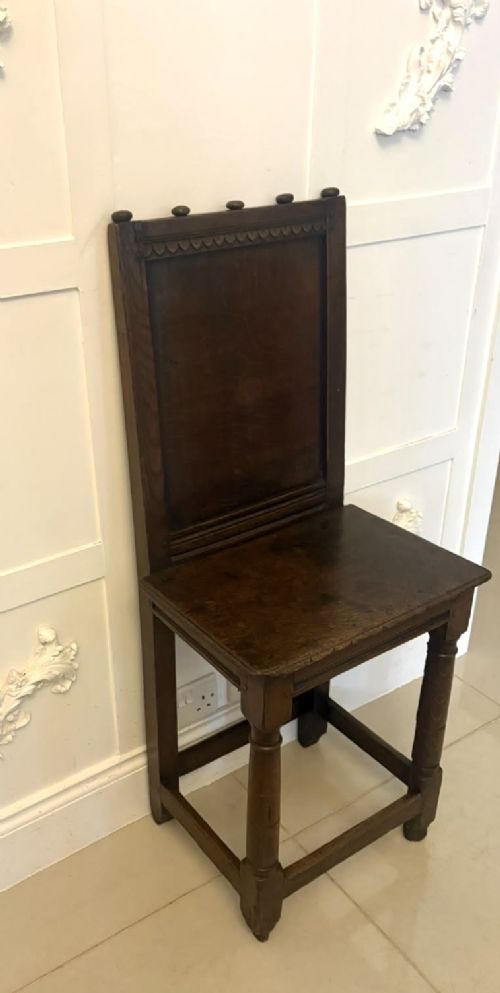
The selections span multiple centuries, taking in 18th-century craftsmanship, Regency elegance, and later 19th-century vernacular designs. Dining chairs, armchairs, side chairs, and hall chairs appear frequently, constructed from durable native and imported hardwoods.
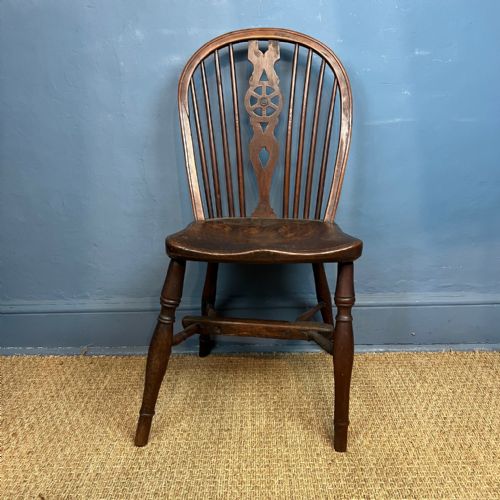
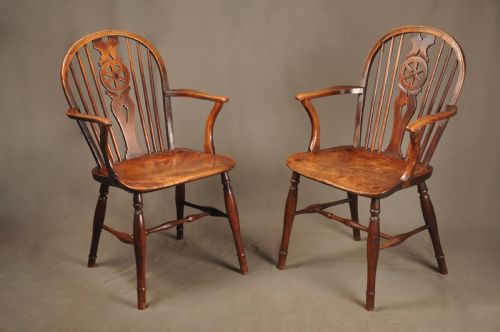
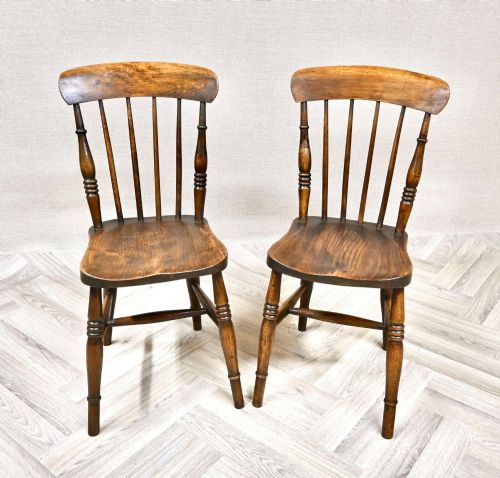
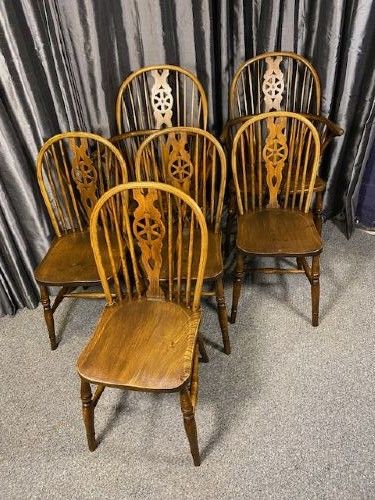
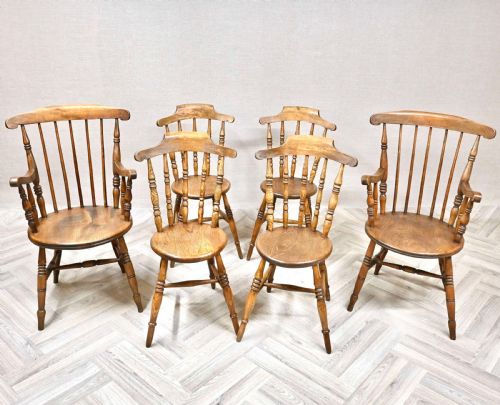
Country vernacular styles such as Windsor hoop and stick backs dominate alongside formal dining suites in mahogany, oak, and walnut. These pieces served dining rooms, libraries, kitchens, and halls across England, reflecting the domestic habits of their respective periods.
How they were made
Makers utilised a variety of native and imported timbers, pairing dense hardwoods like mahogany, walnut, and rosewood for formal styles with robust regional woods like elm, ash, beech, oak, and yew for country seating. Turnery, steam bending, and traditional joinery methods shaped these woods into durable frames.
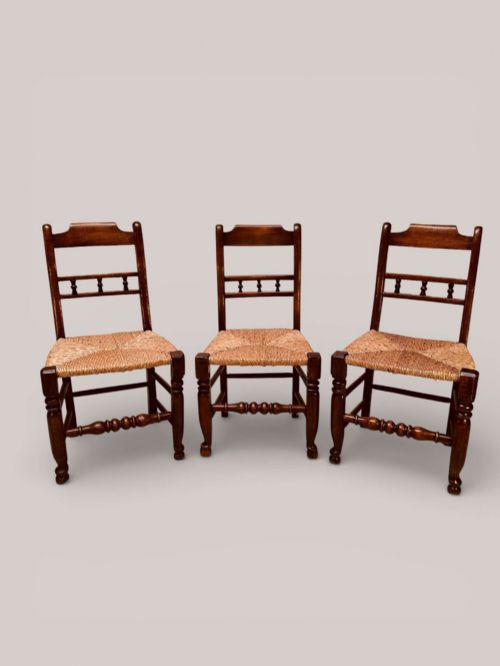
Seats incorporated solid carved timber, woven rush, drop-in pads, or upholstered leather and fabric surfaces depending on the intended room and social status of the piece. Finish was applied through polishing, waxing, and oiling to bring out the natural grain and colour of the brown wood.
English Brown Dining Chairs Retail Price Guide 2026
Typical asking prices for english brown dining chairs among the pieces listed under this phrase on Sellingantiques today, from the lower quarter to the upper quarter. They describe what is for sale here now, not the wider market.
The inventory encompasses formal dining sets alongside rustic kitchen chairs, hall chairs, office desks seats, and occasional armchairs.
What varies in quality
The distinction between tiers of quality often rests upon the choice of timber and the sophistication of the carving or turning. Matched sets display uniform grain and colour across every chair, whereas assembled sets reveal subtle discrepancies in tone and proportion.
Structural integrity depends on the original tightness of the joints and the preservation of the timber over generations. Pieces retaining original surface patination and minimal timber replacement command higher regard than those with extensive later restoration.
M. D. Miller & Sons Nottingham
The English Brown Dining Chairs Glossary
- Windsor chair
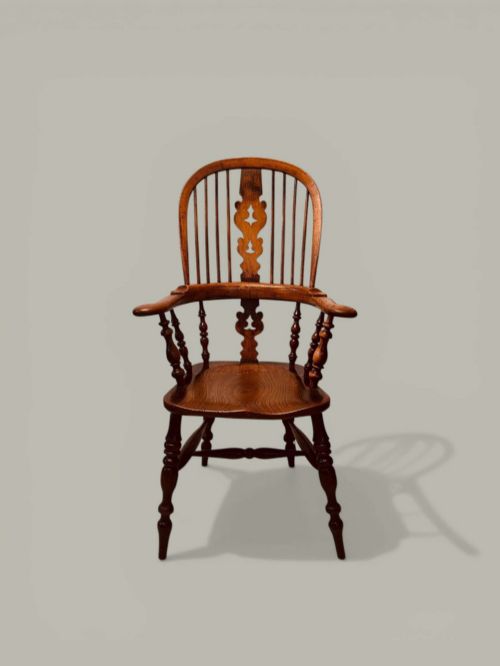
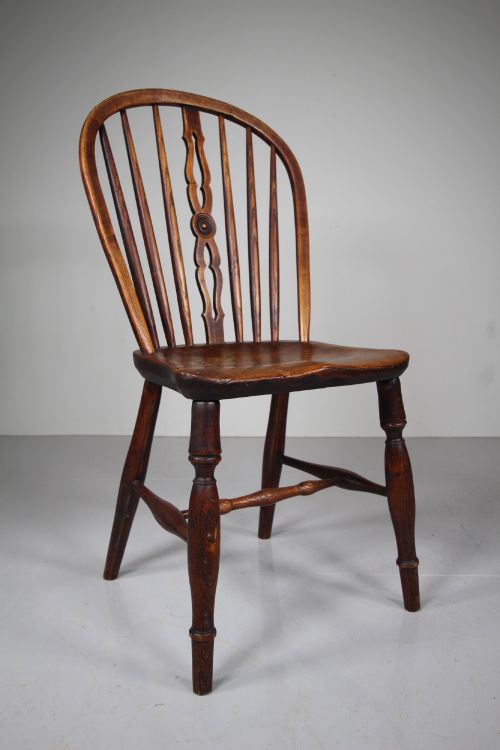
- A traditional wooden chair featuring a solid carved seat into which the legs and back spindles are wedged directly. These country pieces often combine elm seats with ash or yew superstructures.
- Balloon back
- A rounded, oval-shaped backrest profile popular during the Victorian era. This form mimics the silhouette of a hot air balloon and typically appears on mahogany dining chairs.
- Barback
- A horizontal splat across the backrest resembling the rail of a tavern settle or chair. This design is frequently observed on William IV dining furniture.
- Carver
- An armchair designed to match a set of smaller side chairs, traditionally placed at the head of a dining table. They provide broader armrests for comfort.
- Patina
- The deep surface sheen and colour acquired by wood over decades of handling, polishing, and exposure to light. A good patina indicates genuine age and careful custodianship.
English Brown Dining Chairs: Frequently Asked Questions
How do I identify a Windsor chair?
Windsor chairs are characterised by a solid wooden seat, usually shaped from elm, into which the legs and back spindles are tenoned directly. They often feature bentwood hoops or stick backs rather than traditional joined frames.
These country chairs emerged from regional workshops across England, utilising locally sourced timbers like ash, beech, and yew alongside the elm seats.
What is the difference between a side chair and a carver?
A side chair is a smaller, armless seat designed to fit neatly around the sides of a dining table without taking up excessive space. A carver is an armchair built in the same style to sit at the head of the table.
Matching sets usually include a pair of carvers accompanied by several side chairs to accommodate guests during formal meals.
How should I care for antique brown wood chairs?
Antique wooden chairs require stable indoor humidity away from direct heat sources and strong sunlight to prevent the timber from drying out or splitting. Regular dusting with a soft cloth keeps the surface clean.
Application of traditional beeswax helps nourish the wood and maintain the natural lustre of the patina without building up synthetic residues.
Can I mix different styles of dining chairs?
Mixing different styles of brown dining chairs is a long-established tradition in English interiors, particularly with country vernacular pieces. Combining chairs of similar height and wood tone creates an eclectic yet harmonious seating arrangement around a dining table.
Sticking to a shared material, such as ash and elm country chairs, helps tie disparate designs together visually.