

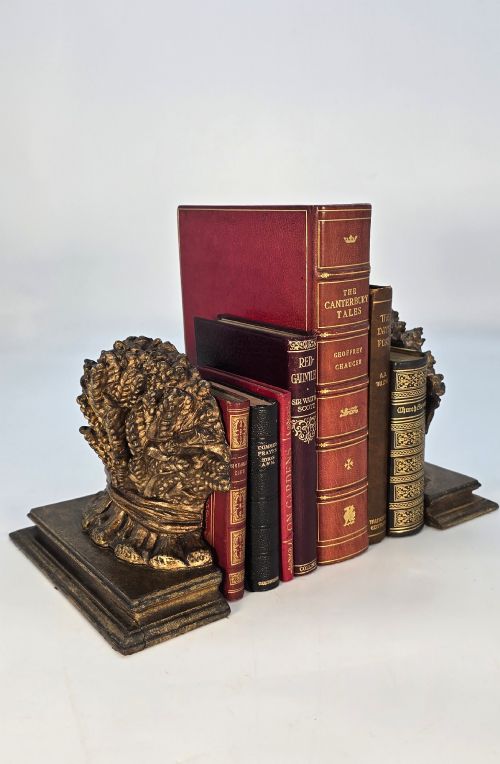


English Bookends
English bookends keep the home library tidy, bringing sturdy brass, rich hardwoods and glazed ceramic figures to the shelf.
English Bookends
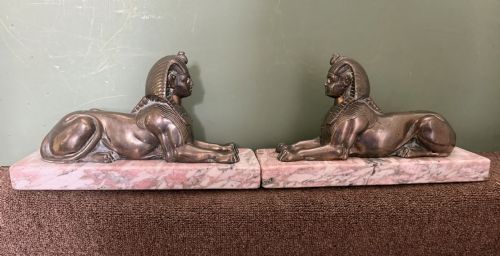
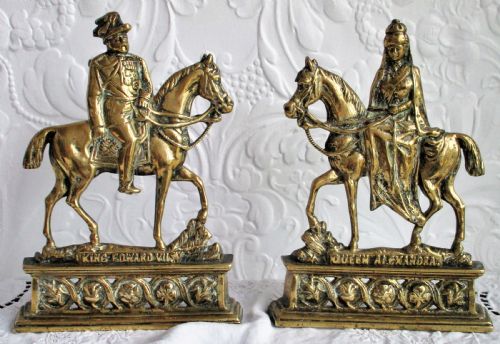
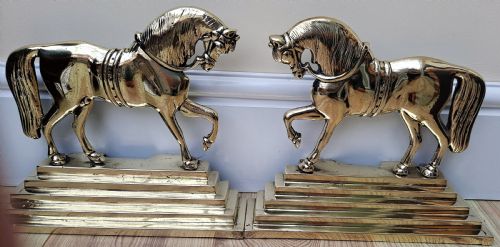
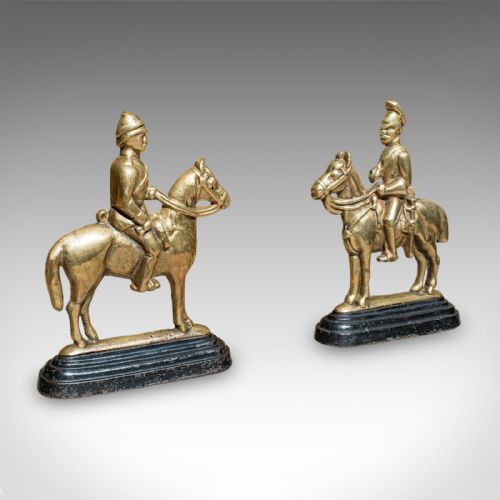
When you search for English bookends, you encounter substantial library supports from the nineteenth and early twentieth centuries, alongside expanding book slides and heavy ceramic or metal figures repurposed to hold volumes upright. The selection ranges from Victorian ceramic lions and Edwardian wooden dogs to expanding walnut platforms fitted with gleaming brass mounts.
The nineteenth century yields both dedicated pairs of heavy metal or carved wooden bookends and the ingenious extending book slide, which accommodates a growing row of texts between folding or sliding ends. You meet walnut, rosewood and coromandel timbers paired with brass hinges, alongside glazed earthenware and cast bronze animals.
Victorian and Edwardian examples dominate the offerings, spanning the heavy Gothic revival pieces of the mid-nineteenth century to the lighter walnut and hand-painted porcelain slides of the later decades. Makers applied diverse styles to these desk and shelf accessories, incorporating Chinoiserie details, classical motifs and Tunbridge ware decoration.
Materials and Construction
Craftsmen shaped these desk accessories from dense hardwoods including walnut, rosewood, coromandel, oak and beech, frequently integrating sliding mechanisms or brass reinforcement plates to handle the weight of heavy volumes. Tunbridge ware examples display intricate mosaic woodwork formed from tiny pieces of native and dyed timbers to create geometric surface patterns.
Foundries cast brass, bronze, iron and spelter into animal figures such as lions, dogs and elephants, using cold painting or treacle glazes to add colour and texture to the metal and ceramic surfaces. Carvers also worked in pine, boxwood and plaster, finishing the carved wood eagles with delicate penwork in the Chinoiserie taste.
Judging Quality
The distinction between standard pieces and the finest examples rests on the crispness of the casting, the complexity of the timber grain and the precision of the joinery in expanding book slides. Solid coromandel or burr walnut housings fitted with heavy cast brass mounts represent a higher grade of craftsmanship than plain softwood or simple plaster casts.
Detailing determines value, observable in the hand-painted porcelain miniatures inset into walnut book slides or the intricate accuracy of Tunbridge ware mosaic work rather than simple printed decoration. Smooth operation of extending mechanisms and intact patination on bronze and brass surfaces distinguish superior specimens.
Betjemann
The English Bookends Glossary
- Book slide
- An extending desk accessory featuring two ends connected by a sliding channel that expands to hold varying numbers of volumes. These items often incorporate brass mounts and fitted drawers.
- Tunbridge ware
- A form of nineteenth-century decorative woodworking originating in Kent, characterised by mosaic patterns assembled from thousands of tiny wood blocks to form pictorial or geometric designs.
- Spelter
- A zinc alloy frequently used in the nineteenth century as a less expensive alternative to bronze, usually given a metallic finish or painted to resemble heavier bronze castings.
- Treacle glaze
- A rich, dark brown lead glaze applied to earthenware ceramics, commonly found on Victorian chimney ornaments and figural bookends.
- Coromandel
- A dense, heavily figured southeast Asian hardwood featuring dark brown and black streaking, highly prized for luxury nineteenth-century desk accessories and book slides.
English Bookends: Frequently Asked Questions
What is the difference between bookends and a book slide?
Bookends consist of a matched pair of heavy objects placed at either end of a freestanding row of books to keep them upright.
Book slides utilise an expanding wooden platform with fixed or folding ends that adjust in length to securely enclose a collection of volumes on a shelf.
How do I date a Victorian book slide?
Dating relies upon timber selection, hardware style and decorative techniques such as Tunbridge ware or hand-painted porcelain inserts. Mid-nineteenth-century examples often feature heavier Gothic or coromandel designs, while later Victorian pieces frequently employ expanding brass scissor actions and burr walnut.
Are spelter bookends durable?
Spelter is a softer zinc alloy than bronze or brass, meaning it tolerates normal shelf display well but requires careful handling to avoid bending or surface chipping.
Most spelter pieces from the Victorian and Edwardian eras feature applied bronze or painted finishes that protect the metal underneath.
How should I care for antique wooden book slides?
Keep wooden book slides away from direct sunlight and sudden temperature changes to prevent the timber and intricate veneer work from splitting or warping.
Apply a traditional beeswax polish occasionally to nourish hardwoods like walnut, rosewood and coromandel while maintaining their natural lustre.